How to Choose the Perfect Flower Necklace Hawaii: A Buyer's Guide
Discover what to look for when buying a flower necklace Hawaii. Learn about plumeria vs. hibiscus motifs, koa wood, gold purity, and care.

Understanding the Allure of Hawaiian Floral Jewelry
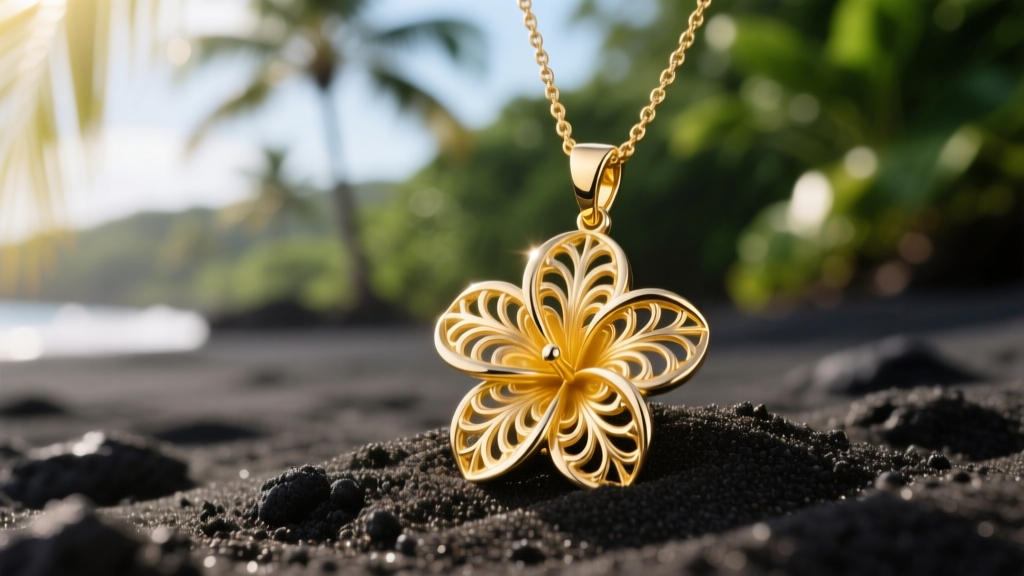
When travelers and jewelry enthusiasts search for a meaningful souvenir or a piece of island-inspired fine jewelry, the flower necklace Hawaii artisans craft stands out as a timeless symbol of the Aloha spirit. Unlike temporary fresh leis that wilt after a few days, a meticulously crafted floral pendant captures the essence of the islands in permanent, wearable art. However, the market is flooded with mass-produced imports that lack the cultural depth and material integrity of genuine island craftsmanship. Whether you are investing in a traditional Hawaiian heirloom piece or a modern sustainable wood carving, knowing exactly what to look for is critical. This comprehensive buying guide breaks down the botanical motifs, material grades, chain proportions, and authenticity markers you need to make an informed purchase.
The Cultural Roots of the Hawaiian Flower Necklace
The tradition of adorning oneself with flowers in Hawaii dates back centuries, rooted in the practice of creating lei. According to the Bishop Museum, Hawaii's premier institution for natural and cultural history, the presentation of a lei is a profound gesture of respect, affection, and welcome. As metallurgy and woodworking techniques evolved in the 19th and 20th centuries, local artisans began translating these ephemeral floral tributes into permanent jewelry. A genuine Hawaiian floral necklace is not merely a decorative accessory; it is a cultural artifact that demands respect for its origins. When purchasing these pieces, prioritizing makers who honor traditional techniques ensures you are supporting the living heritage of the islands rather than buying into a hollow caricature.
Plumeria vs. Hibiscus: Selecting Your Motif
The two most prominent blooms featured in island jewelry are the plumeria (melia) and the hibiscus (pua aloalo). Understanding their distinct symbolism and structural differences will help you choose a pendant that aligns with your personal aesthetic and intent.
The Plumeria (Melia)
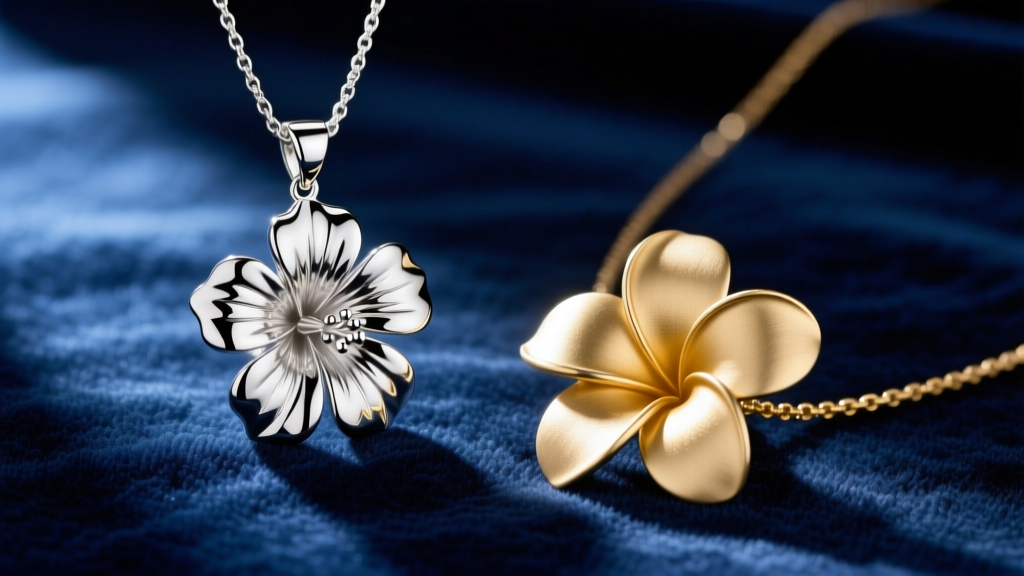
The plumeria is arguably the most iconic motif in island jewelry. Recognized by its five distinct, overlapping petals, it symbolizes positivity, springtime, and new beginnings. In jewelry design, the plumeria's symmetrical, slightly cupped shape allows artisans to play with depth, light, and shadow. High-end gold plumeria pendants often feature a textured, matte finish on the petals to mimic the soft, velvety surface of the real flower, contrasted with high-polish edges.
The Hibiscus (Pua Aloalo)
As the official state flower of Hawaii, the yellow hibiscus (Hibiscus brackenridgei) holds a special place in local culture. In jewelry, the hibiscus is characterized by its delicate, ruffled petals and the prominent central stamen (pistil). Because the hibiscus is naturally flatter and more asymmetrical than the plumeria, it requires a higher level of sculptural mastery to render in metal. Sterling silver hibiscus pendants often utilize oxidized detailing in the crevices of the petals to create a striking three-dimensional effect.
Material Specifications: What Separates Fine from Faux
The longevity and value of your necklace depend entirely on the materials used. Here is a deep dive into the specific material grades you should demand when shopping for premium island jewelry.
Hawaiian Heirloom Gold and Vitreous Enamel
Traditional Hawaiian heirloom jewelry is almost exclusively crafted in 14k yellow gold. While 18k gold is highly prized in European fine jewelry, it is too soft to withstand the deep, hand-engraved scrollwork and floral motifs characteristic of Hawaiian designs. Furthermore, the signature black filling found in heirloom pieces is not paint or epoxy; it is vitreous enamel (glass powder fused to metal at extreme temperatures). According to gemological standards outlined by the Gemological Institute of America (GIA), vitreous enamel requires a stable, durable base metal to prevent cracking during the firing process, making 14k gold the optimal choice for structural integrity and enamel adhesion. Expect to pay between $800 and $2,500+ for a genuine 14k gold heirloom plumeria pendant, depending on weight and diameter.
Sustainable Koa Wood and Shell Inlays
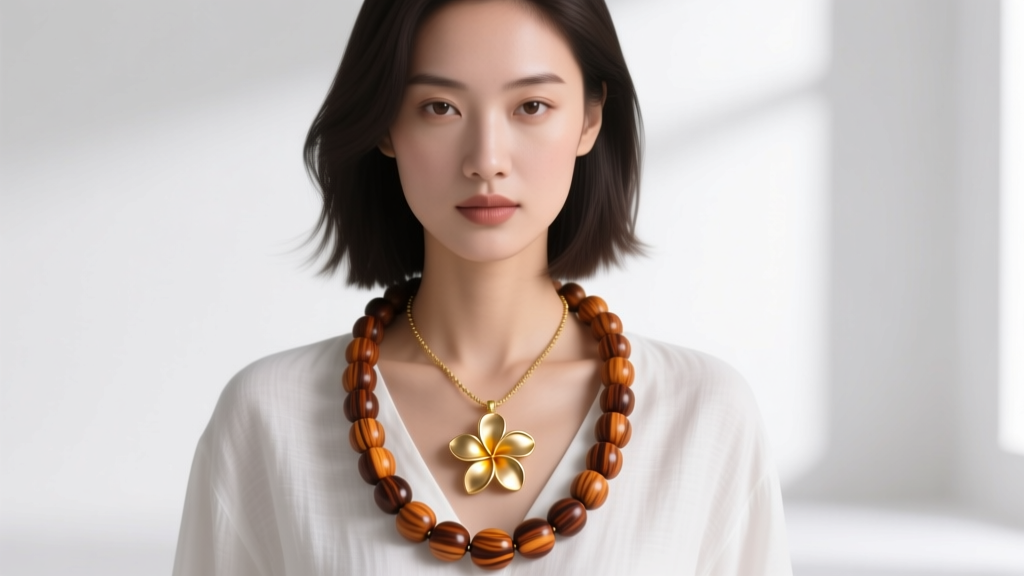
For a more organic, earthy aesthetic, Acacia koa wood is the premier choice. High-grade curly koa exhibits a mesmerizing optical phenomenon known as chatoyancy (a cat's-eye effect), which shifts in the light. Because koa is a protected species, ethical jewelers only use reclaimed wood or timber from naturally fallen trees on private lands. Many artisans pair carved koa plumerias with crushed coral or mother-of-pearl inlays to introduce a subtle iridescent contrast. A well-sealed, hand-carved koa pendant typically ranges from $120 to $350.
Chain Proportions and Sizing Framework
A common mistake buyers make is pairing a delicate floral pendant with an overly thick chain, or a heavy statement piece with a fragile cable chain that will inevitably snap. The bail (the loop connecting the pendant to the chain) dictates your maximum chain width, but aesthetic balance is equally important. Use the following framework to match your pendant size with the correct chain specifications.
| Pendant Diameter | Recommended Chain Width | Optimal Chain Style | Best Length for Neckline |
|---|---|---|---|
| 10mm - 14mm (Dainty) | 0.9mm - 1.2mm | Box or Cable | 16" (Choker) or 18" (Collarbone) |
| 15mm - 20mm (Standard) | 1.5mm - 2.0mm | Box or Rope | 18" (Collarbone) or 20" (Chest) |
| 21mm - 30mm (Statement) | 2.5mm - 3.5mm | Rope or Cuban Link | 20" (Chest) or 24" (Long) |
For standard 15mm plumeria pendants, a 1.5mm box chain in sterling silver or 14k gold provides the perfect balance of tensile strength and visual subtlety, allowing the floral motif to remain the focal point.
Verifying Authenticity and Ethical Sourcing
The global market is saturated with counterfeit island jewelry manufactured overseas and deceptively marketed to tourists. To ensure your flower necklace Hawaii purchase is authentic, look for the official "Made in Hawaii" seal. Regulated by the Hawaii State Department of Agriculture, the Hawaii Made program certifies that a product has been substantially manufactured within the state, supporting local economies and ensuring adherence to local labor and environmental standards. Additionally, reputable jewelers will provide a certificate of authenticity detailing the exact karat weight of the gold, the origin of the wood, and the artisan's hallmark stamped discreetly on the pendant's bail or reverse side.
Tropical Climate Care and Maintenance
Jewelry worn in tropical or coastal environments faces unique environmental stressors. High humidity, saltwater exposure, and the frequent application of chemical sunscreens can rapidly degrade certain materials. To protect your investment, follow these specific maintenance protocols:
- Sunscreen and Lotion Damage: Chemical UV filters and mineral sunscreens (especially those containing zinc oxide or titanium dioxide) can leave a stubborn, cloudy film on gold and silver, dulling the vitreous enamel. Always apply sunscreen and allow it to fully absorb for at least 15 minutes before putting on your necklace.
- Saltwater Corrosion: While 14k gold is highly resistant to tarnish, the copper and silver alloys mixed into the gold can react to prolonged saltwater exposure, leading to micro-pitting over time. Remove your necklace before swimming in the ocean.
- Koa Wood Hydration: If you own a koa wood pendant, avoid submerging it in water. The wood is naturally porous and relies on a protective resin or oil finish. Once a year, gently buff the wood with a microfiber cloth and a tiny drop of food-grade mineral oil to maintain its chatoyancy and prevent micro-cracking in dry, air-conditioned environments.
- Polishing Silver Hibiscus: Sterling silver will naturally oxidize, especially in humid climates. However, the intentional black oxidation in the crevices of a hibiscus pendant should not be polished away. Use a treated polishing cloth only on the high-relief, raised surfaces of the petals, avoiding the recessed areas to preserve the three-dimensional contrast.
By prioritizing authentic craftsmanship, understanding the botanical significance of your chosen motif, and adhering to proper material care, your Hawaiian floral necklace will serve as a beautiful, enduring connection to the islands for generations to come.


