Stella and Dot Laurel Lariat Necklace: 2026 Value & Budget Review
Is the Stella and Dot Laurel Lariat Necklace worth the price in 2026? We analyze its materials, plating longevity, and true resale value.

The 2026 Value Proposition of the Stella and Dot Laurel Lariat Necklace
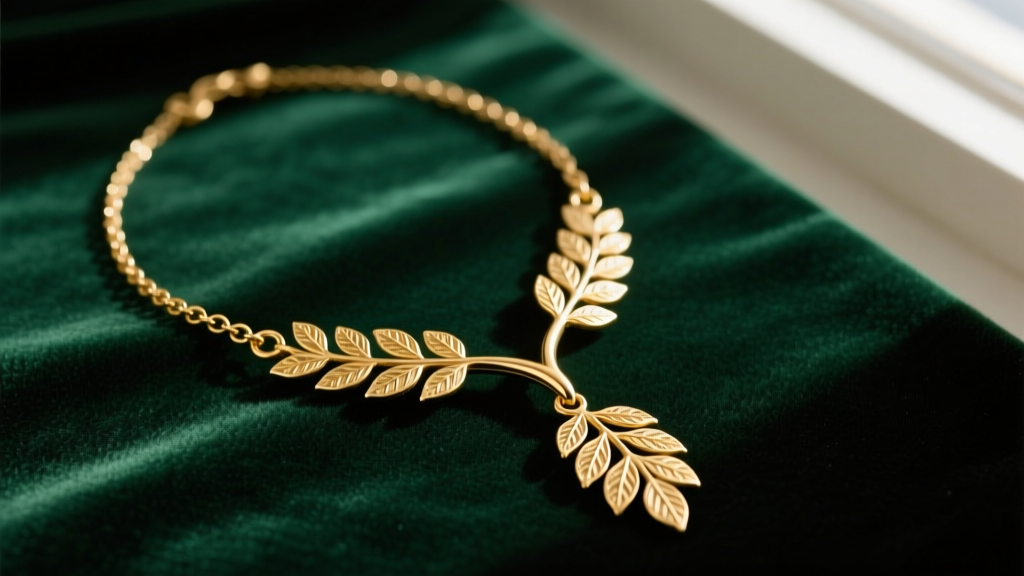
The direct-sales and social-selling jewelry market has undergone a massive transparency shift by 2026. Consumers are no longer satisfied with trend-driven aesthetics alone; they demand to know exactly what they are paying for at the metallurgical level. The Stella and Dot Laurel Lariat Necklace remains one of the brand's most recognizable and frequently gifted Y-chain silhouettes. Retailing typically between $54 and $68, it sits in a competitive mid-tier bracket. But does the cost align with the material reality? In this budget and value assessment, we strip away the marketing gloss to evaluate the true cost-per-wear, material longevity, and secondhand market viability of the Laurel Lariat.
Material Composition: Brass, Plating, and Stone Quality
To accurately assess the budget value of the Laurel Lariat, we must first deconstruct its physical anatomy. The foundation of this piece is cast brass. Brass—an alloy of copper and zinc—is favored in mass-market fashion jewelry because it is inexpensive, highly malleable, and captures intricate casting details, such as the textured veins of the signature laurel leaf pendants. However, brass is highly reactive. Without a robust barrier, the copper in the alloy reacts with the chlorides and lactic acid in human sweat, resulting in the dreaded green skin effect and rapid tarnishing.
To prevent this, the brass base is coated in a gold-toned finish. According to the Federal Trade Commission Jewelry Guides, standard gold electroplating must be at least 0.175 microns thick. Stella and Dot typically utilizes traditional electroplating or PVD (Physical Vapor Deposition) coatings over brass for their non-vermeil lines. While PVD offers superior scratch resistance compared to flash plating, it is still a microscopic surface layer. Once this layer is compromised, the underlying brass will oxidize rapidly.
The accent stones integrated into the laurel motifs are generally Cubic Zirconia (CZ) or high-grade acrylic. As noted by the Gemological Institute of America (GIA), CZ is a durable, high-refractive-index simulant that mimics the brilliance of a diamond but is prone to micro-scratches and clouding over time when exposed to lotions, oils, and friction. From a pure material-cost perspective, the raw components of the Laurel Lariat equate to roughly $4 to $7 in wholesale manufacturing costs, meaning the $60 retail price heavily subsidizes the brand's direct-sales commission structure and marketing overhead.
The Lariat Friction Clasp: A Mechanical Weak Point
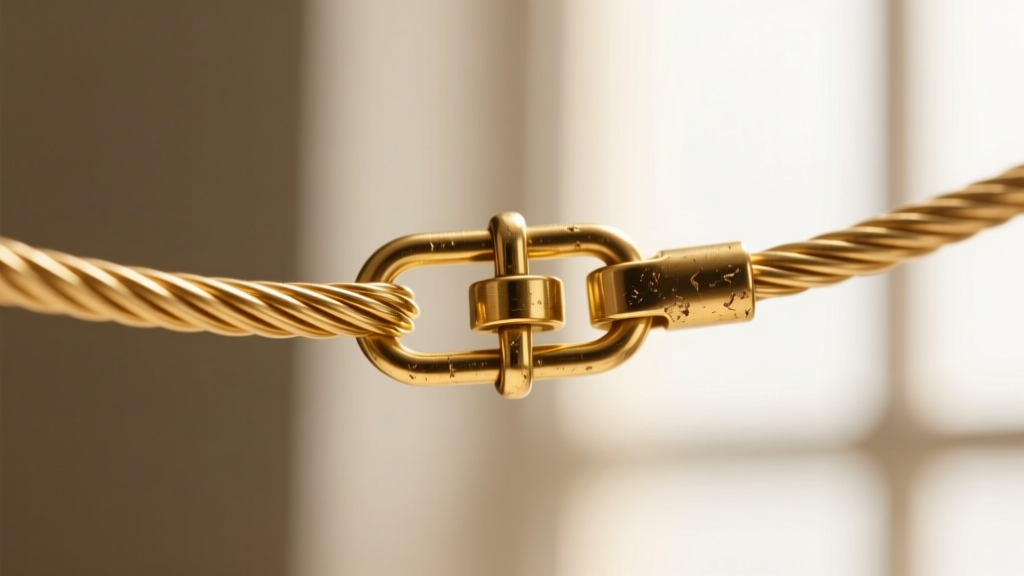
The most critical failure point of any Y-chain necklace is the slide mechanism. The Laurel Lariat utilizes a friction tube or O-ring clasp that allows the wearer to adjust the drop length. The chain itself is a delicate cable link, measuring approximately 0.8mm to 0.9mm in gauge. When you pull a 0.9mm brass chain through a tight metal friction clasp daily, the mechanical abrasion acts like fine sandpaper. Within three to six months of daily wear, the gold plating at the exact contact point of the slide clasp will wear away entirely, exposing the raw brass. This not only ruins the aesthetic continuity of the necklace but creates a rough burr that can snag and eventually snap the delicate chain links.
Market Comparison: Laurel Lariat vs. 2026 Indie Alternatives
How does the Stella and Dot Laurel Lariat stack up against independent jewelers and gold-filled alternatives in the current market? Below is a structural and financial comparison to help contextualize your budget.
| Feature | Stella & Dot Laurel Lariat | Indie 14k Gold-Filled Lariat | Solid 14k Gold Y-Chain |
|---|---|---|---|
| Base Metal | Cast Brass | Jeweler's Brass or Copper | Solid 14k Gold Alloy |
| Outer Layer | Electroplated Gold (<1 micron) | 14k Gold Filled (5%+ by weight) | N/A (Solid throughout) |
| Average MSRP | $58 - $68 | $75 - $110 | $250 - $400+ |
| Water Resistance | Poor (Tarnishes quickly) | Good (Withstands occasional exposure) | Excellent (Safe for daily wear) |
| 5-Year Lifespan | Low (High plating failure rate) | High (Can be polished/re-plated) | Lifetime (Heirloom quality) |
While the Laurel Lariat wins on initial upfront cost, the gold-filled alternative offers a vastly superior cost-per-wear ratio for buyers intending to wear the piece more than twice a week. Gold-filled wire features a mechanical bond of gold that is up to 100 times thicker than standard plating, ensuring the friction clasp will not wear down to the base metal within the first year.
Resale Value and Secondhand Market Realities
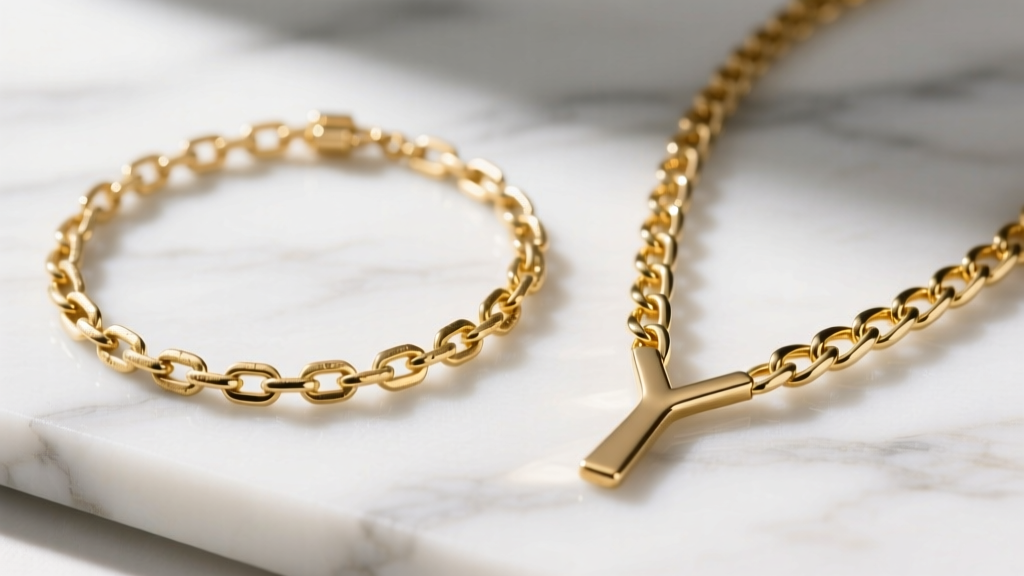
A crucial component of any jewelry budget assessment is the exit strategy. If you decide to part with the piece, what is its residual value? The secondary market for direct-sales fashion jewelry is notoriously unforgiving. An analysis of 2026 resale platforms like Poshmark, Mercari, and eBay reveals that pre-owned Stella and Dot lariats consistently sell in the $12 to $18 range, assuming they are in excellent condition with the original packaging.
This represents a staggering 70% to 80% depreciation from the original retail price. The market is saturated with ex-consultant liquidation stock and gently worn pieces, driving the secondary prices down to the value of the raw scrap brass and CZ stones. If you are buying the Laurel Lariat with any expectation of it holding financial value or acting as an investment, it fails the assessment entirely. It must be viewed strictly as an expendable fashion accessory.
Final Verdict: Who Should Buy the Laurel Lariat?
The Stella and Dot Laurel Lariat Necklace is not a fine jewelry investment, nor is it designed for rugged, everyday wear. Its value proposition is entirely rooted in its specific aesthetic appeal, brand recognition, and the convenience of the direct-sales gifting model.
Buy It If:
- You are buying a gift: The branded packaging and recognizable name carry significant social weight in gifting scenarios, making the $60 price tag justifiable for the presentation alone.
- You are an occasional wearer: If you plan to wear this piece 1-2 times a month for dinners or events, the plating will remain intact for years, maximizing your cost-per-wear.
- You love the exact motif: The specific laurel leaf casting is proprietary and difficult to replicate exactly in the indie market.
Skip It If:
- You have metal sensitivities: Once the plating wears at the clasp or chain, the exposed brass and nickel traces can trigger contact dermatitis.
- You want a daily-wear staple: The mechanical friction of the lariat slide will destroy the plating on a brass base within months of daily use. Opt for a 14k gold-filled or solid gold alternative instead.
- You prioritize resale value: You will lose the vast majority of your capital the moment the transaction is complete.
Ultimately, the Laurel Lariat is a budget-friendly trend piece masquerading as a keepsake. Approach it with realistic expectations regarding its metallurgical limits, and it will serve as a beautiful, albeit temporary, addition to your layering rotation.


