How to Authenticate and Date an Antique Victorian Necklace
Learn how to authenticate an antique Victorian necklace with our step-by-step guide on clasps, hallmarks, materials, and dating eras.

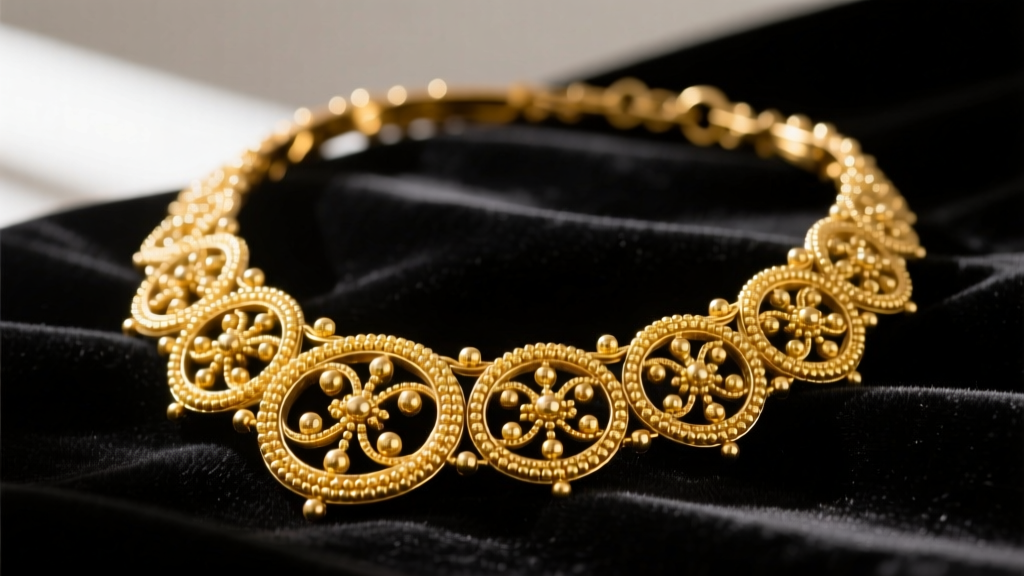
The secondary market for historical jewelry has surged, making the ability to authenticate an antique Victorian necklace a critical skill for collectors, stylists, and investors alike. Whether you are hunting for an 1860s mourning piece or an 1890s Aesthetic era lavalier, knowing what to look for separates a genuine heirloom from a 1970s reproduction. According to the Victoria and Albert Museum, Victorian jewelry is defined by its rapid evolution in response to industrialization, global trade, and the personal life of Queen Victoria. This step-by-step guide breaks down the metallurgical, mechanical, and stylistic markers of the era (1837–1901) so you can buy, date, and wear these pieces with confidence.
Understanding the Three Victorian Eras
Before examining the physical necklace, you must understand the timeline. The Victorian era is split into three distinct sub-periods, each with unique design motifs:
- The Romantic Period (1837–1860): Inspired by the Renaissance and antiquity. Look for Etruscan revival granulation, cannetille (fine wire coiling), seed pearls, and cameos.
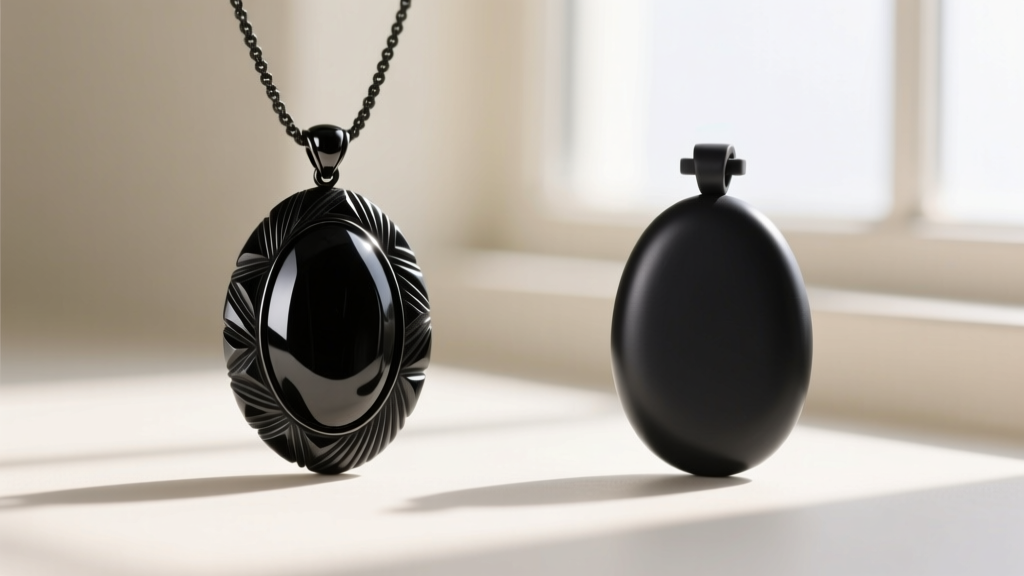
- The Grand Period (1861–1885): Marked by the death of Prince Albert. Mourning jewelry dominated, featuring Whitby jet, bog oak, vulcanite, and heavy, dark gold work.
- The Aesthetic Period (1885–1901): A return to lighter, more whimsical designs. Motifs included stars, crescents, insects, and lace pins, often set with rose-cut diamonds and turquoise.
Step 1: Examine the Clasp and Hinge Mechanisms
The hardware is the most reliable indicator of age, as it is difficult and expensive for forgers to replicate historical casting flaws and wear patterns. When authenticating an antique Victorian necklace, turn it over and inspect the clasp under a 10x jeweler's loupe.
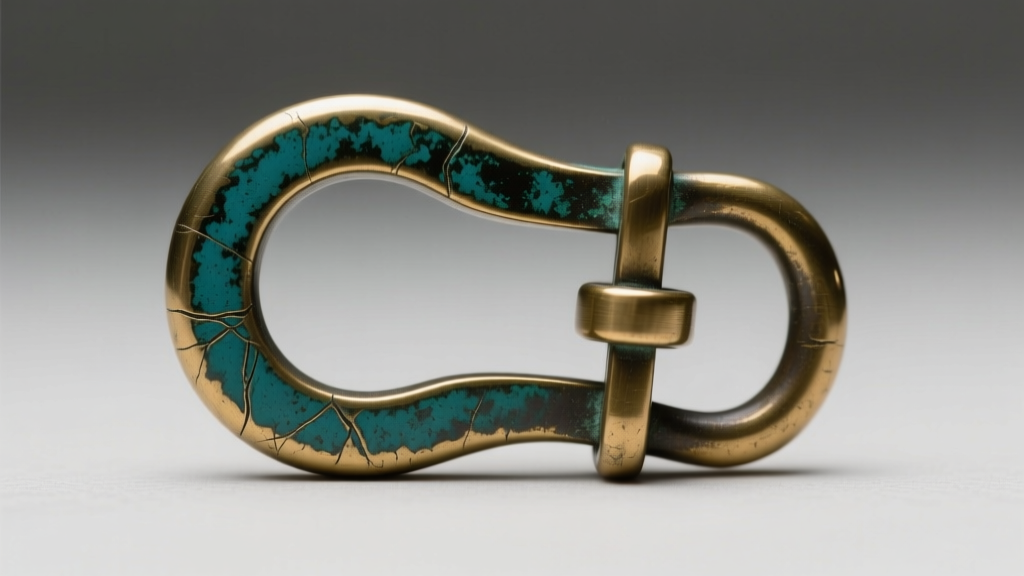
Key Clasp Types to Look For:
- The C-Clasp (Pre-1890s): Early Victorian necklaces and pendants utilized a simple 'C' shaped catch without a rolling safety latch. If the pin extends slightly past the edge of the 'C', it is a strong indicator of mid-19th-century origin.
- T-Bar and Tube Hinges: The hinge holding the pin should be a T-bar (a small piece of wire soldered to the pin) or a tube hinge (three small cylinders). Modern cast hinges are uniform and seamless; antique hinges will show slight irregularities and soldering marks.
- Trombone Clasps: Common on European chains and slide necklaces, this push-pull tube mechanism was heavily used from the 1850s through the early 1900s.
- The Safety Catch (Post-1900): If the necklace features a modern rolling safety latch or a figure-8 safety wire, the clasp has likely been replaced, or the piece is an Edwardian or later reproduction.
Step 2: Decode the Metals and Materials
Victorian jewelers were master innovators, frequently using alternative materials to bypass high gold taxes or to adhere to strict mourning etiquette. Knowing the exact composition of these materials is vital for valuation.
The 1854 Gold Standard Act
Prior to 1854, British gold jewelry was typically hallmarked at 18k or 22k. To make gold more accessible, the UK passed the 1854 Gold Standard Act, legalizing 9k, 12k, and 15k gold. If you are testing a chain and it reads as 15k (62.5% pure gold), you are likely holding a genuine mid-to-late Victorian piece, as 15k was phased out in the UK in 1932 in favor of 14k.
Material Identification Chart
| Material | Composition | Identification Test | Era Peak | Market Value Range |
|---|---|---|---|---|
| Pinchbeck | 89% Copper, 11% Zinc | Looks like gold but tests as base metal; shows copper 'rash' or wear at high-friction points. | 1830s–1850s | $150 – $600 |
| Whitby Jet | Fossilized Araucaria wood | Lightweight; leaves a brown streak on unglazed porcelain; smells like burning coal when heated. | 1860s–1880s | $300 – $1,500+ |
| Vulcanite | Hardened rubber (sulfur) | Molded (not carved); smells like burning rubber when heated; often fades to a brownish-grey. | 1860s–1890s | $100 – $400 |
| Bog Oak | Fossilized peat wood | Heavier than jet; shows visible wood grain under magnification; warm to the touch. | 1850s–1880s | $200 – $800 |
Step 3: Hunt for Hallmarks and Maker's Marks
Hallmarks are the fingerprint of antique jewelry. However, their presence (or absence) must be interpreted correctly based on the country of origin. The London Assay Office and other UK registries maintained strict documentation, whereas American jewelry was largely unregulated until the 1906 National Gold and Silver Stamping Act.
Expert Insight: Do not immediately dismiss an unmarked gold chain as fake. American Victorian jewelers rarely hallmarked their work, relying instead on store stamps or paper tags that have long since been lost. Conversely, a French piece from this era should almost always bear the Eagle's Head (Tête d'Aigle) stamp, indicating 18k gold, introduced in 1838.
For British pieces, look for the complete hallmark sequence: the standard mark (e.g., a crown for gold, lion passant for sterling), the city mark (e.g., an anchor for Birmingham, a leopard's head for London), the date letter, and the maker's mark. Use resources like Lang Antiques' Antique Jewelry University to cross-reference date letters and city stamps.
Step 4: Assess Condition and Common Failure Modes
When evaluating an antique Victorian necklace for purchase or restoration, you must identify structural vulnerabilities. Age brings specific failure modes that modern jewelers often mishandle.
Hairwork and Seed Pearl Degradation
Sentimental 'hairwork' jewelry (woven human hair encased in gold or glass) is incredibly fragile. The silk threads used to bind the hair internally rot over time. If the hairwork feels stiff or you see loose strands escaping the gold bezel, the piece requires immediate professional conservation. Similarly, seed pearls from the Romantic period were often strung on horsehair or early silk. Never submerge these necklaces in ultrasonic cleaners; the water will dissolve the historic stringing material and ruin the pearls' delicate nacre.
Enamel Flaking and Guilloché Repair
Grand Period pieces often feature black enamel (taille d'épargne) or guilloché. Enamel is essentially glass fused to metal; it does not bend. If the gold backing of the necklace has been bent or resized, the enamel will micro-fracture and flake. Repairing this requires a master enamelist, costing upwards of $500 to $1,200, which must be factored into your purchasing decision.
Step 5: Sizing, Layering, and Wearability
Victorian necklaces were designed for the high collars and specific necklines of the 19th century. A standard Victorian choker or 'dog collar' often measures just 14 to 15 inches, which sits uncomfortably high on modern necklines.
How to adapt them safely:
- Avoid Modern Extenders: Clipping a modern, heavy sterling silver extender chain onto a delicate 15k Victorian foxtail chain will cause the antique links to stretch and snap due to the weight differential.
- The Ribbon Technique: For short mourning jet chokers, thread a 10mm black silk grosgrain ribbon through the end loops and tie it at the nape of the neck. This is historically accurate, adjustable, and prevents stress on the antique clasps.
- Layering with Lavalieres: Aesthetic period pendant necklaces (lavalieres) were designed to hang at 18 to 20 inches. When layering, pair them with a modern, thicker 24-inch gold rope chain. The contrast between the heavy modern gold and the intricate, lightweight antique pendant highlights the craftsmanship of both eras without risking damage to the antique piece.
Summary Checklist for Buyers
Before finalizing your purchase of an antique Victorian necklace, run through this quick diagnostic checklist:
- Does the clasp lack a modern safety catch, or has it been verified as a period-correct replacement?
- Have the materials been tested (e.g., verifying jet vs. vulcanite via smell/streak tests)?
- Are the hallmarks consistent with the claimed country of origin and the 1837–1901 timeline?
- Is the stringing material intact, and has the piece been kept away from harsh chemicals?
By mastering these mechanical and material identifiers, you transition from a passive buyer to an informed archivist, ensuring that these remarkable pieces of history are preserved and styled correctly for the modern era.


