How to Authenticate and Style a Cameo Pendant Necklace
Learn how to authenticate, layer, and care for a vintage or modern cameo pendant necklace with our expert step-by-step styling and material guide.

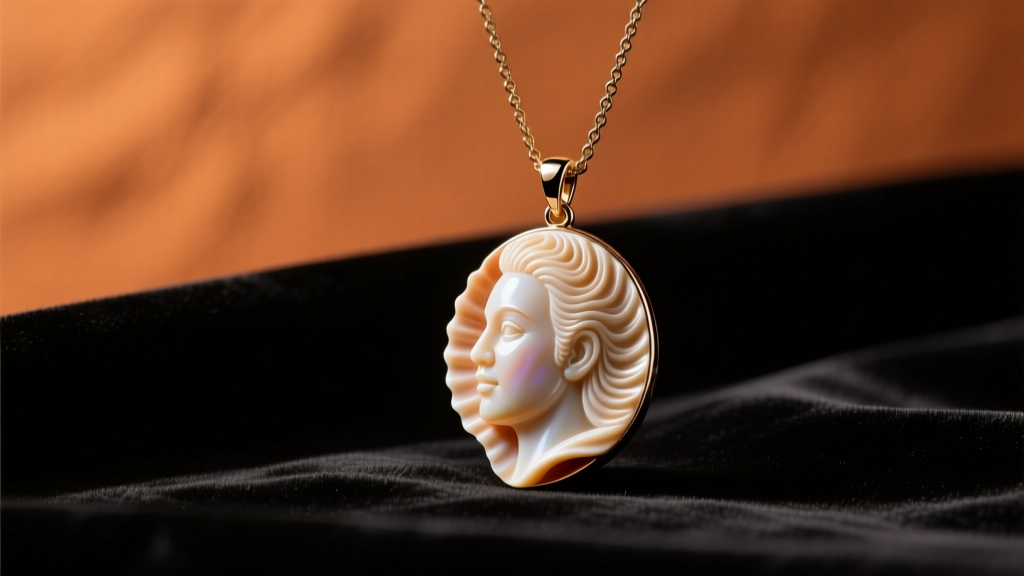
The 2026 Resurgence of the Cameo
Once relegated to the dusty corners of vintage jewelry boxes and associated strictly with Victorian mourning attire, the cameo pendant necklace has experienced a massive renaissance. In 2026, driven by the enduring popularity of 'dark academia' and eclectic, heritage-inspired streetwear, cameos are no longer just heirlooms—they are bold, conversational anchor pieces. However, navigating the market requires a discerning eye. From mass-produced resin molds to master-carved Italian shell and German agate, knowing exactly what you are buying, how to mount it, and how to style it is essential for any serious jewelry collector. This step-by-step guide will walk you through authenticating, hardware selection, modern layering, and preservation.
Step 1: Authenticating Your Cameo (Shell vs. Synthetic)
The market is flooded with synthetic replicas designed to mimic the romantic allure of antique carvings. To ensure your cameo pendant necklace is a genuine carved work of art, you must perform a series of physical and visual inspections. According to the GIA Gem Encyclopedia, understanding the organic and mineralogical properties of cameo materials is the first line of defense against fakes.
The Temperature and Pin Test
Genuine shell and agate are dense materials that retain temperature differently than plastics. Hold the piece against your cheek or inner wrist. Agate will feel distinctly ice-cold, while carved shell will feel cool but quickly adapt to your body heat. Molded resin or plastic will immediately feel room-temperature. For a more definitive test, gently touch a heated metal pin to an inconspicuous area on the back of the cameo. If it melts or emits a chemical odor, it is plastic. If it leaves a tiny, non-melting scratch and smells faintly of burnt calcium (like crushed seashells), it is genuine shell.
Inspecting the Carving Depth and Undercutting
Master carvers in Torre del Greco, Italy, utilize a technique called 'undercutting.' Because they are carving away layers of a natural shell, they can carve slightly beneath the edges of the profile—such as under the chin or behind the curls of hair—to create dramatic, three-dimensional shadows. Molded resin and glass cameos are poured into a single cast; they cannot feature true undercuts. Use a 10x jeweler's loupe to inspect the edges of the face. If the background meets the profile in a smooth, continuous, slightly rounded slope without sharp, deep shadows, you are likely looking at a mold.
Identifying Shell Species
Not all shells are created equal. The most prized cameos are carved from the Cassis madagascariensis (Emperor Helmet Shell), which yields a striking white profile against a rich, orange-brown background. The Cypraecassis rufa (Bullmouth Helmet) offers a white profile against a deeper, reddish-brown canvas. Under magnification, genuine shell will reveal faint, curved growth lines, whereas agate will show straight, parallel banding.
Step 2: Choosing the Right Chain and Bail
A common mistake collectors make is pairing a heavy, museum-quality cameo with inadequate hardware. The bail (the loop that connects the carving to the chain) and the chain itself must be engineered to support the specific weight and dimensions of the piece.
Soldered vs. Glued Bails
If you are mounting an Idar-Oberstein agate cameo, which can easily weigh between 20 and 40 grams, never rely on a glue-on bail. The sheer gravity and swing of the pendant will eventually compromise the adhesive, leading to a heartbreaking loss. Always opt for a soldered bail in solid 14k gold or heavy-gauge sterling silver. Ensure the inner diameter of the bail loop is at least 4mm to accommodate thicker, supportive chains.
Chain Gauge and Style Recommendations
Delicate 1mm chains will snap under the weight of a substantial agate piece. For cameos weighing over 15 grams, select a chain with a minimum thickness of 2.5mm to 4mm. Rope chains, curb chains, and heavy paperclip chains offer the necessary tensile strength while providing a modern, industrial contrast to the romantic, classical carving of the cameo.
Step 3: Modern Layering Techniques
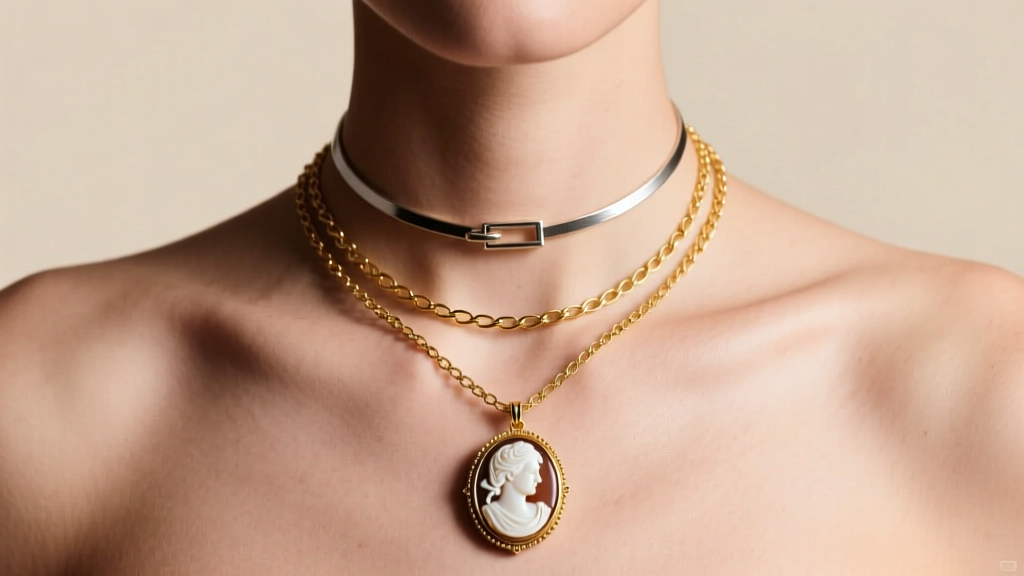
Styling a cameo pendant necklace in 2026 is all about juxtaposition. The goal is to strip away the 'stuffy' historical connotations by mixing the antique carving with contemporary, minimalist, or even brutalist jewelry elements. The Victoria and Albert Museum notes that cameos have historically been worn as standalone status symbols, but modern styling embraces the curated stack.
The 3-Piece Anchor Stack
- The Base (15-16 inches): Start with a sleek, modern snake chain or a micro-cuban link choker sitting tightly at the base of the throat. This frames the collarbone and sets a contemporary foundation.
- The Anchor (18-20 inches): This is where your cameo pendant necklace sits. An 18-inch length ensures the carving rests perfectly in the hollow of the chest, drawing the eye directly to the intricate profile.
- The Elongator (24-28 inches): Finish the stack with a long, heavy chain featuring a simple geometric pendant, such as a plain gold bar or a raw, uncut gemstone. This elongates the torso and breaks up the visual weight of the cameo.
Neckline Pairings
Cameos demand space to breathe. Avoid high, ruffled collars or busy, patterned blouses that compete with the carving. The ideal canvas is a deep V-neck, a structured sweetheart neckline, or a crisp, unbuttoned white oxford shirt, allowing the contrasting colors of the shell or agate to pop against your skin or fabric.
Material Comparison and Pricing Guide
Understanding the material composition of your cameo pendant necklace is vital for both valuation and proper care. Below is a breakdown of the most common materials found in today's market.
| Material | Mohs Hardness | Typical Price Range | Key Identifier |
|---|---|---|---|
| Carved Shell (Torre del Greco) | 2.5 - 3.0 | $120 - $800 | Faint curved growth lines, warm to touch, deep undercuts |
| Agate (Idar-Oberstein) | 6.5 - 7.0 | $300 - $3,000+ | Translucent edges, ice-cold to touch, heavy, parallel banding |
| Molded Resin/Plastic | 2.0 | $15 - $60 | Seam lines on the edge, room temperature, lightweight |
| Glass (Paste) | 5.5 | $50 - $150 | Tiny air bubbles under magnification, conchoidal fractures |
Step 4: Proper Cleaning and Preservation
Because organic cameos are incredibly fragile compared to faceted gemstones, standard jewelry cleaning methods can be catastrophic. Shell is primarily composed of calcium carbonate, making it highly susceptible to acids and extreme vibrations.
The Dangers of Ultrasonic Cleaners
Never place a shell or agate cameo pendant necklace in an ultrasonic cleaner. The high-frequency vibrations can easily shatter the delicate, undercut edges of a shell carving or fracture internal stress lines in layered agate.
The Safe Cleaning Protocol
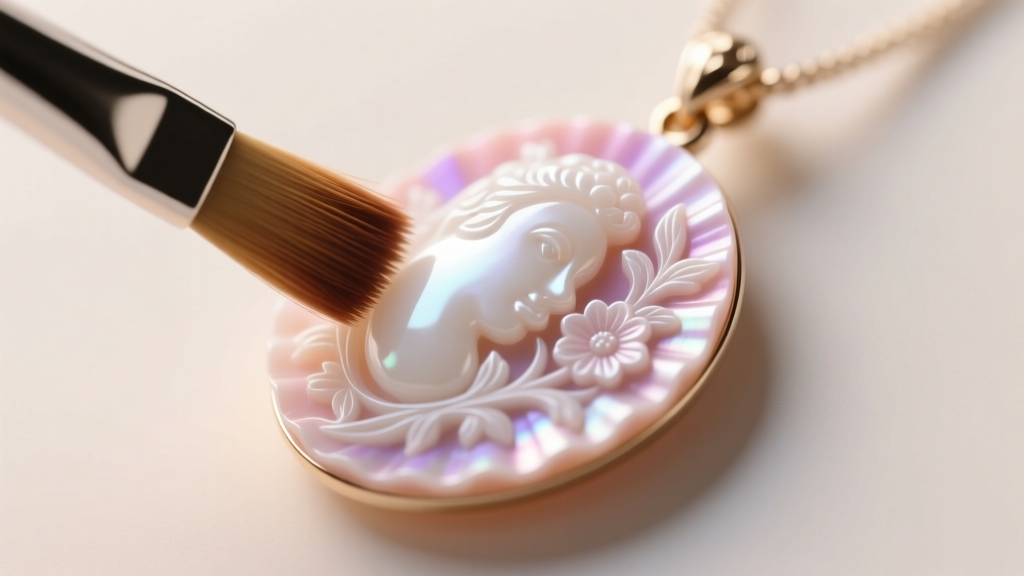
To remove skin oils, lotions, and environmental dust, use a dry, ultra-soft microfiber cloth. For deeper cleaning, mix a single drop of pH-neutral Castile soap into a bowl of lukewarm (never hot) distilled water. Dip a soft-bristled baby toothbrush into the solution, gently agitate the carved crevices to lift dirt, and immediately pat dry with a lint-free towel. Always apply perfumes, hairsprays, and acidic skincare products before putting on your cameo, as prolonged chemical exposure will strip the natural luster and cause the shell to chalk or yellow over time.
Final Thoughts on Building Your Collection
Investing in a cameo pendant necklace is an exercise in appreciating wearable sculpture. Whether you are hunting for a rare 19th-century agate piece at an estate auction or commissioning a modern shell carving from an Italian artisan, the key lies in rigorous authentication and thoughtful, contemporary styling. By respecting the material limitations and embracing modern layering techniques, you ensure that this ancient art form remains a vibrant, relevant cornerstone of your jewelry wardrobe for decades to come.


