Treska Necklace Troubleshooting: Repairs, Care & Fixes
Learn how to troubleshoot common Treska necklace issues. Expert tips on fixing heavy clasps, repairing chains, and restoring artisan glass beads.

The Anatomy of a Treska Necklace: Why They Break
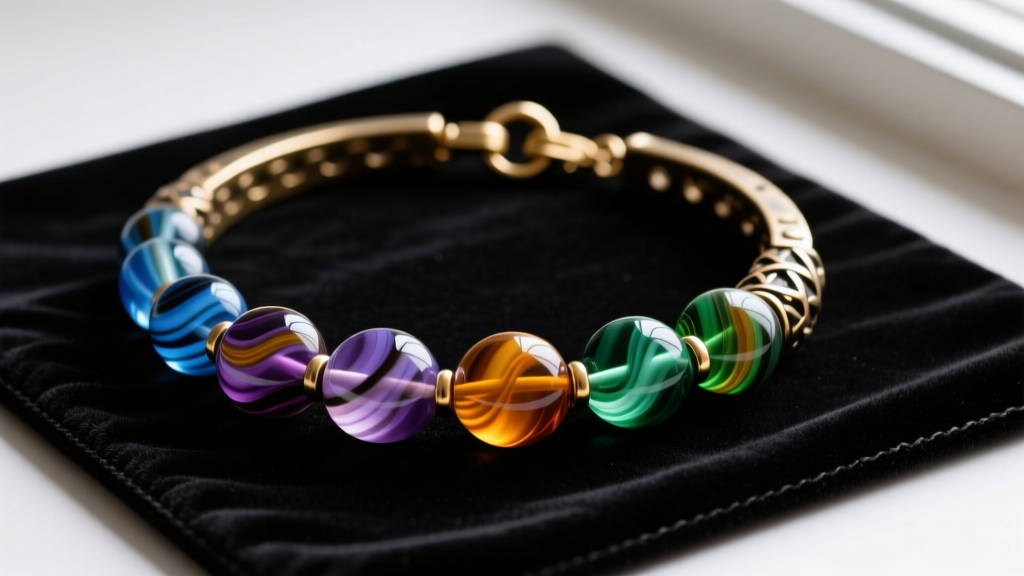
Owning a statement piece of jewelry is a joy, but it comes with unique structural challenges. The classic Treska necklace is renowned for its bold, artisan-crafted aesthetic, frequently featuring heavy lampwork glass beads, intricate cold enamel work, and mixed-metal hardware. While visually stunning, the very elements that make these necklaces desirable also make them prone to specific mechanical failures. The average Treska statement piece weighs between 45 and 85 grams. When this weight is suspended from a delicate chain or secured by a standard spring-ring clasp, the center of gravity creates immense tensile stress on the weakest link—usually the clasp or the jump rings.
In 2026, jewelry repair standards have evolved, and we no longer have to accept broken chains or lost pendants as the inevitable cost of wearing heavy artisan jewelry. By understanding the metallurgy and weight distribution of your necklace, you can perform targeted troubleshooting that extends the life of your piece by decades. This guide will walk you through diagnosing and repairing the most common failures associated with heavy mixed-media necklaces.
Troubleshooting Clasp Failures on Heavy Pendants
The most frequent point of failure on any heavy necklace is the clasp. Original manufacturer clasps are often chosen for their aesthetic discretion rather than their load-bearing capacity. A standard 6mm spring-ring clasp is rated for roughly 15 grams of static weight. When subjected to the dynamic movement of an 80-gram Treska pendant, the internal spring mechanism fatigues, or the hollow metal body deforms, causing the clasp to pop open unexpectedly.
Upgrading to a High-Capacity Clasp
To solve this, you must upgrade the hardware without compromising the visual integrity of the piece. There are two primary solutions for heavy necklaces:
- 316L Stainless Steel Lobster Clasp: Opt for a 15mm or 18mm marine-grade 316L stainless steel lobster clasp. Unlike plated brass, 316L will not tarnish from skin pH or humidity, and its solid cast body can withstand over 100 grams of dynamic tension.
- Neodymium Magnetic Tube Clasp: For those who struggle with small clasps, a 5mm neodymium magnetic tube clasp offers a secure, snap-fit closure. Ensure the tube features an internal silicone O-ring to prevent accidental sliding, and verify that the magnetic pull-force is rated for at least 5kg (11 lbs) to handle the pendulum swing of a heavy necklace.
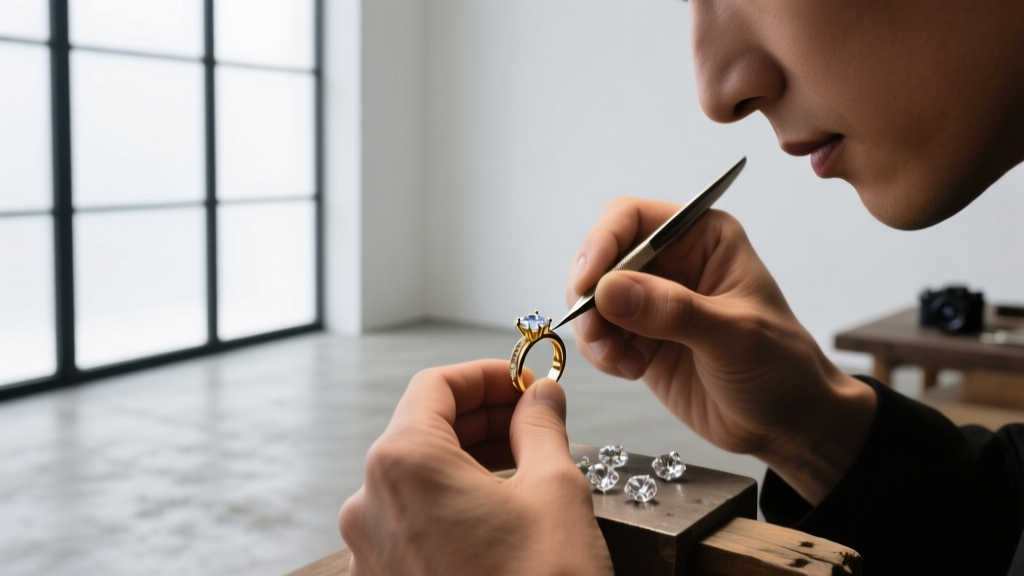
Repair Step: Never simply bend open the existing jump ring to swap the clasp. Repeatedly bending base metal or gold-filled wire causes work-hardening, leading to microscopic fractures. Instead, use a pair of Lindstrom RX flush cutters to snip the old jump ring entirely. Replace it with a fresh, 18-gauge (1.0mm) dead-soft wire jump ring, and use two pairs of flat-nose pliers to twist it open laterally, ensuring a perfectly flush closure when twisted back.
Fixing Chain Snaps and Link Distortion
When a Treska necklace is stored improperly or subjected to sudden tugs, the individual links of the chain can stretch. This phenomenon, known as 'ovalization,' occurs when a round link is pulled into an oval shape. Once a link is distorted, it places asymmetrical stress on the adjacent links, creating a domino effect that eventually leads to a chain snap.
Chain Gauge vs. Weight Tolerance Framework
To determine if your chain is structurally adequate for your specific Treska pendant, weigh your focal piece on a digital jewelry scale and compare it to the chain's gauge. Use the following data table as a diagnostic framework:
| Chain Wire Gauge (Thickness) | Typical Link Style | Maximum Safe Dynamic Weight | Recommended Action |
|---|---|---|---|
| 0.8mm - 1.0mm (20-18ga) | Cable, Delicate Rolo | 15 - 20 grams | Replace chain immediately for heavy pendants |
| 1.2mm - 1.5mm (16-14ga) | Standard Rolo, Figaro | 35 - 45 grams | Inspect links monthly; reshape if ovalized |
| 1.8mm - 2.5mm (12-10ga) | Wheat, Rope, Heavy Curb | 60 - 90 grams | Ideal for most large Treska statement pieces |
| 3.0mm+ (8ga and thicker) | Chunky Curb, Mariner | 120+ grams | Over-engineered; highly secure |
Reshaping Distorted Links
If you discover ovalized links, do not use standard steel jewelry pliers to squeeze them back into shape. Steel-on-steel contact will mar the finish, scratch plating, and leave permanent tool marks. According to master jewelers at Rio Grande, the correct tool for this job is a pair of nylon-jaw pliers (such as the Wubbers brand). The nylon pads grip the metal securely without scratching, allowing you to gently squeeze the elongated sides of the link back into a perfect circle. Work slowly, applying micro-adjustments to avoid work-hardening the metal.
Restoring Artisan Glass and Enamel Elements
The focal beads on a Treska necklace are often handcrafted lampwork glass or feature delicate cold enamel accents. Over time, these materials can accumulate skin oils, lotion residue, and micro-scratches, dulling their vibrant colors. Troubleshooting the aesthetic degradation of these elements requires a gentle, chemistry-aware approach.
What NOT To Do
Never place a mixed-media artisan necklace in an ultrasonic cleaner. The high-frequency cavitation bubbles generated by ultrasonic waves can easily shatter lampwork glass that contains internal stress fractures or microscopic air bubbles. Furthermore, ultrasonic vibrations will strip cold enamel (which is essentially a hardened resin or paint) right off the metal base.
The Safe Restoration Protocol
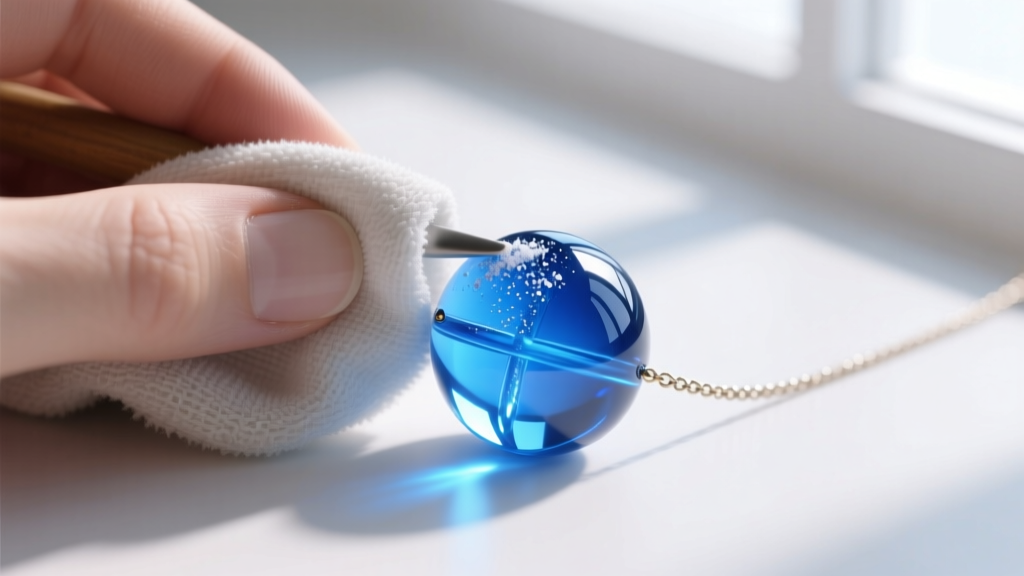
- Degreasing: Mix a solution of warm distilled water and a single drop of pH-neutral dish soap (like Dawn). Use a baby hairbrush (which has ultra-soft bristles) to gently agitate the surface of the glass beads. Rinse with distilled water to prevent hard water spots.
- Micro-Scratch Removal: If the glass beads have surface scratches, you can polish them using cerium oxide powder. Create a paste with a few drops of water, apply it to a damp microfiber cloth, and buff the glass in tight, circular motions. The Gemological Institute of America (GIA) notes that cerium oxide is the industry standard for safely polishing glass and softer gemstones without altering their structural integrity.
- Enamel Care: For cold enamel sections, avoid all abrasives. Simply wipe with a dry, clean microfiber cloth. If the enamel is chipping, you will need to consult a professional bench jeweler who specializes in resin or vitreous enamel restoration.
Preventative Maintenance and Storage Framework
Troubleshooting is reactive; maintenance is proactive. The way you store your Treska necklace between wears dictates how often you will need to perform repairs. Heavy necklaces should never be tossed into a communal jewelry box where the heavy pendant can crush lighter chains or scratch softer gemstones.
Expert Storage Rule: Always store heavy statement necklaces either flat in a dedicated, fabric-lined drawer or hung on a padded, wide-shoulder necklace bust. Hanging a heavy necklace on a thin, wire jewelry tree will cause the chain to stretch under its own weight over time, leading to the exact ovalization issues discussed above.
To combat the tarnishing of the mixed-metal hardware, place a strip of Pacific Silvercloth or 3M anti-tarnish paper inside the storage compartment. These materials absorb hydrogen sulfide and sulfur dioxide from the ambient air—the primary culprits behind the rapid blackening of brass, copper, and silver alloys commonly used in artisan jewelry.
Knowing When to Call a Professional
While upgrading clasps, reshaping links, and polishing glass are well within the capabilities of a dedicated jewelry enthusiast, certain repairs require a professional bench jeweler. If the actual soldered bail (the loop connecting the pendant to the chain) has cracked, or if a lampwork glass bead has suffered a deep, structural fracture, do not attempt a DIY fix using cyanoacrylate (super glue). Super glue degrades under UV light and will leave a cloudy, irreversible residue on artisan glass. Instead, seek out a jeweler who specializes in mixed-media or vintage artisan pieces, ensuring your beloved Treska necklace remains a wearable work of art for years to come.


