How to Verify and Use a Baltic Amber Necklace for Teething Safely
Learn how to authenticate, select, and safely use a Baltic amber necklace for teething infants, including expert safety protocols.

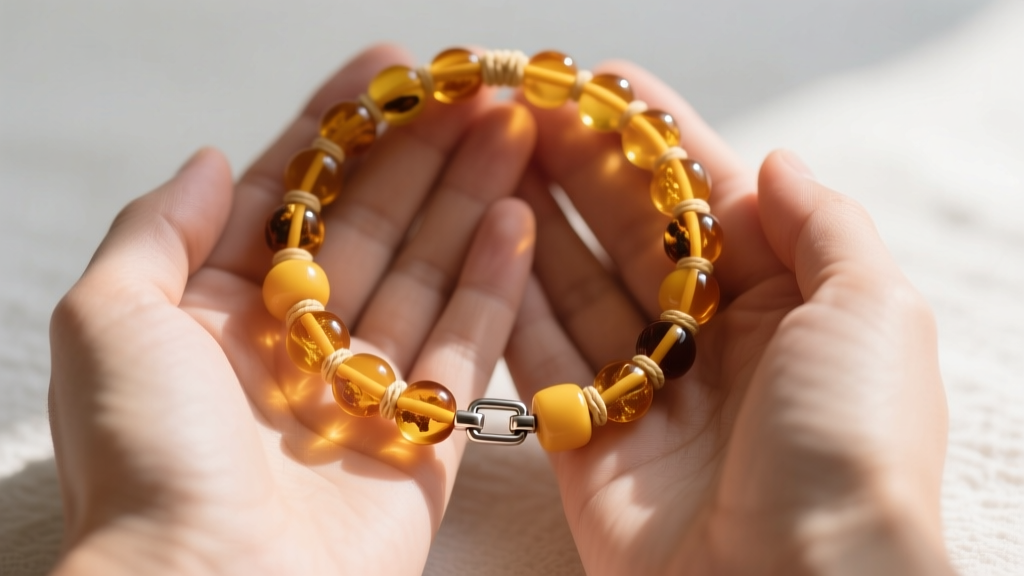
The Intersection of Ancient Resin and Infant Safety
For generations, parents have turned to natural remedies to soothe the discomfort of infant teething. Among the most popular of these is the Baltic amber necklace for teething, prized for its supposed ability to release succinic acid into the skin, acting as a mild, natural analgesic. Baltic amber, fossilized resin from prehistoric coniferous forests around the Baltic Sea, contains between 3% and 8% succinic acid by weight. However, as a jewelry and safety expert, I must emphasize that while the material itself is fascinating and historically significant, the application of any jewelry on an infant requires rigorous safety protocols, material authentication, and strict adherence to pediatric guidelines.
In this comprehensive guide, we will break down exactly how to verify the authenticity of Baltic amber, the specific design features that separate safe jewelry from hazardous imitations, and the harm-reduction strategies recommended for parents who choose to use these accessories.
Understanding the Medical and Safety Reality
Before purchasing or using any teething jewelry, parents must be aware of the warnings issued by major pediatric and health organizations. The U.S. Food and Drug Administration (FDA) has issued explicit warnings against the use of teething necklaces, citing severe risks of strangulation and choking. Similarly, the American Academy of Pediatrics (AAP) advises against placing any jewelry on infants, noting that beads can break off and become fatal airway obstructions.
Expert Insight: The primary danger is not the amber itself, but the mechanical failure of the necklace (clasp failure, string snapping) and the infant's lack of motor skills to free themselves from a strangulation hazard. If you choose to use Baltic amber, it must be treated as a closely supervised tool, never an unsupervised accessory.
Step 1: How to Authenticate Genuine Baltic Amber
The market is flooded with imitations. Copal (immature, unfossilized resin) and various plastics (like phenolic resins or celluloid) are frequently sold as genuine Baltic amber. According to the Gemological Institute of America (GIA), authenticating amber requires specific physical and optical tests. Here is how to verify your purchase at home.
The Saturated Saltwater Test
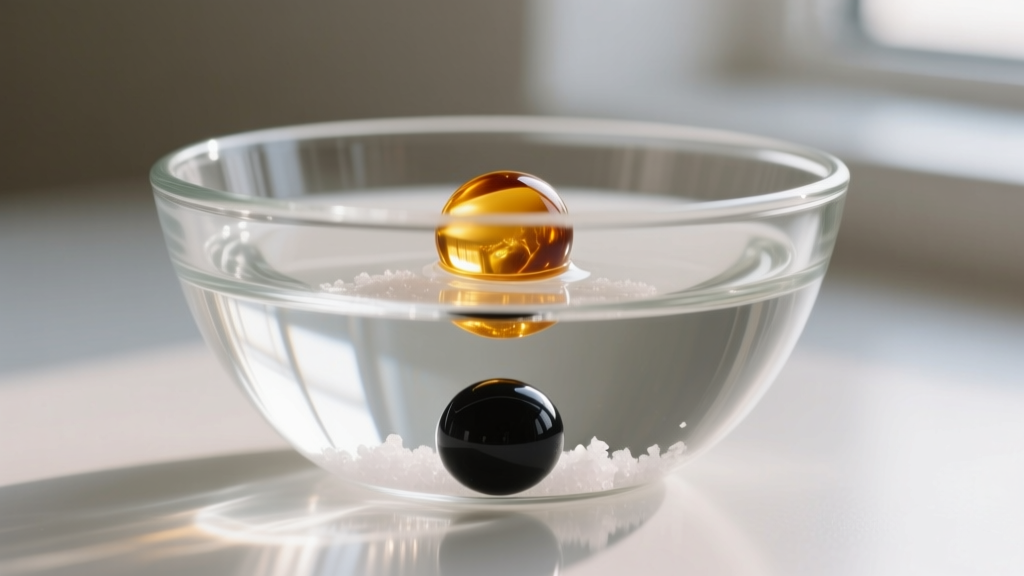
Genuine Baltic amber has a specific gravity of 1.05 to 1.10, meaning it will sink in fresh water but float in highly saturated saltwater. Copal and most plastics will sink in both.
- Mix a solution of 1 part table salt to 2 parts warm water by volume (approximately 35 grams of salt per 100ml of water).
- Stir until the salt is completely dissolved. The water will appear cloudy before clearing.
- Gently drop the amber beads into the solution. Genuine Baltic amber will float to the surface, while plastic and glass imitations will immediately sink.
The UV Fluorescence Test
Using a standard 365nm UV flashlight, shine the beam onto the beads in a dark room. Authentic Baltic amber will exhibit a distinct, pale blue or milky green fluorescence. Copal will fluoresce a chalky white, while plastic will show no fluorescence or a dull, artificial glare.
The Static and Scent Test
Vigorously rub a bead against a soft wool cloth for 30 seconds. Genuine amber generates a static charge capable of picking up small pieces of tissue paper. Furthermore, if you gently heat a needle and touch it to an inconspicuous area of the bead, real Baltic amber will emit a pleasant, distinct pine-resin or incense scent. Plastic will smell like burning chemicals, and copal will smell sweet but lack the deep, earthy pine notes of fully fossilized amber.
Step 2: Selecting the Right Design and Clasp
If you are purchasing a Baltic amber necklace for teething, the structural engineering of the piece is far more important than the color of the stones. You must look for three non-negotiable design features:
- Individual Knotting: Every single bead must be hand-knotted on both sides. If the necklace snaps, this ensures that only one bead is released, drastically reducing the choking hazard compared to a continuously strung necklace that would spill dozens of beads onto the floor.
- Bead Size and Shape: Opt for small, rounded beads (typically 4mm to 6mm in diameter). Avoid large, heavy beads or faceted stones with sharp edges that could scratch delicate infant skin or pose a larger airway risk if dislodged.
- The Clasp Mechanism: Avoid traditional metal screw clasps, which pose a choking risk if the baby chews on them, and do not break under tension. Instead, look for a pop-open breakaway safety clasp made of smooth, rounded plastic or polished wood. This clasp is designed to snap open if subjected to more than 3 to 5 pounds of pulling force, preventing strangulation.
Step 3: Safe Usage Protocols for Parents
To mitigate the risks outlined by the FDA and AAP, parents who choose to utilize Baltic amber must adopt strict harm-reduction strategies. The necklace should never be left on an unsupervised infant, and it should never be worn during sleep or car rides.
The Anklet Alternative
Many pediatricians and safety advocates suggest repurposing the amber necklace as an anklet. By wrapping the amber around the infant's ankle and securing it under a sock or footed pajama, you eliminate the strangulation risk entirely while keeping the amber in contact with the skin. Ensure the anklet is sized correctly using the "two-finger rule"—you should be able to comfortably slide two adult fingers between the amber and the baby's ankle to ensure circulation is not restricted.
The Tuck-In Method
If worn around the neck, the necklace must be tucked securely underneath the infant's shirt or onesie. This prevents the baby from pulling the necklace up to their mouth to chew on the beads (which can cause them to break or become a choking hazard) and reduces the chance of the necklace catching on crib slats or play equipment.
Material Comparison: What Are You Really Buying?
Understanding the differences between common market materials will help you avoid overpriced fakes and potentially toxic plastics.
| Material | Origin & Age | Succinic Acid Content | Saltwater Test Result | UV Fluorescence |
|---|---|---|---|---|
| Genuine Baltic Amber | Baltic Sea Region (40M+ years old) | 3% - 8% | Floats | Pale Blue / Green |
| Copal | Colombia / Africa (Thousands of years old) | Negligible / None | Sinks (usually) | Chalky White |
| Phenolic Plastic | Synthetic / Lab-created | None | Sinks | None / Dull |
| Glass | Silica / Lab-created | None | Sinks rapidly | None |
Care, Maintenance, and Lifespan
Baltic amber is a relatively soft organic gemstone, ranking between 2.0 and 2.5 on the Mohs hardness scale. It requires gentle care to maintain its structural integrity and polish.
- Cleaning: Wipe the beads gently with a soft, damp microfiber cloth. Never use ultrasonic cleaners, steamers, or harsh chemical soaps, as these will strip the natural oils and cause the amber to become brittle and crack.
- Water Exposure: While brief exposure to water is fine, prolonged soaking (such as in a bathtub or swimming pool) can weaken the cotton or silk threading material, increasing the risk of the necklace snapping.
- Inspection: Before every single use, physically pull on the string and inspect the knots. If you notice any fraying, stretching, or loose knots, retire the necklace immediately. The threading should be replaced by a professional jeweler every 6 to 12 months.
Final Thoughts on Teething Jewelry
A Baltic amber necklace for teething can be a beautiful, historically rich accessory, but it is not a substitute for medically approved teething relief methods like chilled silicone teethers or pediatrician-recommended analgesics. If you choose to incorporate amber into your child's routine, prioritize authentication, insist on breakaway clasps and individual knotting, and maintain a policy of constant, direct supervision. By treating amber jewelry with the respect and caution it demands, you can appreciate its natural beauty while keeping your child's safety firmly at the forefront.