Teething Necklace Amber: 2026 Price & Value Assessment Guide
Discover if a teething necklace amber piece is worth the investment. Our 2026 value guide compares prices, safety features, and authentic Baltic grades.

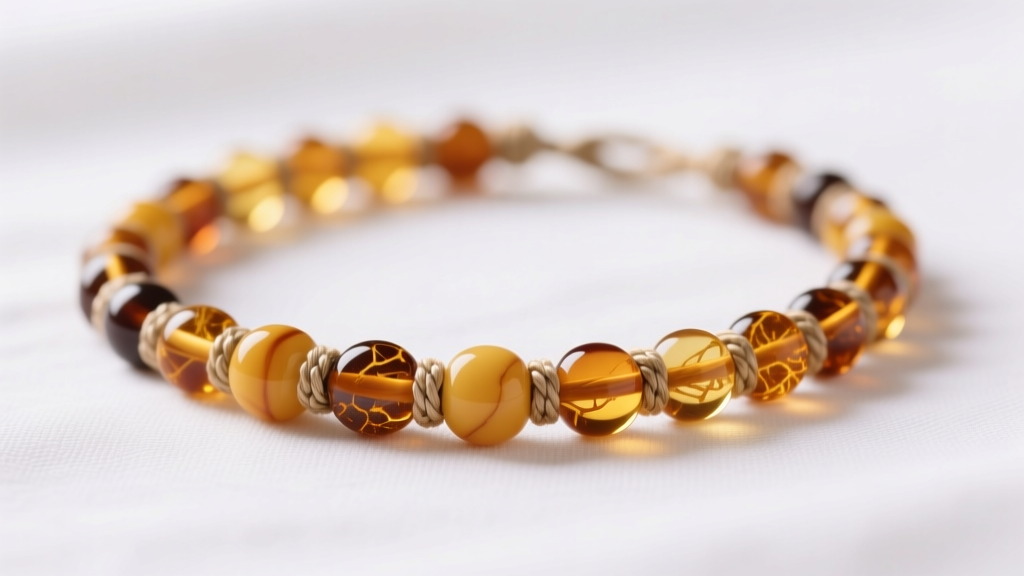
The Real Cost of Amber Teething Necklaces in 2026
When parents begin researching natural soothing remedies, the teething necklace amber market is often the first stop. However, the 2026 marketplace is flooded with everything from $8 plastic counterfeits to $120 premium, multi-strand Baltic succinite pieces. As a jewelry value assessment guide, our goal is to separate genuine geological value from dangerous, overpriced fakes. Evaluating the true worth of an amber teething necklace requires looking beyond the aesthetic and deeply analyzing material authenticity, structural safety engineering, and the ethical sourcing of Baltic resins.
The fundamental premise of these necklaces relies on the presence of succinic acid, a natural compound found in Baltic amber (Succinite) that historically has been associated with mild analgesic properties when warmed against the skin. While the scientific community remains divided on the transdermal absorption rate of succinic acid, the jewelry value of genuine Baltic amber is undeniable. True amber is fossilized tree resin dating back 40 to 50 million years. When you purchase a genuine piece, you are buying a prehistoric artifact. When you buy a fake, you are purchasing injection-molded polymers that pose severe choking hazards.
Decoding Baltic Amber Grades and Pricing
Not all genuine amber is priced equally. The value of a teething necklace amber strand is heavily dictated by the color, opacity, and rarity of the beads. Unlike gemstones graded by the GIA for diamond clarity, amber is categorized primarily by its visual profile and the level of hand-polishing it receives.
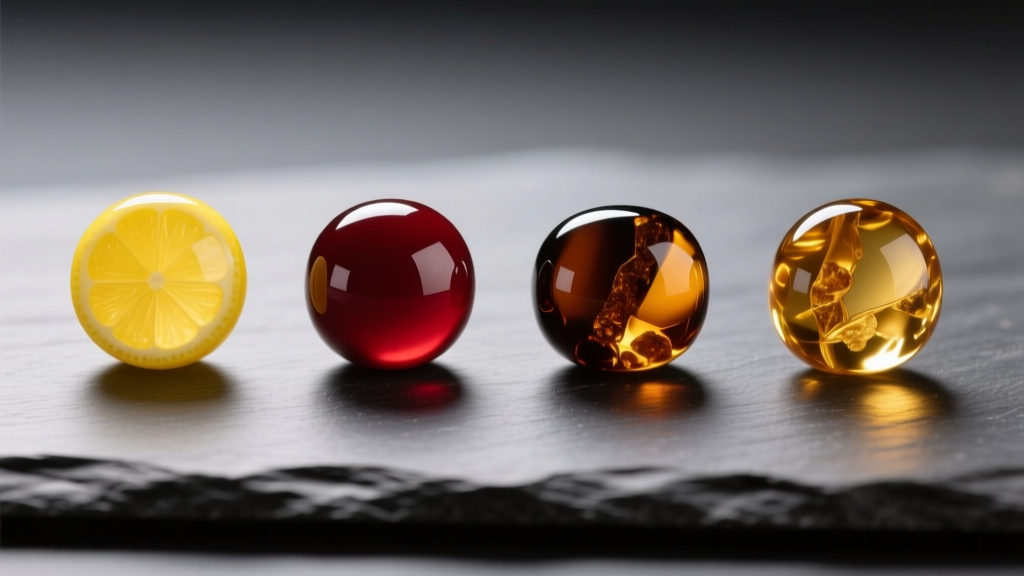
Below is the 2026 pricing matrix for genuine, safely constructed Baltic amber teething necklaces based on color grades:
- Lemon (Transparent Yellow): $30 - $45. The most common and affordable grade. Offers a bright, sunny aesthetic but is widely available, keeping the price point accessible.
- Cherry (Deep Red/Translucent): $40 - $60. Achieved through careful heating processes that darken the natural resins. Highly sought after for its rich, traditional jewelry appearance.
- Cognac (Warm Brown/Translucent): $35 - $55. The classic 'amber' look. Excellent light refraction and highly popular, resulting in a mid-tier price point with abundant market availability.
- Butter / Opaque (Milky Yellow): $60 - $95. Despite its cloudy appearance, butter amber is the rarest and most expensive grade. It contains microscopic bubbles that scatter light, and it is believed by holistic practitioners to hold the highest concentration of succinic acid due to its lack of heat treatment.
If you encounter a 'Butter' amber necklace selling for under $25, you are almost certainly looking at dyed copal or melted plastic. Genuine opaque amber commands a premium due to its scarcity in the Baltic mining regions of Lithuania and Poland.
Safety vs. Savings: Where Budget Buyers Get It Wrong
The most critical factor in assessing the value of any infant jewelry is safety engineering. Budget manufacturers cut corners on structural integrity, transforming a natural remedy into a severe hazard. The American Academy of Pediatrics (AAP) explicitly warns against the use of any necklaces for infants due to the risks of strangulation and choking. As noted by HealthyChildren.org, the official parenting site of the AAP, parents should avoid placing any jewelry around a baby's neck. If parents choose to use amber for its purported benefits, experts strongly recommend using an amber anklet tucked securely under clothing, or supervising the infant continuously while the necklace is worn over clothing, never directly on bare skin where it can be pulled.
When evaluating a necklace's safety value, you must inspect three non-negotiable engineering features. If a $15 necklace lacks these, its true value is zero, as it is unsafe for use.
| Safety Feature | Premium Standard (Value) | Budget Cut-Corner (Risk) |
|---|---|---|
| Knotting | Hand-knotted between EVERY single bead. If the strand breaks, only one 5mm bead is released. | Knotted every 3-4 beads, or strung on a single continuous wire. A break releases multiple choking hazards. |
| Clasp Mechanism | Pop-open safety clasp engineered to break away at 5-7 lbs of tension, preventing strangulation. | Screw-barrel clasps or standard jewelry lobster clasps that will not snap under pressure, risking airway obstruction. |
| Bead Sizing | Strictly 4mm to 6mm. Too small to block an airway if accidentally ingested. | Oversized 8mm+ beads or irregular baroque shapes with sharp, unpolished edges that can cut the gums or throat. |
"Never leave a baby unattended while wearing an amber teething necklace, and never allow them to chew on the beads. Amber is a brittle fossilized resin; chewing can cause it to splinter into sharp, dangerous shards."
The Counterfeit Tax: Spotting Fake Amber
The market is heavily saturated with 'Copal' and plastic fakes. Copal is immature tree resin that is only hundreds or thousands of years old, rather than millions. While it is technically natural, it lacks the structural hardness of true amber, melts at much lower temperatures, and degrades quickly when exposed to skin oils and saliva. Unscrupulous sellers market copal as 'young amber' to justify a $20 price tag for a material that costs pennies to harvest in Colombia or Madagascar.
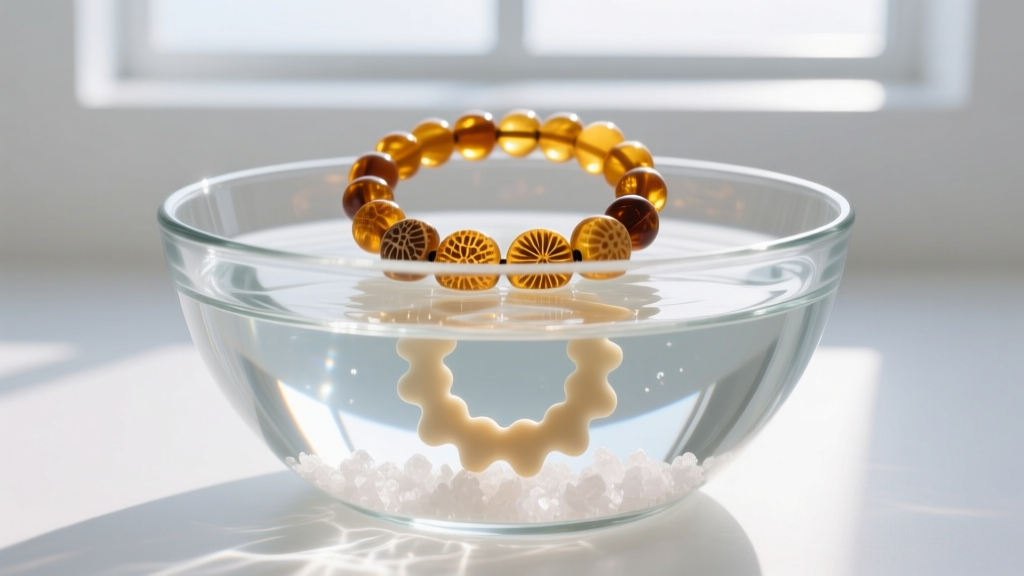
To ensure your budget is being spent on genuine Baltic succinite, perform these three non-destructive tests recommended by gemological experts, such as those outlined by the Gemological Institute of America (GIA):
1. The Saltwater Buoyancy Test
Genuine amber has a specific gravity of 1.05 to 1.10, meaning it will sink in fresh water but float in heavily saturated saltwater. Mix 1 part salt to 2.5 parts warm water. A genuine teething necklace amber strand will float effortlessly. Plastic and glass fakes will sink to the bottom. Note: Copal may also float, so this test must be combined with others.
2. The Electrostatic Rub Test
True amber is highly electrostatic. Rub the beads vigorously against a piece of wool or cotton cloth for 30 seconds. Bring the beads near a strand of hair or small pieces of tissue paper. Genuine amber will generate enough static electricity to attract the paper. Plastic and copal will not hold a charge effectively.
3. The UV Fluorescence Test
Under a standard UV blacklight, authentic Baltic amber will fluoresce a pale blue, green, or soft yellow hue. Copal will often show a dull, chalky white fluorescence, while plastics will remain entirely dark or reflect the purple light without altering its color spectrum.
Final Verdict: Budgeting for Genuine Relief
When assessing the budget and value of a teething necklace amber piece in 2026, the sweet spot for a genuine, safely engineered, single-strand Baltic necklace falls between $35 and $65. Anything less than $30 almost guarantees compromised safety knotting, immature copal resins, or outright plastic counterfeits. Anything over $80 is typically paying for brand markup, elaborate packaging, or multi-strand designs that offer no additional functional benefit for an infant.
Ultimately, the value of these necklaces lies as much in their safety engineering as in their geological authenticity. By prioritizing individual knotting, breakaway clasps, and verified Baltic succinite over flashy marketing and bargain-bin pricing, parents can ensure that if they choose to incorporate amber into their teething toolkit, they are investing in a safe, high-quality piece of natural jewelry. For further verification of amber authenticity and sourcing standards, consumers can cross-reference retailers with the International Amber Association to ensure their purchases support ethical and genuine Baltic mining practices.


