How to Clean and Care for a Barneys Gold Wrap Necklace
Learn expert cleaning and maintenance tips for your Barneys gold wrap necklace. Protect delicate chains, prevent tarnish, and restore vintage gold shine.

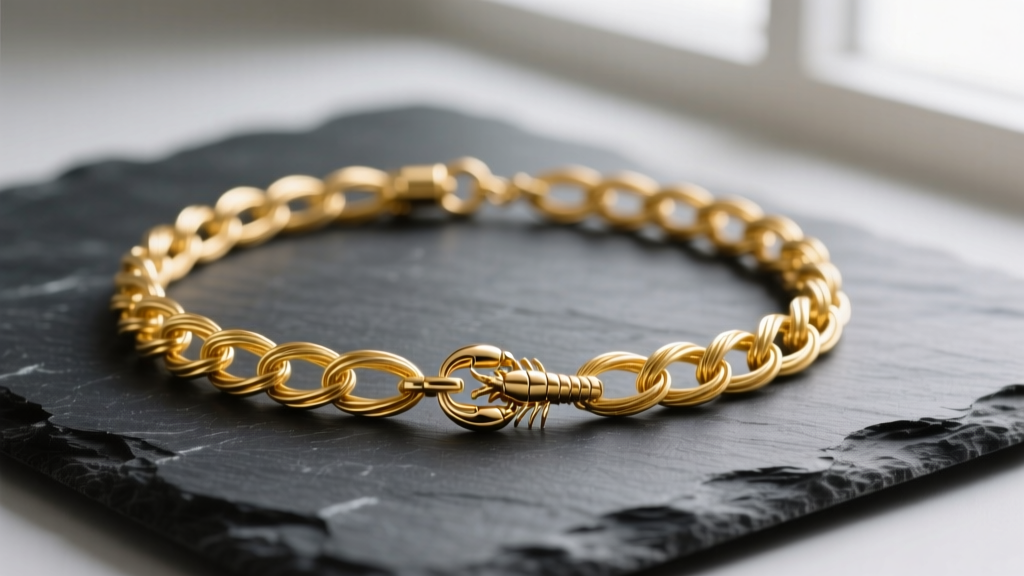
Owning a vintage or archival Barneys New York gold wrap necklace is a statement of enduring luxury. Before the iconic retailer closed its physical doors, its curated jewelry collections featured some of the most sought-after, avant-garde, and delicate gold designs of the 1990s and 2000s. Wrap necklaces—typically featuring extra-long chains (often 30 to 48 inches) designed to loop around the neck multiple times—are visually stunning but mechanically complex. Their extended length and delicate wire gauges make them uniquely susceptible to tangling, micro-abrasions, and clasp fatigue. Proper care is not just about maintaining shine; it is about preserving the structural integrity of an irreplaceable piece of fashion history.
Material Composition and Vulnerability
To properly care for your Barneys gold wrap necklace, you must first identify its exact metallurgical composition. Barneys carried a wide spectrum of gold jewelry, ranging from heavy 18k solid gold to delicate 14k gold-filled and high-karat vermeil pieces. Solid gold does not rust or corrode, but the alloy metals mixed with it do. According to the Gemological Institute of America (GIA), 14k gold contains 58.3% pure gold, with the remainder consisting of copper, silver, and zinc. These alloy metals are highly reactive to sulfur, chlorine, and acidic environments, leading to surface oxidation or tarnish.
If your wrap necklace is an 18k piece (75% pure gold), it will be highly resistant to tarnish but significantly softer. The mechanical stress of wrapping a soft 18k chain around the neck repeatedly can cause the wire links to stretch, warp, or thin out over time. Conversely, vintage gold-plated or vermeil pieces from the Barneys boutique era require an entirely different approach, as aggressive polishing will strip the microscopic gold layer and expose the base brass or sterling silver underneath.
The Mechanics of Wrap Necklaces: Stress Points and Failure Modes
Wrap necklaces suffer from unique mechanical vulnerabilities that standard 16-inch or 18-inch pendants do not. Because the chain is exceptionally long, the cumulative weight and friction against clothing create continuous tension. The primary failure modes include:
- Jump Ring Separation: The tiny jump rings connecting the clasp to the chain are subjected to lateral pulling when the necklace is unwrapped from the neck. Over time, these rings can gap, leading to catastrophic chain loss.
- Wire Fatigue and Kinking: Delicate wire-wrapped links (often 22-gauge or 24-gauge in luxury designer pieces) can easily kink if folded sharply rather than coiled. Once a gold wire kinks, the crystalline structure of the metal is compromised, leading to eventual snapping.
- Clasp Spring Degradation: Vintage lobster claws or spring ring clasps can accumulate skin oils and lotion inside the tiny spring mechanism, causing it to stick or fail to close completely.
Step-by-Step Cleaning Protocol for Wrapped Gold
Cleaning a multi-wrap necklace requires patience and a controlled environment to prevent severe tangling. Never clean a long, tangled chain; always detangle it first.
Phase 1: Detangling and Pre-Treatment
Lay the necklace flat on a clean, dark microfiber cloth. If you encounter a knot, do not pull. Apply a single drop of mineral oil or baby oil to the center of the knot. Using two fine sewing needles, gently work the center link outward until the knot loosens. The oil reduces friction and prevents the soft gold links from bending or snapping under pressure.
Phase 2: The Mild Surfactant Bath
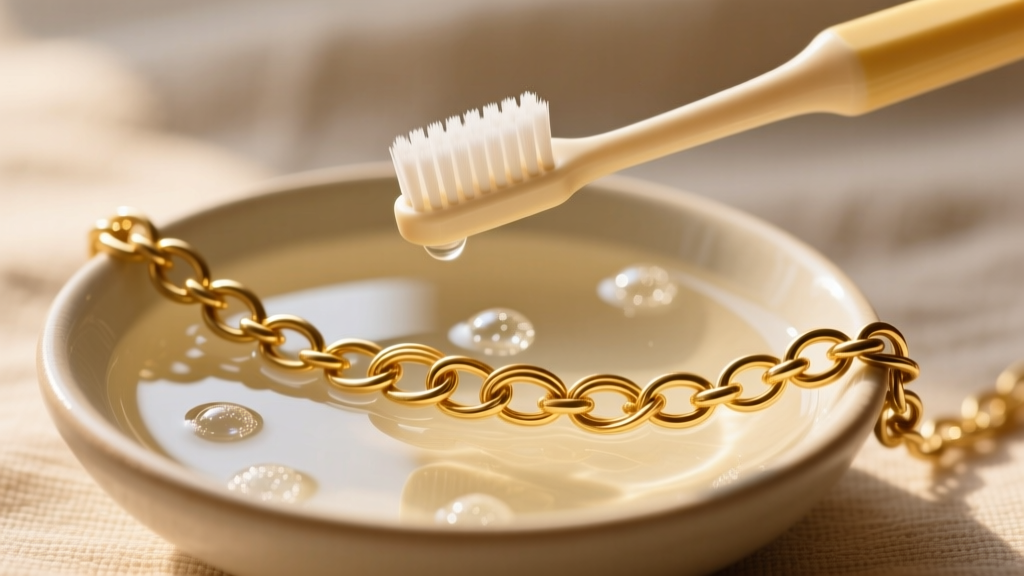
Fill a glass bowl with lukewarm water (approximately 90°F to 100°F). Add three drops of a pH-neutral, phosphate-free dish soap (such as Dawn Free & Clear). Avoid soaps with heavy moisturizers or citrus additives, as citric acid can react with the copper alloys in 14k gold. Submerge the fully extended necklace and let it soak for exactly 5 to 7 minutes. This allows the surfactant to break down sebum, dead skin cells, and cosmetic residue trapped in the microscopic crevices of the links.
Phase 3: Agitation and Rinsing
Using an extra-soft baby toothbrush, gently brush along the grain of the chain. Pay special attention to the clasp mechanism and the jump rings, where debris accumulates most heavily. Rinse the necklace thoroughly under a gentle stream of distilled water. Tap water contains dissolved minerals and chlorine that can leave hard water spots or trigger alloy oxidation. Pat the chain dry with a lint-free microfiber cloth, ensuring you run the cloth along the length of the chain rather than rubbing in circles, which can cause twisting.
Chemical Agents to Avoid: A Comparative Guide
The internet is rife with DIY jewelry cleaning hacks, many of which will permanently damage archival designer pieces. The Jewelers of America strongly advises against using harsh household chemicals on fine jewelry. Below is a breakdown of common cleaning agents and their effects on gold wrap necklaces.
| Cleaning Agent | Chemical Composition | Effect on Gold & Alloys | Verdict |
|---|---|---|---|
| Baking Soda Paste | Sodium Bicarbonate (Abrasive) | Causes micro-scratches on high-polish gold; removes surface luster. | Avoid |
| Ammonia Cleaners | Ammonium Hydroxide | Can cause stress corrosion cracking in gold alloys; damages porous stones. | Avoid |
| Toothpaste | Hydrated Silica (High Abrasive) | Severely scratches 18k gold; strips gold plating and vermeil instantly. | Avoid |
| Ultrasonic Cleaners | High-Frequency Sound Waves | Can shake delicate wire-wraps loose; risks tangling long wrap chains. | Use with Extreme Caution |
| Mild Dish Soap | Neutral Surfactants | Safely lifts oils and debris without reacting with copper or zinc alloys. | Highly Recommended |
Archival Storage Solutions for Multi-Wrap Chains
How you store your Barneys gold wrap necklace is arguably more important than how you clean it. Improper storage leads to the dreaded "chain bird's nest," which causes wire fatigue and kinking. Furthermore, environmental factors dictate the rate of alloy oxidation.
Humidity and Atmospheric Control
Gold alloys tarnish when exposed to sulfur compounds and high humidity. Store your necklace in an environment where relative humidity (RH) is maintained below 45%. If you live in a humid climate, place a small, rechargeable silica gel desiccant packet inside your jewelry box to absorb ambient moisture.
The Figure-Eight Coiling Method
Never crumple a wrap necklace into a jewelry box. Instead, use the "figure-eight" coiling technique. Hold the clasp between your thumb and forefinger, and drape the chain in a continuous figure-eight pattern around two fingers. Once fully coiled, slide the bundle off your fingers and secure it loosely with a piece of acid-free tissue paper or a soft velvet tie. This prevents the chain from crossing over itself and knotting.
Anti-Tarnish Micro-Environments
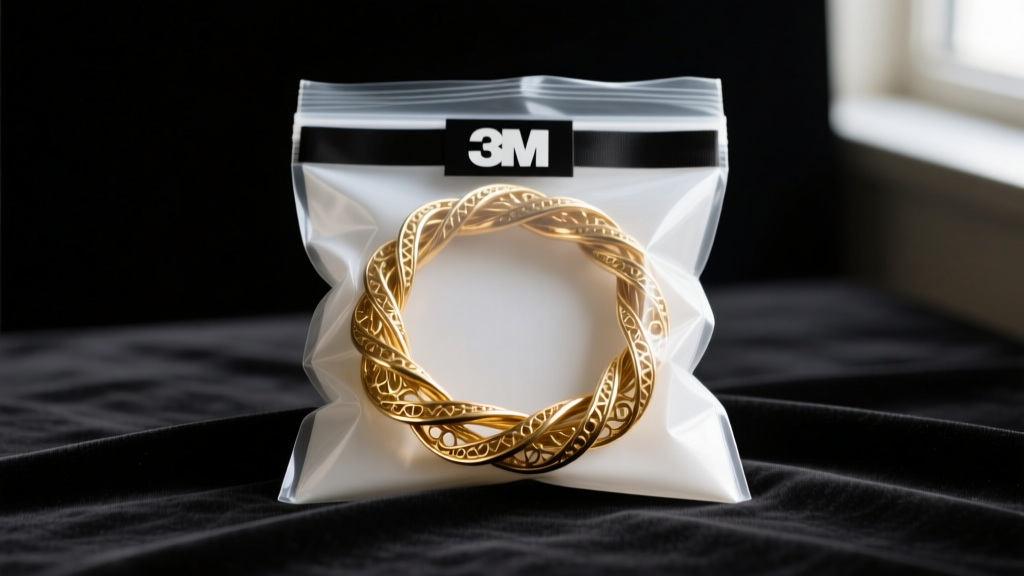
For long-term storage, place the coiled necklace inside a specialized anti-tarnish ziplock bag (made from non-PVC, non-off-gassing plastics). PVC plastics release hydrogen chloride gas over time, which rapidly corrodes metal. Inside the bag, include a 3M anti-tarnish strip. These strips contain activated carbon and silver particles that absorb airborne sulfur and chlorides before they can reach your gold. Replace these strips every six months to ensure continuous protection.
Professional Maintenance Schedule
Even with meticulous at-home care, a vintage Barneys wrap necklace requires professional oversight. Every 12 to 18 months, take the piece to a certified bench jeweler. Request a microscopic inspection of the clasp spring tension and the structural integrity of the jump rings. A jeweler can use a laser welder to reinforce any thinning wire links without applying the extreme heat of a traditional soldering torch, which could melt delicate designer wire-wraps. By combining gentle, chemically neutral cleaning with rigorous, structured storage, you ensure that your archival gold wrap necklace remains a flawless, wearable artifact for decades to come.


