Pisces Necklace Materials: Silver, Gold & Aquamarine Compared
Discover the best metals and gemstones for a Pisces necklace. We compare aquamarine, moonstone, silver, and platinum for durability and style.

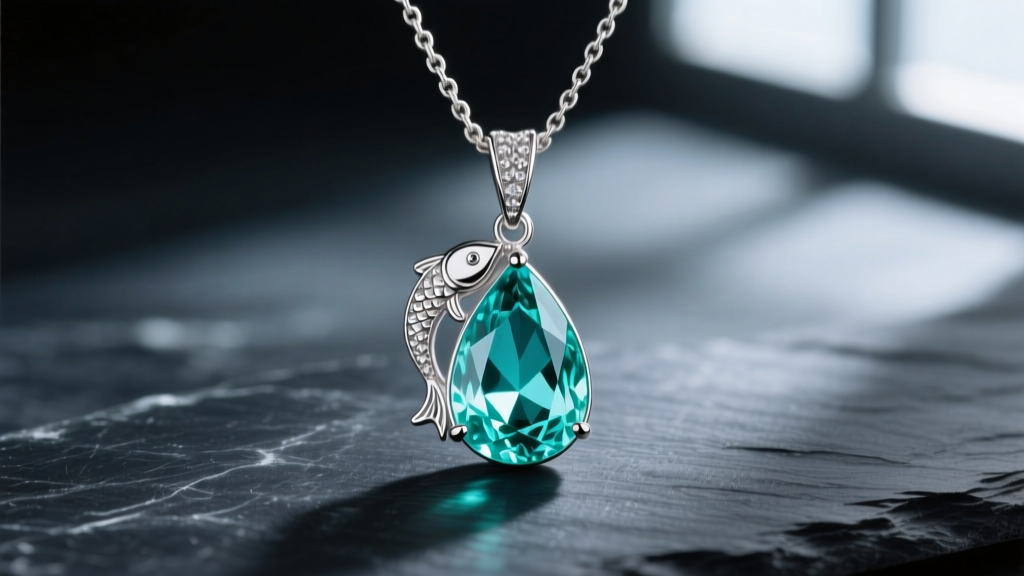
Choosing the perfect Pisces necklace goes far beyond selecting a zodiac symbol or a fish motif. For those born between February 19 and March 20, jewelry is often an extension of their intuitive, water-sign nature. However, from a metallurgical and gemological perspective, the materials used to craft these pieces dictate their longevity, wearability, and overall value. In 2026, consumers are increasingly demanding transparency regarding alloy compositions, gemstone treatments, and ethical sourcing.
This comprehensive guide compares the specific material properties of the most popular metals and gemstones associated with Pisces. Whether you are investing in a high-end platinum and aquamarine pendant or a delicate sterling silver and moonstone chain, understanding the science behind these materials will ensure your astrological jewelry stands the test of time.
The Metallurgy of Water Signs: Chain Alloys Explained
The chain of a Pisces necklace must balance fluid aesthetics with structural integrity. Water signs are traditionally associated with white metals—silver, platinum, and white gold—which mimic the reflective, cooling properties of water. However, their metallurgical profiles vary drastically.
Sterling Silver vs. Argentium Silver
Standard 925 Sterling Silver is an alloy of 92.5% pure silver and 7.5% copper. While it offers a brilliant luster, the copper content makes it highly susceptible to oxidation and tarnishing, especially when exposed to the sulfur compounds found in everyday environments. For a low-maintenance alternative, modern jewelers are turning to Argentium Silver (960). By replacing a portion of the copper with germanium, Argentium forms a transparent, protective oxide layer that virtually eliminates tarnish. For a Pisces pendant worn daily, Argentium is vastly superior to traditional 925 silver.
White Gold and the Rhodium Factor
White gold is not naturally white; it is yellow gold alloyed with white metals like nickel, palladium, or zinc. A 14k white gold chain contains 58.5% pure gold. To achieve the bright, reflective finish associated with water-sign jewelry, the chain is electroplated with rhodium. This plating is typically only 0.75 to 1.5 microns thick. Over 12 to 18 months of daily wear, friction will wear away the rhodium, revealing the slightly yellowish or grayish underlying alloy. If the wearer has a nickel allergy, the exposed 14k nickel-white gold can cause contact dermatitis. Palladium-white gold is a hypoallergenic alternative, though it commands a 15-20% price premium.
Platinum 950: The Ultimate Heirloom Metal
Platinum alloys used in fine jewelry are typically 95% platinum and 5% ruthenium or iridium. Unlike white gold, platinum is naturally white and will never require rhodium plating. Its unique property is its density and displacement behavior: when a platinum chain is scratched, the metal is displaced rather than lost. Over decades, this develops a soft, satiny patina that many collectors desire. According to the Gemological Institute of America (GIA), platinum's superior strength makes it the safest choice for securing high-value gemstone pendants.
Gemological Deep Dive: Aquamarine, Moonstone, and Pearl
The pendant stone is the focal point of any Pisces necklace. While the zodiac sign is linked to several gems, aquamarine, moonstone, and pearl are the most prominent. Each possesses distinct physical properties that dictate how they should be cut, set, and worn.
Aquamarine: The Beryl Family Standard
Aquamarine is a variety of the mineral beryl, scoring a 7.5 to 8 on the Mohs hardness scale. While it is relatively hard, it possesses distinct basal cleavage, meaning a sharp blow can cause the stone to fracture or chip. High-quality aquamarine is typically heat-treated to around 400°C to remove greenish or yellowish secondary hues, resulting in the pure, oceanic blue that Pisces individuals favor. When selecting an aquamarine Pisces necklace, look for a bezel or halo setting that protects the girdle (the outer edge) of the stone from impact.
Moonstone: Adularescence and Vulnerability
Moonstone is a variety of orthoclase feldspar, characterized by its adularescence—a billowy, floating light effect caused by the scattering of light between alternating microscopic layers of orthoclase and albite. Scoring only 6 to 6.5 on the Mohs scale, moonstone is highly susceptible to scratching. Furthermore, its internal cleavage planes make it vulnerable to cracking under pressure or sudden temperature changes. A moonstone Pisces pendant should always be set in a protective bezel and reserved for occasional wear rather than daily use.
Pearls: Organic Beauty and Acid Sensitivity
Unlike crystalline gemstones, pearls are organic, composed primarily of calcium carbonate (aragonite) and conchiolin. They rank a mere 2.5 to 4.5 on the Mohs scale. The durability of a pearl Pisces necklace depends heavily on nacre thickness. High-quality Akoya pearls should have a minimum nacre thickness of 0.4mm, though premium grades exceed 0.8mm. Pearls are highly sensitive to acids, perfumes, and hairsprays, which can dissolve the nacre and destroy the pearl's luster. As noted by the GIA's pearl care guidelines, pearls should always be the last thing you put on and the first thing you take off.
Material Durability & Failure Modes
Understanding how different materials fail is crucial for making an informed purchase. The table below outlines the specific risk factors associated with popular Pisces necklace combinations.
| Material Combination | Mohs Hardness | Primary Failure Mode | Maintenance Requirement | Avg. Price Range |
|---|---|---|---|---|
| 14k White Gold + Aquamarine | Chain: 5.5 / Stone: 7.5 | Rhodium wear; Stone girdle chipping | Rhodium dip every 1-2 years | $600 - $2,500 |
| Argentium Silver + Moonstone | Chain: 2.5 / Stone: 6.0 | Silver scratching; Stone cleavage split | Gentle polishing; Impact avoidance | $150 - $450 |
| Platinum 950 + Pearl | Chain: 4.5 / Stone: 2.5 | Pearl nacre degradation from acids | Wipe with damp cloth post-wear | $1,200 - $4,000+ |
| 925 Sterling Silver + Aquamarine | Chain: 2.5 / Stone: 7.5 | Chain tarnishing; Prong wear/breakage | Regular chemical tarnish removal | $200 - $800 |
Sourcing and Ethical Considerations in 2026
The jewelry market has evolved significantly, with buyers of astrological jewelry increasingly prioritizing ethical sourcing. When purchasing an aquamarine Pisces necklace, buyers should inquire about the origin of the beryl. Mines in Brazil and Madagascar have made strides in traceability, but lab-grown aquamarine is also gaining traction for its zero-impact environmental footprint and flawless clarity.
For the chain metals, recycled platinum and reclaimed silver are now industry standards among premium artisanal jewelers. Recycled Argentium silver offers the exact same germanium-enhanced tarnish resistance as newly mined silver but with a fraction of the carbon footprint. Always look for hallmark stamps (e.g., "950Pt", "14k", "925") and request a certificate of authenticity for any gemstone over 1.0 carats.

Lifestyle Pairing: Matching Materials to Wearability
To maximize the lifespan of your Pisces necklace, you must align the material properties with your lifestyle. Use the following framework to determine the best configuration for your needs:
- The Daily Wearer (Active Lifestyle): Opt for a Platinum 950 chain with a bezel-set Aquamarine. The platinum will withstand friction and moisture, while the bezel setting protects the beryl's vulnerable edges from impact. Avoid pearls and moonstones entirely.
- The Office Professional (Moderate Wear): A 14k Palladium-White Gold chain with a prong-set Moonstone is ideal. The palladium alloy eliminates the need for rhodium plating and prevents skin irritation during long hours at a desk, while the moonstone remains safe from heavy impacts.
- The Occasional Wearer (Event Jewelry): A delicate 925 Sterling Silver chain featuring a high-nacre Akoya Pearl pendant. This combination is cost-effective and stunning for evening events, provided the silver is stored in an anti-tarnish pouch and the pearl is kept away from cosmetics.
Care, Maintenance, and Longevity
Proper maintenance is highly material-dependent. A common and catastrophic mistake is using ultrasonic cleaners on all jewelry. While an ultrasonic cleaner is safe for a platinum and aquamarine necklace, the high-frequency vibrations will easily shatter the internal cleavage planes of a moonstone and strip the delicate nacre off a pearl.
"Never subject feldspar or organic gems to ultrasonic or steam cleaning. A soft brush, lukewarm water, and a pH-neutral soap are the only tools you need to maintain the adularescence of a moonstone or the luster of a pearl." — Master Gemologist Appraiser
For silver chains, avoid harsh chemical dips that strip the metal's natural patina and accelerate future tarnishing. Instead, use a specialized microfiber polishing cloth. By respecting the specific chemical and physical properties of your chosen metals and gemstones, your Pisces necklace will remain a beautiful, enduring talisman for decades to come.