The Barse Necklace Trend: 2026 Minimalist Bar Pendant Guide
Analyze the 2026 barse necklace trend. Discover sizing, metal grades, layering math, and neckline pairings for the ultimate horizontal bar pendant.

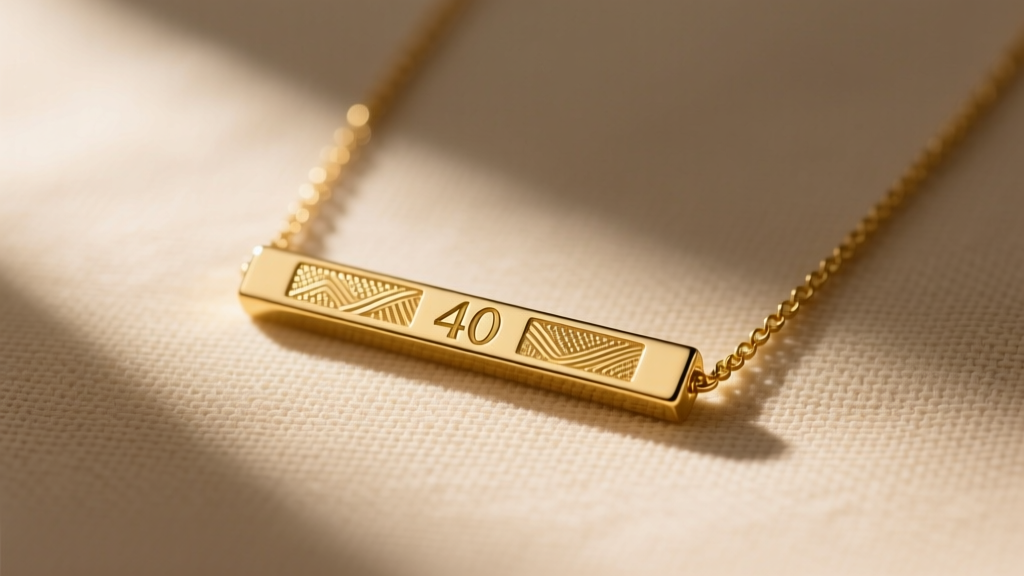
The horizontal bar pendant—frequently searched by enthusiasts and algorithm-driven shoppers as the barse necklace—has transcended its mid-2010s origins to become a foundational pillar of modern jewelry wardrobes. In 2026, the aesthetic has matured significantly. We are moving away from the ultra-thin, fragile bars of the past decade toward architectural, weighted silhouettes that offer substantial presence without sacrificing minimalism. Whether you refer to it by its industry term (the horizontal bar pendant) or its viral search moniker, mastering this style requires an understanding of metallurgy, proportional layering, and structural durability.
The Anatomy of the Perfect Barse Necklace
Not all bar pendants are created equal. The difference between a piece that lays perfectly against the collarbone and one that constantly flips or bends comes down to precise millimeter dimensions and weight distribution.
Dimensional Sweet Spots
- Length: The 2026 standard for a barse necklace is between 35mm and 45mm. Anything under 30mm reads as a small dash rather than a statement bar, while anything over 50mm risks catching on clothing and bending.
- Thickness (Gauge): Avoid bars thinner than 1.5mm. The ideal thickness for daily wear is 2.5mm to 3.5mm. This provides enough rigidity to resist warping when the chain is pulled or snagged.
- Weight: A high-quality solid gold bar pendant should weigh between 2.5 grams and 4.5 grams. This weight is crucial for keeping the pendant anchored to the chest rather than floating up toward the collarbone.
Chain Pairing Mechanics
The chain must support the pendant's weight without overpowering it. A 1.2mm box chain or a 1.0mm cable chain offers the best tensile strength while maintaining a delicate visual profile. According to the Jewelers of America, matching the chain's tensile strength to the pendant's gram weight is the primary factor in preventing chain elongation and clasp failure over time.
2026 Trend Analysis: How the Bar Pendant is Evolving
According to recent runway analyses and street style reports documented by Vogue, the minimalist jewelry sector is shifting toward "tactile luxury." The high-polish, mirror-finish bars that dominated the last five years are being replaced by textures that catch the light in more nuanced ways.
"The 2026 jewelry landscape favors pieces that look discovered rather than manufactured. Hammered finishes, matte brushed metals, and asymmetric soldering are redefining the classic bar silhouette."
Key Trend Variations
- The Hammered Finish: A dimpled, hand-hammered texture on a 14k yellow gold bar creates organic light reflection, making the piece look artisanal and bespoke.
- Asymmetric Placement: Instead of soldering the chain to the exact left and right edges of the bar, designers are attaching the chain at the 1/3 and 2/3 marks, or even suspending the bar vertically off-center for a modern, avant-garde look.
- Two-Tone Integration: A 14k yellow gold horizontal bar suspended on a white gold or platinum chain is a massive trend for 2026, offering built-in contrast that bridges mixed-metal wardrobes.
Material Grades and Pricing Matrix
When investing in a barse necklace, understanding the metallurgy is critical. Pure 24k gold is too soft for a rigid bar pendant; it will bend under the slightest pressure. Therefore, alloyed metals are not just a cost-saving measure—they are a structural necessity.
| Material Grade | Composition & Durability | Estimated Price Range (USD) | Best For |
|---|---|---|---|
| Gold Vermeil | Sterling silver base with 2.5µm+ gold plating. Prone to wear on high-friction edges. | $45 - $95 | Occasional wear, trend-testing |
| 10k Solid Gold | 41.7% gold. Highly rigid and scratch-resistant, but lacks the deep yellow hue of higher karats. | $130 - $190 | Strict budgets, high durability |
| 14k Solid Gold | 58.3% gold. The industry standard. Perfect balance of rich color and structural rigidity for a 2.5mm bar. | $260 - $480 | Daily wear, heirloom quality |
| 18k Solid Gold | 75% gold. Richer color but softer. Requires a thicker 3.5mm+ gauge to prevent bending. | $550 - $890 | Luxury collectors, special occasions |
| Platinum 950 | 95% platinum. Extremely dense and heavy. Will not tarnish, develops a desirable patina over time. | $950 - $1,500+ | Hypoallergenic needs, lifetime wear |
Layering Mathematics: The 2-Inch Rule
The barse necklace is a masterclass in layering, but only if you respect spatial geometry. The horizontal line of the bar acts as a visual anchor, meaning any accompanying necklaces must follow the 2-inch drop rule to prevent tangling and visual clutter.
The Ultimate 2026 Stack
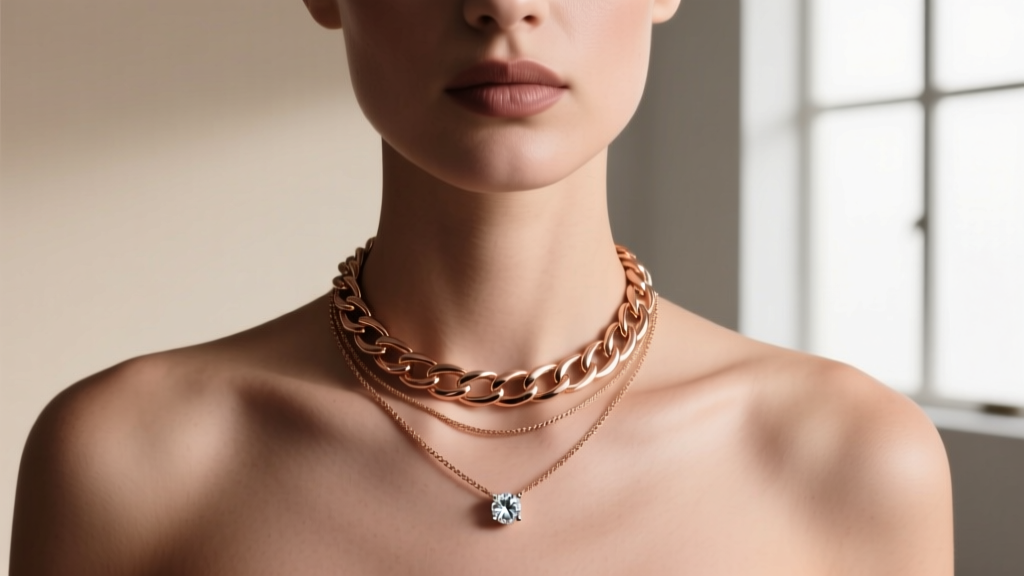
- Base Layer (16 inches): A 35mm barse necklace in 14k yellow gold on a 1.0mm cable chain. Sits right at the collarbone.
- Mid Layer (18 inches): A 5mm or 6mm bezel-set diamond or sapphire solitaire on a 0.9mm chain. The round stone contrasts perfectly with the horizontal bar.
- Anchor Layer (20 inches): A 3mm paperclip chain with no pendant. The elongated links of the paperclip chain echo the linear geometry of the bar pendant while adding textural depth.
Neckline Pairing Frameworks
Because the barse necklace relies on clean, geometric lines, it interacts very specifically with different garment necklines. Here is how to style it for maximum impact:
- The Deep V-Neck: Opt for a longer 20-inch or 22-inch bar pendant. The horizontal bar will intersect the diagonal lines of the V-neck, creating a visually striking geometric contrast that draws the eye downward.
- The Crew Neck / T-Shirt: Stick to a 16-inch choker length or an 18-inch princess length. The bar should rest entirely on the skin, just above the fabric line, acting as a sharp, metallic collar.
- Off-the-Shoulder / Boat Neck: This is where the barse necklace shines brightest. A 45mm bar pendant on an 18-inch chain will lay horizontally across the exposed expanse of the collarbone and upper chest, mimicking and enhancing the horizontal line of the garment.
Common Failure Points and Maintenance
Despite their simple appearance, bar pendants present unique structural challenges. Being aware of these failure modes will save you from costly repairs.
The Clasp Imbalance Issue
Many mass-produced barse necklaces use tiny 5mm spring ring clasps. Because a solid gold bar pendant is front-heavy, the chain will naturally slide around the neck, bringing the clasp to the front. A spring ring is too small and light to act as a counterbalance. The Fix: Always ensure your necklace features a 10mm or 12mm lobster claw clasp. The extra weight of the lobster clasp at the nape of the neck acts as a counterweight, keeping the pendant centered on your chest.
The Sweater Snag and Bend
A 1.5mm thick bar pendant is highly susceptible to bending if caught in the loop of a knit sweater or a scarf. Once a solid gold bar is bent, it is difficult to straighten without stressing the solder points where the chain attaches, which can lead to micro-fractures. If you plan to wear your barse necklace during the winter or with textured knits, mandate a minimum thickness of 3.0mm and inspect the solder rings annually for stress fatigue.
By prioritizing structural integrity, precise dimensions, and intelligent layering, the barse necklace transitions from a fleeting internet trend into a permanent, versatile cornerstone of your fine jewelry collection.


