2026 BaubleBar Charm Necklace Buying Guide & Review
Discover what to look for in a BaubleBar charm necklace. Our 2026 buying guide covers materials, plating longevity, chain types, and styling tips.

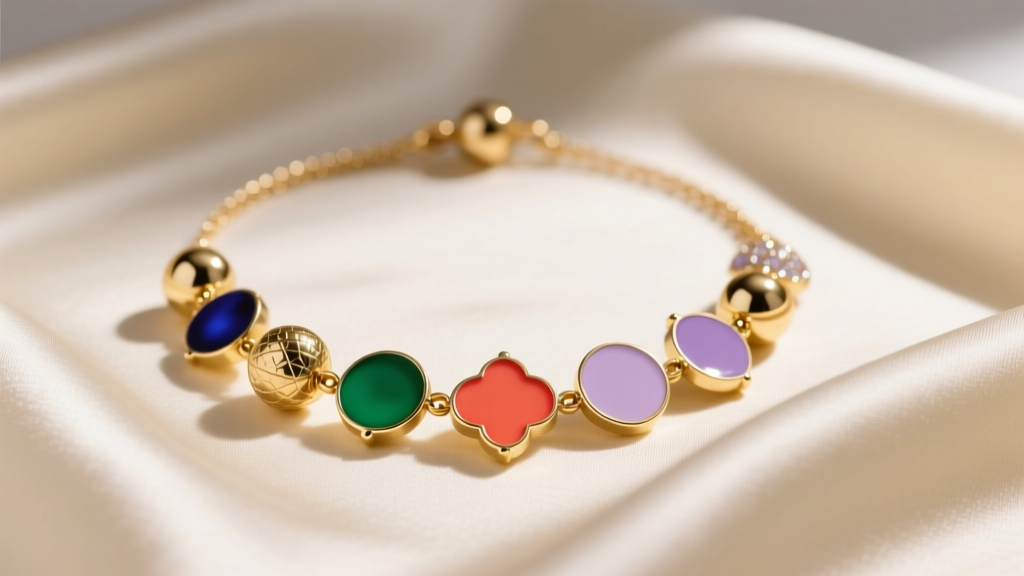
Why BaubleBar Charm Necklaces Dominate Trend Jewelry
When it comes to accessible, trend-driven jewelry, the baublebar charm necklace has cemented itself as a staple in modern accessorizing. Known for their playful aesthetics, personalized initial pendants, and vibrant zodiac motifs, these pieces bridge the gap between costume jewelry and demi-fine accessories. However, shopping for fashion jewelry requires a different set of expectations and analytical skills than buying solid gold or platinum. In this comprehensive 2026 buying guide, we dissect the metallurgy, chain mechanics, and long-term durability of BaubleBar's charm offerings so you can make an informed purchase.
Decoding the Materials: Brass, Plating, and Enamel
To understand the lifespan of your jewelry, you must first understand its core composition. BaubleBar primarily utilizes a brass base metal coated in 14k gold plating, accented with cubic zirconia (CZ) and cold enamel.
The Reality of Gold Plating
According to the Federal Trade Commission Jewelry Guides, the term 'gold plated' refers to a microscopic layer of gold applied via electroplating. In the realm of fashion jewelry, this layer typically ranges from 0.1 to 0.3 microns in thickness. By contrast, fine vermeil requires a minimum of 2.5 microns. Because the plating on a baublebar charm necklace is relatively thin, it is highly susceptible to friction wear, particularly at the back of the neck where the chain rubs against the skin and clothing.
Epoxy Enamel vs. Vitreous Enamel
The signature colorful charms are crafted using cold enamel, which is technically an epoxy resin rather than traditional kiln-fired vitreous glass enamel. Epoxy resin allows for the vibrant, opaque colors and intricate details seen in their fruit, animal, and initial charms. However, it is important to note that epoxy is softer than glass. If dropped onto a hard surface like porcelain or tile, the enamel can chip or dent. Furthermore, prolonged exposure to direct UV sunlight over several years can cause white or pastel epoxy resins to yellow slightly.
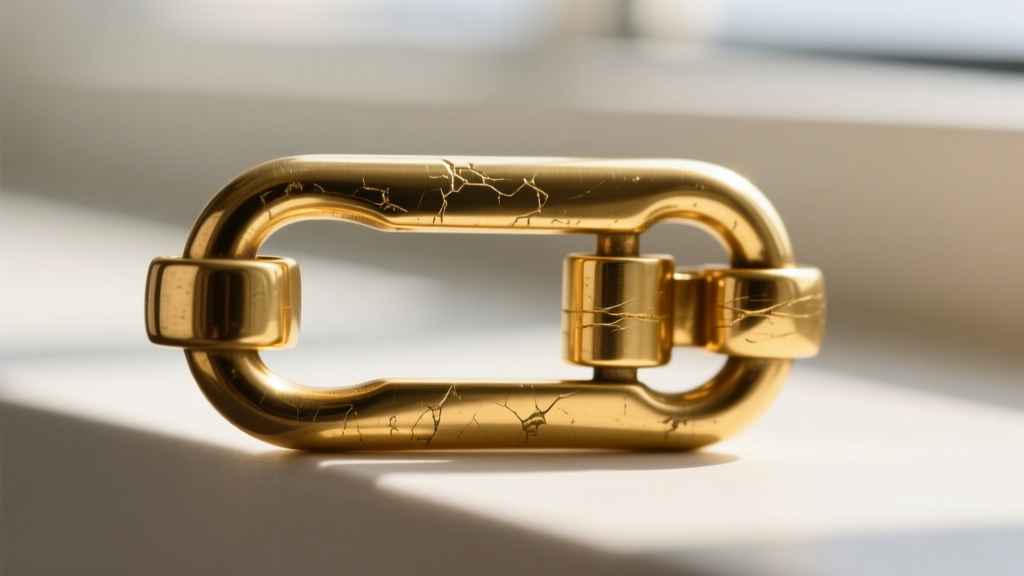
Chain Mechanics and Clasp Failure Points
The chain and clasp are the structural backbone of any pendant necklace. BaubleBar typically employs 1.2mm to 1.5mm cable chains or paperclip chains, finished with standard lobster clasps.
- Cable Chains: Excellent for lightweight, single charms. The uniform round links distribute tension evenly but can tangle easily if stored improperly.
- Paperclip Chains: Offer a more modern, elongated link structure that resists tangling and provides a chunkier aesthetic without adding significant weight.
- Lobster Clasps: The internal mechanism of a lobster clasp relies on a tiny steel spring. Because the exterior is gold-plated brass, exposure to moisture can cause the internal steel spring to oxidize and seize, rendering the clasp stuck. Always remove your necklace before swimming or showering to protect this mechanism.
Expert Tip: The weakest point on any charm necklace is the jump ring connecting the clasp to the chain. If you purchase a heavy multi-charm piece, gently squeeze the jump ring split shut with jewelry pliers to prevent accidental unhooking.
Charm Weight and Proportion Framework
Choosing the right baublebar charm necklace isn't just about the design; it's about how the weight of the charm interacts with the chain gauge and your neckline. A charm that is too heavy for a delicate chain will cause the links to stretch and eventually snap. Use the table below to match your charm style to the appropriate chain and neckline.
| Charm Style | Average Weight | Recommended Chain Type | Ideal Neckline Pairing |
|---|---|---|---|
| Small Initial / Birthstone | 1.5 - 2.5 grams | 1.2mm Delicate Cable | V-Neck, Scoop Neck, Button-down |
| Medium Zodiac / Motif | 3.0 - 5.0 grams | 1.5mm Standard Cable | Crew Neck, Boat Neck, Blazer Lapel |
| Large Enamel / Multi-Charm | 6.0 - 10.0+ grams | Paperclip or Box Chain | High Neck, Turtleneck, Maxi Dress |
For a deeper understanding of how different gold alloys and plating bases affect jewelry weight and durability, the Gemological Institute of America (GIA) offers extensive resources on gold jewelry manufacturing standards.
Maintenance: Preventing Tarnish and the 'Green Neck'
The most common complaint regarding fashion jewelry is the dreaded 'green neck' phenomenon. This is not an allergic reaction, nor is it a sign of toxic materials. It is a simple chemical reaction. Brass is an alloy composed primarily of copper and zinc. When the gold plating wears away at high-friction areas, the exposed copper reacts with the acidic pH of human sweat and the salts in your skin, creating copper chloride—a harmless green salt that transfers to your collarbone.

Actionable Care Routine
To maximize the lifespan of your baublebar charm necklace and prevent the copper oxidation process, implement the following maintenance protocol:
- The Clear Polish Hack: For rings and bracelets, clear nail polish is a common barrier. However, on a necklace chain, this will make the links stiff and sticky. Instead, rely on proper storage.
- Silica Gel Storage: Store your necklace in an airtight ziplock bag with a small silica gel packet. Moisture in the air is the primary catalyst for brass tarnishing and epoxy degradation.
- The 'Last On, First Off' Rule: Always put your necklace on after applying perfumes, lotions, and hairspray. The alcohol and chemical solvents in cosmetics will strip the 14k gold plating rapidly.
- Gentle Polishing: Use a dry, untreated microfiber cloth to wipe down the chain and charms after each wear to remove skin oils. Avoid liquid jewelry dips or abrasive polishing pastes, as these will remove the gold plating entirely, exposing the raw brass underneath.
Final Verdict: Are They Worth the Investment?
If you are evaluating a baublebar charm necklace as a generational heirloom or a permanent daily-wear piece meant to withstand showers and gym sessions, you will be disappointed. However, if you approach it as a high-quality trend accessory designed to elevate your seasonal wardrobe, the value proposition is exceptional. Priced generally between $48 and $128, these necklaces offer intricate, joyful designs that fine jewelry brands simply do not produce. By understanding the material limitations and practicing mindful maintenance, your charm necklace will remain a vibrant, tarnish-free staple in your jewelry box for years to come.


