Beaded Clay Necklaces: Polymer vs Ceramic Properties
Compare polymer, air-dry, and ceramic beaded clay necklaces. Discover material properties, durability, sealing techniques, and stringing essentials.

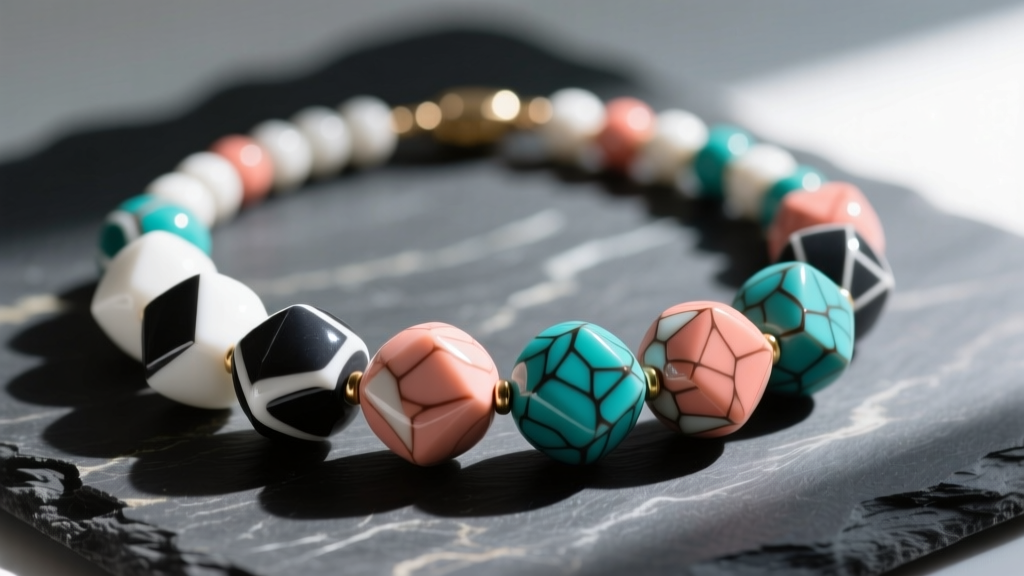
The Evolution of Clay in Contemporary Jewelry
The resurgence of artisanal jewelry has pushed beaded clay necklaces to the forefront of contemporary accessory design. However, not all clay is created equal. When evaluating beaded clay necklaces from a material science perspective, jewelers and collectors must understand the distinct chemical matrices, structural tolerances, and environmental vulnerabilities of the medium. Unlike cast metals or faceted gemstones, clay beads are highly susceptible to their specific curing processes and sealing protocols. This guide deconstructs the three primary clay matrices used in modern necklace making—polymer, air-dry, and kiln-fired ceramic—to provide a definitive framework for material selection, hardware pairing, and long-term care.
Deconstructing the Big Three Clay Matrices
Polymer Clay (Plastisol Matrix)
Polymer clay is not a true earthen clay; it is a synthetic modeling material based on polyvinyl chloride (PVC) resin suspended in a plasticizer matrix with added pigments. Brands like Sculpey and Fimo dominate this space. When baked at precise temperatures (typically 275°F / 135°C), the PVC particles fuse into a solid, flexible plastisol. The primary advantage of polymer clay in beaded necklaces is its exceptional color fidelity and lightweight nature. A 20mm polymer bead weighs a fraction of its ceramic counterpart, allowing for oversized, statement-making necklace designs without causing neck strain. However, polymer clay has a low Mohs hardness (around 2.0 to 2.5), making it prone to surface scratching if tumbled or stored improperly alongside metal hardware.
Air-Dry Clay (Cellulose & Binder Matrix)
Air-dry clays rely on the evaporation of water to cure, utilizing a matrix of natural clays, cellulose fibers, and synthetic binders. Because they cure through dehydration, air-dry clay beads experience significant volumetric shrinkage—often between 10% and 15%. This shrinkage can cause warping or micro-fractures in beads thicker than 15mm. From a structural standpoint, air-dry clay is highly porous and inherently water-soluble even after curing. If a beaded clay necklace made from unsealed air-dry clay is exposed to high humidity or perspiration, the beads will absorb moisture, soften, and eventually degrade. Therefore, air-dry clay requires rigorous, multi-layer sealing protocols to be viable for wearable jewelry.
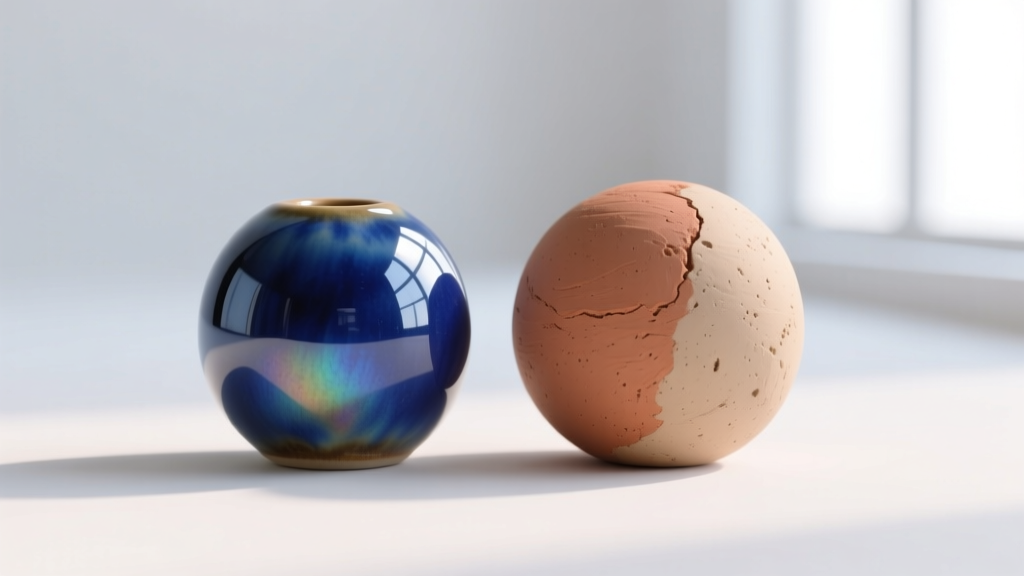
Kiln-Fired Ceramic (Silicate Matrix)
True ceramic and stoneware clays are inorganic, earth-derived silicates that undergo a permanent chemical transformation (vitrification) when fired in a kiln at temperatures exceeding 1,800°F (980°C). Ceramic beads are the most durable and heaviest option for beaded clay necklaces. The vitrification process renders high-fire stoneware completely non-porous and waterproof, even without a glaze. However, the extreme hardness of ceramic (Mohs 6.0 to 7.0) introduces a unique mechanical challenge: the edges of the drilled bead holes can be microscopically sharp and abrasive, capable of fraying and snapping standard beading wires over time if not properly managed.
Material Comparison Matrix
When sourcing or designing beaded clay necklaces, refer to this comparative matrix to align material properties with your specific design requirements and price points.
| Property | Polymer Clay (PVC) | Air-Dry Clay (Cellulose) | Ceramic / Stoneware |
|---|---|---|---|
| Base Composition | PVC Resin & Plasticizers | Earth Clay & Cellulose | Silicates & Fluxes |
| Curing Method | Oven Bake (275°F) | Evaporation (72+ Hours) | Kiln Fire (1800°F+) |
| Water Resistance | High (Inherently Waterproof) | None (Requires Sealant) | Maximum (Vitrified) |
| Average Bead Weight | Very Light | Light | Heavy |
| Impact Durability | Moderate (Can Snap if Thin) | Low (Brittle when dry) | High (Shatters on hard impact) |
| Retail Price Range | $15 - $45 | $10 - $30 | $35 - $120+ |
Stringing Mechanics and Hardware Tolerances
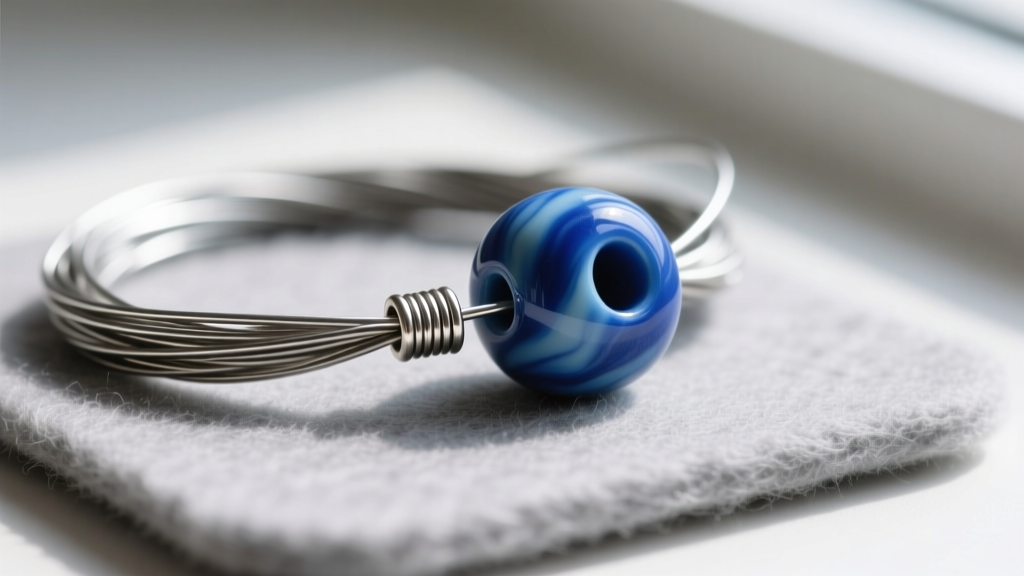
The structural integrity of beaded clay necklaces relies heavily on matching the stringing material to the clay's specific hole morphology. According to jewelry supply authorities like Rio Grande, selecting the correct wire gauge and strand count is critical for preventing catastrophic necklace failure.
- Polymer Clay Pairings: Polymer beads typically feature smooth, cleanly drilled holes. A 0.015-inch or 0.018-inch 49-strand stainless steel beading wire (such as Soft Flex) is ideal. The 49-strand construction provides the necessary drape for lightweight polymer beads while resisting kinking.
- Ceramic Clay Pairings: Because kiln-fired ceramic beads often possess abrasive, unglazed hole interiors, standard steel wire will eventually suffer from metal fatigue and snap. For ceramic beaded clay necklaces, jewelers must use wire guards (French wire) at the clasp, or opt for high-tensile synthetic cords like 1mm to 2mm braided nylon or hemp, which resist abrasion far better than metal wire.
- Air-Dry Clay Pairings: Due to the inherent fragility of air-dry clay, heavy wire can act as a saw against the bead hole during wear. Use flexible, lightweight silk cord or 0.8mm leather thong, and always utilize soft knotting techniques rather than harsh metal crimp beads, which can crush the delicate clay matrix when compressed.
Sealing Protocols and Chemical Failure Modes
The most common point of failure in artisanal clay jewelry is improper sealing. Understanding the chemical interactions between clay matrices and finishing agents is a hallmark of professional jewelry design.
The Aerosol Spray Mistake
A critical rule in polymer clay jewelry, widely documented by experts at Polymer Clay Web, is to never use aerosol spray varnishes. The propellants and solvents in aerosol sprays react with the plasticizers in the PVC clay, preventing the varnish from ever fully curing. This results in a permanently tacky, sticky surface that attracts dust and degrades the aesthetic of the beaded clay necklace. Instead, professionals use brush-on, water-based polyurethanes (such as Varathane) or UV-curing jewelry resins.
UV Resin Doming for Air-Dry Clay
Because air-dry clay is essentially a sponge for ambient moisture, standard varnishes are often insufficient for pieces worn close to the skin. The most robust sealing protocol involves coating the beads in a two-part epoxy resin or a thick layer of UV jewelry resin. This creates an impermeable, glass-like shell that completely isolates the cellulose matrix from sweat, humidity, and cosmetic oils, transforming a fragile craft bead into a durable jewelry component.
Wearability and Skin Safety Considerations
When evaluating beaded clay necklaces for sensitive skin, the clay itself is rarely the culprit for contact dermatitis; rather, it is the findings and sealants. Fully cured, high-quality polymer clay is inert and generally hypoallergenic. However, cheap, off-brand polymer clays may contain unlisted heavy metal pigments or excess plasticizers that can leach when exposed to the acidic pH of human sweat. Always source beads made from certified, non-toxic polymer brands. For ceramic beads, ensure the glazes used are lead-free and food-safe, as vintage or improperly formulated artisan glazes can sometimes contain soluble heavy metals. By mastering these material properties, stringing mechanics, and sealing protocols, collectors and designers can ensure their beaded clay necklaces remain vibrant, structurally sound, and safe for everyday wear.


