Material Guide: Choosing the Perfect Beaded Rope Necklace
Discover how cord and bead materials impact the drape, durability, and style of your beaded rope necklace. Compare silk, nylon, gemstones, and glass.

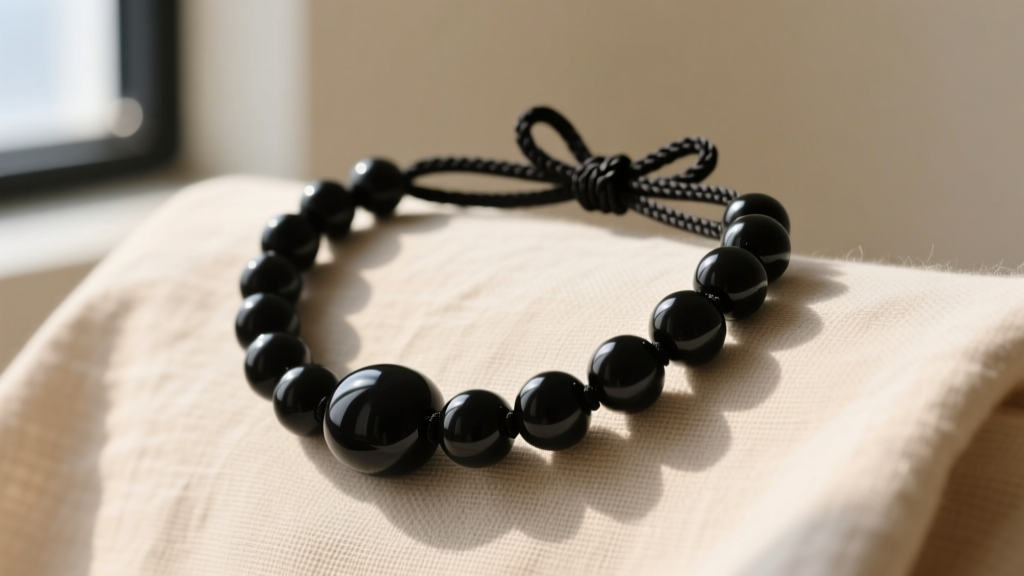
The Anatomy of a Beaded Rope Necklace
As we navigate the jewelry landscape of 2026, the industry is seeing a massive resurgence in tactile, artisanal pieces. Among these, the beaded rope necklace remains a staple of versatile styling. Unlike standard chokers or princess-length chains, a true rope necklace typically measures between 30 and 45 inches, designed to be worn long, doubled up, or knotted. However, the longevity, drape, and overall value of these pieces are entirely dictated by their foundational materials. Whether you are evaluating a vintage estate piece or commissioning a custom design, understanding the interplay between the cord (the "rope") and the beads is critical. This guide breaks down the specific material properties, gauge sizes, and failure modes you need to know before investing in a beaded rope necklace.
The Core: Comparing Rope and Cord Materials
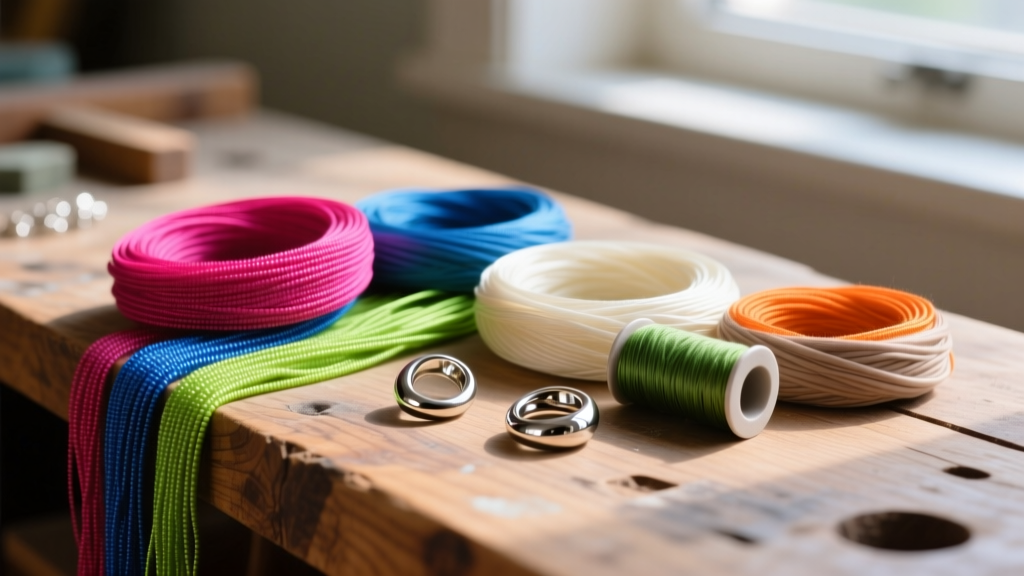
The structural integrity of any beaded necklace relies on its core threading material. The choice of cord dictates how the necklace drapes against the collarbone, how it handles the weight of the beads, and how it resists environmental wear.
Silk Thread: The Traditional Standard
Historically, 100% silk thread has been the gold standard for high-end beaded rope necklaces, particularly for pearls and lightweight gemstones. Silk offers an unparalleled, fluid drape that synthetic materials struggle to mimic. For standard 6mm to 8mm beads, jewelers typically use Size D (0.30mm) or Size F (0.60mm) silk. The primary advantage of silk is its ability to hold traditional hand-knots securely between each bead, which prevents bead-on-bead abrasion and limits loss if the strand breaks. However, silk is a natural protein fiber; it is highly susceptible to degradation from acidic sweat, cosmetics, and UV exposure. A silk-strung rope necklace worn daily against the skin will typically require professional restringing every 18 to 24 months.
Nylon and Synthetic Cords: The Modern Workhorse
For heavy gemstones or pieces intended for frequent, low-maintenance wear, synthetic nylon cords like C-Lon or Super-Lon are the superior choice. These cords are engineered with high tensile strength and do not stretch or degrade when exposed to moisture and skin oils. A standard 0.50mm to 0.90mm nylon cord can support substantial weight without snapping. While nylon lacks the buttery drape of silk, it provides a slightly more structured, modern silhouette. According to the Fire Mountain Gems Jewelry Making Encyclopedia, synthetic cords are also highly resistant to fraying when passed through the sharp edges of drilled crystals or metallic beads.
Beading Wire: Structure and Drape
When a beaded rope necklace requires a stiff, unyielding structure—often seen in heavy metal or large-scale geometric bead designs—jewelers turn to multi-strand stainless steel beading wire coated in nylon. A 49-strand .019-inch wire (such as Soft Flex) offers the best compromise between tensile strength and flexibility. However, wire has a critical failure mode: kinking. Once a beading wire kinks, the structural integrity of the nylon coating is compromised, and the steel core will eventually snap under the tension of a heavy rope necklace.
The Beads: Gemstone vs. Glass vs. Acrylic
The beads themselves contribute significantly to the necklace's weight, which in turn dictates the required cord strength. We evaluate bead materials primarily through the Mohs Hardness Scale and specific gravity (weight).
| Bead Material | Mohs Hardness | Specific Gravity (Weight) | Best Cord Pairing | Avg. Price per 16" Strand |
|---|---|---|---|---|
| Natural Quartz/Gemstone | 7.0 | 2.65 (Medium-Heavy) | Nylon (0.70mm) or 49-strand Wire | $25 - $85 |
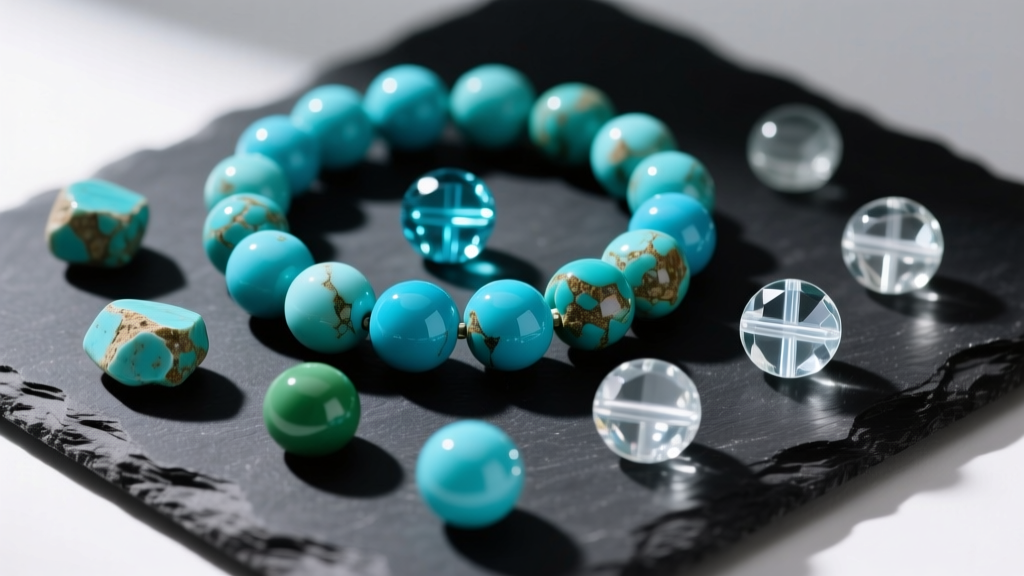
| Turquoise / Lapis Lazuli | 5.0 - 6.0 | 2.70 (Medium) | Knotted Silk (Size F) or Nylon | $40 - $120 |
| Czech Glass Rounds | 5.5 - 6.5 | 2.50 (Medium) | Silk (Size D) or Nylon | $8 - $20 |
| Acrylic / Resin | 2.0 - 3.0 | 1.18 (Very Light) | Silk (Size D) or thin Nylon | $3 - $10 |
As noted by the Gemological Institute of America (GIA), understanding the hardness of your beads is vital for long-term care. A beaded rope necklace featuring natural quartz (Mohs 7) will easily scratch adjacent glass or acrylic beads if they are not separated by knots or metal spacer beads. Furthermore, porous gemstones like turquoise require careful consideration, as they can absorb oils from synthetic cords or skin, altering their color matrix over time.
Durability and Failure Modes: What Breaks First?
Even the most expensive beaded rope necklace is only as strong as its weakest component. When evaluating vintage pieces or assessing the quality of a new purchase, look out for these specific failure modes:
- The Crimp Bead Shear: On wire-strung necklaces, the metal crimp bead used to secure the clasp can act like a guillotine. If the crimp is squeezed too tightly with improper pliers, it cuts into the nylon coating of the beading wire, leading to a sudden snap at the clasp.
- Sweat Rot on Silk: Silk thread absorbs human perspiration, which contains salts and urea. Over time, this acidic environment rots the protein structure of the silk. If you gently pull a vintage silk-strung necklace and the thread feels brittle or stretches unevenly, it is imminent failure.
- UV Degradation of Acrylic: While acrylic beads are incredibly lightweight—making them ideal for massive, 40-inch statement rope necklaces—they are highly susceptible to UV yellowing and clouding. Prolonged sun exposure will permanently ruin the optical clarity of cheap resin beads.
- Drill Hole Abrasion: Poorly drilled gemstone beads often have sharp, unpolished inner edges at the drill hole. When strung on soft silk without protective knots, the stone acts as a saw, slowly cutting through the cord from the inside out.
Pricing Tiers and Value Retention
The pricing of a beaded rope necklace is rarely just about the cost of the raw materials; it heavily factors in the labor intensity of the stringing technique. A 36-inch rope necklace featuring hand-knotted silk between 150 individual 6mm gemstone beads requires hours of meticulous bench work. Consequently, labor can account for 40% to 60% of the retail price in high-end artisan pieces.
Pro-Tip for Buyers: When purchasing a luxury gemstone beaded rope necklace, always inspect the clasp mechanism. A high-quality piece will feature a French wire (gimp) protector where the silk loops through the metal clasp ring, preventing the metal from slicing the thread. If a $500 necklace lacks this basic protection, it is a red flag regarding the jeweler's craftsmanship.
Final Verdict: Matching Material to Lifestyle
Choosing the right beaded rope necklace comes down to aligning the materials with your lifestyle. If you desire a fluid, elegant drape for occasional evening wear and are willing to commit to bi-annual restringing, a hand-knotted silk and natural gemstone combination is unmatched in luxury and movement. Conversely, if you want a durable, "put it on and forget it" piece for daily layering that can withstand humidity, travel, and active wear, opt for a heavy-denier nylon cord strung with Czech glass or polished quartz. By understanding the physical properties of these materials, you can confidently select a beaded rope necklace that not only looks stunning but stands the test of time.


