How to Choose a Multi Gemstone Necklace in Gold: Material Guide
Discover how to choose the perfect multi gemstone necklace in gold. Compare 14k vs 18k gold, gemstone hardness, and setting durability for everyday wear.

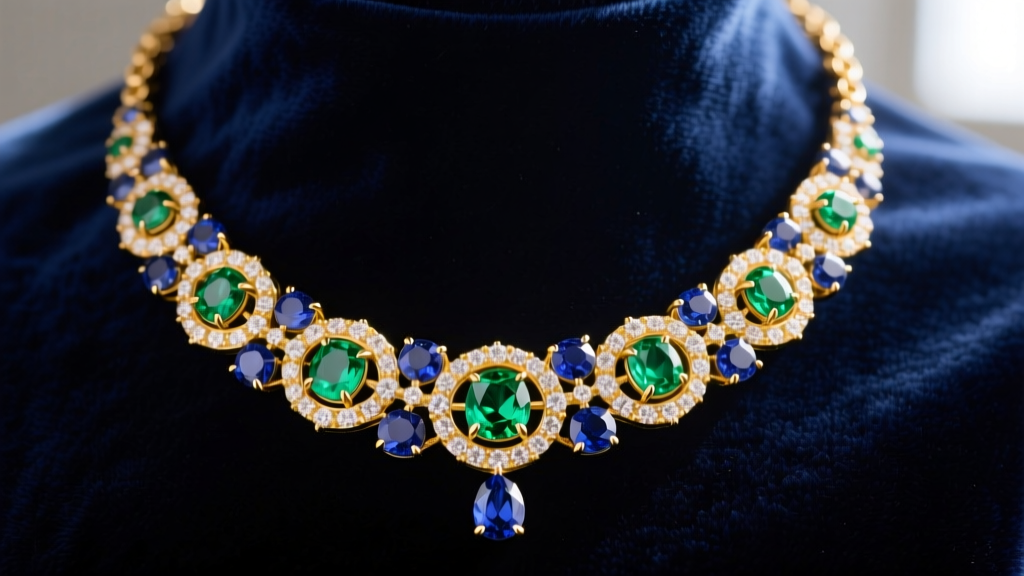
The Metallurgy of Gold: 14k vs. 18k vs. 22k for Multi-Stone Settings
Selecting the right multi gemstone necklace in gold requires more than just an eye for color coordination; it demands a fundamental understanding of metallurgy and gemological physics. When multiple gemstones are set into a single piece, the structural integrity of the gold alloy becomes the primary defense against stone loss, metal fatigue, and galvanic degradation. Gold in its pure 24k state is far too malleable for jewelry, possessing a yield strength of roughly 50 MPa. Therefore, alloying metals like copper, silver, zinc, and palladium are introduced to alter the tensile strength, color, and workability of the final piece.
For a multi gemstone necklace in gold, the karat weight dictates the longevity of the settings. 14k gold (58.5% pure gold) offers a yield strength of approximately 250 MPa, making it exceptionally resistant to bending and prong wear. 18k gold (75% pure gold) drops to around 150 MPa, offering a richer color and higher malleability, which is crucial for certain setting techniques. 22k gold (91.6% pure gold) is generally discouraged for complex multi-stone arrangements due to its high risk of deformation, which can silently loosen stones over time.
Gemstone Hardness and Gold Purity: A Compatibility Matrix
The most critical failure point in any multi gemstone necklace in gold is the mismatch between the gemstone's Mohs hardness and the gold alloy's tensile strength. Harder stones require secure, rigid settings, while softer, more brittle stones require protective, malleable bezels. Below is a structural compatibility matrix used by master jewelers to pair gold karats with specific gemstone profiles.
| Gold Karat | Gold Purity | Tensile Strength | Best Setting Type | Ideal Gemstone Hardness (Mohs) |
|---|---|---|---|---|
| 14k | 58.5% | High (~250 MPa) | Prong, Channel, Tension | 8.0 - 10.0 (Sapphire, Diamond, Topaz) |
| 18k | 75.0% | Medium (~150 MPa) | Bezel, Flush, Gypsy | 6.5 - 8.0 (Emerald, Opal, Garnet) |
| 22k | 91.6% | Low (~100 MPa) | Thick Bezel, Wire-Wrapped | 5.0 - 7.0 (Turquoise, Pearl, Lapis) |
According to the Gemological Institute of America (GIA), stones like emeralds (Mohs 7.5-8) possess significant internal inclusions (jardin) that make them highly susceptible to chipping. Setting an emerald in a rigid 14k prong setting risks fracturing the stone during the setting process or daily wear. Conversely, 18k gold's malleability allows a jeweler to burnish a bezel smoothly over the emerald's girdle without applying catastrophic pressure.
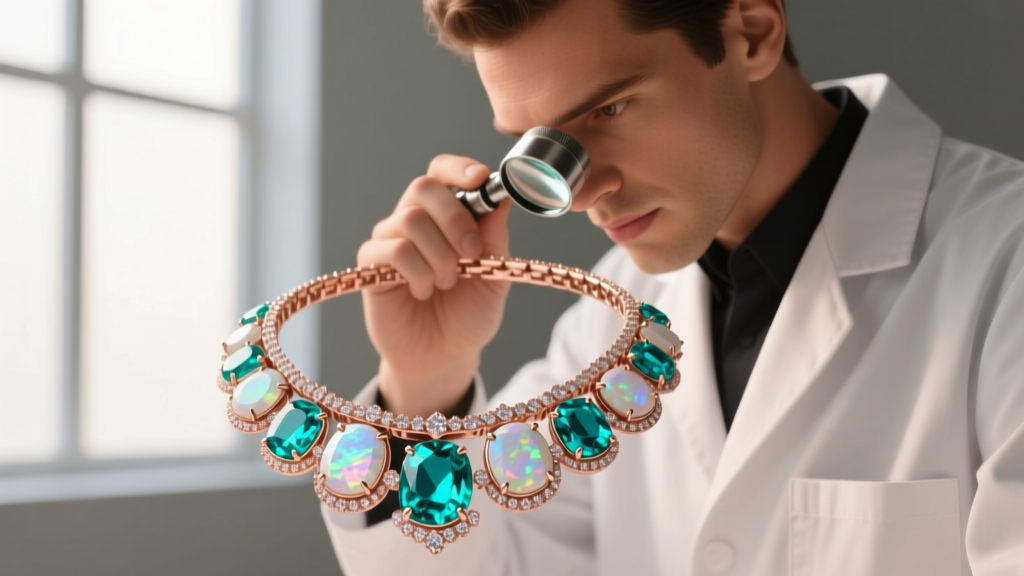
Setting Styles and Material Stress Points
The architecture of the setting must align with the physical properties of the chosen gold alloy. In a multi gemstone necklace in gold, you will often see a hybrid approach to settings to accommodate different stones within the same piece.
Prong Settings in Lower Karat Gold
Prong settings rely on the metal's 'memory' and tensile strength to grip the pavilion of the gemstone. 14k gold is the undisputed champion for prong settings in multi-stone necklaces. The higher concentration of copper and zinc creates a rigid lattice that resists the micro-abrasions of daily wear. If a multi-stone piece features diamonds or sapphires held by prongs, insist on 14k gold or 18k white gold (which is alloyed with nickel or palladium for added stiffness). Using 22k gold for prongs is a guaranteed path to stone loss, as the metal will stretch and pull away from the gemstone's crown over time.
Bezel and Channel Settings in High Karat Gold
Bezel settings require the metal to be pushed and folded over the edges of the gemstone. This demands high malleability. 18k yellow and rose gold are ideal here. The burnishing process work-hardens the 18k gold just enough to secure the stone while providing a seamless, protective metal halo. For multi gemstone necklaces featuring a mix of cabochon opals and faceted garnets, an 18k bezel setting protects the softer opals from impact while providing a luxurious, high-karat luster that complements the garnets' deep red hues.
Color Alloys: Yellow, Rose, and White Gold Properties
The color of your multi gemstone necklace in gold is not merely an aesthetic choice; it is a direct result of the alloy composition, which drastically affects the metal's durability and maintenance requirements.
- Yellow Gold: Typically alloyed with equal parts silver and copper. It is the most hypoallergenic of the colored golds and requires the least maintenance, though it is slightly softer than white gold alloys.
- Rose Gold: Achieves its pink hue through a high copper content (up to 22.25% in 18k rose gold). Copper increases the alloy's tensile strength, making rose gold surprisingly durable and resistant to denting. However, the high copper content can cause the metal to oxidize or darken slightly over decades if not periodically polished.
- White Gold: Alloyed with nickel, palladium, or manganese to strip the yellow hue. Most commercial white gold is plated with rhodium to achieve a bright, silvery finish. Expert Warning: Re-plating a multi gemstone necklace in white gold is highly risky. The electroplating baths and acidic pre-cleaning solutions can permanently strip the luster from porous stones like turquoise, pearls, or emeralds. If you desire a white metal for a multi-stone piece featuring porous gems, opt for 18k palladium-white gold, which is naturally white and requires no rhodium plating.
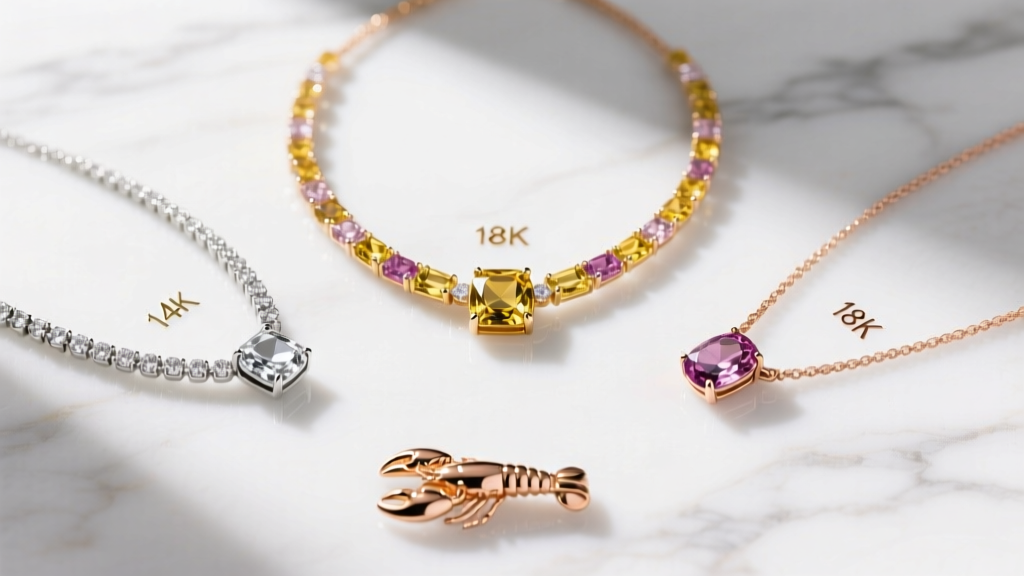
Real-World Pricing and Value Retention
When investing in a multi gemstone necklace in gold, the pricing structure is heavily weighted by the gold weight and the rarity of the primary gemstones. A standard 14k gold multi-stone pendant (approx. 3-5 grams) featuring semi-precious stones like amethyst, citrine, and blue topaz typically ranges from $450 to $850. Upgrading the same design to 18k gold will increase the base metal cost by roughly 35-40%, pushing the price to $700 - $1,200.
However, value retention favors 18k gold and high-Mohs gemstones. According to market data analyzed by the Jewelers of America, secondary market buyers and estate appraisers place a premium on 18k gold settings, particularly when paired with unheated sapphires or natural emeralds. 14k gold multi-stone pieces are viewed primarily as fashion or semi-fine jewelry, depreciating significantly once purchased, whereas 18k and 22k pieces retain intrinsic melt value and gemological prestige.
Expert Maintenance and Failure Prevention
The greatest threat to a multi gemstone necklace in gold is improper cleaning. Because these necklaces combine stones with vastly different physical and chemical properties, standard jewelry cleaning protocols can be disastrous.
- Avoid Ultrasonic Cleaners: The high-frequency vibrations can shatter included stones like emeralds and fracture opals. Furthermore, the vibrations can loosen the microscopic friction grips in channel settings.
- Beware of Steam Cleaning: Sudden thermal shock can cause thermally sensitive stones (like tanzanite or opal) to crack. Steam can also force moisture into the porous backing of turquoise or lapis lazuli, leading to internal discoloration.
- The Safe Cleaning Protocol: Use a soft, baby-hair brush with a mild solution of warm water and phosphate-free dish soap. Gently agitate the solution over the stones, rinse with lukewarm distilled water, and pat dry with a microfiber cloth. Never use chemical dips or silver polishes on gold alloys, as they can strip the copper and zinc from the surface layer, leaving the gold looking porous and dull.
By understanding the intricate relationship between gold metallurgy, setting architecture, and gemstone physics, you can select a multi gemstone necklace in gold that is not only visually breathtaking but structurally engineered to last generations.


