A Beginner's Guide to the Classic 1928 Cameo Necklace
Discover everything you need to know about the 1928 cameo necklace. Learn to identify authentic materials, spot fakes, and style this vintage classic.

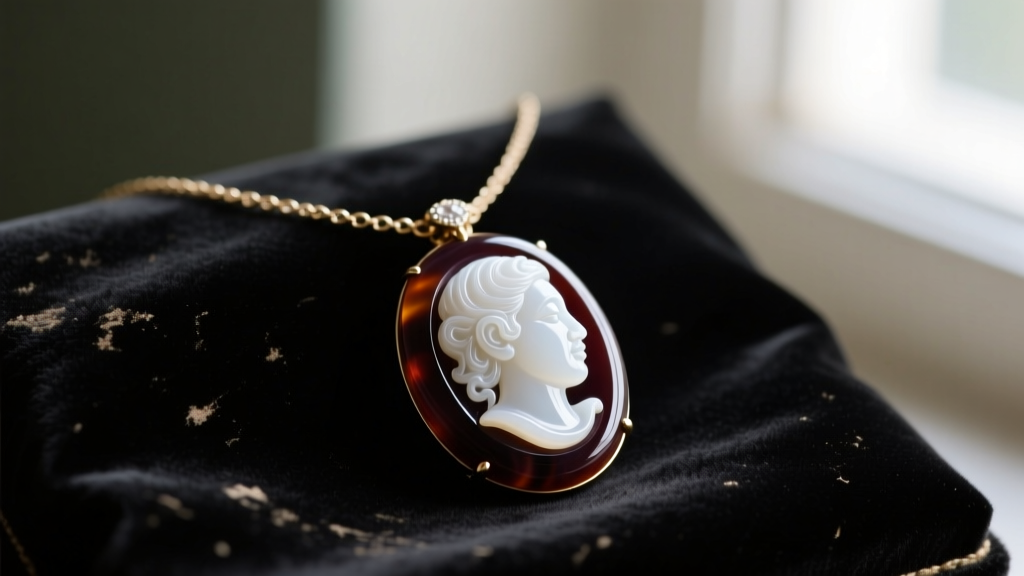
When you begin exploring vintage and vintage-inspired jewelry, few pieces capture the romantic imagination quite like the cameo. However, for newcomers, searching for a 1928 cameo necklace can lead to a confusing crossroads of history, branding, and material science. Are you looking for an authentic Art Deco antique from the actual year 1928, or are you seeking a piece from the famous '1928 Jewelry' brand? As a beginner, understanding this distinction is the most critical step in building a meaningful collection.
In this comprehensive guide, we will demystify the 1928 cameo necklace. We will break down the materials used, explain how to evaluate metal plating and carving quality, and provide actionable advice on how to style these timeless pieces for modern wardrobes in 2026.
The '1928' Distinction: Brand vs. Historical Era
The most common pitfall for beginner collectors is confusing the brand name with the historical era. Let us clarify this immediately:
- The Brand (1928 Jewelry): Founded in the 1970s, this American company chose the name '1928' to evoke the pinnacle of the Art Deco era and the roaring twenties. They specialize in vintage-inspired, mass-produced costume jewelry. A '1928 cameo necklace' usually refers to a reproduction piece made by this brand.
- The Era (1920s Antiques): True antique cameos from the 1920s were often carved from shell, lava stone, or agate, and set in gold-filled or sterling silver frames. These are significantly rarer and command much higher prices.
'The name 1928 was chosen to represent a year of opulence, high fashion, and the peak of Art Deco design, though the company itself was established decades later to recreate that specific aesthetic.' — 1928 Jewelry Official History
Material Breakdown: What is the Cameo Actually Made Of?
Whether you are buying a modern 1928 brand reproduction or an older vintage piece, the material of the cameo dictates its value, durability, and visual depth. According to the Gemological Institute of America (GIA), cameos have been carved from various organic and inorganic materials for centuries. Here is what you will typically encounter in the secondary market:
| Material | Carving Method | Durability | Typical Price Range |
|---|---|---|---|
| Molded Resin | Machine-molded | Moderate (Prone to scratching) | $25 - $45 |
| Carved Shell | Ultrasonic / Hand-carved | High (Requires hydration care) | $50 - $85 |
| Glass / Paste | Molded / Painted backing | Fragile (Chipping risk) | $30 - $60 |
| Lava Stone | Hand-carved (Historical) | Very High | $120 - $300+ |
Most contemporary 1928 brand necklaces utilize high-quality molded resin or glass. While resin lacks the microscopic striations of hand-carved shell, it allows for intricate, uniform detailing and pastel colorways that appeal to modern buyers.
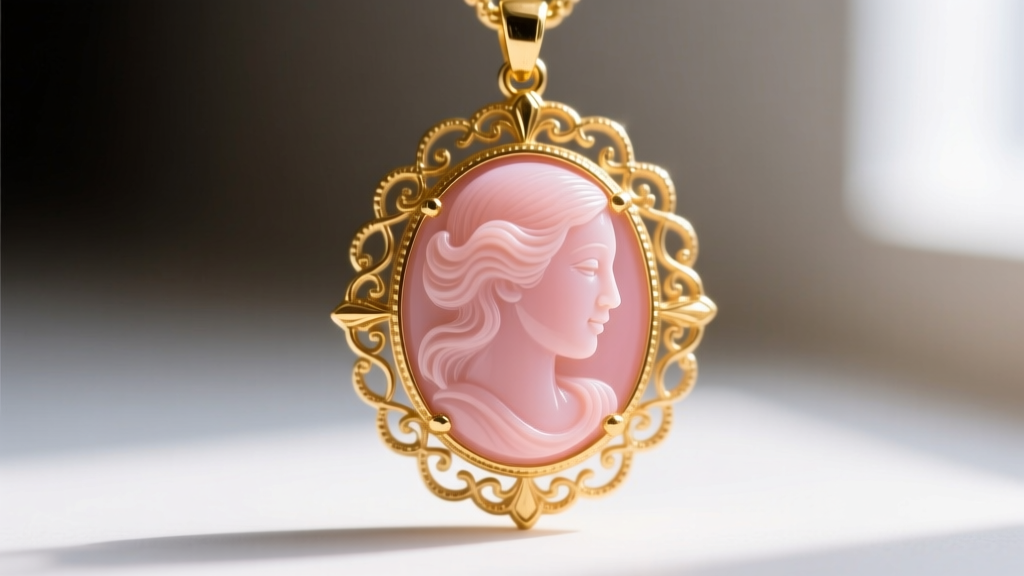
Evaluating Quality: Plating, Clasps, and Hallmarks
When inspecting a 1928 cameo necklace, the setting is just as important as the stone. Because the 1928 brand primarily produces costume jewelry, the metalwork relies on plating over base metals like brass or pewter.
Understanding Metal Plating
Look closely at the high-wear areas of the pendant bail and the chain links. If you see a brassy or coppery undertone shining through the gold, the piece has experienced 'flash plating' wear. Flash plating is incredibly thin (often less than 0.1 microns). Conversely, older or premium vintage lines may feature Heavy Gold Electroplate (HGE), which is marked and lasts significantly longer. Always check the back of the pendant for the hallmark; authentic 1928 brand pieces will typically feature a stamped '1928' logo, sometimes accompanied by a copyright symbol (©).
Clasp Mechanics
The clasp can help you date a vintage-inspired piece. Modern 1928 reproductions usually feature standard lobster clasps or spring-ring clasps. If you encounter a piece marketed as an 'antique 1920s cameo' but it has a modern lobster clasp and a perfectly uniform resin stone, you are likely looking at a modern reproduction.
Pricing Guide: What Should You Pay?
Navigating the secondary market (such as eBay, Poshmark, or Etsy) requires a firm grasp of current valuations. As of 2026, the vintage costume jewelry market has stabilized, making it an excellent time for beginners to acquire pieces without paying inflated pandemic-era premiums.
- Retail (New from Manufacturer): $35.00 - $75.00
- Secondary Market (1928 Brand, Excellent Condition): $20.00 - $45.00
- Secondary Market (1928 Brand, Missing Stones/Tarnished): $8.00 - $15.00 (Buy for parts or restoration)
- True 1920s Antique Shell Cameo (Gold-filled): $150.00 - $450.00+
For a beginner, targeting the $25 to $40 range on resale platforms will yield the best condition-to-price ratio for 1928 brand necklaces.

Styling Your Cameo in 2026
The days of treating a cameo necklace as a rigid, Victorian-era costume piece are over. Today's styling rules prioritize contrast and layering. Experts at Lang Antique's Antique Jewelry University often note that mixing historical motifs with contemporary silhouettes creates the most striking visual impact.
The Layering Technique
A standard 1928 cameo necklace usually hangs on a 16 to 18-inch chain. To modernize the look, pair it with a delicate 14-inch gold-filled choker and a longer 24-inch pendant chain. This creates a cascading effect that draws the eye downward and prevents the cameo from looking like a standalone relic.
Neckline Pairings
- V-Neck Blouses: The V-shape naturally frames the oval or rectangular shape of a cameo pendant.
- Crew Necks: Opt for a shorter, choker-length cameo to sit flush above the collar line.
- Off-the-Shoulder: A longer, dramatic cameo on a 20-inch chain resting against bare skin creates a romantic, editorial aesthetic.
Care and Maintenance for Longevity
Even high-quality costume jewelry requires specific care to prevent the base metal from oxidizing and the resin or shell from degrading.
- Avoid Ultrasonic Cleaners: Never place a resin, glass, or shell cameo in an ultrasonic jewelry cleaner. The high-frequency vibrations can cause microscopic fractures in resin and shatter glass.
- The Damp Cloth Method: To clean the carving, use a slightly damp microfiber cloth. For stubborn dirt in the crevices of the profile, use a dry, extra-soft makeup brush to gently sweep away debris.
- Storage is Critical: Base metal plating tarnishes when exposed to ambient humidity and sulfur in the air. Store your 1928 cameo necklace in an airtight ziplock bag with an anti-tarnish silica strip. Never store it loosely in a communal jewelry box where it can scratch softer pieces.
Final Thoughts for the Beginner Collector
Whether you are drawn to the accessible charm of a 1928 brand reproduction or the historical weight of a true 1920s antique, the cameo remains a masterclass in wearable art. By understanding the materials, recognizing the hallmarks, and styling the piece with modern intentionality, you can elevate this vintage staple into a cornerstone of your everyday jewelry rotation. Take your time, inspect the plating, and choose a profile that speaks to your personal aesthetic.


