How to Clean Gold Necklace Chains Without Scratching
Learn how to clean gold necklace chains, pendants, and clasps without scratching. Expert troubleshooting for tarnish, lotion buildup, and dullness.

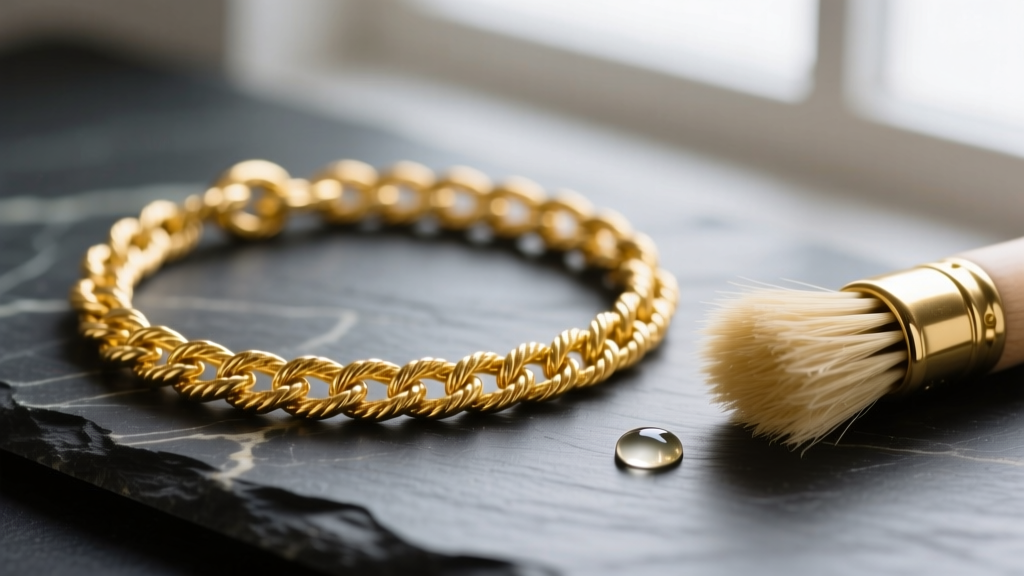
The Anatomy of Gold Necklace Grime
Before you can effectively troubleshoot a dull or tarnished piece of jewelry, you must understand the chemistry of what is actually dirty. Pure 24-karat gold is a noble metal; it does not react with oxygen or sulfur, meaning it will never tarnish. However, pure gold is far too soft (rating a mere 2.5 on the Mohs hardness scale) to be crafted into durable chain necklaces. To create wearable 10k, 14k, and 18k gold, jewelers alloy the pure gold with metals like copper, silver, nickel, and zinc. It is these secondary metals that are the culprits behind tarnish and discoloration.
Furthermore, necklaces sit directly against the skin, making them prime collectors of sebum (skin oils), dead epidermal cells, and cosmetic polymers from lotions and perfumes. According to the Gemological Institute of America (GIA), the combination of body oils and environmental sulfur creates a microscopic film that refracts light poorly, resulting in the "dull" appearance most clients complain about. In 2026, with the continued dominance of the layered necklace trend, chains are experiencing more friction and cosmetic buildup than ever before. Here is how to solve these issues methodically.
The 3-Step Deep Clean Method for Solid Gold
Forget harsh commercial dips and abrasive pastes. For solid gold chains (10k through 22k), a gentle, pH-balanced approach is the gold standard for preserving the metal's luster and protecting delicate chain weaves.
Step 1: The Degreasing Soak
Fill a small glass bowl with distilled water. Avoid tap water, as the chlorine and fluoride added to municipal water supplies can cause long-term micro-pitting in gold alloys. Warm the water to approximately 90°F (lukewarm to the touch). Add three drops of a pH-neutral liquid dish detergent, such as Dawn Ultra. Submerge your necklace completely. Allow it to soak for 15 to 20 minutes. This dwell time is critical; it allows the surfactants to break the surface tension of the sebum and cosmetic oils trapped in the chain links without requiring aggressive mechanical scrubbing later.
Step 2: Agitation and Detailing
After soaking, remove the necklace and lay it flat on a clean microfiber towel. Using an extra-soft baby toothbrush (never a standard adult toothbrush, as the bristles are too stiff and will induce micro-scratches), gently sweep along the grain of the chain.
- Rope Chains: Brush in a circular motion to dislodge dirt trapped deep within the twisted grooves.
- Box Chains: Brush laterally across the square links to push debris out of the hollow centers.
- Snake Chains: These act like a continuous metal tube. Dead skin forms a "sleeve" between the micro-links, causing the chain to stiffen. Gently bend the chain over your finger while brushing to open the micro-gaps and release the trapped skin cells.
Step 3: The Microfiber Dry
Rinse the necklace thoroughly under a gentle stream of distilled water. Never let gold jewelry air dry. As the water evaporates, it leaves behind mineral deposits that manifest as stubborn white water spots. Instead, immediately pat the chain dry with a lint-free, optical-grade microfiber cloth. For pendants with intricate milgrain or filigree work, use a wooden toothpick to gently wick away trapped moisture from the crevices.
Troubleshooting Specific Necklace Issues
Even with regular soaking, specific problems require targeted troubleshooting. Use the framework below to diagnose and resolve the most common gold necklace ailments.
| Problem | Root Cause | Expert Solution |
|---|---|---|
| Black/Dark Smudges on 10k/14k Gold | Copper/silver alloy oxidation reacting with environmental sulfur or acidic sweat. | Create a paste of baking soda and distilled water. Apply with a cotton swab only to the tarnished areas, rub gently, and rinse immediately. Do not use on high-polish finishes. |
| Chalky White Residue on Links | Hard water calcium deposits or dried cosmetic lotions containing zinc oxide. | Soak the affected area in a 50/50 mix of white vinegar and distilled water for exactly 3 minutes. Rinse thoroughly. The mild acetic acid dissolves the alkaline buildup. |
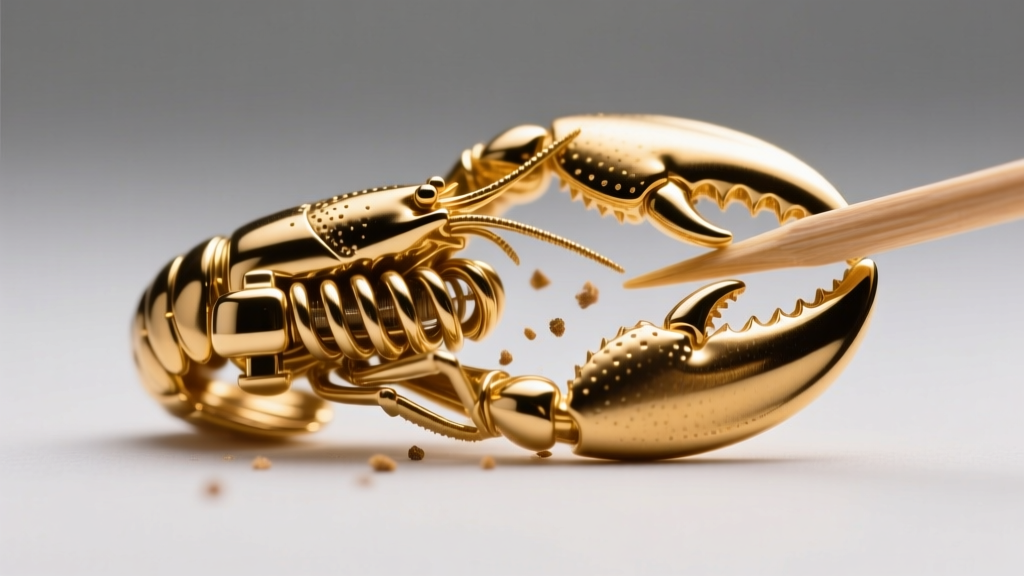
| Clasp Fails to Spring Back | Sebum, lint, or skin cells jammed inside the lobster claw or spring ring mechanism. | Never use a metal pin, which will scratch the gold. Use a wooden toothpick or a blast of compressed air to clear the crevice, followed by a tiny drop of mineral oil on the hinge. |
| Chain Kinks and Won't Lay Flat | Micro-debris wedged between links, preventing natural articulation. | Repeat the 3-Step Deep Clean, focusing heavily on Step 2. If stiffness persists, the chain may require professional ultrasonic cleaning by a bench jeweler. |
What NOT to Do: Common Gold Cleaning Disasters
The internet is rife with DIY jewelry cleaning hacks that cause irreversible damage to gold necklaces. Avoid these common pitfalls at all costs:
- Toothpaste: Toothpaste contains hydrated silica, an abrasive with a Mohs hardness of around 3 to 4. Because 14k and 18k gold are softer than silica, brushing with toothpaste will permanently scour the surface, leaving a matte, scratched finish that requires professional repolishing to fix.
- Bleach and Chlorine: Chlorine causes a metallurgical reaction known as "stress corrosion cracking" in gold alloys. It attacks the copper and silver at the grain boundaries of the metal, making the chain incredibly brittle. A necklace weakened by chlorine can snap under its own weight.
- Ultrasonic Cleaners for Gemstone Pendants: While ultrasonic cleaners (operating at 40-45 kHz) are excellent for plain diamond solitaires, they are disastrous for porous or treated stones. The high-frequency vibrations can shatter emeralds (which are typically oil-treated) and degrade the matrix of turquoise or opal pendants.
For comprehensive guidelines on metal care and consumer protections, refer to the Federal Trade Commission (FTC) Jewelry Guides, which outline industry standards for gold purity and maintenance disclosures.
Gold Plated vs. Solid Gold: Adjusting Your Technique
The troubleshooting steps above apply strictly to solid gold. If your necklace is gold-plated, gold vermeil, or gold-filled, you must drastically alter your approach. Gold plating involves a microscopic layer of gold (often less than 0.5 microns) electroplated over a base metal like brass or copper.
Because the gold layer is so thin, never use a brush on plated gold. The mechanical friction of bristles will wear the gold away, exposing the base metal beneath and resulting in a brassy, mottled appearance. To clean plated necklaces, simply perform Step 1 (the degreasing soak) for a maximum of 5 minutes, rinse with distilled water, and gently pat dry. If a plated necklace has already begun to flake or turn your skin green, no amount of cleaning will fix it; the piece must be professionally re-plated by a jeweler.
Preventative Maintenance for 2026 and Beyond
Troubleshooting is only necessary when preventative care fails. Adopting a few strict habits will keep your gold necklaces pristine for decades.
- The "Last On, First Off" Rule: Always put your necklace on after applying perfume, hairspray, and lotion. Remove it immediately when you get home, before washing your face or applying night creams.
- Proper Storage: Never toss multiple necklaces into a single jewelry box drawer; the friction will cause tangling and micro-scratches. Store each chain individually in a polyethylene ziplock bag. Avoid PVC plastics, as they off-gas sulfur compounds that accelerate alloy tarnish.
- Anti-Tarnish Strips: Place a 3M anti-tarnish strip inside your jewelry box or storage bags. These strips absorb airborne sulfur and hydrogen sulfide, neutralizing the primary catalysts for gold alloy oxidation.
- Remove Before Swimming: Whether in a chlorinated pool or the ocean (saltwater is highly corrosive to copper alloys), always take your necklace off before entering the water.
By understanding the metallurgy of your jewelry and treating it with chemically appropriate, gentle methods, you can maintain the brilliant luster of your gold necklaces without ever risking the structural integrity of the chain or the safety of the pendants.


