A Beginner's Guide to the Classic Beaded White Necklace
Discover how to choose, style, and care for a beaded white necklace. Learn about bead materials, stringing wire gauges, and neckline pairings.

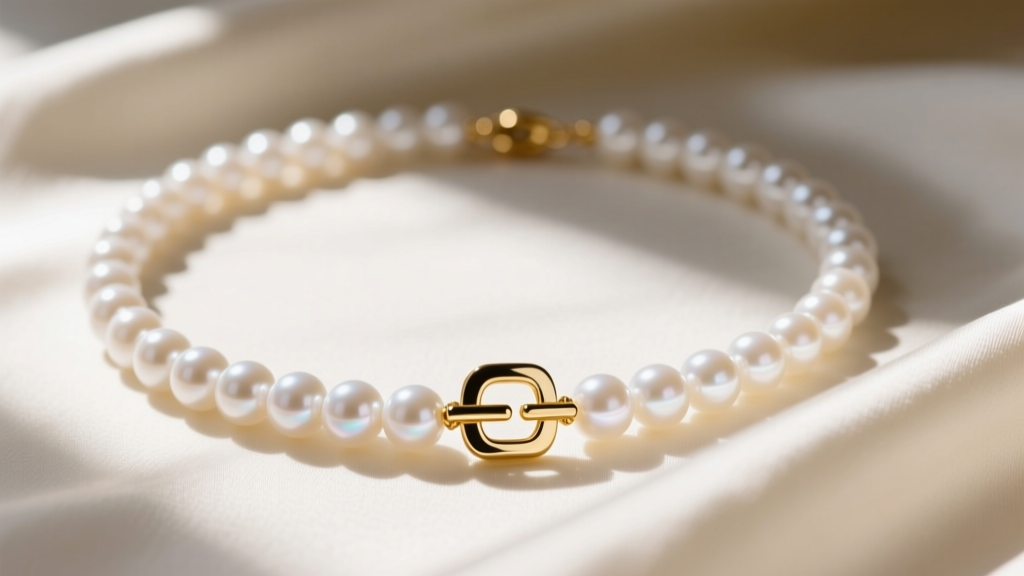
When building a foundational jewelry wardrobe, few pieces offer the sheer versatility of a beaded white necklace. Whether you are drawn to the organic luster of freshwater pearls, the earthy appeal of white howlite, or the ethereal glow of moonstone, white beads provide a neutral yet striking anchor for any outfit. However, as we navigate the jewelry landscape in 2026, consumers are becoming increasingly savvy about material integrity and construction quality. This beginner-friendly explainer will demystify the anatomy, stringing mechanics, and styling rules of the classic white bead necklace, ensuring your investment lasts for decades.
The Anatomy of White Beads: Material Breakdown
Not all white beads are created equal. The visual similarity between a $20 glass strand and a $300 pearl necklace can be deceiving to the untrained eye. Understanding the mineral and organic composition of your beads is the first step toward making an informed purchase.
Freshwater Pearls
According to the Gemological Institute of America (GIA), freshwater pearls are formed by mussels and are prized for their thick nacre, which typically ranges from 0.8mm to 2.0mm in solid-nucleus varieties. They possess a deep, satiny luster and a Mohs hardness of 2.5 to 3.0. Because they are organic, they are highly susceptible to acids and prolonged heat.
White Howlite
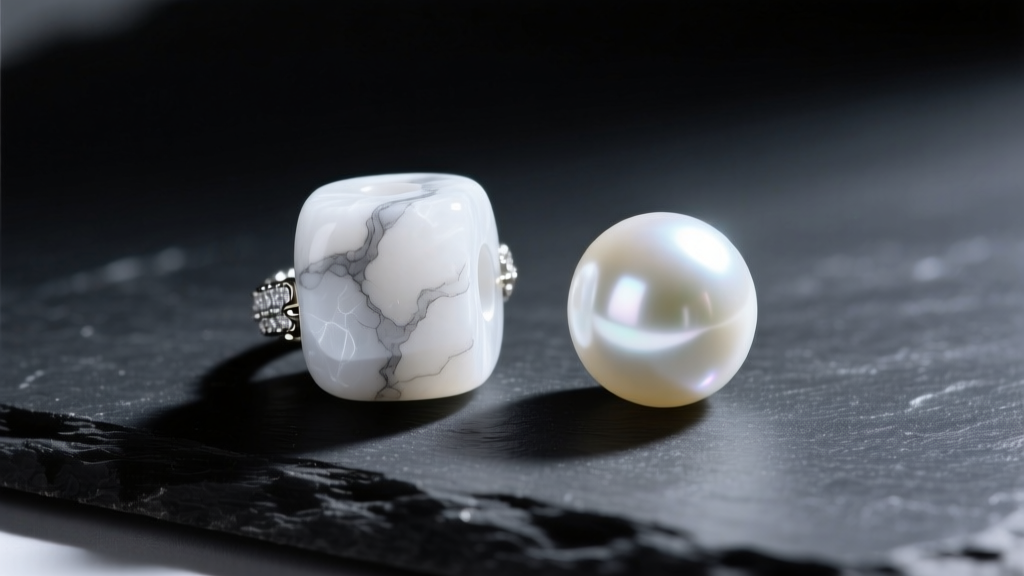
Howlite is a borate mineral that naturally occurs in white or gray with distinct dark veining. With a Mohs hardness of 3.5, it is slightly more durable than pearl but highly porous. Many commercial howlite beads are stabilized with resin to prevent chipping. It is an excellent, lightweight alternative for those who want the look of white stone without the heavy drape of quartz.
Rainbow Moonstone
Technically a variety of labradorite feldspar, rainbow moonstone is famous for its adularescence—a billowy white-to-blue light that seems to float just under the surface. Ranking 6 to 6.5 on the Mohs scale, moonstone is durable enough for everyday wear but has perfect cleavage, meaning a hard knock against a table edge can cause the bead to split cleanly in half.
Stringing Mechanics: Why Your Necklace Might Break
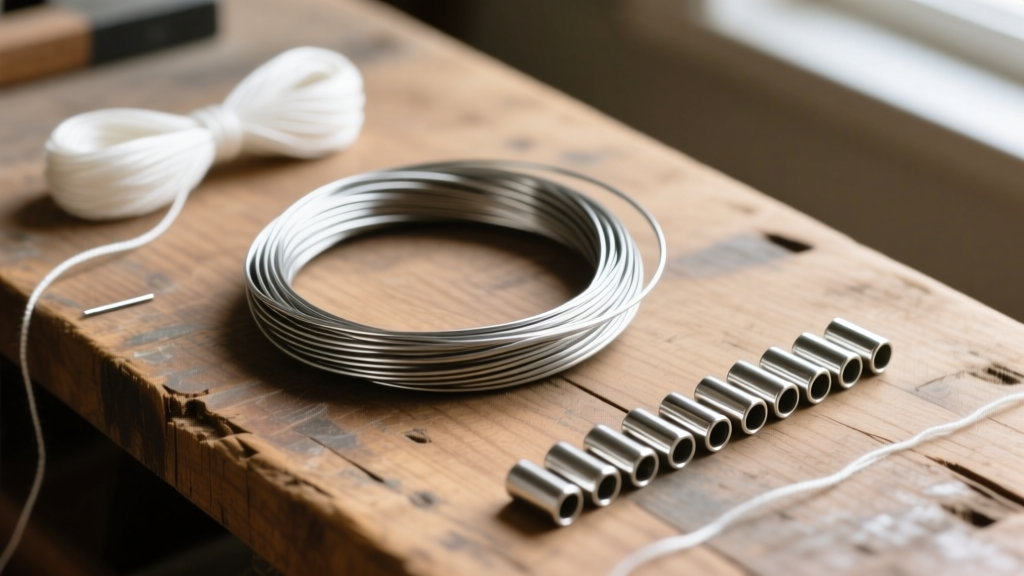
The most common point of failure in a beaded white necklace is not the bead itself, but the stringing material. Beginners often assume that a thicker string equals a stronger necklace, but the reality of jewelry engineering is far more nuanced. The friction between the bead hole and the stringing core dictates the lifespan of the piece.
For a comprehensive look at jewelry making supplies and tensile strengths, resources like Fire Mountain Gems offer extensive databases on material tolerances. Below is a functional comparison of the three most common stringing methods used for white bead necklaces.
| Stringing Material | Gauge / Size | Best Used For | Primary Failure Mode |
|---|---|---|---|
| Natural Silk Thread | Size F or G | Freshwater pearls, knotting between beads | Stretches over time; snaps at the metal crimp cover due to friction. |
| 49-Strand Stainless Steel | 0.018 inch | Heavy stone beads, moonstone, howlite | Kinks if stored improperly; snaps at the neck-point if repeatedly bent. |
| Nylon (C-Lon / SuperLon) | 0.012 inch | Glass beads, seed beads, lightweight gems | Fraying and slicing on sharp, unpolished bead hole edges. |
Expert Troubleshooting: If you are buying a high-end pearl necklace, always inspect the knots between the beads. They should be tight, uniform, and seated directly against the bead. If you see gaps of more than 1mm between the knot and the pearl, the silk has stretched and the necklace requires professional restringing.
Sizing and Length Guide for Every Neckline
The visual weight of a white bead necklace changes dramatically depending on its length and the diameter of the beads. An 8mm bead on a 16-inch choker will look vastly different than the same bead on a 24-inch matinee strand. Here is a practical framework for pairing lengths with necklines:
- 16-Inch Choker: Sits snugly at the base of the neck. Ideal for V-necks, off-the-shoulder tops, and scoop necks. Avoid wearing with high collars or turtlenecks, as the beads will catch on the fabric and cause unnecessary friction.
- 18-Inch Princess: The most versatile, standard length. It rests just below the collarbone. This length perfectly frames a crew neck t-shirt or a button-down shirt left slightly unbuttoned. It is the default choice for a single-strand beaded white necklace.
- 24-Inch Matinee: Falls to the top of the bust. This length is exceptional for business casual attire, worn over a blouse or a lightweight sweater. It elongates the torso and draws the eye downward.
- 30-Inch Opera: Reaches the sternum. Often worn doubled over for a layered look, or left long to complement high-necked garments and evening wear.
Care and Maintenance for Porous White Beads
White beads, particularly organic and porous ones, act as sponges for environmental pollutants, cosmetics, and skin oils. The golden rule of jewelry care is Last on, first off.
Never apply perfume, hairspray, or lotion while wearing a pearl or howlite necklace. The alcohol and chemical solvents in cosmetics will rapidly degrade pearl nacre, causing it to peel, and will strip the natural oils from silk stringing thread, leading to premature brittleness and snapping.
Cleaning Protocol: Never use ultrasonic cleaners or steamers on any white bead necklace. The high-frequency vibrations will shatter moonstone and strip the finish off howlite. Instead, use a slightly damp, lint-free microfiber cloth to gently wipe each bead after wearing. If the necklace is heavily soiled, use a drop of pH-neutral baby shampoo on the cloth, but avoid getting the stringing material wet. Always lay the necklace flat to dry on a towel; hanging a wet silk-strung necklace will cause the thread to stretch permanently under the weight of the water-logged beads.
Real-World Pricing: What Should You Pay?
Understanding the market value of a beaded white necklace prevents you from overpaying for synthetic materials disguised as natural gems. While prices fluctuate based on brand prestige and clasp hardware (e.g., 14k gold vs. sterling silver), here are the baseline retail expectations for a standard 18-inch, 8mm bead necklace in the current market:
- Opalite / Glass: $15 – $40. (Opalite is a trade name for iridescent glass, not a natural stone).
- White Howlite: $35 – $85. Prices increase if the beads are perfectly round and feature symmetrical, aesthetic gray veining.
- Freshwater Pearl (AA Grade): $120 – $350. Look for high luster and minimal surface blemishes. AAA grades with near-perfect roundness will push the $500+ mark.
- Rainbow Moonstone: $180 – $450. Highly dependent on the strength of the blue adularescence and the lack of internal fractures or heavy black tourmaline inclusions.
By understanding the material science, stringing engineering, and proper maintenance protocols, you can confidently select a beaded white necklace that serves as a timeless, elegant staple in your collection for years to come.


