A Beginner’s Guide to Choosing a Butterfly Urn Necklace
Learn how to choose, fill, and seal a butterfly urn necklace. Our beginner-friendly guide covers materials, ash capacities, and chain pairing.

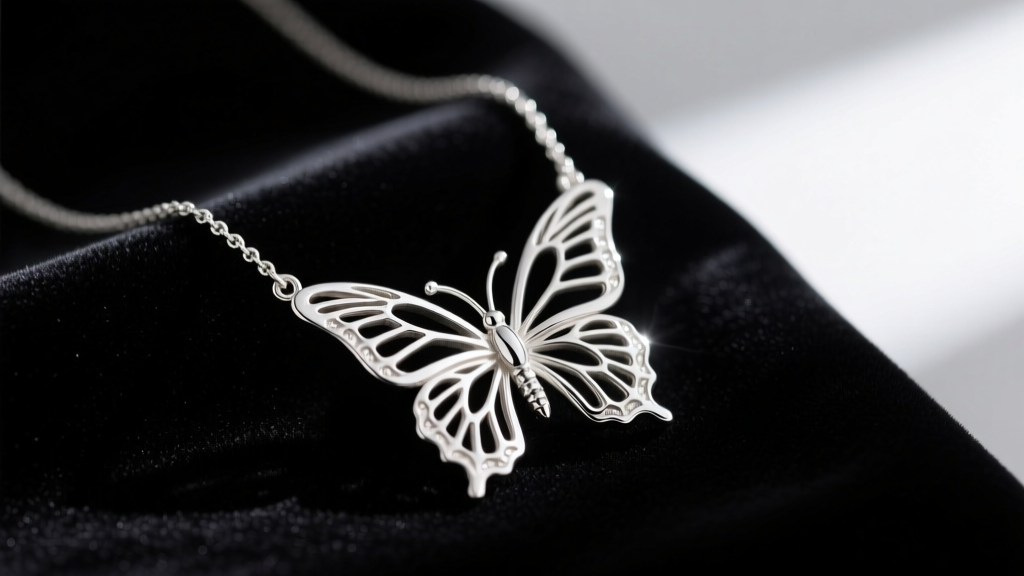
Losing a loved one is an profoundly emotional experience, and finding a meaningful way to keep their memory close can bring immense comfort. Memorial jewelry has grown in both popularity and craftsmanship, with the butterfly urn necklace emerging as one of the most requested designs. The butterfly is a universal symbol of metamorphosis, the soul, and enduring love, making it a fitting vessel for cremation keepsakes. However, navigating the technical aspects of cremation jewelry—from metal grades to ash capacities and waterproof sealing—can be overwhelming for beginners.
This comprehensive guide will walk you through everything you need to know about selecting, filling, and maintaining a butterfly urn necklace, ensuring your keepsake remains secure and beautiful for years to come.
What Is a Butterfly Urn Necklace?
A butterfly urn necklace is a specialized piece of memorial jewelry featuring a pendant shaped like a butterfly that contains a small, hollowed-out interior chamber. This chamber is designed to hold a nominal amount of cremated remains (ashes), a lock of hair, or even dried ceremonial flowers. The pendant typically features a discreet threaded screw mechanism—often located at the bail (the loop where the chain threads through) or on the back of the pendant—which opens to reveal the storage cavity.
Beyond their functional purpose, these necklaces serve as a private, tactile connection to a departed loved one. Because the compartment is completely sealed, the exterior looks like a standard, elegant piece of fashion jewelry, allowing the wearer to keep their memorial close without necessarily broadcasting its deeply personal nature to the world.
Material Breakdown: Choosing the Right Metal
When investing in a butterfly urn necklace, the metal composition dictates not only the price but also the pendant's longevity, weight, and skin compatibility. According to the Federal Trade Commission Jewelry Guides, precious metals must be accurately stamped and hallmarked. Here is a breakdown of the most common materials used in high-quality memorial pendants.
| Metal Type | Pros | Cons | Average Price Range |
|---|---|---|---|
| 316L Surgical Steel | Hypoallergenic, highly durable, resistant to tarnish and corrosion. | Heavier than silver, cannot be resized or easily repaired by traditional jewelers. | $30 - $60 |
| 925 Sterling Silver | Classic luster, easily polished, holds intricate engraving details beautifully. | Prone to oxidation (tarnish) if exposed to moisture and skin oils over time. | $70 - $150 |
| 14k Solid Gold | Prestigious, will not tarnish, excellent heirloom value, hypoallergenic. | Significantly higher cost, softer metal can scratch if subjected to hard impacts. | $400 - $900+ |
| Grade 2 Titanium | Extremely lightweight, 100% hypoallergenic, virtually indestructible. | Limited design variations due to the difficulty of machining titanium. | $50 - $90 |
Expert Tip: If you opt for sterling silver, look for pieces that feature rhodium plating. As noted by the Gemological Institute of America (GIA) and other metallurgical experts, rhodium adds a brilliant, tarnish-resistant shield over silver, drastically reducing maintenance while providing a bright white finish similar to white gold.
Understanding Ash Capacity and Dimensions
One of the most common questions beginners have is: How much ash does a butterfly urn necklace actually hold? The vast majority of standard-sized pendants (measuring roughly 0.75 to 1.25 inches across) have an internal capacity of 0.1 to 0.15 cubic inches (approximately 1.6 to 2.5 milliliters).
To put this into perspective, this equates to roughly a generous pinch or a fraction of a teaspoon of cremated remains. You do not need a large volume of ashes to fill the pendant. In fact, overfilling the chamber is the number one reason threads become cross-threaded or O-rings fail to seal properly. Always leave a tiny bit of negative space inside the chamber to ensure the screw can seat flush against the gasket.
The Filling Process: Tools and Techniques
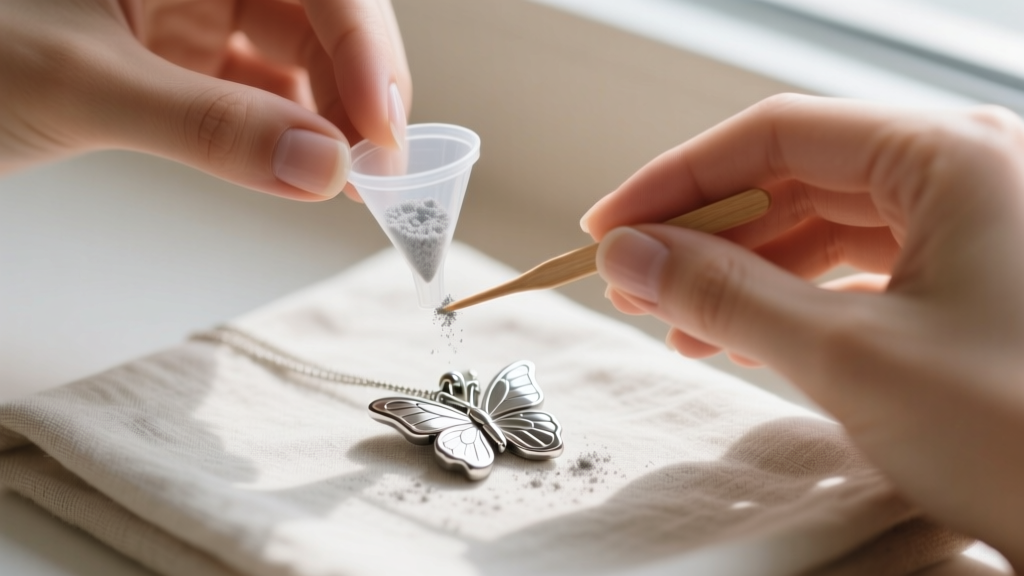
Filling a memorial pendant can feel daunting, but with the right preparation, it is a straightforward process. Most reputable jewelers include a basic filling kit, but having the right tools on hand ensures a clean, stress-free experience.
Tools You Will Need:
- A clean, dry workspace (preferably over a dark cloth or tray to catch any stray particles)
- The provided miniature plastic or paper funnel
- A wooden toothpick or the provided metal filling pin
- Tweezers (for handling the tiny O-ring or gasket)
- A small piece of tissue paper
Step-by-Step Instructions:
- Prepare the Pendant: Carefully unscrew the bail or back plate. Note the direction of the threads (most are standard right-hand, meaning 'lefty-loosey'). Set the screw and the tiny rubber O-ring aside on a safe surface.
- Position the Funnel: Place the narrow end of the funnel into the opening of the butterfly pendant.
- Transfer the Ashes: Using the toothpick, gently guide a small amount of fine ashes into the funnel. Tap the side of the pendant lightly to encourage the ashes to settle at the bottom.
- Avoid Overfilling: Stop filling when the ashes reach just below the threading. Never pack the ashes down tightly.
- Clean the Threads: Use a dry cotton swab or tissue to gently wipe the inside rim and threading. Even a single grain of ash on the threads can prevent a watertight seal or strip the metal.
- Replace the O-Ring: Ensure the rubber gasket is seated perfectly flat in its groove.
- Seal the Pendant: Carefully screw the top back on. Tighten it until snug, but do not use excessive force, which can snap the internal screw post.
Chain Selection: Gauge, Length, and Security
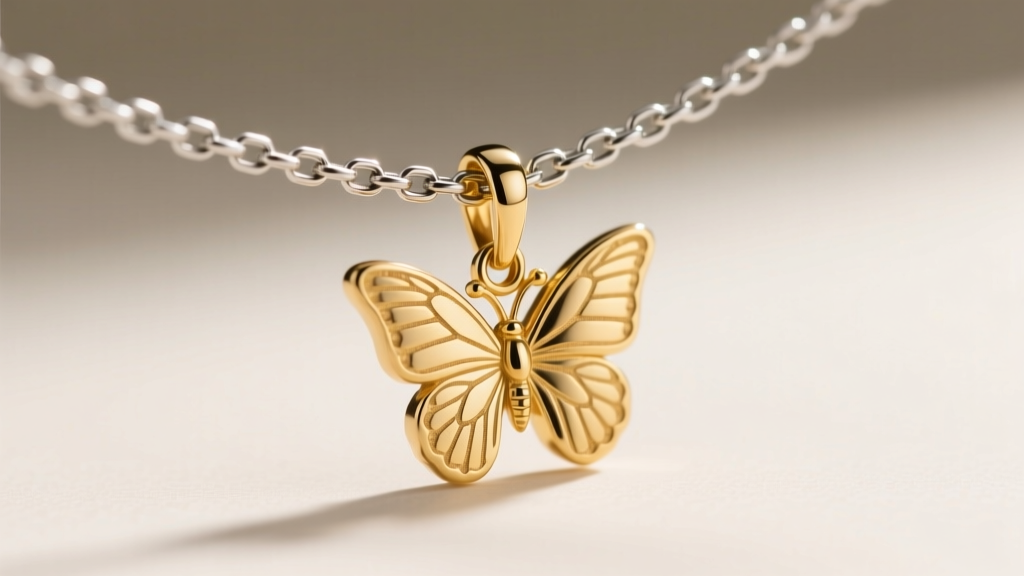
The pendant is only half of the equation; the chain you pair with your butterfly urn necklace is critical for security. Because cremation jewelry holds irreplaceable contents, you must prioritize chain strength over delicate aesthetics.
- Chain Style: Opt for a Box Chain or a Rope Chain. These styles feature interlocking links that distribute weight evenly and are highly resistant to snapping. Avoid snake chains or herringbone chains, which are notorious for kinking and breaking under minimal tension.
- Gauge (Thickness): Look for a chain with a thickness between 1.2mm and 1.8mm. Anything thinner than 1.0mm is too fragile for daily wear and risks dropping the pendant.
- Clasp Type: Always choose a Lobster Claw clasp. Spring-ring clasps are notoriously unreliable and can easily catch on clothing and pull open.
- Length: An 18-inch chain will sit at the collarbone, while a 20-to-22-inch chain will rest lower on the chest, keeping the pendant closer to the heart and reducing the chance of it swinging outward and catching on objects.
Sealing and Waterproofing Your Memorial Pendant
While the rubber O-ring provides a basic barrier against dust and moisture, it is not sufficient for long-term waterproofing, especially if you plan to wear your butterfly urn necklace in the shower or while swimming. To permanently secure the ashes and protect the metal threads, you should apply a thread sealant.
The industry standard for this is a gel-based cyanoacrylate adhesive, such as Loctite 454 or a specialized jewelry thread sealant. Unlike liquid super glues, which can run into the ash chamber and ruin the contents, gel formulas stay exactly where you put them.
How to Apply Thread Sealant:
- Unscrew the pendant and ensure the threads are completely free of ash and oils.
- Apply a microscopic dot of the gel sealant to the male threads of the screw.
- Immediately screw the pendant shut and wipe away any excess gel that squeezes out with a damp cloth.
- Allow the pendant to cure undisturbed for 24 hours before wearing.
Note: Once sealed with a strong cyanoacrylate, the pendant is considered permanently closed. If you anticipate needing to open the necklace in the future to add more ashes or divide them among family members, skip the permanent glue and instead use a removable clear nail polish or a specialized micro-wax, reapplying it every few months.
Care and Maintenance Best Practices
To keep your butterfly urn necklace looking pristine, adopt a few simple maintenance habits. Remove the necklace before applying perfumes, lotions, or hairsprays, as the alcohol and chemicals can degrade the metal finish and the rubber O-ring over time. If you have a sterling silver pendant, store it in an anti-tarnish pouch with a silica gel packet when not in use. Clean the exterior gently with a microfiber polishing cloth—never use ultrasonic jewelry cleaners or harsh chemical dips, as these can compromise the seal and damage the internal threading.
Final Thoughts on Memorial Jewelry
Choosing a butterfly urn necklace is a deeply personal decision that bridges the gap between honoring a loved one and finding personal solace. By understanding the metallurgy, respecting the capacity limits, and taking the time to properly fill and seal the pendant, you ensure that your memorial jewelry remains a safe, beautiful, and enduring tribute. Whether you choose the brilliant shine of rhodium-plated silver or the indestructible nature of surgical steel, the true value of the piece lies in the profound connection it allows you to carry with you every day.


