How to Layer and Care for a Freshwater Rice Necklace
Learn how to expertly layer a freshwater rice necklace, grade pearl luster, and properly restring your strand for lasting elegance and wear.

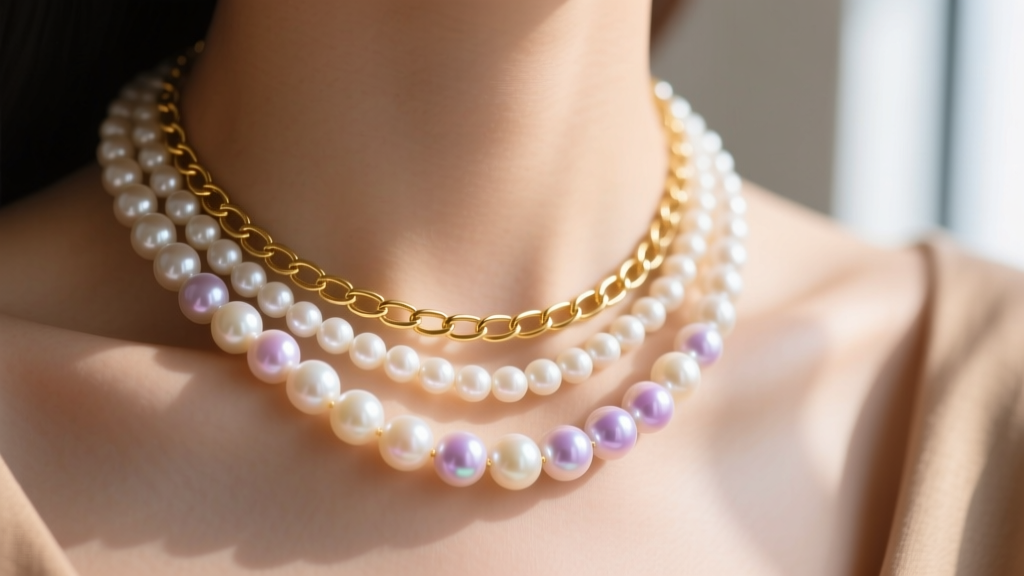
Understanding the Anatomy of a Freshwater Rice Necklace
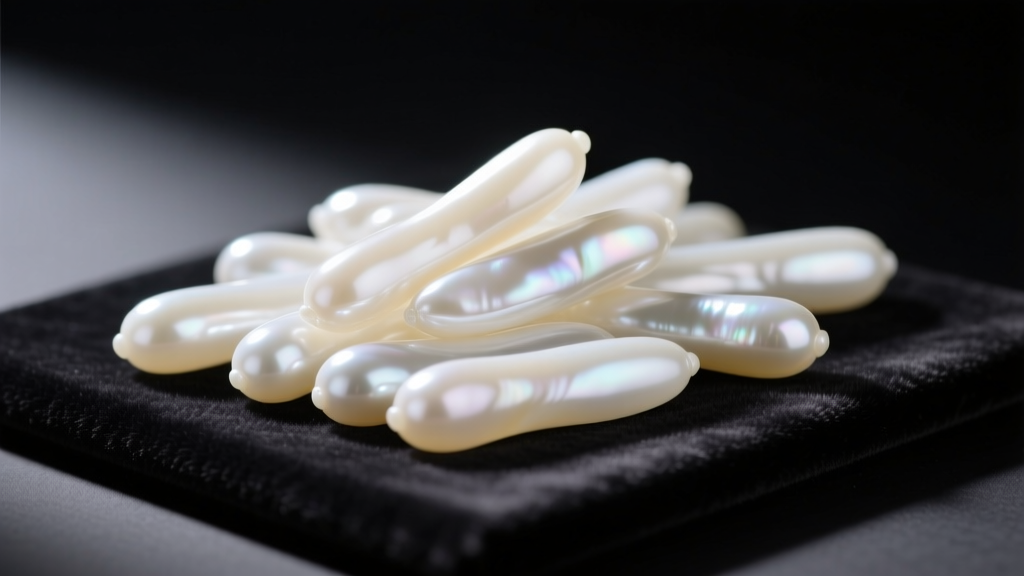
When building a curated jewelry wardrobe in 2026, the freshwater rice necklace remains a cornerstone of organic elegance. Characterized by their elongated, oval, and slightly asymmetrical shapes, rice pearls offer a textured, modern alternative to perfectly round classic strands. But before you begin layering or investing in high-end pieces, it is crucial to understand what you are actually wearing. Unlike their saltwater counterparts, which are typically bead-nucleated, high-quality freshwater rice pearls are tissue-nucleated. This means they are composed of 100% solid nacre from the inside out, granting them exceptional durability and a deep, glowing luster that resists peeling over decades of wear.
Grading Your Rice Pearls: The E-E-A-T Framework
Not every rice necklace is created equal. Because the elongated shape naturally introduces surface irregularities, grading requires a nuanced eye. According to the Gemological Institute of America (GIA), pearl quality is determined by luster, surface cleanliness, and shape uniformity. Below is a practical grading matrix to help you evaluate your strand:
| Quality Factor | AAA (Gem Grade) | AA+ (Premium) | A (Commercial) |
|---|---|---|---|
| Luster | Sharp, mirror-like reflections; intense inner glow | Bright reflections with slight edge haziness | Dull, chalky, or muted reflections |
| Surface | 95%+ clean; minor microscopic pits | 80%+ clean; visible blemishes on some pearls | Heavy blemishing, cracks, or chalky spots |
| Shape Match | Uniformly elongated (approx. 3x8mm per pearl) | Slight variations in length and width | Highly irregular; mix of baroque and rice shapes |
When shopping, always prioritize luster over perfect shape. A slightly asymmetrical rice pearl with a mirror-like finish will always outshine a perfectly uniform but chalky bead.
Step-by-Step: How to Layer a Rice Necklace
The elongated profile of a rice necklace makes it an ideal anchor for layered looks. The texture of the pearls contrasts beautifully with structured metal chains, a styling technique that has dominated contemporary jewelry trends. To avoid a tangled, cluttered neckline, follow this precise layering blueprint.
Step 1: Establish the Base Chain (14-16 Inches)
Start with a delicate metal chain that sits high on the collarbone. A 14-inch or 16-inch 14k gold-filled paperclip chain (1.2mm width) or a sterling silver box chain provides a structured, geometric baseline. This chain should feature a small, subtle clasp and sit completely flat against the skin.
Step 2: Position the Rice Necklace (17-18 Inches)
Your freshwater rice necklace should serve as the focal point, resting at the classic 'princess' length (17 to 18 inches). Ensure the pearls measure between 3mm and 5mm in width; anything larger will overwhelm the delicate base chain and crowd the neckline. If your rice necklace has a visible knotting pattern, let the organic texture take center stage.
Step 3: Add a Matinee Pendant (22-24 Inches)
To complete the triad, introduce a longer chain featuring a singular focal pendant. A 22-inch or 24-inch snake chain holding a bezel-set gemstone (like a moss agate or mother-of-pearl cabochon) draws the eye downward, elongating the neck and balancing the visual weight of the rice pearls above.
- Pro Tip: Use a necklace detangler clasp or spacer bar at the nape of your neck to keep the three strands perfectly separated and prevent the metal chains from abrading the pearl nacre.
- Metal Pairing: White gold or platinum pairs beautifully with pearls that have cool, silver overtones, while 14k yellow gold enhances the warm, cream, or peach undertones often found in freshwater rice pearls.
Maintenance: Cleaning and Restringing Protocols
Pearls are organic gems with a Mohs hardness rating of just 2.5 to 3.0, making them highly susceptible to scratching and chemical degradation. Proper maintenance is non-negotiable if you want your rice necklace to survive for generations.
Safe Cleaning Methodology
Never use ultrasonic cleaners, steam cleaners, or commercial jewelry dips on a rice necklace. The high-frequency vibrations will fracture the nacre, and harsh chemicals like ammonia will strip the pearl's natural orient. Instead, follow the GIA Pearl Care Guidelines: after every wear, gently wipe the pearls with a soft, lint-free microfiber cloth to remove skin oils and sweat. If the strand is visibly soiled, use a damp cloth with a drop of pH-neutral, unscented castile soap, then lay the necklace flat on a dry towel to air dry completely.
The Art of Restringing: Materials and Timelines
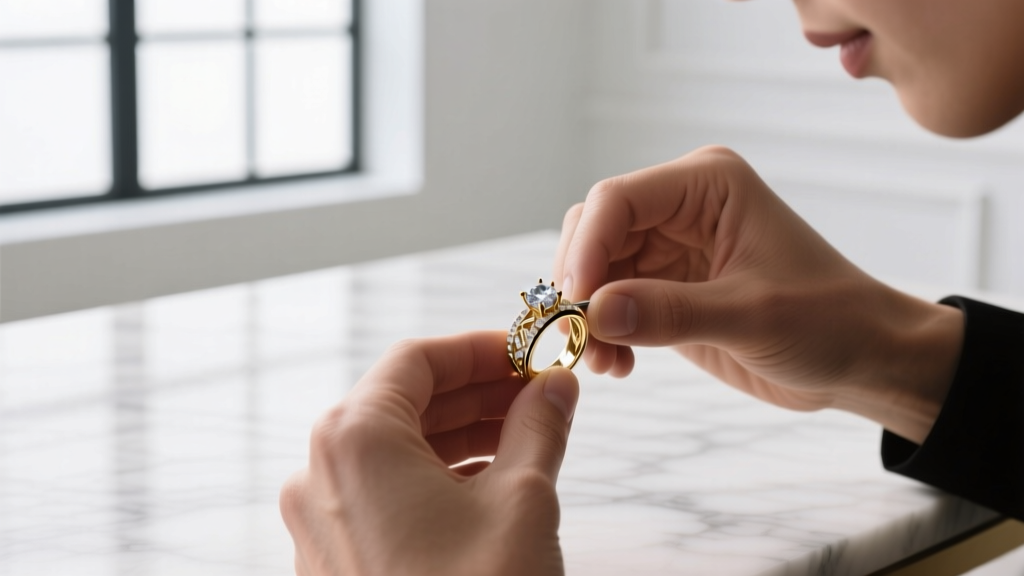
If you wear your rice necklace weekly, the silk thread will stretch and degrade from exposure to natural skin acids and ambient humidity. You should plan to have the strand professionally restrung every 18 to 24 months. When restringing, insist on the following professional specifications:
- Thread Selection: Use 100% natural silk thread, specifically Griffin Size E (0.325mm) or Size F (0.35mm), depending on the drill hole diameter of your specific rice pearls. Synthetic nylon stretches irreparably over time.
- Knotting: Every single pearl must be hand-knotted. This prevents total loss if the strand snaps and stops the elongated pearls from rubbing against one another, which can cause equatorial wear rings.
- French Wire (Gimp): The final three inches of silk thread leading into the clasp must be wrapped in coiled French wire. This delicate metal spring protects the silk from being sawed through by the friction of the clasp's jump ring.
"A properly knotted pearl necklace should drape like liquid fabric. If the strand feels stiff or rigid, the knots have been pulled too tightly, or the wrong gauge of thread was used for the drill holes." — Master Pearl Stringer Adage
Troubleshooting Common Rice Pearl Issues
Even with meticulous care, you may encounter specific issues unique to elongated pearl strands. Here is how to diagnose and resolve them:
- Problem: The pearls are turning yellow or dull.
Solution: This is often caused by dehydration or prolonged storage in airtight plastic bags (which trap off-gassing chemicals). Pearls need moisture. Store your rice necklace in a soft cotton pouch and wear it regularly; the natural oils from your skin will help restore their luster. - Problem: The thread is visibly sagging between the pearls.
Solution: The silk has stretched beyond its recovery point. Stop wearing the necklace immediately to prevent a catastrophic snap, and take it to a jeweler for a full restring. Do not attempt to tighten it by pulling the thread, as this will weaken the fibers. - Problem: The drill holes look jagged or sharp.
Solution: Lower-quality commercial rice pearls are often drilled hastily from one side, causing 'blowout' or chipping at the exit point. If these sharp edges are cutting your silk thread, a jeweler can use a micro-reamer to smooth the exit holes before restringing.
By understanding the unique anatomy of the freshwater rice pearl and adhering to strict layering and maintenance protocols, you can ensure your necklace remains a versatile, luminous staple in your collection for years to come.


