The Beginner's Guide to Styling a Crystal Collar Necklace
Discover how to choose, style, and care for a crystal collar necklace. Learn about neckline pairings, crystal durability, and hardware grades.


The resurgence of structured, high-neck jewelry has made the crystal collar necklace a standout piece in modern styling. Unlike delicate chains that disappear beneath fabric, a collar commands attention, framing the face and highlighting the collarbone. However, for beginners, navigating the world of crystal hardness, hardware weight, and neckline pairings can feel overwhelming. This guide breaks down the exact specifications, material grades, and styling frameworks you need to confidently wear and care for a crystal collar necklace in 2026.
The Anatomy of a Collar: Sizing and Structure
To master this style, you must first understand the precise measurements that define it. In jewelry terminology, a choker typically measures 14 to 16 inches and rests loosely around the middle of the neck. A collar, however, is strictly 12 to 14 inches long. It is designed to sit snugly at the very base of the neck, resting directly on the upper clavicle and lower neck.
Because of this snug fit, crystal collars are rarely made of rigid metal bands. Instead, they are usually constructed from dozens of polished crystal beads strung together to create a flexible, yet substantial, drape. The sheer volume of stone required for a 14-inch collar means these pieces carry significant physical weight—often ranging from 45 to 85 grams. This weight dictates everything from the stringing material used to the clasp required to keep it secure.
Decoding Crystal Durability: The Mohs Scale Breakdown
Not all crystals are created equal, especially when they are worn tightly against the body where they can bump against zippers, chin straps, or desk edges. When shopping for a crystal collar, you must reference the Mohs Scale of Mineral Hardness. According to the Gemological Institute of America (GIA), the Mohs scale ranks minerals from 1 (softest) to 10 (hardest) based on their scratch resistance.
| Crystal Type | Mohs Hardness | Collar Suitability | Vulnerability Notes |
|---|---|---|---|
| Fluorite | 4 | Poor | Highly prone to chipping and scratching from daily friction. |
| Opal (Natural) | 5.5 - 6.5 | Fair | Sensitive to sudden temperature changes and dehydration. |
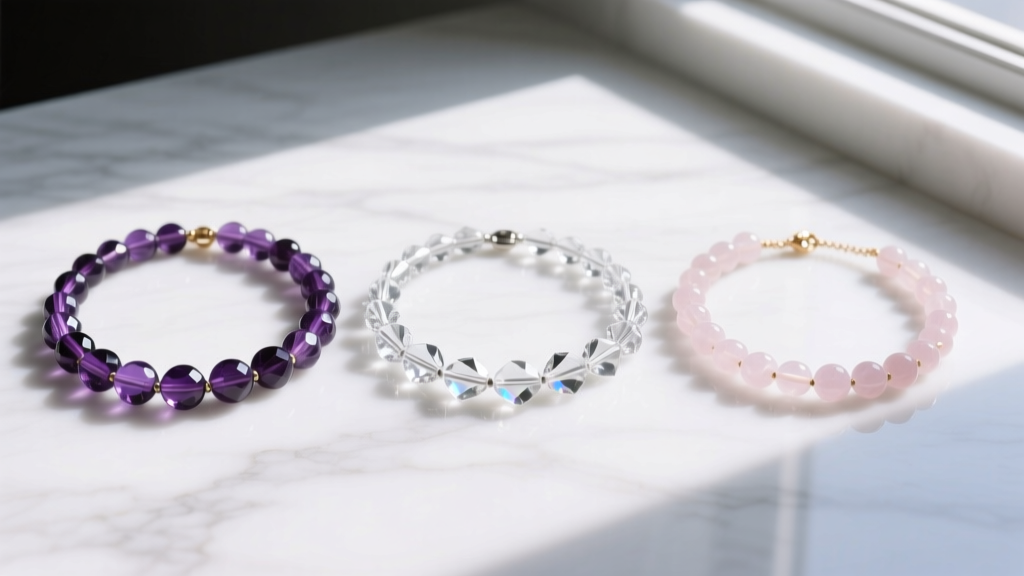
| Amethyst / Rose Quartz | 7 | Excellent | Durable enough for daily wear; resists minor abrasions. |
| Clear Quartz / Citrine | 7 | Excellent | Highly durable, but can fracture if struck directly on an edge. |
| Topaz | 8 | Superior | Exceptional scratch resistance, though has perfect cleavage planes. |
For a beginner-friendly, everyday crystal collar necklace, stick to the quartz family (Mohs 7). They offer the perfect balance of optical clarity, color variety, and structural integrity required for a heavy, high-friction garment accessory.
Neckline Pairings: A Beginner’s Framework
The most common mistake beginners make is pairing a collar with the wrong neckline, resulting in a cluttered or visually unbalanced silhouette. Because a collar occupies the 12-to-14-inch zone, your clothing must provide the right canvas.
The Strapless and Sweetheart Advantage
This is the ultimate pairing for a crystal collar. A strapless or sweetheart neckline leaves the entire upper chest and collarbone exposed. The collar sits neatly at the top of this negative space, acting as a visual boundary that elongates the neck without competing with fabric. Opt for a chunky, multi-strand crystal collar here to maximize the dramatic effect.
Navigating the V-Neck and Scoop Neck
Pairing a collar with a V-neck requires caution. If the V-neck plunges deeply, the gap between the bottom of the 14-inch collar and the start of the fabric can look awkward. If you must wear a V-neck, choose a shallow one where the fabric begins immediately below the clavicle, creating a seamless transition from the crystal beads to the garment.
What to Avoid: High Necks and Turtlenecks
Never pair a crystal collar with a turtleneck, mock neck, or high-collared blouse. The visual crowding is overwhelming, and more importantly, the friction between the crystal beads and knitwear will cause micro-scratches on softer stones. Furthermore, wool and cashmere fibers can easily snag on the micro-gaps between the beads, risking a catastrophic stringing failure.
Hardware and Weight Distribution: Avoiding the 'Spin'
A crystal collar necklace is heavy. If the hardware is poorly designed, the necklace will constantly slide forward, causing the clasp to rest annoyingly against your front collarbone. To prevent this, you need to understand stringing wire and clasp mechanics.
The Stringing Wire Standard
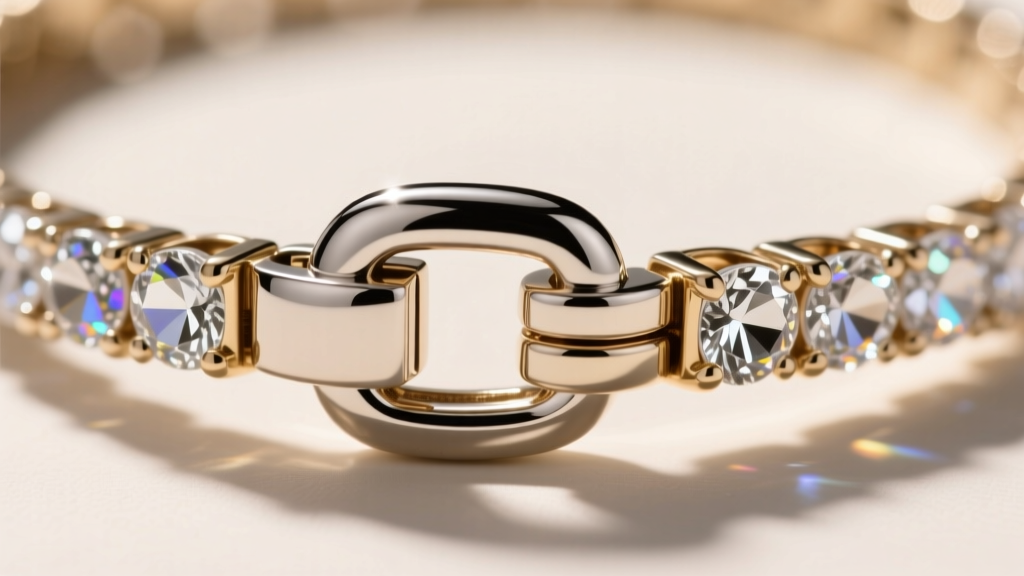
Cheap, mass-produced collars are often strung on nylon thread or cheap elastic. Under the 60-gram weight of quartz beads, nylon stretches within weeks, causing the necklace to sag and eventually snap. According to jewelry manufacturing standards outlined by Fire Mountain Gems, high-quality crystal collars should be strung on 49-strand micro stainless steel wire (typically 0.018 inches in diameter) coated in a protective nylon sheath. This provides the drape of silk with the tensile strength of steel.
Clasp Mechanics and Counterweights
Standard lobster clasps are often too small and light to anchor a heavy collar. Look for collars featuring neodymium magnetic clasps encased in rhodium-plated brass. These clasps provide a secure hold rated for up to 10kg of pull force and add just enough weight to the back of the neck to act as a counterbalance, keeping the heaviest cluster of crystals perfectly centered on your chest.
Care, Maintenance, and Troubleshooting
Proper maintenance ensures your crystal collar retains its optical brilliance and structural safety.
- Never Use Ultrasonic Cleaners: While ultrasonic cleaners are great for diamond rings, the high-frequency vibrations can shatter crystals with natural inclusions (like rutilated quartz or phantom quartz) or cause treated stones to fracture along their cleavage planes.
- The Cleaning Solution: Mix three drops of mild, phosphate-free dish soap into a bowl of lukewarm water. Use a baby-soft toothbrush to gently scrub the gaps between the beads where skin oils and lotions accumulate. Rinse with distilled water to prevent hard water spots and dry immediately with a microfiber cloth.
- Storage Protocol: Never hang a crystal collar on a jewelry tree. The constant downward pull of gravity will stretch the stringing wire over time, creating permanent gaps between the beads. Always store the collar flat in a lined jewelry box, loosely coiled to prevent the steel wire core from kinking.
Expert Troubleshooting Tip: If your collar necklace develops visible gaps between the beads when laid flat, the internal wire has stretched. Do not attempt to restring it yourself with standard thread. Take it to a professional bench jeweler to be restrung on 49-strand steel wire with a proper crimp bead finish.
Final Thoughts
A crystal collar necklace is an investment in both geology and geometry. By prioritizing Mohs 7+ stones, demanding 49-strand steel stringing, and pairing the piece with the correct necklines, you elevate the collar from a mere accessory to a masterclass in personal styling. Whether you choose the deep purples of amethyst or the pristine clarity of white quartz, understanding these foundational rules ensures your jewelry remains as striking on day 1,000 as it was on day one.


