The Beginner’s Guide to Choosing the Perfect Fitness Necklace
Discover how to choose the perfect fitness necklace for workouts. Learn about sweat-proof materials, durable chains, and safe clasps for the gym.


Why Your Everyday Jewelry Fails at the Gym
Wearing your favorite gold-plated chain or delicate sterling silver pendant to the gym might seem like a harmless style choice, but the environment of a fitness center is incredibly hostile to traditional jewelry. A true fitness necklace is engineered to withstand the biological and mechanical stresses of an active lifestyle. To understand why everyday pieces fail, we first have to look at the chemistry of human sweat.
According to the American Academy of Dermatology, sweat is not just water; it is a complex mixture of urea, lactic acid, and minerals like sodium chloride. The pH of human sweat typically ranges from 4.0 to 6.8, making it mildly acidic. When this acidic, chloride-rich moisture sits against copper alloys (like brass or low-karat gold) or porous metals, it triggers rapid galvanic corrosion. This is why cheap chains turn your skin green and why delicate clasps fuse together or snap after a few months of heavy cardio.
Beyond chemistry, there is the mechanical hazard. Cable crossovers, barbell knurling, and high-velocity movements create friction and snag points. A standard jewelry clasp can easily catch on a towel or a machine pulley, leading to a snapped chain or, worse, a choking hazard. Choosing the right fitness necklace requires a deliberate focus on metallurgy, chain geometry, and safety mechanisms.
The Best Sweat-Proof Materials for Active Wear
When shopping for a gym-ready necklace, ignore the aesthetic finish and look straight at the material grade. Here are the top-tier materials that survive high-intensity interval training (HIIT), heavy lifting, and ocean swims.
ASTM F136 Titanium (Grade 5)
Titanium is the undisputed king of fitness jewelry. Specifically, you want ASTM F136 Grade 5 titanium, which is the same alloy used in surgical implants. It is entirely hypoallergenic, 45% lighter than steel, and completely impervious to chloride corrosion. Whether you are sweating profusely on a StairMaster or swimming in a chlorinated pool, titanium will not tarnish, pit, or react with your skin. The only downside is that it cannot be easily resized or soldered if the chain breaks, so buying the correct length upfront is critical.
316L Surgical Stainless Steel
Not all stainless steel is created equal. While 304 stainless steel is common in budget jewelry, it lacks the molybdenum required to resist saltwater and heavy sweat. 316L surgical steel contains 2-3% molybdenum, which dramatically increases its resistance to chloride pitting. It is highly durable, affordable, and maintains a bright, silvery luster even after years of daily gym use. If you prefer a gold aesthetic, look for 316L steel that has been treated with PVD (Physical Vapor Deposition) rather than traditional electroplating. PVD bonds the gold color at a molecular level, ensuring it won't flake off when rubbed against a weight bench.
Braided Paracord and Medical-Grade Silicone
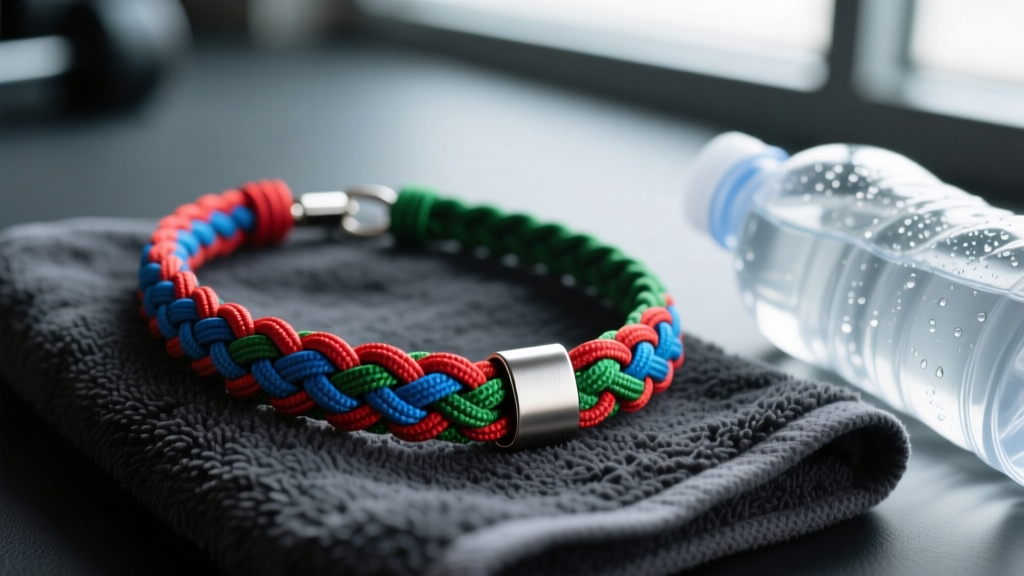
For those who prefer a non-metallic feel, 550-paracord braided necklaces and solid medical-grade silicone cords are exceptional choices. They are entirely waterproof, flexible, and eliminate the 'cold metal' shock against your chest during winter runs. Look for cords with a tensile strength rating of at least 550 lbs to ensure they won't snap under sudden tension.
Chain Styles: Avoiding Snags and Hair Pulling
The architecture of the chain dictates how it behaves during dynamic movement. Chains with complex, interlocking loops tend to trap dead skin cells, sweat, and bacteria, leading to unpleasant odors and skin irritation. Furthermore, certain weaves act like microscopic combs, painfully pulling chest and neck hair during exercise.
| Chain Style | Snag & Pull Risk | Sweat Trapping | Gym Verdict |
|---|---|---|---|
| Box Chain | Very Low | Low | Excellent. Flat, smooth links glide over skin and hair without catching. |
| Snake Chain | Low | Moderate | Good. Very sleek, but the tight seams can trap sweat if not washed regularly. |
| Rope Chain | High | Very High | Poor. The twisted links easily pull hair and harbor bacteria deep in the crevices. |
| Wheat Chain | Moderate | Moderate | Fair. Durable, but the V-shaped links can occasionally snag on loose athletic wear. |
| Silicone Tube | None | None | Excellent. The ultimate low-maintenance, frictionless option for heavy sweaters. |
For optimal performance, a fitness necklace should have a thickness between 2.0mm and 3.0mm. Anything under 1.5mm risks snapping if caught on gym equipment, while chains over 4.0mm add unnecessary swing weight that becomes distracting during sprinting or burpees.
Safety First: Breakaway Clasps and Pendant Geometry
Safety is the most overlooked aspect of athletic jewelry. If you are lifting weights, particularly bench pressing or using cable machines, a rigid chain can become a severe choking hazard if it catches on a barbell or pulley handle. To mitigate this, high-quality fitness necklaces utilize magnetic breakaway clasps or engineered tension-release lobster clasps. These are designed to pop open when subjected to 5 to 10 pounds of lateral force, saving you from injury.
Pendant geometry is equally important. Traditional 3D pendants with sharp edges, prong-set gemstones, or dangling elements are dangerous in a weight room. If you lie on a bench press with a protruding metal pendant, the downward force of the barbell can drive the pendant into your sternum, causing bruising or breaking the jewelry. The safest fitness pendants are flat, low-profile dog tags, or smooth, bezel-set smart pendants that sit flush against the collarbone.
Smart Pendants: Tracking Fitness Without a Wristband
The evolution of the fitness necklace has merged jewelry with wearable technology. Many athletes find wrist-based trackers uncomfortable during weightlifting, as they interfere with wrist wraps and grip mechanics. Smart pendants offer a brilliant alternative.
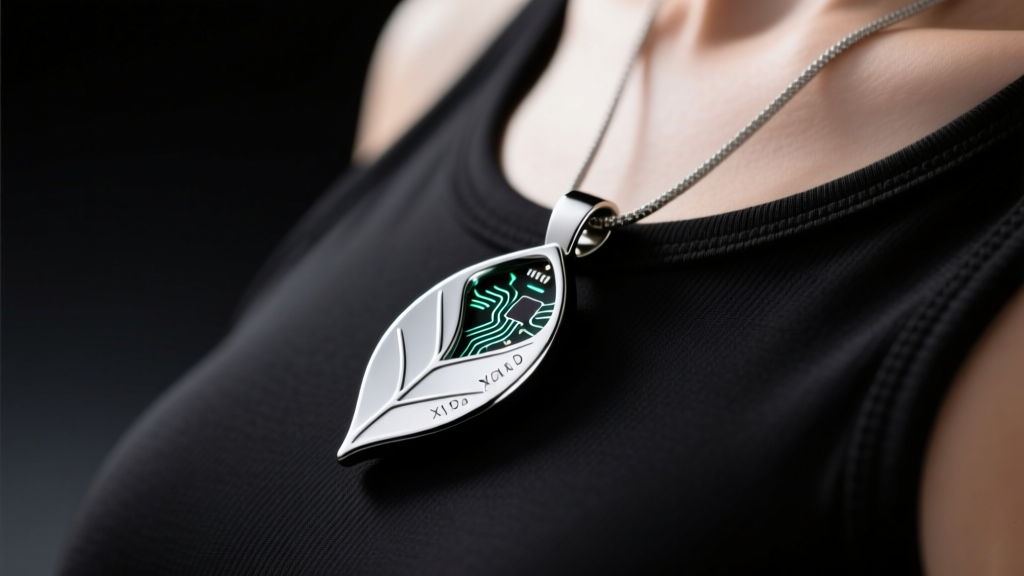
Devices designed as necklaces (such as the Bellabeat Leaf or various smart dog tags) track heart rate variability (HRV), steps, and sleep patterns from the chest. The chest is actually a more accurate location for optical heart rate sensors than the wrist, as it is closer to the heart and experiences less erratic movement during lifting. When choosing a smart fitness necklace, ensure the pendant backing is made of hypoallergenic ceramic or coated titanium to prevent contact dermatitis from prolonged sensor contact with sweaty skin.
Post-Workout Care and Maintenance
Even the most durable 316L steel or titanium fitness necklace requires basic maintenance to stay hygienic. The Gemological Institute of America (GIA) recommends regular, gentle cleaning for jewelry exposed to environmental pollutants and body oils.
- The Post-Workout Rinse: Immediately after your workout, rinse your necklace under warm tap water to wash away the acidic sweat and chloride salts before they can dry on the metal.
- Weekly Deep Clean: Use a soft-bristled toothbrush and a drop of mild, phosphate-free dish soap to gently scrub the chain links and clasp mechanism. Avoid harsh chemical cleaners or bleach, which can degrade PVD coatings and silicone cords.
- Drying: Pat the necklace dry with a microfiber cloth. Leaving a steel chain wet in a humid gym bag can eventually lead to superficial surface rust, even on high-grade alloys.
By prioritizing biocompatible materials, low-profile geometries, and safety-first clasps, you can seamlessly integrate a fitness necklace into your daily training routine. It is not just about maintaining your personal style at the gym; it is about wearing engineered accessories that respect the physical demands of your workout.


