Beginner's Guide to Choosing a Glowing Necklace in 2026
Discover how to choose, wear, and care for a glowing necklace. We break down LED, UV-reactive, and phosphorescent styles for beginners.

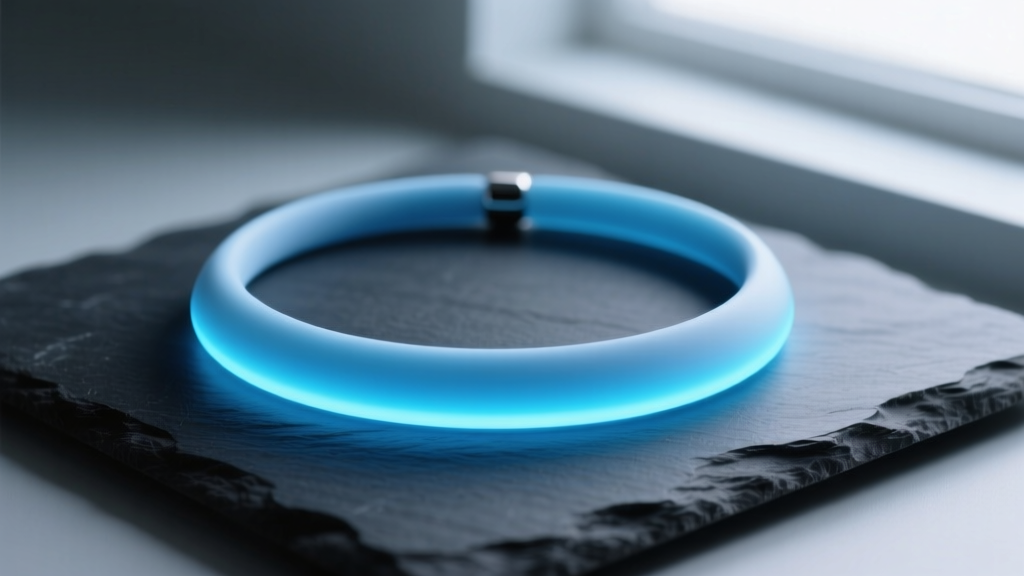
The concept of a glowing necklace has evolved far beyond the cheap, brittle plastic rave gear of the early 2000s. As we move through 2026, advancements in wearable technology, smart textiles, and advanced phosphorescent compounds have transformed illuminated jewelry into a sophisticated, highly functional accessory category. Whether you are attending a multi-day music festival, navigating a dimly lit evening event, or simply looking to add a futuristic edge to your streetwear, understanding the mechanics behind these pieces is crucial.
For beginners, the market can be overwhelming. You will encounter terms like 'strontium aluminate,' 'IP67 ratings,' and 'micro-SMD LEDs.' This comprehensive guide will demystify the technology, helping you choose a glowing necklace that is safe, durable, and visually stunning.
What Exactly is a Glowing Necklace? The 3 Main Types
Not all glow is created equal. The illumination method dictates how the necklace charges, how long it lasts, and the environments in which it thrives. Here are the three primary categories you will encounter on the market today.
1. Phosphorescent (True Glow-in-the-Dark)
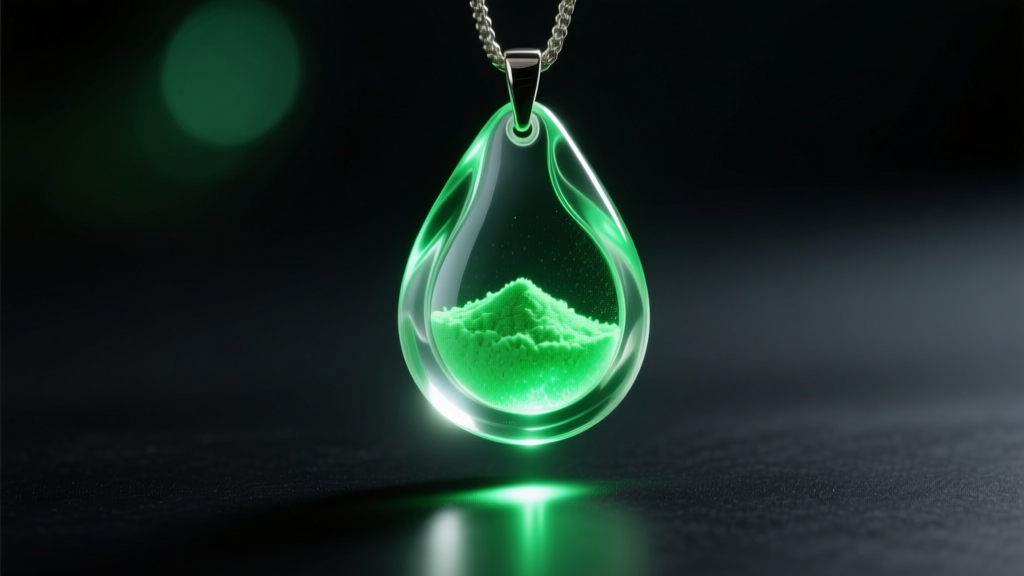
Phosphorescent necklaces absorb ambient light and slowly release it as photons over time. In 2026, the gold standard for this technology is Strontium Aluminate (SrAl2O4). According to mineralogical research outlined by the Gemological Institute of America (GIA), strontium-based phosphors are vastly superior to the older, cheaper Zinc Sulfide alternatives. A high-grade strontium aluminate pendant will charge in just 10 minutes of direct sunlight or UV exposure and emit a visible, vibrant glow for up to 12 hours. Zinc sulfide, by contrast, fades within 45 minutes. When shopping, always check the product specifications for 'SrAl2O4' to ensure you are getting premium longevity.
2. UV-Reactive (Fluorescent)
UV-reactive necklaces do not glow on their own in the dark. Instead, they contain fluorescent dyes suspended in a clear medium—usually jewelry-grade epoxy resin or medical-grade silicone. When exposed to Ultraviolet (UV) light, commonly known as a 'blacklight,' the electrons in the dye become excited and emit visible light. These are ideal for club environments or themed parties where UV lighting is guaranteed, but they will appear as standard, albeit brightly colored, jewelry in normal lighting conditions.
3. LED and Fiber Optic Integrated
For active, continuous illumination regardless of the environment, LED-integrated necklaces are the ultimate choice. Modern designs use micro-SMD (Surface Mount Device) LEDs housed in waterproof casings, often threading light through flexible fiber optic cables or medical-grade silicone tubing. The light is immediate, intensely bright, and often customizable via Bluetooth or physical micro-switches.
Material and Hardware Breakdown: What to Look For
When investing in illuminated jewelry, the base materials and hardware dictate the lifespan and comfort of the piece. Below is a comparative breakdown of what to expect from each category in the current market.
| Type | Base Material | Illumination Method | Avg. Glow Duration | 2026 Price Range |
|---|---|---|---|---|
| Phosphorescent | Sterling Silver / Resin | Ambient Light Absorption | 8 - 12 Hours (fading) | $45 - $120 |
| UV-Reactive | Epoxy Resin / Silicone | External UV Blacklight | Continuous (while in UV) | $25 - $85 |
| LED / Fiber Optic | Silicone / Titanium | Battery-Powered Micro-LED | 12 - 48 Hours (battery) | $60 - $250+ |
Battery Specs and Water Resistance (The Technical Stuff)
If you opt for an LED glowing necklace, you must understand the power source and environmental sealing. Most wearable LEDs rely on coin cell batteries. The two most common are the CR2032 (3V Lithium, ~220mAh) and the LR44 (1.5V Alkaline, ~150mAh). According to battery specification data from Battery Space, the CR2032 provides a more stable voltage curve, meaning your necklace will maintain peak brightness for a longer period before dimming. Always prioritize necklaces that use CR2032 cells with tool-free, screw-top battery housings for easy swapping.
Decoding IP Ratings for Festival Wear
Festivals and outdoor events mean sweat, rain, and spilled drinks. You need to check the Ingress Protection (IP) rating of any electronic glowing necklace:
- IPX4: Splash resistant. Fine for light sweat, but will short-circuit in heavy rain.
- IP65: Dust-tight and protected against low-pressure water jets. The minimum standard for outdoor festivals.
- IP67: Completely dust-tight and submersible up to 1 meter for 30 minutes. Highly recommended if you plan to wear the piece near water or in extreme weather.
Skin Safety and Allergies
Wearing electronic components and synthetic resins against your collarbone requires strict attention to skin safety. The U.S. Food and Drug Administration (FDA) regulates radiation-emitting electronic products, ensuring that wearable LEDs do not emit harmful UV-C radiation or exceed safe visible light intensity limits. However, contact dermatitis is a more common issue.
For LED housings and clasps, avoid cheap zinc alloys or nickel-plated brass, which are notorious for causing green skin and allergic reactions. Instead, look for battery casings machined from 316L surgical stainless steel or Grade 2 Titanium. For the glowing cord itself, ensure the manufacturer specifies 'platinum-cured silicone' rather than PVC, as platinum-cured silicone is hypoallergenic, non-toxic, and highly resistant to degrading from human sebum and sweat.

Styling Your Glowing Necklace: Beginner Tips
Integrating a glowing necklace into your wardrobe requires a balance between statement-making and subtlety. Here are three actionable styling frameworks for beginners:
The Minimalist Tech Approach
Pair a thin, 2mm fiber-optic glowing necklace (set to a warm amber or soft white) with a high-neck, dark-colored ribbed knit sweater. The contrast between the organic texture of the wool and the sleek, futuristic line of the light creates a high-fashion, cyberpunk-adjacent aesthetic suitable for evening dinners or gallery openings.
The Festival Layering Technique
For music festivals, embrace volume. Layer a 16-inch UV-reactive resin choker with a 20-inch LED pendant necklace and a 24-inch bare silver chain. The varying lengths prevent the glowing elements from tangling and competing for visual dominance, while the bare silver chain adds reflective depth when hit by stage lasers.
The Subtle Phosphorescent Accent
For everyday streetwear, choose a small strontium aluminate pendant encased in a geometric sterling silver cage. During the day, it looks like a standard minimalist gemstone pendant. As the sun sets and you transition to a dimly lit bar or evening walk, the pendant slowly reveals its ethereal green or aqua glow, acting as an intimate, surprising detail rather than a loud statement.
Care and Maintenance
To maximize the lifespan of your glowing jewelry, specific care routines are required based on the type:
- Phosphorescent Pieces: Keep away from harsh chemical cleaners, which can degrade the clear coat protecting the strontium aluminate powder. Wipe gently with a damp microfiber cloth.
- UV-Reactive Resins: Prolonged exposure to direct, harsh sunlight (when not being worn) can cause the fluorescent dyes to yellow or lose their reactivity over time. Store these in a dark jewelry box or pouch.
- LED Necklaces: Always remove the battery if you plan to store the necklace for more than a month. Battery acid leakage is the number one cause of death for wearable electronics. Furthermore, never use alcohol-based cleaners on fiber optic cables, as it will cause the acrylic core to cloud and fracture.
Final Verdict
The glowing necklace has matured into a versatile category that bridges the gap between cutting-edge wearable technology and expressive personal style. By prioritizing strontium aluminate for passive glow, demanding IP65+ ratings for active LEDs, and strictly adhering to hypoallergenic materials like titanium and platinum-cured silicone, beginners can confidently invest in pieces that are safe, durable, and undeniably captivating. Whether you are drawn to the subtle magic of a phosphorescent pendant or the vibrant energy of a fiber-optic choker, understanding the science behind the glow ensures your jewelry will shine brightly for years to come.


