How to Choose the Perfect Gold Rabbit Necklace: A Beginner's Guide
Discover how to choose, style, and care for a gold rabbit necklace. Learn about karats, chain pairings, and craftsmanship in this beginner guide.

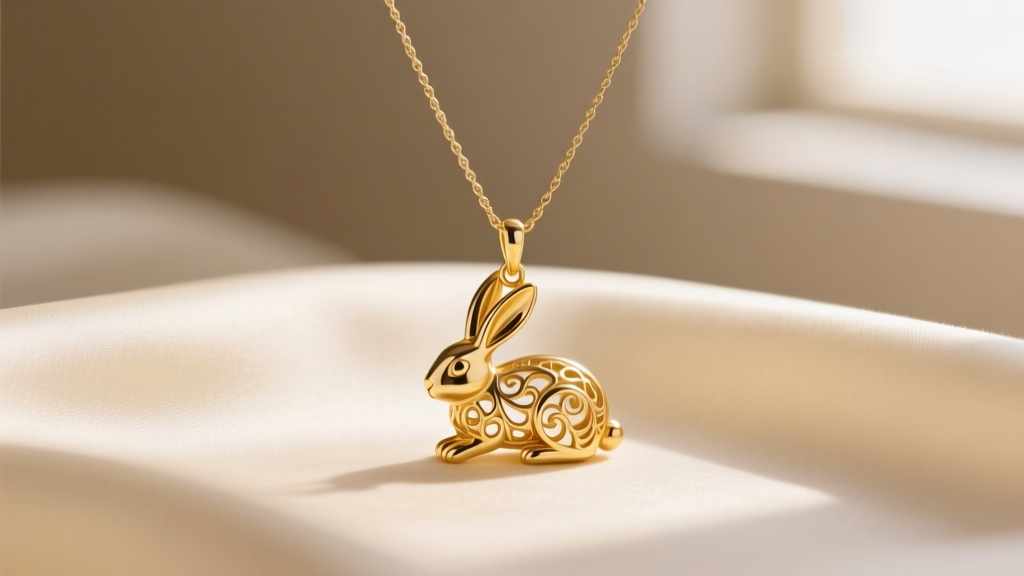
Animal motifs have held a special place in jewelry design for centuries, but few carry the universal charm and symbolic weight of the rabbit. Representing agility, luck, and gentle elegance, a gold rabbit necklace is more than just a whimsical accessory; it is a timeless piece of fine jewelry that can transition seamlessly from everyday wear to special occasions. However, for beginners stepping into the world of fine jewelry, navigating the nuances of gold purity, chain styles, and pendant craftsmanship can be overwhelming. This comprehensive guide will walk you through everything you need to know to select a high-quality gold rabbit necklace that will last a lifetime.
Why the Rabbit Motif Endures in Fine Jewelry
Unlike trendy pop-culture pendants that fade from relevance after a single season, the rabbit is a deeply rooted cultural symbol. In many Eastern traditions, the rabbit is associated with the lunar new year and represents longevity and good fortune. In Western literature and art, from Alice in Wonderland to Beatrix Potter’s Peter Rabbit, the bunny evokes a sense of nostalgia, curiosity, and playful sophistication. When rendered in precious metals, the rabbit motif bridges the gap between childhood whimsy and adult elegance, making it a highly sought-after design for both young adults building their first fine jewelry collection and seasoned collectors looking for a meaningful charm.
Decoding Gold: Karats, Alloys, and What to Buy
The most critical decision you will make when purchasing a gold rabbit necklace is understanding gold purity. Pure gold (24k) is inherently soft and malleable. According to the Gemological Institute of America (GIA), pure gold is rarely used in everyday jewelry because it scratches, dents, and bends easily. To create durable jewelry, gold is alloyed with metals like copper, silver, zinc, or nickel. The karat (k) system indicates the ratio of pure gold to alloy metals.
Solid Gold vs. Gold Vermeil vs. Gold Plated
For a piece you intend to wear daily, understanding the difference between solid gold and plated alternatives is vital to avoid the dreaded "green skin" effect or premature tarnishing.
- 14k Solid Gold (58.5% Pure Gold): The undisputed champion for everyday pendants. It offers a beautiful warm hue while maintaining the structural integrity needed to keep delicate rabbit ears from bending if snagged on clothing.
- 18k Solid Gold (75% Pure Gold): Richer and more vibrant in color, but noticeably softer. Best reserved for occasional wear or pendants with a thicker, more robust casting.
- Gold Vermeil: A thick layer of gold (minimum 2.5 microns) bonded over a sterling silver base. A great budget-friendly option, though it will eventually require re-plating after years of friction.
- Gold Plated (Brass Base): The most affordable but least durable. The thin gold layer will wear off quickly, exposing the brass underneath, which can cause skin discoloration and allergic reactions.
| Material Grade | Gold Content | Durability | Estimated Price (15mm Pendant) | Best For |
|---|---|---|---|---|
| 18k Solid Gold | 75% | Moderate (Prone to scratching) | $350 - $600+ | Special occasions, heirloom gifts |
| 14k Solid Gold | 58.5% | High (Excellent for daily wear) | $180 - $350 | Everyday wear, layering |
| 10k Solid Gold | 41.7% | Very High (Stiff, less luster) | $120 - $200 | Budget-conscious solid gold buyers |
| Gold Vermeil | N/A (Silver base) | Moderate (Requires care) | $60 - $120 | Trend-focused, budget-friendly styling |
Selecting the Right Chain for Your Bunny Pendant
A common beginner mistake is pairing a delicate, intricate pendant with a chain that is far too heavy, visually overpowering the design. A standard gold rabbit pendant typically measures between 12mm and 18mm in height. To maintain proportion and elegance, the chain width should remain subtle.
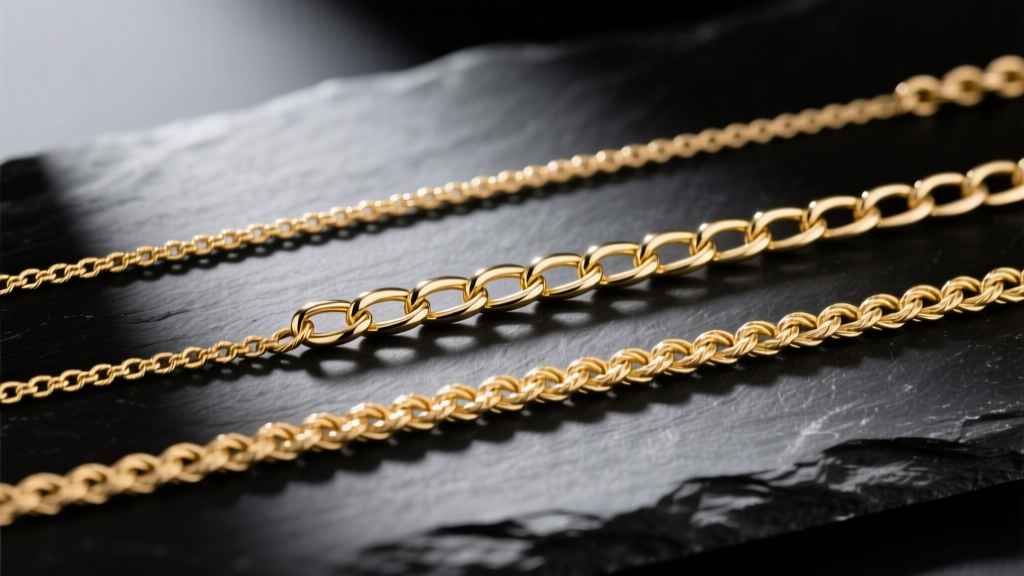
Recommended Chain Styles (1.0mm to 1.5mm Width)
- Cable Chain (1.0mm - 1.2mm): The classic choice. Featuring uniform oval links, a thin cable chain is lightweight, unobtrusive, and allows the rabbit pendant to take center stage. It is also relatively easy to repair if a link breaks.
- Box Chain (1.0mm - 1.5mm): Composed of square links connected to form a smooth, continuous square tube. Box chains are incredibly strong for their thickness and offer a modern, geometric contrast to the organic curves of a rabbit motif.
- Rope Chain (1.2mm - 1.5mm): Twisted links that mimic the look of a woven rope. Rope chains catch the light beautifully, adding extra sparkle to your neckline, though they can occasionally snag on fine hairs or fabrics.
Pro Tip: Avoid thick Cuban link or Figaro chains (3mm+) for small animal pendants. The heavy links will pull the pendant downward, causing it to flip constantly and hide the design against your skin.
Craftsmanship Details: What Separates Fine from Costume
When evaluating a gold rabbit necklace, turn the pendant over and examine the details. The manufacturing method drastically affects both the aesthetic appeal and the longevity of the piece.
Die-Struck vs. 3D Cast
Die-Struck Pendants: These are stamped from a flat sheet of gold under immense pressure. They are incredibly dense, durable, and resistant to bending. However, they are strictly two-dimensional. If you prefer a flat, silhouette-style bunny charm, die-striking is the superior, long-lasting choice.
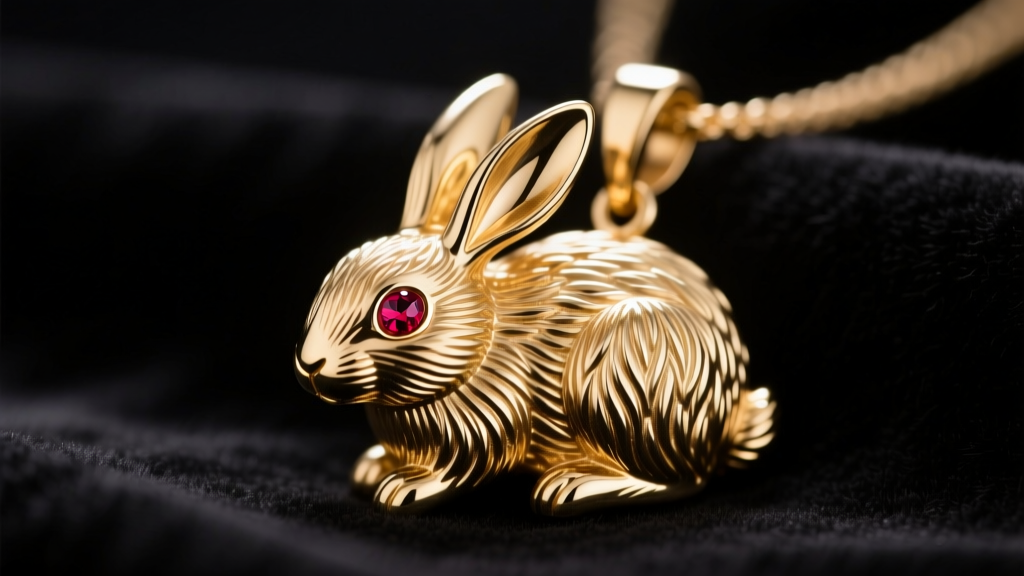
3D Cast Pendants: Created using the lost-wax casting method, these pendants are fully sculptural. You can see the curve of the rabbit’s back, the texture of the fur, and the rounding of the paws. While visually stunning, ensure the casting is high-quality; cheap castings may show porosity (tiny surface pits) or have rough, unfinished edges on the back that can scratch your collarbone.
Gemstone and Enamel Accents
Many gold rabbit necklaces feature accent details. A tiny bezel-set diamond or sapphire eye adds a premium touch. If the pendant features enamel (often used for a white rabbit's fur or a pink nose), ensure it is vitreous enamel (fired glass) rather than cheap epoxy resin, which will yellow and chip over time.
Styling Your Gold Rabbit Necklace for Everyday Wear
The beauty of a gold rabbit necklace lies in its versatility. Because it carries a touch of whimsy, it softens structured outfits and adds personality to minimalist wardrobes.
"The key to styling motif pendants is balance. Let the rabbit be the focal point of your neckline by pairing it with solid, neutral fabrics like cashmere sweaters, crisp white button-downs, or simple silk camisoles." — JewelStyleradar Editorial Team
Layering Techniques
If you wish to layer your rabbit necklace, adhere to the "Rule of Three" and vary the lengths by at least two inches to prevent tangling.
Example Layering Stack:
1. 14-inch: Simple gold herringbone choker or small pearl strand.
2. 16-inch: Your gold rabbit pendant on a 1.2mm cable chain.
3. 18-inch: A minimalist gold coin necklace or a small geometric bar pendant.
Care and Maintenance to Prevent Tarnish and Damage
Even solid 14k gold requires proper care to maintain its luster, especially when exposed to daily environmental factors. The Jewelers of America recommends regular, gentle cleaning to remove body oils and lotions that can dull the metal's shine.
The Safe Cleaning Method
- Mix a few drops of mild, phosphate-free dish soap into a bowl of lukewarm water.
- Submerge the necklace for 5 to 10 minutes to loosen debris.
- Gently brush the pendant, paying special attention to the crevices around the rabbit's ears and paws, using an extra-soft baby toothbrush.
- Rinse thoroughly under lukewarm running water (ensure the drain is plugged!).
- Pat dry with a lint-free microfiber cloth. Avoid paper towels, as the wood fibers can cause micro-scratches on polished gold.
What to Avoid
Never use ultrasonic cleaners on your rabbit necklace if it features enamel, pave-set gemstones, or pearls. The high-frequency vibrations can easily shatter enamel or shake tiny stones loose from their settings. Furthermore, always remove your necklace before swimming in chlorinated pools or using harsh household cleaning chemicals, as chlorine can permanently weaken gold alloys, leading to microscopic fractures in delicate areas like the pendant's bail or the rabbit's ears.
By understanding the nuances of gold purity, selecting a proportionate chain, and committing to proper care, your gold rabbit necklace will remain a cherished, lucky companion in your jewelry box for decades to come.


