Beginner Guide: Choosing Your First Gold Tanzanite Necklace
Learn how to choose, authenticate, and care for a gold tanzanite necklace. Discover tanzanite grades, gold karats, and setting tips for beginners.

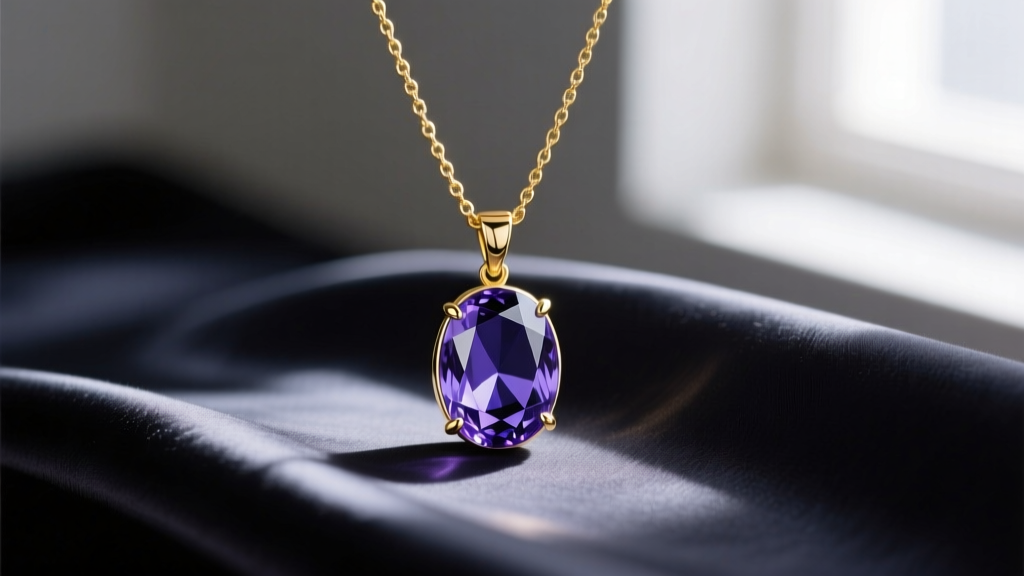
The Allure of Tanzanite: A Beginner’s Overview
If you are stepping into the world of colored gemstones, a gold tanzanite necklace is one of the most breathtaking and rewarding investments you can make. Discovered in 1967 in the Merelani Hills of Tanzania, tanzanite remains a single-source gemstone, making it roughly 1,000 times rarer than diamonds. As we navigate the jewelry market in 2026, the scarcity of high-quality, unheated, and premium-grade tanzanite has only increased its allure among collectors and first-time buyers alike.
However, buying a tanzanite necklace requires more than just picking a pretty blue stone. Because tanzanite possesses unique optical properties and specific durability characteristics, pairing it with the right gold setting is crucial for both aesthetics and longevity. This beginner-friendly explainer will walk you through the exact grading metrics, gold karat choices, and structural settings you need to know before making your purchase.
Decoding Tanzanite Quality: What Beginners Must Know
Unlike diamonds, which are graded on a strict GIA universal scale, colored gemstones rely heavily on color saturation and tone. When evaluating a gold tanzanite necklace, you must understand the following metrics:
Color and Pleochroism
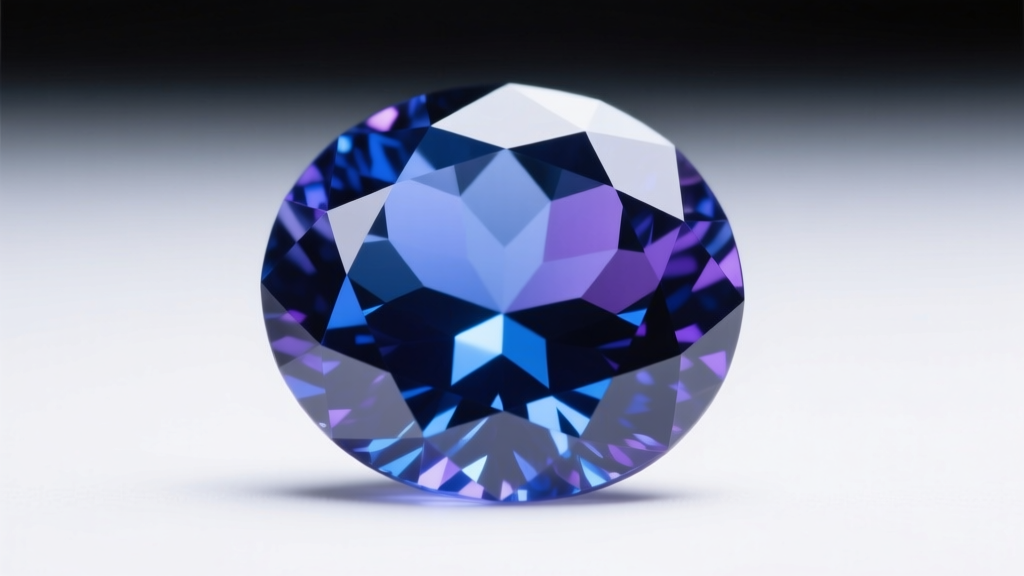
Tanzanite is highly pleochroic, meaning it displays different colors when viewed from different crystallographic angles. A well-cut tanzanite will flash both deep violet and vibrant blue. The most prized color is a highly saturated, medium-dark violet-blue. In the commercial market, you will often see grading terms like AAA (representing the top 1% to 5% of stones with rich, vivid hues) and AA (lighter, more pastel tones). Always ask the jeweler to view the stone under both natural daylight and warm indoor lighting to ensure the color holds up in all environments.
Clarity and Cut
According to the Gemological Institute of America (GIA), tanzanite is typically expected to be 'eye-clean,' meaning no inclusions are visible to the naked eye. Because the rough material is heavily included, cutters often prioritize color over carat weight, resulting in oval, cushion, and trillion cuts that maximize the stone's depth and hide internal flaws.
The Reality of Heat Treatment
Do not be alarmed if a jeweler tells you the stone is heated. Over 99% of tanzanite on the market undergoes standard heat treatment to remove brownish hues and reveal the signature blue-violet color. This is a permanent, universally accepted practice in the gemological community and does not negatively impact the stone's value.
Pairing Tanzanite with Gold: Karats and Colors
The gold you choose for your setting will dramatically alter the visual impact of the tanzanite. Here is a breakdown of how different gold types interact with the gemstone, along with practical durability advice.
| Gold Type | Karat | Visual Impact on Tanzanite | Durability for Daily Wear |
|---|---|---|---|
| Yellow Gold | 14k | Creates a warm, high-contrast vintage look that makes the violet flashes pop. | Excellent. 14k is alloyed for strength, resisting scratches and dents. |
| Yellow Gold | 18k | Rich, buttery contrast. Highly prized in luxury European markets. | Good, but softer. Prone to scratching if worn during physical activities. |
| White Gold | 14k/18k | Amplifies the cool blue tones. Rhodium plating creates a seamless, icy aesthetic. | Excellent. Requires re-plating every 1-2 years to maintain bright white color. |
| Rose Gold | 14k | Offers a romantic, modern contrast. The pinkish hue complements the violet undertones. | Excellent. Copper alloy makes rose gold highly durable and scratch-resistant. |
Pricing Expectation: In 2026, a well-crafted 1-carat AAA tanzanite pendant in a 14k gold setting typically ranges from $800 to $1,500. Stones exceeding 3 carats with exceptional saturation can easily command $3,000 to $5,000+, excluding the cost of diamond accent halos.
Choosing the Right Setting for Durability
This is where many beginners make a critical mistake. Tanzanite ranks between 6.5 and 7 on the Mohs scale of hardness. While this makes it suitable for jewelry, it also means the stone is susceptible to chipping, scratching, and cleaving if struck against a hard surface.
Prong vs. Bezel Settings
A classic four-prong or six-prong setting allows maximum light to enter the stone, enhancing its brilliance. However, if you plan to wear your gold tanzanite necklace daily, a bezel setting (where a thin rim of gold completely encircles the gemstone's girdle) is vastly superior for protecting the vulnerable edges from accidental impacts. Alternatively, a halo setting—surrounding the tanzanite with a border of small diamonds—acts as a physical bumper guard while adding significant sparkle.
Chain Selection
Because tanzanite pendants can be dense and heavy, avoid delicate chains like the standard 1mm cable chain. Opt for a 1.5mm to 2.5mm box chain or rope chain in 14k or 18k gold. These weaves distribute weight evenly and are highly resistant to kinking and snapping.

Authentication and Avoiding Synthetics
While synthetic tanzanite is not commonly produced due to the complexity of its crystal structure, beginners should be wary of imitations. The most common simulant is synthetic forsterite or treated blue glass.
To verify authenticity, always request a gemological report from a reputable lab such as the GIA, AGS, or AGL. A certified report will explicitly state whether the stone is natural tanzanite and note any fracture filling or non-standard treatments.
If you are buying a vintage or antique gold tanzanite necklace (which would technically be from the late 1960s onward, given its discovery date), examine the stone with a jeweler's loupe. Glass simulants will often contain perfectly round air bubbles, whereas natural tanzanite may show tiny, needle-like inclusions or slight doubling of facet lines due to its strong birefringence.
Essential Care and Maintenance Rules
Proper care will ensure your necklace remains a family heirloom. The GIA Gem Care Guide outlines specific protocols for stones with lower toughness. Follow these strict rules:
- Never Use Ultrasonic Cleaners: The high-frequency vibrations can cause internal fractures to expand, potentially shattering the stone.
- Avoid Steam Cleaning: Sudden temperature changes (thermal shock) can severely damage tanzanite.
- The Soapy Water Method: Mix a few drops of mild, phosphate-free dish soap in lukewarm water. Soak the necklace for 10 minutes, gently brush the back of the setting with a soft baby toothbrush, rinse in clean water, and pat dry with a microfiber cloth.
- Storage: Store your gold tanzanite necklace in a soft velvet pouch or a separate compartment in your jewelry box. Because diamonds and sapphires (Mohs 9-10) are much harder, they will easily scratch your tanzanite if stored loosely together.
Final Thoughts for the First-Time Buyer
Purchasing a gold tanzanite necklace is an exercise in balancing vibrant color, structural security, and personal style. By prioritizing an eye-clean, vividly saturated stone, selecting a protective 14k gold bezel or halo setting, and adhering to strict, gentle cleaning protocols, you will secure a piece of jewelry that is as resilient as it is stunning. Take your time, request lab certification, and enjoy owning a piece of the earth's rarest gemological treasure.


