A Beginner's Guide to Choosing the Perfect Necklace Angel Pendant
Discover how to choose, style, and care for a necklace angel pendant. Learn about metal grades, chain gauges, and design meanings in our expert guide.

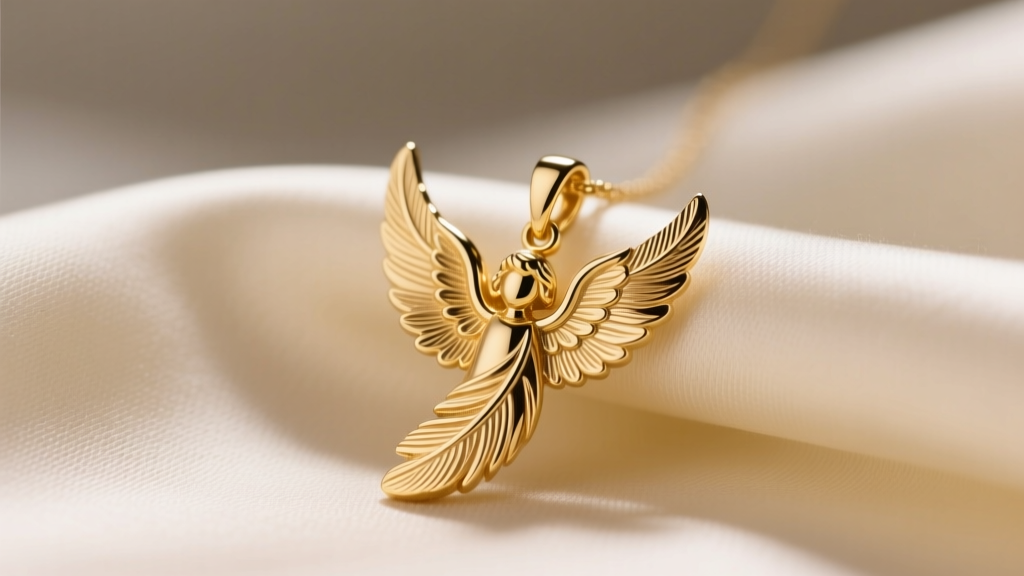
The necklace angel motif has transcended its historical and religious origins to become a universal symbol of protection, remembrance, and ethereal style. Whether you are purchasing your first celestial pendant, shopping for a meaningful memorial gift, or simply looking to understand the nuances of metal grades and chain gauges, this beginner-friendly explainer will demystify the process. Choosing the right necklace angel requires more than just picking a pretty design; it involves understanding material longevity, structural integrity, and anatomical styling. In this comprehensive guide, we will explore how to select, style, and maintain your angel jewelry with expert precision.
The Enduring Appeal and Symbolism of the Necklace Angel
Historically, angel motifs in jewelry were heavily tied to the Victorian era's mourning culture, where cherubs and angel wings were common engravings on lockets and memorial pieces. Today, the necklace angel has evolved into a versatile fashion staple. For some, it represents a spiritual connection or a guardian presence. For others, it is purely an aesthetic choice that adds a touch of romanticism and softness to a modern wardrobe. Because of this dual appeal, angel pendants remain one of the most consistently searched and gifted categories in the fine and demi-fine jewelry markets.
Decoding Angel Pendant Designs: Wings, Halos, and Cherubs
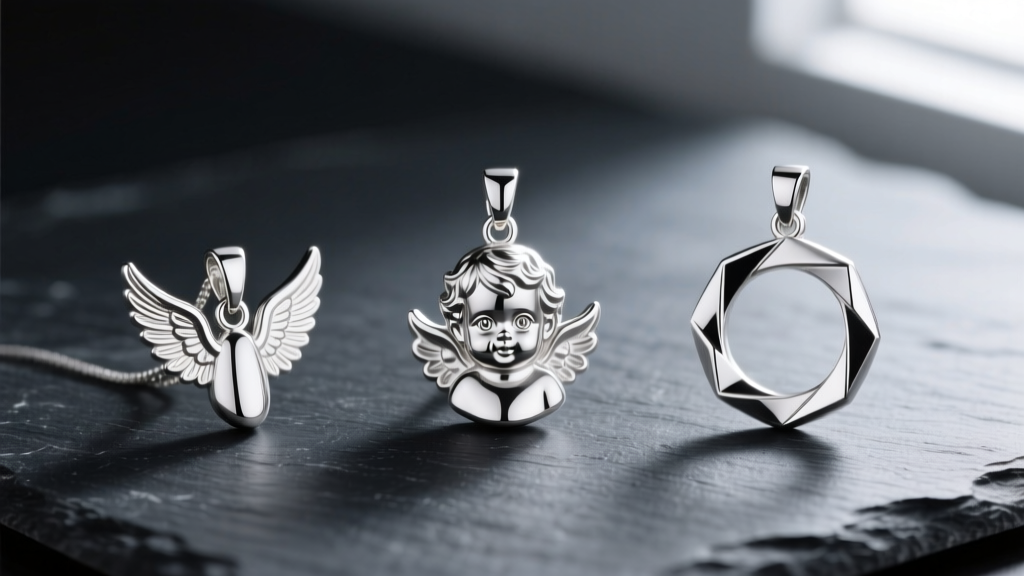
When you begin shopping, you will quickly realize that the term "necklace angel" encompasses several distinct design categories. Each style carries a different visual weight and requires specific chain pairings to look balanced. Below is a breakdown of the three most common angel pendant styles.
| Design Style | Visual Characteristics | Average Weight | Best Chain Pairing |
|---|---|---|---|
| Minimalist Wing | Sleek, single or double wing silhouettes with clean lines and high-polish finishes. | 1.0g - 3.0g | 0.8mm - 1.0mm Cable or Box Chain |
| Figurative Cherub | Detailed, 3D castings of angelic figures, often featuring intricate facial and fabric details. | 5.0g - 15.0g+ | 1.5mm - 2.5mm Rope or Wheat Chain |
| Abstract Halo | Geometric interpretations of halos or wings, sometimes incorporating pave diamonds or gemstones. | 2.5g - 6.0g | 1.2mm - 1.5mm Satin-Link or Snake Chain |
Material Grades: Looking Beyond the Shine
One of the most common mistakes beginners make when buying a necklace angel is focusing solely on the design while ignoring the base metal. The material dictates not only the price but also the pendant's lifespan and how it reacts to your skin's pH levels.
925 Sterling Silver
Sterling silver is an alloy consisting of 92.5% pure silver and 7.5% copper. The copper adds necessary structural strength, but it is also the culprit behind oxidation (tarnish). A sterling silver angel pendant is an excellent entry-level choice, typically ranging from $30 to $80. However, if you live in a humid climate or have highly acidic skin chemistry, you will need to polish the piece regularly with a microfiber cloth to prevent the copper from reacting and leaving a greenish tint on your skin.
Gold Vermeil vs. Gold Plated
It is crucial to understand the difference between standard gold plating and gold vermeil. According to the Federal Trade Commission Jewelry Guides, the term "vermeil" is strictly regulated. For a necklace angel to be legally classified as vermeil, it must have a sterling silver base and be plated with a minimum of 2.5 microns of 10k, 14k, or 18k gold. Standard gold-plated jewelry, on the other hand, often uses a brass or copper base with a microscopic "flash" of gold (usually less than 0.5 microns) that will wear off within months of daily use. Always look for the "925" stamp beneath the gold layer to verify true vermeil, which generally costs between $60 and $150.
Solid 14k and 18k Gold
For an heirloom-quality piece meant for daily, never-take-off wear, solid gold is the ultimate investment. The Gemological Institute of America (GIA) notes that 14k gold contains 58.3% pure gold, making it highly durable and resistant to scratching, while 18k gold (75% pure) offers a richer, deeper yellow hue but is slightly softer. A solid 14k gold angel pendant will typically start around $250 and can exceed $1,000 depending on the weight and gemstone accents.
The Mechanics of Chain Pairing and Bail Friction
The pendant is only half the equation; the chain is the structural foundation. A frequent failure mode in angel necklaces is "bail wear." The bail is the small loop at the top of the pendant that slides onto the chain. If you hang a heavy, 10-gram cast cherub pendant on a thin, 0.8mm cable chain, the constant friction will act like a microscopic saw. Over time, the bail will literally slice through the soft metal of the chain links, resulting in a broken necklace and a lost pendant.
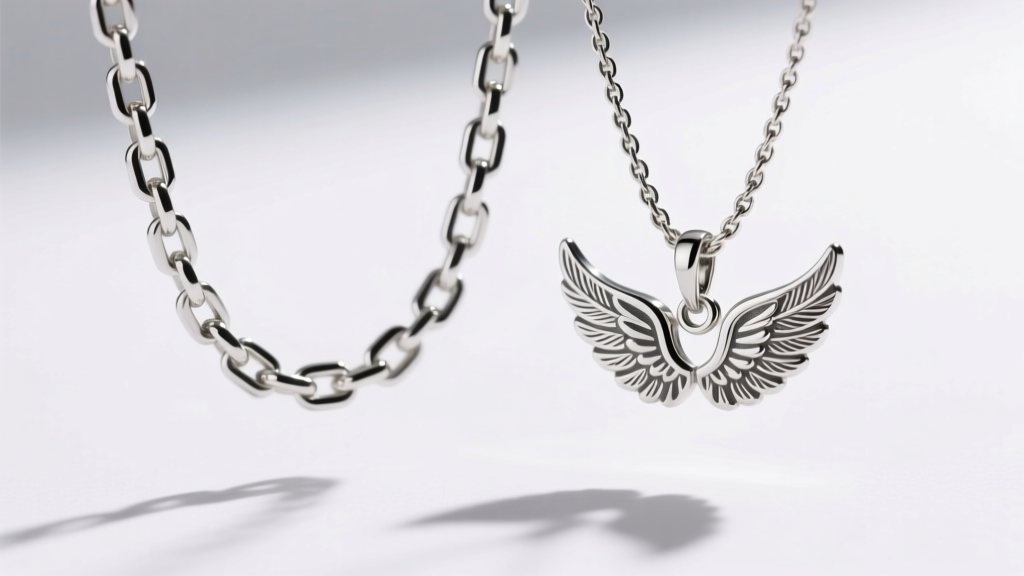
To prevent this, match the chain gauge to the pendant weight:
- Lightweight Pendants (Under 4 grams): Opt for a 0.9mm to 1.2mm box chain or cable chain. Box chains are particularly excellent for angel wings because their square, interlocking links lay flat against the skin and reflect light beautifully, mimicking the structured feathers of a wing.
- Mid-Weight Pendants (4 to 8 grams): A 1.2mm to 1.5mm wheat chain (also known as a spiga chain) provides incredible tensile strength due to its braided, multi-directional link structure, ensuring the bail glides smoothly without catching.
- Heavy Pendants (Over 8 grams): You need a 1.8mm to 2.5mm rope chain. The twisted, helical links distribute the weight of a heavy figurative angel evenly, preventing stress fractures at the clasp and jump rings.
Length and Neckline Harmony
Where your necklace angel rests on your chest dramatically alters its visual impact and the outfits it complements. Here is a quick anatomical guide to chain lengths:
16-Inch (The Collarbone)
This length sits snugly at the base of the neck, right on the clavicle. It is ideal for delicate, minimalist wing pendants. A 16-inch chain pairs perfectly with V-necks, scoop necks, and off-the-shoulder tops, drawing the eye upward and framing the face.
18-Inch (The Standard)
Falling just below the collarbone, the 18-inch length is the most versatile and universally flattering. It allows a mid-sized angel pendant to rest comfortably without getting caught in the collar of a button-down shirt. This is the recommended starting point for beginners buying their first angel necklace.
20 to 24-Inch (The Sternum)
Longer chains allow the pendant to rest on the sternum. This length is mandatory if you plan to wear your angel necklace over turtlenecks, heavy knit sweaters, or as the bottom layer in a multi-pendant layering stack. Heavier, larger cherub designs often look more proportionate at this length, as the extra chain helps balance the visual weight of the pendant against the torso.
Care, Maintenance, and Troubleshooting
To keep your necklace angel looking pristine, proper storage and cleaning are non-negotiable. Never store silver or vermeil jewelry in humid environments like bathroom counters. Instead, keep your pendant in an airtight ziplock bag with an anti-tarnish silica strip or a piece of anti-tarnish treated flannel.
Expert Troubleshooting Tip: If your sterling silver angel pendant has developed heavy, blackened oxidation in the intricate feather crevices, avoid harsh chemical dips. Instead, line a glass bowl with aluminum foil, add a tablespoon of baking soda, and pour in boiling water. Submerge the silver pendant for 60 seconds. The electrochemical reaction will transfer the sulfur tarnish from the silver to the foil, instantly restoring the angel's original brilliance without stripping away the metal's natural patina.
By understanding the interplay between design symbolism, metal purity, and structural mechanics, you can confidently select a necklace angel that is not only visually stunning but built to last a lifetime. Whether you choose a feather-light 14k gold wing or a substantial sterling silver cherub, your celestial pendant will remain a timeless anchor in your jewelry collection.


