Berserker Necklace OSRS Fans Love: Real-World Viking Jewelry
Discover how to translate the iconic berserker necklace OSRS players know into real-world Viking jewelry. Explore materials, chains, and styling tips.

From Gielinor to Reality: The Berserker Aesthetic
For millions of players grinding through the Fremennik province or battling in the TzHaar Fight Caves, the visual language of Old School RuneScape is deeply tied to Norse mythology and volcanic grit. When fans search for a berserker necklace osrs equivalent in the real world, they aren't just looking for cheap cosplay props; they are seeking heavy, authentic, and durable Viking-inspired jewelry that captures the raw energy of their favorite game. In 2026, the crossover between gaming merch and high-quality artisan jewelry has never been stronger, with bespoke smiths crafting pieces that bridge the gap between digital loot and everyday wearable art.
Historically, Norse berserkers (or úlfhéðnar) were warriors who fought in a trance-like fury, often draped in the pelts of wolves or bears. Their jewelry was not delicate; it was forged from bronze, iron, and silver, featuring aggressive motifs like snarling wolves, interlaced knotwork, and runic inscriptions. Translating this into a modern wardrobe requires an understanding of material science, chain mechanics, and structural integrity. This guide will break down exactly how to source, style, and maintain a real-world berserker necklace that would make any Gielinor warrior proud.
Material Science: Obsidian, Bronze, and Steel
The most iconic visual cue for a berserker necklace is the use of dark, volcanic materials paired with antiqued metals. However, not all materials are created equal when it comes to daily wear. Understanding the metallurgy and gemology of your necklace is critical to ensuring it survives the real world.
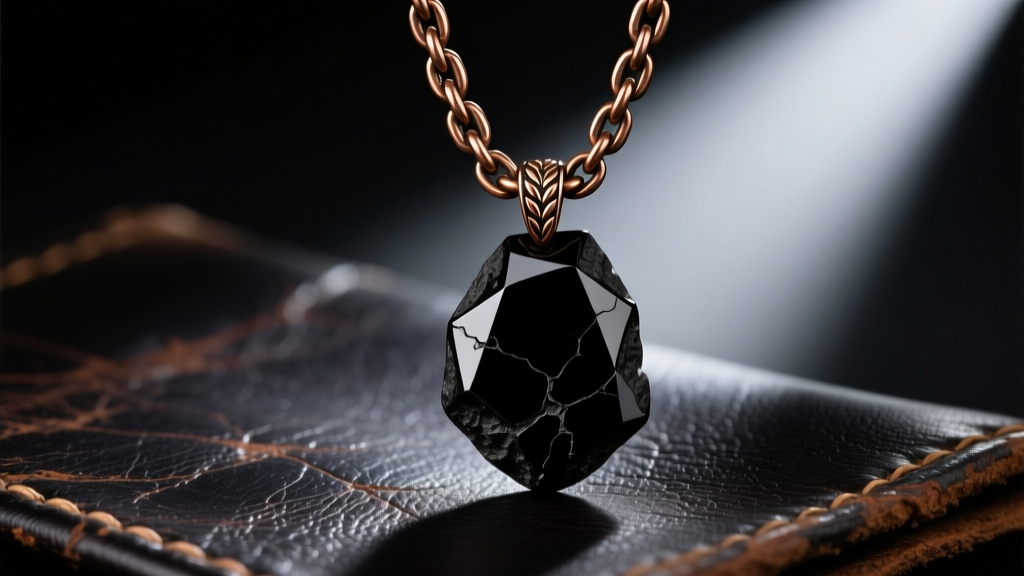
Obsidian: The Volcanic Glass
Obsidian is a naturally occurring volcanic glass formed when felsic lava cools rapidly. While it is stunning and deeply tied to the TzHaar aesthetic in OSRS, it is notoriously brittle. According to the Gemological Institute of America, obsidian ranks at 5 to 5.5 on the Mohs hardness scale. More importantly, it exhibits a conchoidal fracture, meaning it can chip or shatter if struck against a hard surface. If you choose an obsidian pendant, ensure it is set in a protective bezel or a heavy prong setting with a reinforced bail to absorb shock.
Bronze and Antiqued Silver
Bronze (an alloy of copper and tin) is the most historically accurate metal for Viking-era jewelry. It develops a rich, dark patina over time, giving it a weathered, battle-worn look. However, the copper content can react with the acids in your sweat, occasionally leaving a harmless green tint on your skin. For those who want the antique look without the oxidation, rhodium-plated 925 sterling silver offers a darkened, oxidized finish that is sealed and hypoallergenic.
316L Stainless Steel
For a modern, indestructible alternative, 316L marine-grade stainless steel is the gold standard for heavy men's jewelry. It will not tarnish, it is entirely hypoallergenic, and it possesses the tensile strength required to support massive, 50-gram pendants without warping.
| Material | Hardness / Durability | Maintenance Level | Avg. Price Range |
|---|---|---|---|
| Obsidian (Pendant) | Mohs 5-5.5 (Brittle) | High (Avoid impacts) | $40 - $150 |
| Cast Bronze | High tensile strength | Medium (Patina care) | $60 - $200 |
| 925 Sterling Silver | Medium (Scratches easily) | High (Polishing) | $120 - $400 |
| 316L Steel | Extremely High | Low (Soap & water) | $30 - $120 |
Chain Mechanics: Supporting Heavy Pendants
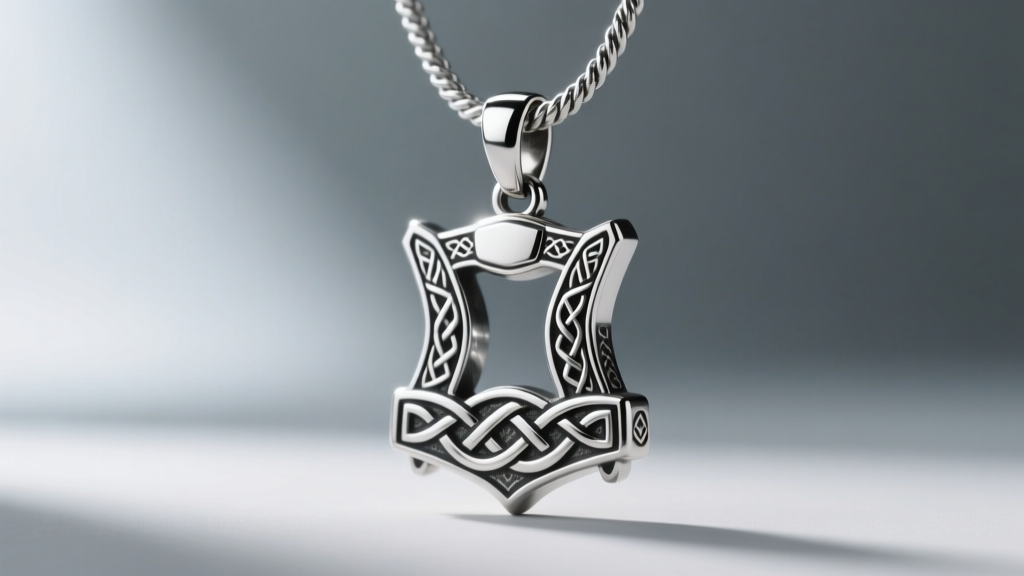
A common mistake beginners make when buying Viking jewelry is pairing a massive, 40-gram bronze Mjolnir or wolf-head pendant with a thin, lightweight chain. This not only looks visually unbalanced, but it also guarantees the chain will snap under the pendulum effect of a heavy pendant swinging against your chest. For a true berserker aesthetic, you need chains with high structural integrity.
- Wheat (Spiga) Chains: Woven from four strands of oval links, wheat chains are incredibly resilient. The braided structure distributes weight evenly, making a 4mm to 5mm wheat chain the ideal workhorse for pendants weighing up to 60 grams.
- Rope Chains: Created by twisting metal links into a spiral, rope chains offer a brilliant, light-catching texture that contrasts beautifully with dark, matte pendants. However, the twisted links can be prone to kinking if bent sharply, so they must be stored hanging or laid perfectly flat.
- Cuban Link Chains: Characterized by thick, interlocking oval links that sit flat against the skin. A 5mm Cuban link provides an aggressive, masculine foundation that perfectly matches the rugged nature of runic or animalistic pendants.
The Clasp: The Weakest Link
Your chain is only as strong as its clasp. Avoid springring clasps entirely for heavy jewelry; the internal tension spring will inevitably fail. Instead, insist on a solid lobster claw clasp with a soldered jump ring, or a heavy-duty toggle clasp. Toggle clasps, where a T-bar is pulled through a circular ring, are historically inspired and exceptionally secure for heavy necklaces, as the weight of the pendant keeps the T-bar locked horizontally against the ring.
Sizing and Neckline Pairing
The drop length of your necklace dictates how it interacts with your wardrobe. Viking pendants are typically larger and more ornate than standard minimalist jewelry, requiring careful sizing.
The 20-Inch to 22-Inch Drop
This length sits just below the collarbone. It is the most versatile choice for everyday wear, allowing the pendant to rest visibly above the neckline of a standard crew-neck t-shirt or sweater. It keeps the heavy pendant from swinging too wildly during movement.
The 24-Inch to 28-Inch Drop
Longer chains allow the pendant to rest on the sternum. This is the preferred length for layering over flannel shirts, hoodies, or tactical outerwear. A 24-inch drop gives the necklace a relaxed, rugged drape that aligns perfectly with the 'wanderer' or 'ranger' aesthetic often associated with OSRS lore.
Long-Term Care and Maintenance
Proper maintenance ensures your jewelry survives for decades. The care routine depends entirely on the materials you have chosen.
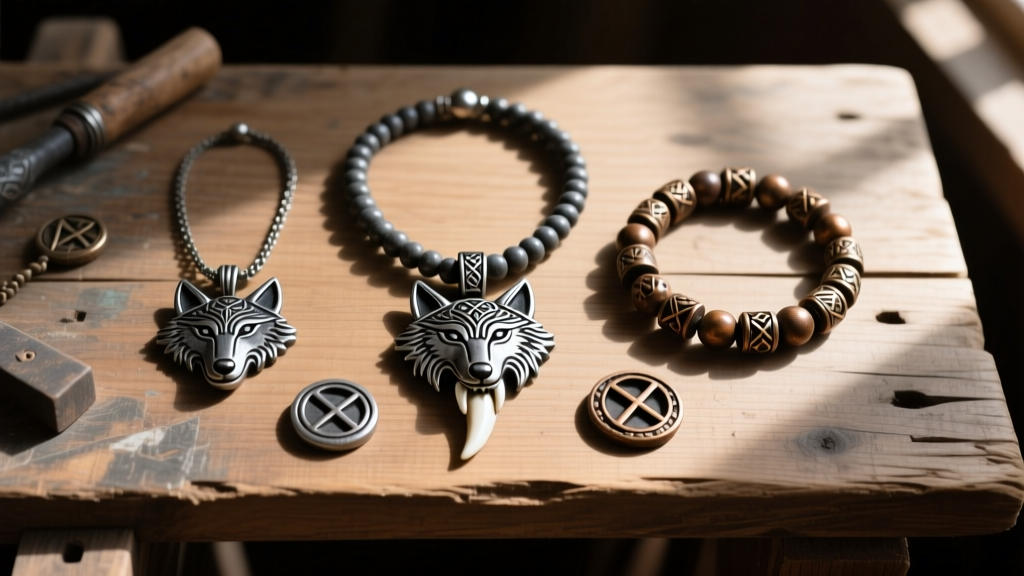
Jeweler's Tip: Never put obsidian, bone, or wood components in an ultrasonic cleaner. The high-frequency vibrations can cause microscopic fractures in volcanic glass and shatter organic materials. Always clean these pieces by hand.
For bronze and silver, invest in a high-quality jeweler's polishing cloth impregnated with anti-tarnish compounds. If your bronze pendant has deep, intricate knotwork where dirt accumulates, use a soft-bristled toothbrush with a mild dish soap and warm water solution. Dry it immediately to prevent water spots.
For obsidian, simply wipe it down with a microfiber cloth. If the stone becomes dull from skin oils, a quick wipe with a damp cloth and a mild glass cleaner will restore its deep, glassy luster. Store your necklace in a soft flannel pouch to prevent the metal chain from scratching the surface of the volcanic glass during transit.
Final Verdict: Building Your Loadout
Translating the berserker necklace osrs vibe into reality is about embracing weight, texture, and historical motifs. By selecting a durable 316L steel or cast bronze pendant, pairing it with a structurally sound 4mm wheat chain, and respecting the material limitations of volcanic glass, you can build a piece of jewelry that feels like it was forged in the heart of Mount Qarn. Whether you are heading to a gaming convention or simply elevating your daily streetwear, a well-crafted Norse necklace is a timeless investment in rugged, personal style.
For further reading on historical metalwork and jewelry preservation, the Silver Institute offers excellent resources on maintaining precious metals, ensuring your gear stays battle-ready for years to come.


