How to Style a Vintage Betty Jackson Black Necklace
Discover how to identify, source, and style a vintage Betty Jackson black necklace. Our beginner's guide covers materials, styling, and care tips.

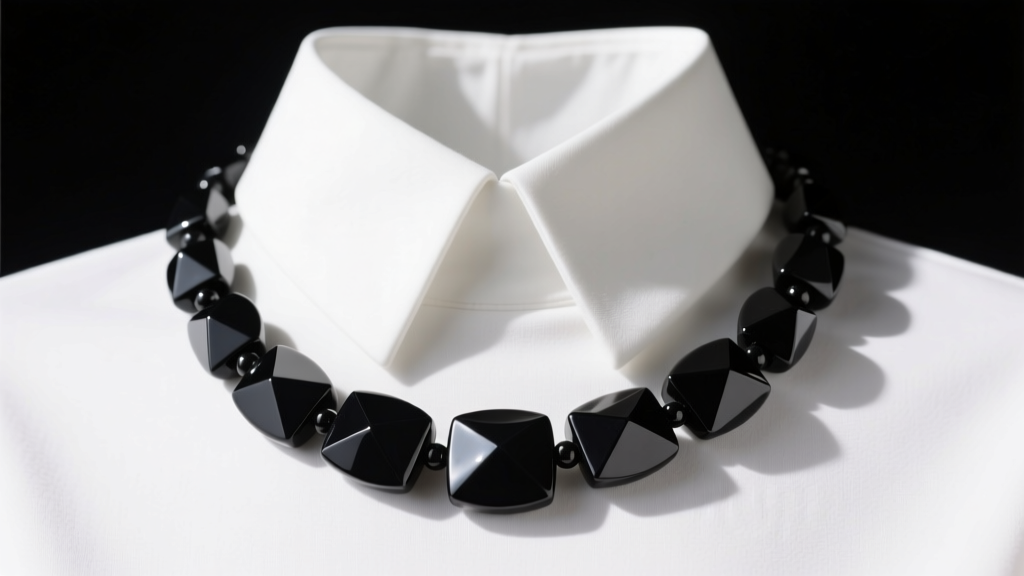
For those stepping into the world of avant-garde and archival fashion jewelry, few pieces carry the structural weight and historical intrigue of a vintage Betty Jackson black necklace. The late British designer, celebrated for her architectural silhouettes and unapologetic use of dark, dramatic palettes, treated accessories not as mere afterthoughts, but as foundational elements of her runway looks. Whether you have inherited a piece, spotted one in a vintage boutique, or are simply looking to integrate bold, gothic-tinged statement jewelry into your modern wardrobe, understanding the nuances of these archival pieces is essential.
This beginner-friendly explainer will decode the material science behind these iconic pieces, provide a framework for authenticating vintage finds, and offer actionable styling techniques to wear them with confidence in 2026.
The Legacy of the Betty Jackson Aesthetic
Emerging from the vibrant London fashion scene of the 1970s and 1980s, Betty Jackson (who was awarded an OBE in 2007) was a pioneer of the 'designer black' movement. While her contemporaries often relied on vibrant prints, Jackson utilized black as a textural and structural tool. Her jewelry designs mirrored this philosophy. A classic Betty Jackson black necklace is rarely a delicate, subtle chain; instead, it is an oversized, sculptural statement piece designed to alter the wearer's silhouette.
According to the Victoria and Albert Museum Fashion Archives, Jackson's work frequently blurred the lines between clothing and sculpture. Her necklaces often featured exaggerated geometric shapes, oversized links, and dark, moody materials that complemented her signature draped jersey and architectural wool garments. Understanding this historical context is crucial: when you wear one of these pieces, you are wearing a piece of British fashion history that was designed to command attention.
Decoding the Materials: What Makes It Authentic?
When hunting for an authentic vintage piece, the first step is material identification. Jackson's costume jewelry was crafted from a variety of mid-to-late 20th-century synthetics and treated metals. Here is a deep dive into the materials you will encounter:
1. Vulcanite and Ebonite
Popular in her earlier 1980s collections, vulcanite is a hardened rubber that mimics the look of jet or black onyx. It is lightweight but features a distinct, slightly matte finish. Authentication Tip: Vulcanite will emit a faint, distinct rubber scent when rubbed vigorously or warmed slightly. Over time, it can develop a brownish patina if exposed to prolonged sunlight.
2. Carved Lucite and Acrylic Resin
By the 1990s, Jackson heavily utilized opaque black Lucite and poured acrylic resins to create massive, chunky geometric beads and pendants. These materials are highly durable, cold to the touch, and possess a satisfying, heavy 'clack' when the beads strike one another. Unlike cheaper modern plastics, vintage Lucite does not have a mold seam running down the center of the bead.
3. Oxidized Base Metals and Silver
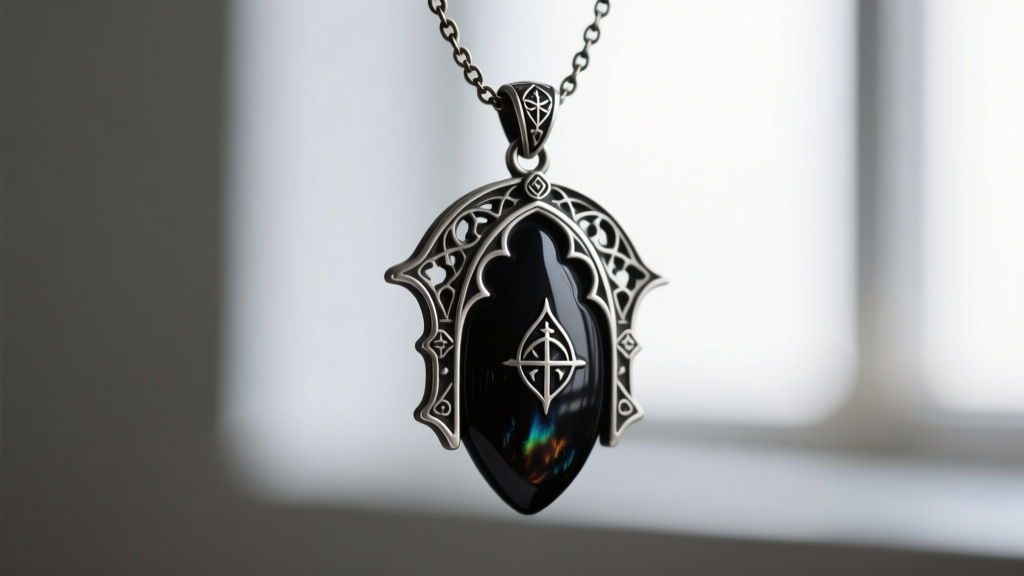
Hardware and chain links were frequently crafted from brass or sterling silver that had been deliberately oxidized (blackened) to create a moody, antiqued patina. This technique highlighted the carved gothic or industrial motifs etched into the metal.
Sourcing and Valuation Matrix
The secondary market for archival British fashion jewelry has surged in recent years. Platforms like 1stDibs, Vestiaire Collective, and specialized Etsy vintage curators are your best resources. Below is a valuation and sourcing guide to help you navigate the market and avoid overpaying for misattributed pieces.
| Material Type | Primary Era | Average Market Price (USD) | Key Authentication Marker |
|---|---|---|---|
| Vulcanite / Hard Rubber | 1980 - 1988 | $120 - $280 | Faint rubber scent when warmed; copper or brass pin fittings. |
| Opaque Black Lucite | 1989 - 1999 | $180 - $450 | Seamless carving; heavy, cold to the touch; no chemical odor. |
| Oxidized Silver / Brass | 1985 - 2005 | $90 - $350 | Deliberate dark patina in crevices; 'Betty Jackson' or 'BJ' stamp on clasp. |
| Jet / Onyx Beadwork | 1990 - 1998 | $250 - $600+ | Heavy weight; glass-like temperature; often paired with silk knotting. |
Note: Pieces with verifiable runway provenance (e.g., documented in the Vogue Runway Designer Archive) will command a 30% to 50% premium over standard production pieces.
A Beginner’s Framework for Styling Statement Black Jewelry
The most common mistake beginners make with oversized, avant-garde necklaces is allowing the piece to overwhelm their frame or clash with busy patterns. A Betty Jackson black necklace requires a deliberate styling strategy. Use the following frameworks to integrate these bold pieces into your daily rotation.
The Rule of Contrast and Canvas
Because these necklaces rely on shadow, texture, and silhouette rather than sparkle, they need a contrasting canvas. Avoid wearing them over busy florals or chaotic prints. Instead, treat your clothing as an architectural backdrop:
- The Crisp White Poplin: An oversized white button-down with a sharp, stiff collar provides the ultimate high-contrast backdrop for a chunky black Lucite collar.
- The Silk Slip Dress: The delicate, fluid drape of a bias-cut silk slip dress (in ivory, champagne, or even stark black) creates a masterful tension against the rigid, heavy geometry of a vulcanite pendant.
- The Architectural Turtleneck: In colder months, a fine-gauge black merino wool turtleneck allows an oxidized silver and resin sautoir (long necklace) to lay flat and elongate the torso.
Neckline Mapping
The length and volume of the necklace must dictate your neckline choice. If you are wearing a massive, multi-strand resin choker, opt for a deep V-neck or an off-the-shoulder asymmetrical top to expose the collarbone and prevent the jewelry from looking 'choked.' Conversely, long, heavy pendant necklaces pair beautifully with high boatnecks or mock-necks, drawing the eye vertically down the center of the body.

Occasion Mapping for 2026
While historically reserved for avant-garde gallery openings or high-fashion evening events, the modern styling approach embraces 'high-low' juxtaposition. Pair a heavy, gothic-tinged Betty Jackson pendant with a vintage denim jacket and a simple white tee for weekend wear. The key is to let the necklace be the sole focal point—remove all other jewelry, including earrings and rings, to allow the archival piece to breathe.
Archival Care and Preservation
Vintage synthetics and treated metals require specific care protocols to prevent irreversible degradation. If you have invested in a genuine piece, follow these strict preservation guidelines:
Expert Warning: Never use commercial silver dips or ultrasonic cleaners on oxidized metals or vintage resins. These chemicals will strip the deliberate black patina and cause Lucite to cloud or crack.
- UV Protection: Vintage Lucite and vulcanite are highly susceptible to UV degradation. Prolonged exposure to direct sunlight will cause black vulcanite to turn a sickly brown and Lucite to become brittle. Always store your necklaces in a dark, lined jewelry box.
- Moisture Control: Oxidized brass and silver hardware can develop verdigris (green corrosion) if stored in humid environments like a bathroom. Include silica gel packets in your storage drawers to maintain a stable humidity level below 50%.
- The 'Wear and Wipe' Protocol: Body oils and modern perfumes contain alcohols and acids that can dull the finish of carved resins. After every wear, gently wipe the beads and pendants with a dry, lint-free microfiber cloth before returning them to storage.
Conclusion
Owning and styling a vintage Betty Jackson black necklace is an exercise in wearing wearable art. By understanding the material science of 1980s and 1990s synthetics, knowing how to authenticate pieces on the secondary market, and applying structural styling frameworks, you can seamlessly integrate these bold, historical garments into your modern wardrobe. Approach these pieces not just as accessories, but as architectural anchors that define your personal silhouette.


