The Big Fake Pearl Necklace: 2026 Value & Budget Guide
Discover if a big fake pearl necklace is worth your budget. We compare glass, shell, and resin materials, pricing, and durability for 2026.

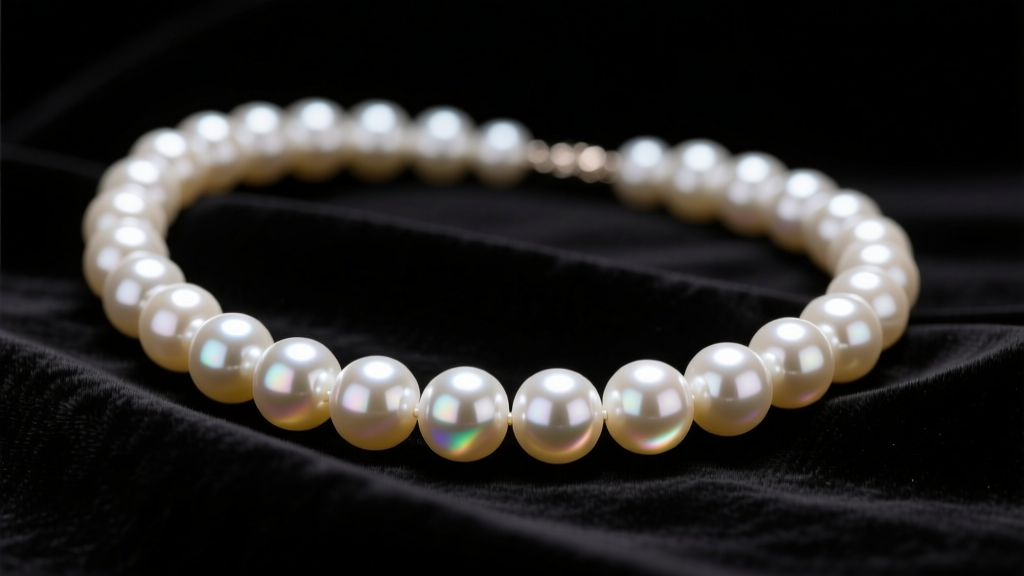
The Maximalist Shift: Why Go Faux in 2026?
The maximalist jewelry movement has firmly cemented the big fake pearl necklace as a staple of modern editorial and everyday street style. As we navigate the 2026 trend cycle, oversized 14mm to 18mm pearls are dominating runways and influencer feeds alike. However, sourcing genuine freshwater or saltwater pearls at these massive dimensions is a financial endeavor that can easily exceed $5,000 to $10,000 for a perfectly matched, high-luster strand. This astronomical price point has driven a massive surge in the demand for high-quality pearl simulants.
But not all faux pearls are created equal. The market is currently flooded with everything from $15 plastic strands that degrade in a single season to $250 artisan-crafted glass pearls that rival the depth of genuine nacre. As a buyer, how do you separate a genuine value investment from cheap costume jewelry? This comprehensive budget and value assessment breaks down the material science, hardware integrity, and pricing matrices you need to know before purchasing a large-scale faux pearl strand.
Material Science: Decoding the 'Fake' Pearl
To accurately assess value, you must first understand what you are actually buying. According to the GIA Gem Encyclopedia, pearl simulants are categorized by their core material and the composition of their outer pearlescent coating. When shopping for oversized beads, the core material dictates the drape, weight, and ultimate lifespan of the necklace.
1. Coated Glass (The Heavyweight Champion)
The gold standard for high-end faux pearls—popularized by heritage brands like Majorica—utilizes a dense, lead-free glass or barium silicate core. The true value lies in the coating process. Premium manufacturers use synthetic mica, titanium dioxide, or guanine crystals (historically derived from fish scales, known as essence d'orient) suspended in a UV-resistant lacquer. A high-value glass pearl undergoes 20 to 30 individual coats, baked in specialized ovens to create a deep, blemish-free luster that mimics the light refraction of real nacre. Because glass is dense, a 16-inch strand of 14mm glass pearls will weigh a substantial 75 to 90 grams, providing a luxurious, heavy drape that feels expensive against the collarbone.
2. Shell-Based Simulants (The Organic Illusion)
A step down in price but still highly respectable, shell pearls are crafted from pulverized oyster shells bound together with a resin matrix. These are molded into perfect spheres and coated with a polyurethane pearlescent spray. While they offer a slightly warmer, more organic feel than glass, they are lighter (typically 55 to 70 grams for a chunky strand). The primary failure mode for shell pearls is the topcoat; exposure to the natural acidity of human skin (pH 4.5 to 6.0) and alcohol-based perfumes can cause the polyurethane layer to yellow or peel after 3 to 5 years of heavy wear.
3. ABS Resin and Acrylic (The Budget Lightweight)
If you are buying a massive 20mm bead necklace for under $30, you are buying injection-molded ABS plastic. These beads are incredibly lightweight (a full strand may weigh less than 25 grams), which causes them to sit awkwardly on the chest, lacking the kinetic swing of heavier materials. They are typically coated in a single layer of pearl spray paint. As noted by The Gem Society, these coatings lack depth and will inevitably chip at the drill holes where the beads rub against one another.
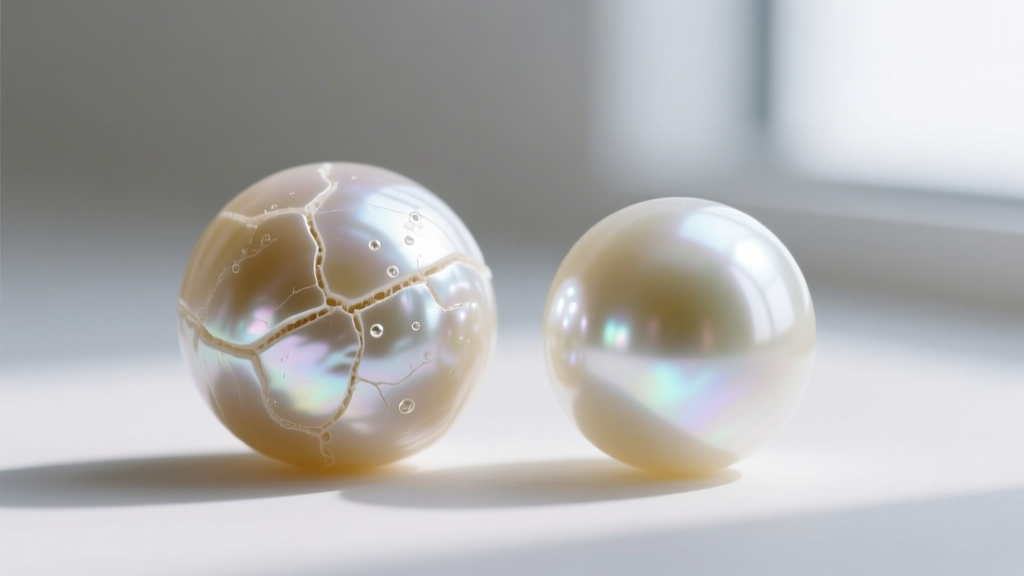
The 2026 Value & Pricing Matrix
When evaluating a big fake pearl necklace, use this matrix to determine if the retailer's price aligns with the material reality. If a seller is asking $150 for a lightweight, resin-based strand, you are paying for a brand name, not material value.
| Material Core | Bead Size | Strand Weight | Fair Price Range | Coating Lifespan |
|---|---|---|---|---|
| Lead-Free Glass | 14mm - 16mm | 75g - 95g | $80 - $250 | 10+ Years |
| Oyster Shell | 12mm - 14mm | 55g - 70g | $40 - $120 | 3 - 5 Years |
| ABS Resin | 16mm - 20mm | 15g - 25g | $12 - $35 | 1 - 2 Years |
Hardware Assessment: The Hidden Cost Factor
A frequently overlooked aspect of value assessment is the hardware. Heavy, oversized faux pearls place immense dynamic tension on the clasp mechanism. A standard base-metal lobster claw clasp—often found on necklaces under $50—will eventually warp or snap under the 80+ gram swing weight of a glass pearl strand.
High-value necklaces utilize heavy-duty magnetic clasps or reinforced fold-over box clasps crafted from brass with thick 14k gold vermeil or rhodium plating. Magnetic clasps are particularly vital for maximalist pearl strands, as they distribute the tension evenly and prevent the catastrophic failure of a dropped necklace. Furthermore, inspect the drill holes. High-end manufacturers use diamond-tipped micro-drills that leave clean, sharp edges, whereas cheap manufacturers use heated needles that melt the plastic or chip the glass, creating jagged edges that quickly saw through the silk or nylon threading.
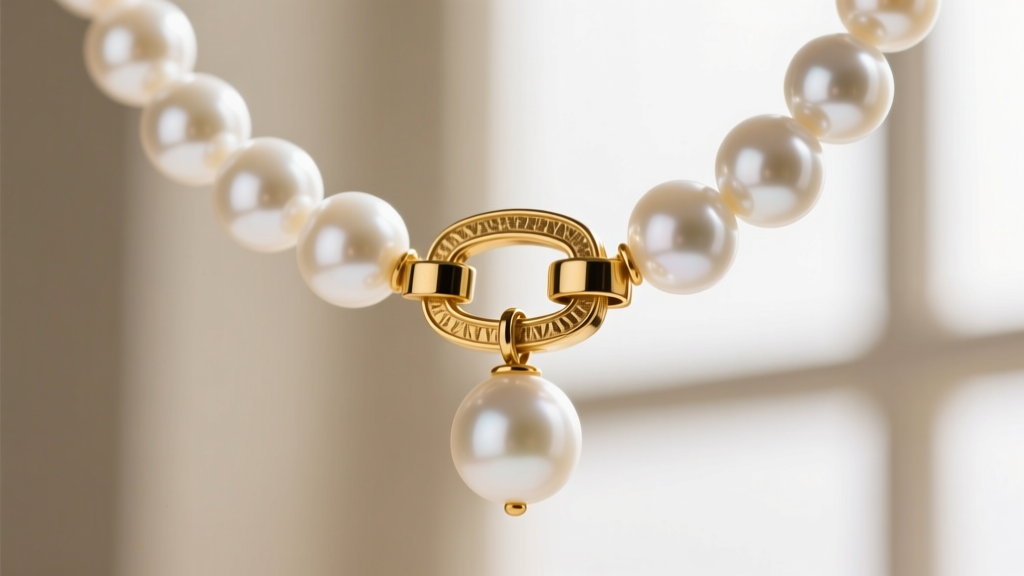
The 4-Point Inspection Framework
When shopping in person or evaluating high-resolution macro photos online, apply this four-point framework to verify the quality of the necklace:
- The Temperature Test: Glass and shell pearls possess high thermal conductivity. When pressed against the skin or the back of your hand, they should feel distinctly cool and take several seconds to warm up. Resin and acrylic beads will immediately feel room-temperature or warm.
- The Tooth Test (Modified): While real pearls feel gritty like sandpaper against the biting edge of your tooth, high-end glass simulants often incorporate synthetic mica to replicate this exact texture. Cheap plastic, however, will feel perfectly, unnaturally smooth.
- The Equator Seam Check: Inspect the beads under direct light. Injection-molded resin and cheap shell pearls often feature a faint, raised seam running around the equator of the bead where the two halves of the mold met. Flawless glass pearls will have no seams.
- The Luster Depth Test: Look at the reflection of a light source on the bead's surface. High-value multi-coated pearls will show a soft, glowing halo with a slightly sharper center reflection. Single-coated spray pearls will look like a flat, mirrored surface with harsh, white-hot reflections and no inner glow.
Final Verdict: Budget Allocation
"Never compromise on the core material when buying oversized faux pearls. A heavy glass pearl strand tricks the eye and the body into feeling luxury, whereas lightweight plastic immediately betrays its costume origins, no matter how beautiful the initial coating appears."
If your budget allows for $80 to $150, strictly target multi-coated glass pearl strands with secure magnetic hardware. This price bracket offers the ultimate intersection of visual impact, tactile luxury, and decade-long durability. Reserve the $20 resin strands strictly for single-use editorial shoots or ultra-trend-based outfits that you do not plan to wear beyond the current season. By understanding the material weight, coating chemistry, and hardware mechanics, you can confidently invest in a big fake pearl necklace that delivers maximum style without the fine-jewelry markup.


