Birthdate Necklace Materials: Gold, Silver & Enamel
Discover the best metals and enamels for a birthdate necklace. Compare durability, tarnish resistance, and pricing for gold, silver, and platinum.

The Anatomy of a Commemorative Piece
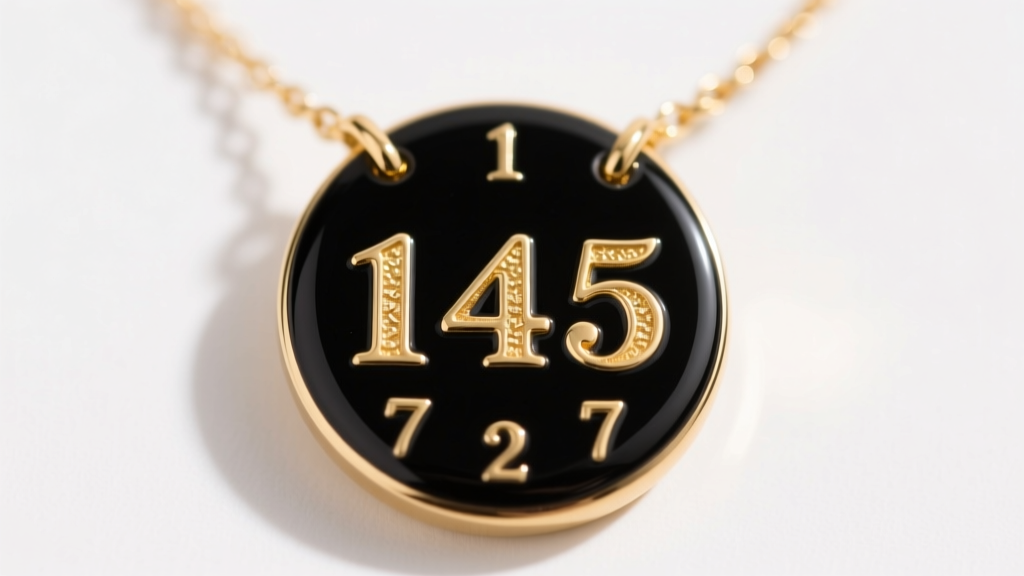
A birthdate necklace is more than a fleeting jewelry trend; it is a permanent, wearable timestamp. Whether commemorating a child’s arrival, a milestone anniversary, or a personal reinvention, the way a date is rendered—be it through delicate Roman numerals, modern minimalist digits, or floral month representations—relies entirely on the materials chosen to craft it. As we navigate the jewelry market in 2026, consumers are increasingly prioritizing longevity and material integrity over fast-fashion aesthetics. The anatomy of a high-quality birthdate pendant relies on three structural pillars: the base metal alloy, the contrast medium (often enamel), and the structural integrity of the chain. Understanding the metallurgical and chemical properties of these components is the only way to ensure your commemorative piece survives daily wear without degrading, tarnishing, or snapping.
Base Metal Showdown: 14k Gold, Sterling Silver, and Platinum
When selecting the base metal for a birthdate necklace, you are essentially choosing the structural foundation of the pendant. Pure 24k gold is far too soft (Vickers hardness of ~25 HV) to hold the crisp edges of engraved or cast numerals. Therefore, jewelers rely on specific alloys. Below is a comparative matrix of the most common metals used in premium date pendants.
| Metal Alloy | Hardness (Vickers) | Tarnish Resistance | Avg. Price per Gram (2026) | Best Application |
|---|---|---|---|---|
| 14k Yellow Gold (58.5%) | 130 - 150 HV | High | $45 - $55 | Everyday wear, crisp casting |
| 18k Yellow Gold (75%) | 115 - 125 HV | Very High | $60 - $75 | Heirloom pieces, rich color |
| Sterling Silver (925) | 60 - 70 HV | Low (Oxidizes) | $1.50 - $2.50 | Budget-friendly, occasional wear |
| Platinum (950) | 110 - 130 HV | Impervious | $35 - $45 | Hypoallergenic, heavy pendants |
The 14k vs. 18k Gold Dilemma
The choice between 14k and 18k gold dictates both the visual warmth and the physical resilience of your birthdate necklace. 14k gold is alloyed with copper, silver, and zinc, granting it a higher tensile strength that resists micro-scratching and bending. According to the Gemological Institute of America (GIA), the specific alloy mix in 14k gold makes it the undisputed champion for daily-wear chains and pendants that endure friction against clothing and skin. 18k gold, while boasting a richer, deeper yellow hue due to its higher pure gold content, is inherently softer. If your birthdate pendant features intricate, raised numerals or delicate milgrain edges, 18k gold will show wear patterns and soften those edges much faster than 14k.
The Reality of Sterling Silver and Platinum
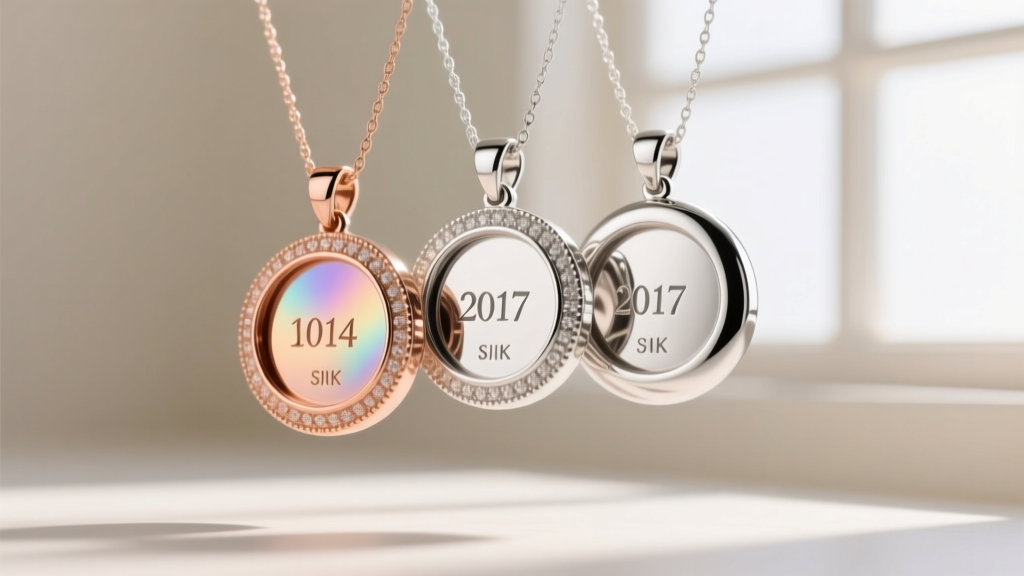
Sterling silver (92.5% silver, 7.5% copper) remains the most accessible entry point for birthdate jewelry. However, the copper content makes it highly susceptible to oxidation, especially when exposed to the sulfur compounds naturally present in human sweat and urban air pollution. While rhodium plating can delay this, it is a temporary cosmetic fix that will wear off within 6 to 12 months of daily friction. Platinum, conversely, is a dense, hypoallergenic metal that does not tarnish. Instead of losing metal when scratched, platinum merely displaces, developing a soft, matte patina over time that many collectors prize. For a heavy, solid-disc birthdate pendant weighing over 8 grams, platinum provides a luxurious, substantial drape that gold cannot match without becoming prohibitively expensive.
The Enamel Factor: Adding Contrast to the Date
To make the numerals on a birthdate necklace legible from a distance, jewelers frequently utilize enamel backgrounds. The contrast between a dark enamel disc and bright gold numerals is a hallmark of contemporary commemorative jewelry. However, not all enamel is created equal, and the distinction between vitreous and cold enamel will dictate the lifespan of the piece.
Vitreous (Kiln-Fired) Enamel
Vitreous enamel is essentially powdered glass fused to a metal substrate at extreme temperatures, typically around 1400°F (760°C). The Enamel Arts Foundation notes that this firing process creates a permanent, chemical bond between the glass and the metal. Vitreous enamel boasts a Mohs hardness of 5 to 6, meaning it is highly resistant to scratching from everyday materials like cotton, wool, or skin. It will not yellow under UV exposure, nor will it degrade from contact with perfumes or lotions. If you are investing in a high-end birthdate necklace intended to be passed down as an heirloom, vitreous enamel is a non-negotiable requirement.
Cold (Epoxy) Enamel
Cold enamel is not glass at all; it is a two-part epoxy resin tinted with pigments. It is cured at room temperature and is predominantly used in mass-produced, lower-tier jewelry. While it offers vibrant, opaque colors right out of the box, cold epoxy enamel is highly vulnerable to environmental degradation. Prolonged exposure to ultraviolet light will cause the resin to yellow and become brittle. Furthermore, epoxy enamel has a much higher coefficient of thermal expansion than the metal it sits on, meaning that leaving your necklace in a hot car or wearing it in a sauna can cause the enamel to crack or pop out of its bezel entirely.
Chain Gauge and Clasp Mechanics
A common failure point in birthdate necklaces is not the pendant itself, but the chain supporting it. As we move through 2026, the market has seen a definitive shift away from ultra-thin, fragile chains toward substantial, heirloom-quality gauges. A solid gold or enamel date pendant typically weighs between 4 and 10 grams. Suspending this weight on a 0.5mm thread chain is a recipe for disaster.
- Box Chains (0.9mm - 1.2mm): The interlocking square links distribute weight evenly and resist kinking. A 1.0mm box chain is the gold standard for pendants weighing up to 12 grams.
- Rolo Chains (1.5mm - 2.0mm): Featuring uniform round links, rolo chains offer excellent tensile strength and a vintage aesthetic that pairs beautifully with Roman numeral date pendants.
- Cable Chains (0.8mm - 1.0mm): While classic, standard cable chains are prone to stretching and snapping under the pendulum motion of a heavy pendant. Avoid them for pieces over 5 grams.
Equally critical is the clasp. Spring-ring clasps, while cheap to produce, feature a tiny internal spring that frequently fails or gets stuck. Always insist on a lobster claw clasp with a reinforced soldered jump ring. According to Jewelers of America, the lobster claw's lever mechanism provides vastly superior security, ensuring that a momentary snag on a sweater does not result in the loss of a deeply sentimental piece.
Long-Term Maintenance by Material
Proper maintenance of a birthdate necklace requires understanding the chemical limitations of its materials. Never place an enameled pendant in an ultrasonic cleaner; the high-frequency vibrations will shatter vitreous glass and strip cold epoxy resin. For routine cleaning, use a solution of warm water and a few drops of pH-neutral dish soap. Agitate gently with a soft-bristled baby toothbrush to remove sebum and dead skin cells from the crevices of the numerals. For sterling silver pieces that have oxidized, use a specialized silver dip for no longer than 10 seconds, followed by an immediate and thorough rinse in distilled water to halt the chemical reaction. Store the necklace flat in an anti-tarnish cloth pouch to prevent the chain links from tangling and abrading the pendant's surface.
Final Verdict: Which Material Should You Choose?
The ideal material for your birthdate necklace depends entirely on your wear habits and budget. For a piece you intend to wear 24/7—including in the shower and at the gym—14k yellow or white gold paired with a vitreous enamel disc and a 1.0mm box chain is the ultimate framework for indestructible daily wear. If the necklace is reserved for special occasions and you prioritize a rich, buttery gold hue, 18k gold is a stunning, albeit softer, alternative. Sterling silver remains a beautiful, accessible option, provided you are willing to commit to a bi-weekly polishing regimen to keep the date numerals bright and legible. By prioritizing material science over fleeting aesthetics, you ensure that the date stamped on your chest remains as permanent as the memory it represents.


