Expert Care Guide: Cleaning Your BK Necklace Safely
Learn how to safely clean, store, and maintain your bk necklace. Expert tips on protecting fragile black kyanite from scratches and damage.

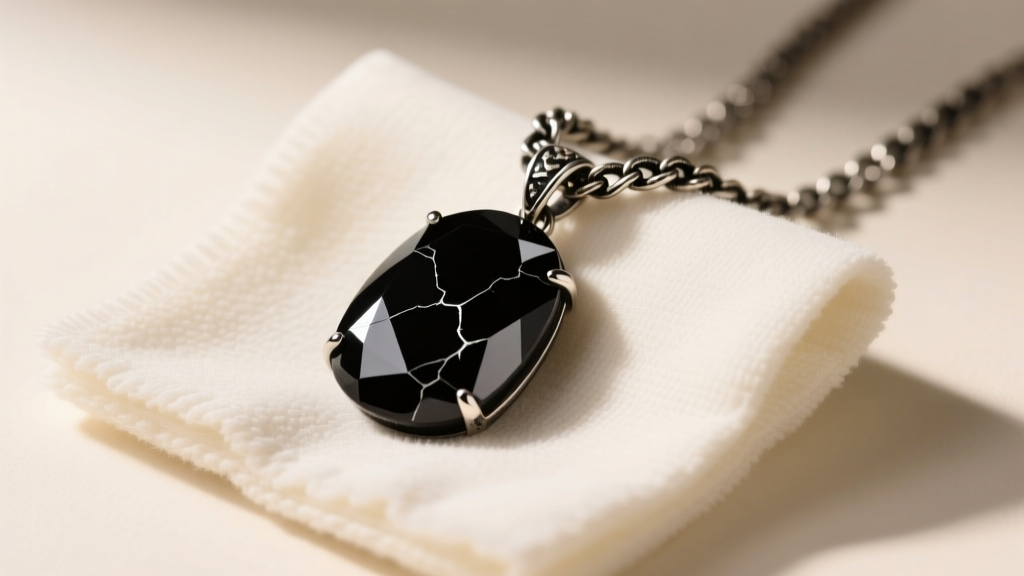
The Unique Appeal and Fragility of Black Kyanite
When you invest in a bk necklace, you are acquiring a piece of jewelry that features one of the most visually striking and mineralogically fascinating gemstones on the market: black kyanite. Known for its deep, midnight hues and striking fibrous or bladed crystal formations, black kyanite offers a bold, alternative aesthetic that pairs beautifully with both oxidized sterling silver and warm gold vermeil. However, the very structural properties that give this stone its unique visual character also make it exceptionally vulnerable to improper care. Unlike diamonds or sapphires, a bk necklace cannot be subjected to standard commercial jewelry cleaning methods. Understanding the specific mineralogical profile of black kyanite is the first step in ensuring your pendant remains pristine for decades.
The Mineralogy of BK: Why It Demands Special Care
To properly care for your jewelry, you must understand the science of the stone. According to the Gemological Institute of America (GIA), kyanite is an aluminum silicate mineral that crystallizes in the triclinic system. Its most defining characteristic—and its greatest vulnerability—is its highly anisotropic hardness. On the Mohs scale of mineral hardness, kyanite exhibits a dual hardness rating: it measures between 4.5 and 5 parallel to the length of its crystal blades, but jumps to 6.5 or 7 perpendicular to them. Furthermore, kyanite possesses perfect cleavage in one direction and a distinct parting in another. This means that if your bk necklace is struck at the wrong angle, or subjected to high-frequency vibrations, the stone can easily split, splinter, or fracture along its natural crystal planes. This structural reality dictates that aggressive cleaning techniques are strictly prohibited.
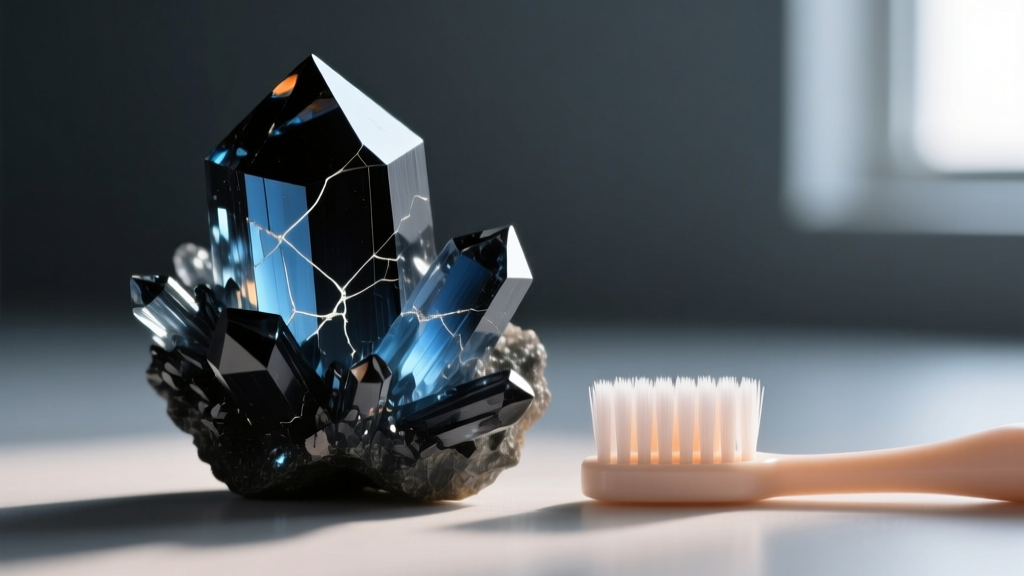
Critical Failure Modes: What Destroys a BK Necklace
Many well-meaning jewelry owners inadvertently destroy their black kyanite pendants by applying cleaning methods suitable for harder, more durable stones like quartz or corundum. Here are the primary failure modes you must avoid:
1. Ultrasonic Cleaners
Ultrasonic cleaners use high-frequency sound waves to create microscopic cavitation bubbles in a liquid solution. When these bubbles collapse, they release intense shockwaves. While this is excellent for dislodging dirt from the prongs of a diamond ring, these micro-explosions will easily exploit the perfect cleavage of black kyanite, causing internal fracturing or completely shattering the bladed crystal structure of your pendant.
2. Steam Cleaners
Steam cleaning introduces sudden, extreme temperature changes to the gemstone. Black kyanite is highly susceptible to thermal shock. The rapid expansion and contraction caused by high-pressure steam can induce stress fractures, leading to a cloudy appearance or catastrophic structural failure of the stone.
3. Harsh Chemical Solvents
Commercial jewelry dips, ammonia-based cleaners, and bleach can degrade the natural luster of black kyanite. While kyanite is generally resistant to mild acids, prolonged exposure to harsh alkaline solutions or abrasive chemical polishes can strip the stone of its natural polish, leaving it looking dull and pitted.
The Safe Cleaning Protocol: Step-by-Step
To safely remove body oils, environmental dust, and cosmetic residue from your bk necklace, follow this gentle, lapidary-approved cleaning protocol. This method relies on mechanical agitation using ultra-soft tools and pH-neutral surfactants.
- Step 1: Dry Dusting. Before introducing any moisture, use a clean, dry microfiber cloth to gently wipe away loose surface dust. This prevents abrasive particles from being dragged across the stone's surface during the wet wash.
- Step 2: Prepare the Solution. In a small glass bowl, mix lukewarm distilled water with a single drop of pH-neutral, unscented liquid Castile soap. Distilled water is crucial here; tap water contains dissolved minerals and chlorine that can leave microscopic hard-water deposits in the fibrous grooves of the black kyanite.
- Step 3: Gentle Agitation. Submerge only the pendant for no more than two minutes. Using an extra-soft baby toothbrush, gently sweep the bristles across the stone in the direction of the crystal blades. Never scrub in circular motions, as this can catch the cleavage planes and cause micro-splintering.
- Step 4: The Rinse and Pat-Dry. Rinse the pendant briefly under a slow stream of lukewarm distilled water. Immediately place the necklace on a plush cotton towel and gently pat it dry. Do not rub the stone vigorously, and ensure no moisture is trapped in the bail or the setting prongs.
Chain Care Without Compromising the Pendant
Cleaning the chain of your bk necklace requires a bifurcated approach, as the chemicals used to polish metals can harm the kyanite. If your necklace features a sterling silver chain, it will naturally oxidize and tarnish over time due to exposure to sulfur in the air and hydrogen sulfide from skin contact. To clean the chain without damaging the pendant, wrap the black kyanite stone securely in a soft, dry cloth to shield it from any metal polishes. Use a treated jeweler's polishing cloth (impregnated with micro-abrasives and anti-tarnish agents) to gently rub the silver chain links. If your bk necklace features a gold vermeil chain (a thick layer of gold over sterling silver), never use a treated polishing cloth, as the micro-abrasives will strip the gold layer away. Instead, simply wipe the vermeil chain with a damp microfiber cloth and dry it immediately.
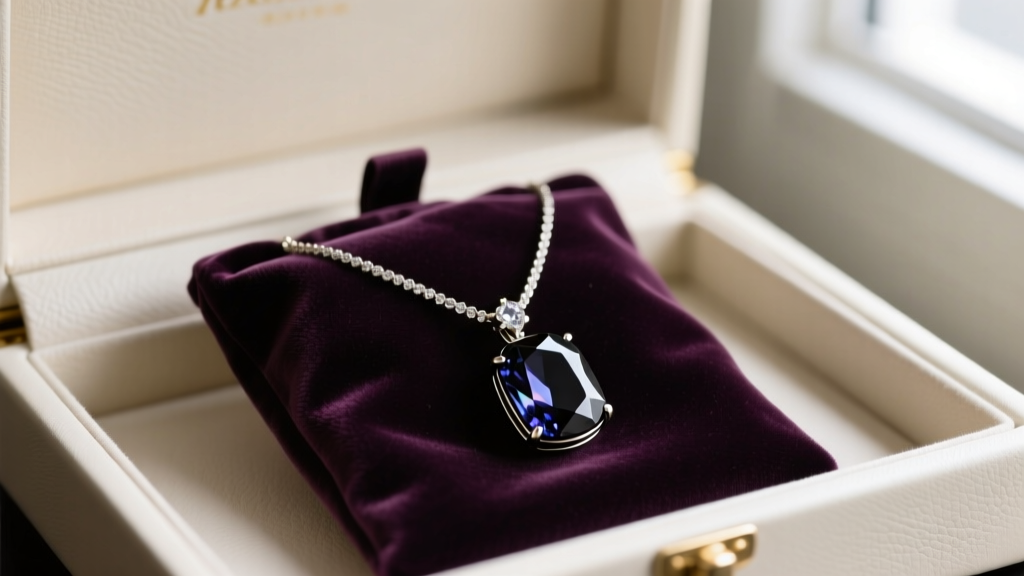
Storage and Environmental Protection
Proper storage is just as critical as proper cleaning. Because black kyanite sits at a 4.5 to 5 on the Mohs scale, it is significantly softer than many common jewelry materials and environmental contaminants. For instance, ordinary airborne dust often contains microscopic particles of quartz (Mohs 7), which can easily scratch the surface of a black kyanite pendant if it is left exposed or tossed loosely into a jewelry box.
| Material | Mohs Hardness | Risk to BK Necklace |
|---|---|---|
| Diamond | 10 | Severe scratching and gouging |
| Sapphire/Ruby | 9 | Severe scratching and gouging |
| Quartz (Dust) | 7 | Moderate to severe surface scratching |
| Black Kyanite (BK) | 4.5 - 5 | N/A (Baseline) |
| Sterling Silver | 2.5 - 3 | Low risk, but silver can tarnish the stone |
As Mindat.org notes in its comprehensive mineralogical database, the distinct cleavage of kyanite means it must be protected from hard impacts. Always store your bk necklace in a dedicated, soft-lined jewelry pouch or a compartmentalized box where it will not come into contact with harder gemstones or metal clasps. Anti-tarnish velvet pouches are highly recommended, as they protect the stone from physical abrasion while simultaneously absorbing the ambient sulfur that tarnishes the metal chain.
Long-Term Maintenance and Lapidary Realities
It is important to understand the lapidary limitations of black kyanite. If your pendant becomes heavily scratched or loses its polish due to years of wear, it cannot simply be re-polished by a standard jeweler. The fibrous nature and perfect cleavage of the stone make it notoriously difficult to cut and polish; attempting to re-polish a finished kyanite cabochon or faceted stone often results in the stone tearing, pitting, or shattering under the polishing wheel. Therefore, preventative care and gentle, consistent cleaning are your only viable strategies for maintaining the visual integrity of your jewelry. By avoiding ultrasonic vibrations, harsh chemicals, and improper storage, your bk necklace will retain its dark, mysterious luster and structural integrity for a lifetime of wear.


