Black Gem Necklace Value Guide 2026: Onyx vs Obsidian
Discover the true value of a black gem necklace in 2026. Compare pricing for onyx, obsidian, and spinel, and learn to spot dyed stones and cheap hardware.

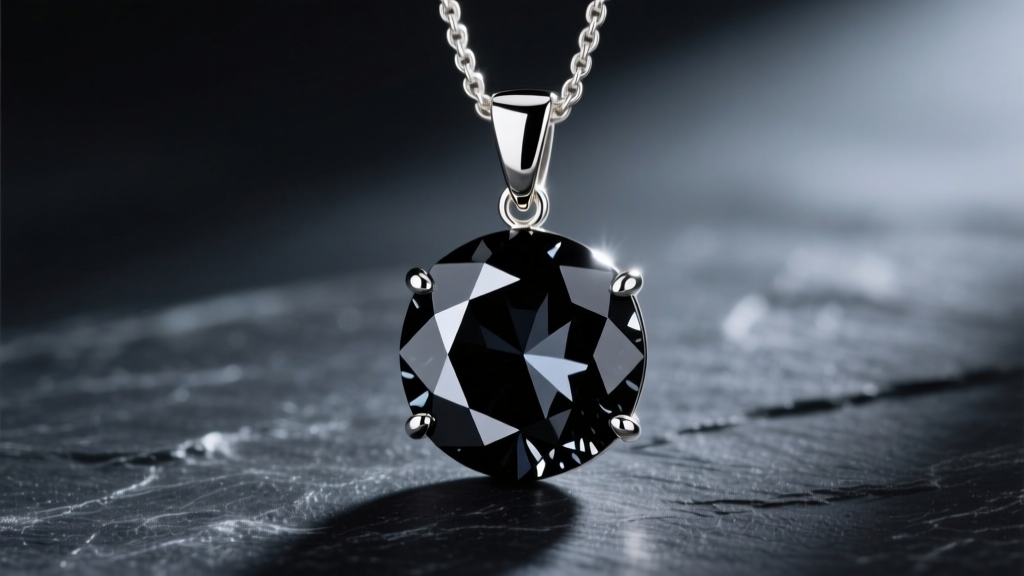
The True Cost of Darkness: Assessing Black Gemstone Value
When shopping for a black gem necklace, consumers are frequently trapped in a cycle of overpaying for treated stones or underestimating the hardware required to support them. The market is saturated with dark, opaque pendants and beaded strands, but the geological reality and market value of these stones vary wildly. A strand of natural black spinel holds intrinsic gemological value, while a string of dyed agate masquerading as onyx is essentially costume jewelry. In 2026, with supply chain shifts and increased consumer demand for alternative gothic and minimalist aesthetics, knowing how to assess the budget and true value of dark gemstones is critical for any serious jewelry buyer.
To make an informed purchase, you must look past the superficial "black" label and evaluate the Mohs hardness, treatment history, and structural integrity of the gemstone, as well as the quality of the chain and clasp hardware. According to the Gemological Institute of America (GIA), the most common black gemstones used in necklaces include onyx, obsidian, black tourmaline, black spinel, and black diamond. Each occupies a completely different pricing tier.
The Hierarchy of Black Gemstones: Value vs. Cost
Not all black gems are created equal. The table below breaks down the primary stones used in black gem necklaces, comparing their geological hardness, typical market pricing for a standard 18-inch strand or pendant, and the primary value drivers.
| Gemstone | Mohs Hardness | Avg. Price (18" Strand/Pendant) | Treatment Reality | Value Verdict |
|---|---|---|---|---|
| Black Onyx | 6.5 - 7 | $25 - $80 | 95% are dyed gray agate | Low intrinsic value; pay for the cut/setting only. |
| Obsidian | 5 - 5.5 | $15 - $40 | Untreated volcanic glass | Budget-friendly but highly prone to chipping. |
| Black Tourmaline (Schorl) | 7 - 7.5 | $40 - $120 | Generally untreated | Excellent mid-tier value; heavily included. |
| Black Spinel | 8 | $150 - $400+ | Rarely treated | High value; superior luster and durability. |
| Black Diamond | 10 | $300 - $1,500+ | Often irradiated/heated | Premium tier; ensure natural vs. treated certification. |
Spotting Fakes: The Sugar Treatment and Dye Tests
The most common deception in the black gemstone market is the sale of dyed agate as natural black onyx. True, naturally occurring black onyx is exceedingly rare. The vast majority of commercial "onyx" necklaces are actually gray or white banded agate that has undergone a centuries-old process known as sugar carbonization. According to mineralogical data from Mindat.org, agate is porous. Manufacturers soak the stones in a hot sugar water solution for weeks, allowing the sugar to penetrate the microscopic pores. The stones are then submerged in hot sulfuric acid, which carbonizes the sugar, turning the stone permanently black.

While the sugar treatment is stable and accepted in the jewelry trade, it means the stone has virtually no intrinsic gemological value. You are paying for the lapidary work (the cutting and polishing) rather than the rarity of the material. If a vendor is charging premium prices (over $100 for a simple beaded strand) claiming it is "untreated natural black onyx," they are likely misrepresenting the product.
How to Test for Surface Dyes at Home
While sugar-carbonized onyx is stable, cheaper black gem necklaces are sometimes surface-dyed using organic black dyes that can bleed onto your skin or clothing. To perform a budget assessment on a stone you already own or are inspecting in person:
- The Acetone Test: Dip a cotton swab in pure acetone (nail polish remover) and rub it vigorously on an inconspicuous area of the bead, such as near the drill hole. If the cotton turns black or dark green, the stone is surface-dyed and holds zero resale value.
- The Magnification Check: Use a 10x jeweler's loupe to inspect the drill holes and surface fractures. In dyed stones, you will see concentrated pools of dark dye trapped in the microscopic cracks, creating a spiderweb effect. Natural black spinel or tourmaline will show uniform color distribution, though tourmaline will feature natural internal striations and fractures that do not contain dye.
Chain Materials and Clasp Hardware: Where Budgets Fail
A massive oversight when assessing the value of a black gem necklace is ignoring the hardware. Black gemstones, particularly beaded strands of tourmaline or heavy carved onyx pendants, carry significant physical weight. Pairing a $200 black spinel pendant with a hollow, electroplated brass chain is a structural failure waiting to happen.
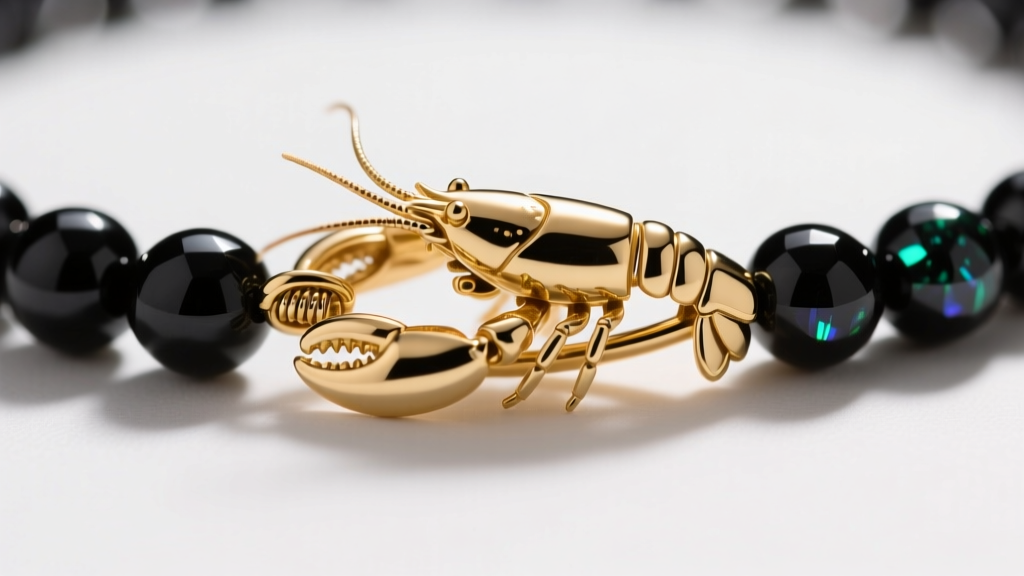
When evaluating the budget of a necklace, scrutinize the metal findings. The Federal Trade Commission (FTC) Jewelry Guides strictly regulate metal stamping, and understanding these terms will save you from overpaying for disguised base metals.
- Gold Vermeil vs. Gold-Filled: Vermeil is sterling silver plated with a minimum of 2.5 microns of gold. It is beautiful but will eventually wear off with friction. Gold-filled (stamped 1/20 14k GF) features a much thicker mechanical bond of gold to a brass core. For heavy black gem pendants that swing and rub against the chain, gold-filled offers vastly superior longevity for a similar budget.
- Clasp Mechanics: Never buy a heavy beaded black tourmaline or onyx necklace with a simple spring-ring clasp. The internal spring mechanism in cheap spring rings fails under the dynamic weight of heavy stone beads. Insist on a solid lobster clasp or a magnetic neodymium clasp with a safety chain. Furthermore, ensure the beads are strung on braided steel wire or high-test nylon, not basic silk cord, which degrades rapidly when exposed to skin oils and the sharp edges of stone drill holes.
2026 Pricing Tiers: What You Should Actually Pay
To finalize your budget assessment, use this framework to determine if a black gem necklace is priced fairly in the current market.
Tier 1: The Fashion Budget ($20 - $60)
What you get: Dyed agate (onyx), obsidian, or glass imitations. Sterling silver or gold-plated brass chains. Spring ring clasps. Value Assessment: Perfectly acceptable for trendy, seasonal fashion jewelry. Do not expect heirloom longevity. Obsidian in this tier is natural but will chip if dropped on tile. Ensure the plating on the chain is at least 1 micron thick to prevent immediate tarnishing.
Tier 2: The Mid-Range Enthusiast ($80 - $250)
What you get: Natural black tourmaline (with visible inclusions), well-carved onyx set in solid 14k gold or heavy gold-filled wire, and high-quality braided steel stringing. Value Assessment: This is the sweet spot for daily wear. Black tourmaline offers excellent durability (Mohs 7.5) and a raw, organic aesthetic. You are paying for the labor of matching the beads and the reliability of the hardware.
Tier 3: The Investment & Fine Jewelry Tier ($300 - $1,000+)
What you get: Faceted black spinel, natural untreated black diamonds, or custom-carved onyx cameos set in solid 18k gold or platinum with secure lobster or hidden box clasps. Value Assessment: At this price point, demand independent lab reports (like GIA or AGS) for black diamonds to ensure they haven't been artificially irradiated. Black spinel should exhibit a glassy, highly reflective luster that outshines onyx. You are paying for optical precision, rare untreated materials, and precious metal weight.
Final Verdict on Black Gemstone Value
Ultimately, the value of a black gem necklace is not dictated solely by the darkness of the stone, but by the transparency of its origins and the quality of its construction. By recognizing the difference between carbonized agate and natural spinel, testing for surface dyes, and demanding hardware that can withstand the weight of the gems, you can confidently navigate the market. Whether you are investing in a sleek black diamond pendant for evening wear or a rugged black tourmaline strand for daily protection, applying these strict budget and value assessments ensures your jewelry collection remains both beautiful and financially sound.


