How to Fix Necklace Chains: A Metal Material Properties Guide
Learn how to fix necklace chains based on metal properties. Compare solder types, melting points, and repair techniques for gold, silver, and platinum.

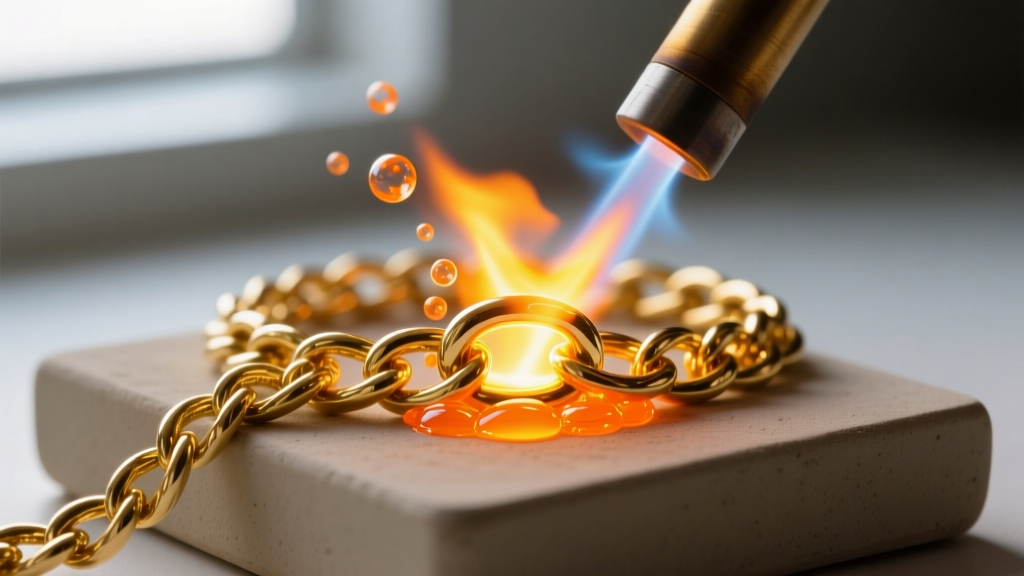
The Metallurgy of Necklace Repairs: Why Material Dictates Method
When a beloved chain snaps, the immediate instinct is to search for how to fix necklace breaks quickly. However, treating all metals equally is the fastest route to permanently ruined jewelry. The process of repairing a necklace is fundamentally an exercise in applied metallurgy. Every metal alloy possesses a unique crystalline structure, thermal conductivity rate, and oxidation threshold. In 2026, advanced bench jeweler techniques rely heavily on understanding these specific material properties before a torch is ever ignited.
A successful chain repair requires the filler metal (solder) to flow seamlessly into the joint without melting the base metal. If a jeweler or DIY enthusiast misidentifies the alloy, the intense heat required for one metal can instantly liquefy or warp another. This guide breaks down the exact material properties, solder grades, and thermal behaviors of common necklace metals to ensure a flawless, lasting repair.
Precious Metals: Gold, Silver, and Platinum Repair Profiles
Karat Gold Alloys and Solder Grades
Pure 24k gold melts at 1,948°F (1,064°C), but it is too soft for chain manufacturing. Necklaces are typically crafted from 10k, 14k, or 18k gold, where alloying metals like copper, silver, and zinc are added for tensile strength. As the karat increases, the melting point actually decreases because pure gold melts at a lower temperature than copper or silver. Therefore, an 18k gold chain will melt faster under a torch than a 10k chain.
To fix necklace chains made of gold, jewelers use specialized gold solders categorized by their flow temperatures:
- Hard Solder (Flow temp ~1,490°F): Used for the initial chain manufacturing and major structural repairs. It requires high heat but creates the strongest joint.
- Medium Solder (Flow temp ~1,410°F): Ideal for fixing broken links where adjacent joints already exist, preventing the original solder from re-melting.
- Easy Solder (Flow temp ~1,325°F): Used for delicate clasp attachments or final jump-ring closures where minimal heat is desired.
Expert Insight: Never use Easy solder to fix a link in the middle of a gold chain. The friction and body heat transferred to the necklace during daily wear can cause low-temperature solders to weaken or fail over time.
Sterling Silver and the Thermal Conductivity Challenge
Sterling silver (92.5% silver, 7.5% copper) is notorious among bench jewelers for its extreme thermal conductivity. Silver dissipates heat faster than almost any other jewelry metal. When you apply a torch flame to one link of a silver cable chain, the heat races down the entire chain in seconds. To fix necklace chains made of silver, you must use heat sinks—such as cross-locking titanium tweezers or damp paper towels—to protect the surrounding links from melting.
Furthermore, the copper content in sterling silver causes fire scale (cupric oxide) when heated in the presence of oxygen. This manifests as a dark, stubborn purple-grey stain on the metal. To combat this, a borax-based paste flux must be applied before soldering, and the chain must be submerged in a warm sodium bisulfate pickle solution immediately after the repair to dissolve the oxidation.
Platinum’s High-Temperature Demands
Platinum is a dense, highly durable metal with a staggering melting point of 3,215°F (1,768°C). According to the Gemological Institute of America (GIA), platinum's unique property is that it does not oxidize or lose metal mass when heated. Unlike gold or silver, platinum develops no fire scale.
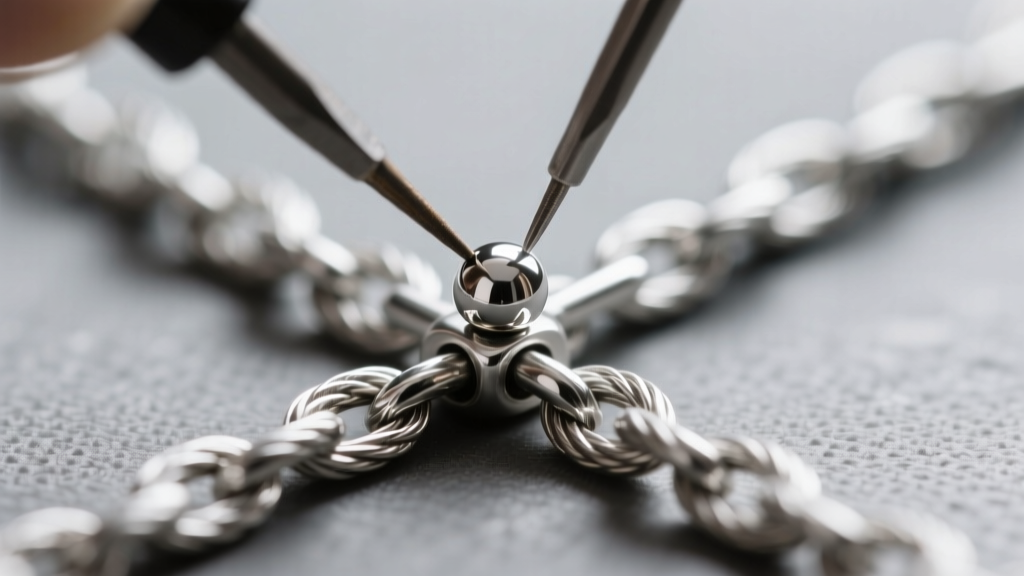
However, this high melting point makes it incredibly difficult to fix necklace chains using traditional butane or propane torches. Platinum repairs typically require a hydrogen-oxygen "water torch" capable of reaching extreme temperatures. Platinum solder is actually a platinum-palladium or platinum-gold alloy designed to flow slightly below the base metal's melting point. Because platinum holds heat locally rather than dissipating it like silver, the jeweler must use a highly focused, pinpoint flame to avoid warping the delicate links surrounding the break.
Alternative & Industrial Metals: Titanium, Tungsten, and Steel
The rise of alternative metals in men's and minimalist jewelry has complicated the repair landscape. If you are trying to fix necklace chains made from these materials, traditional soldering is entirely off the table.
- Titanium: When heated to high temperatures in the presence of oxygen, titanium oxidizes violently and becomes incredibly brittle. It cannot be torch-soldered. Repairs require a specialized laser welder operating inside an argon-gas shielding chamber to prevent atmospheric contamination.
- Tungsten Carbide: Known for its extreme scratch resistance, tungsten is also highly brittle. It cannot be soldered, welded, or bent. If a tungsten chain breaks, the only viable fix is a mechanical repair using replacement jump rings, or complete link replacement.
- Stainless Steel: While steel can be laser-welded or silver-soldered using highly corrosive fluoride-based fluxes, the resulting joint often discolors and lacks the tensile strength of the base metal. Mechanical clasp replacements are usually preferred.
Material Comparison Chart for Chain Repairs
Understanding the exact thermal thresholds is critical for any jeweler. The table below outlines the core properties that dictate how to fix necklace chains across different materials.
| Metal / Alloy | Approx. Melting Point | Thermal Conductivity | Required Solder / Method | Oxidation Risk |
|---|---|---|---|---|
| 14k Yellow Gold | 1,600°F (871°C) | Moderate | 14k Hard/Medium Gold Solder | Moderate (requires flux) |
| 18k Yellow Gold | 1,550°F (843°C) | Moderate | 18k Hard/Medium Gold Solder | Moderate (requires flux) |
| Sterling Silver (925) | 1,640°F (893°C) | Very High | Hard Silver Solder (IT Grade) | High (Fire Scale / Cupric Oxide) |
| Platinum (950/50) | 3,215°F (1,768°C) | Low | Platinum-Palladium Solder | None (No oxidation) |
| Titanium (Grade 5) | 3,034°F (1,668°C) | Very Low | Laser Welding (Argon Shielded) | Extreme (if unshielded) |
| Stainless Steel (316L) | 2,550°F (1,400°C) | Low | Laser Welding / Mechanical | High (Chromium oxide layer) |
Diagnostic Testing Before You Fix a Necklace

Before applying any heat or chemicals, you must definitively identify the metal. Hallmarks (like 14k, 925, or PT950) can be faked or worn away. Professional jewelers rely on a triad of diagnostic tests:
- The Magnet Test: A rare-earth neodymium magnet will instantly attract stainless steel or iron-based alloys. Precious metals (gold, silver, platinum, titanium) are entirely non-magnetic. If the chain clings to the magnet, traditional precious metal solders will not bond to it.
- Specific Gravity (Density) Test: Platinum and tungsten are exceptionally dense. A platinum chain will feel noticeably heavier than a silver or white gold chain of the exact same dimensions.
- Acid Testing: Using a black touchstone and varying concentrations of nitric acid, a jeweler can determine the exact karat of gold. As noted by Rio Grande Jewelry Supply, matching the solder's karat to the chain's karat is essential; using 10k solder on an 18k chain will result in a visible, discolored seam that fails to match the surrounding alloy color.
Laser Welding vs. Traditional Torch Soldering in 2026
The modern jewelry bench has evolved significantly. While traditional gas torches remain the standard for gold and silver chain repairs, pulse-arc and laser welding technologies have revolutionized how we fix necklace chains made of difficult materials.
Laser welders deliver a concentrated burst of light energy that melts metal in a fraction of a millisecond. This localized heat transfer means a jeweler can repair a broken link on a delicate 14k gold chain inches away from a heat-sensitive gemstone (like an opal or emerald) without removing the stone. For titanium and stainless steel chains, laser welding is often the only viable repair method, provided the welding chamber is flooded with argon gas to prevent the metal from reacting with atmospheric oxygen.
"The secret to an invisible chain repair isn't just steady hands; it's a deep respect for the metallurgical limits of the alloy. You must let the metal's thermal properties dictate your flame size, your flux choice, and your solder grade."
Ultimately, learning how to fix necklace chains is about matching the repair material to the base metal's exact chemical composition. Whether you are managing the rapid heat dissipation of sterling silver or the extreme melting threshold of platinum, respecting the material properties ensures the necklace remains strong, beautiful, and ready for years of continuous wear.


