Blessed Necklace Buying Guide: Materials, Meanings & Styles
Discover what to look for when buying a blessed necklace. Compare metal grades, chain strengths, and cultural authenticity in our expert guide.

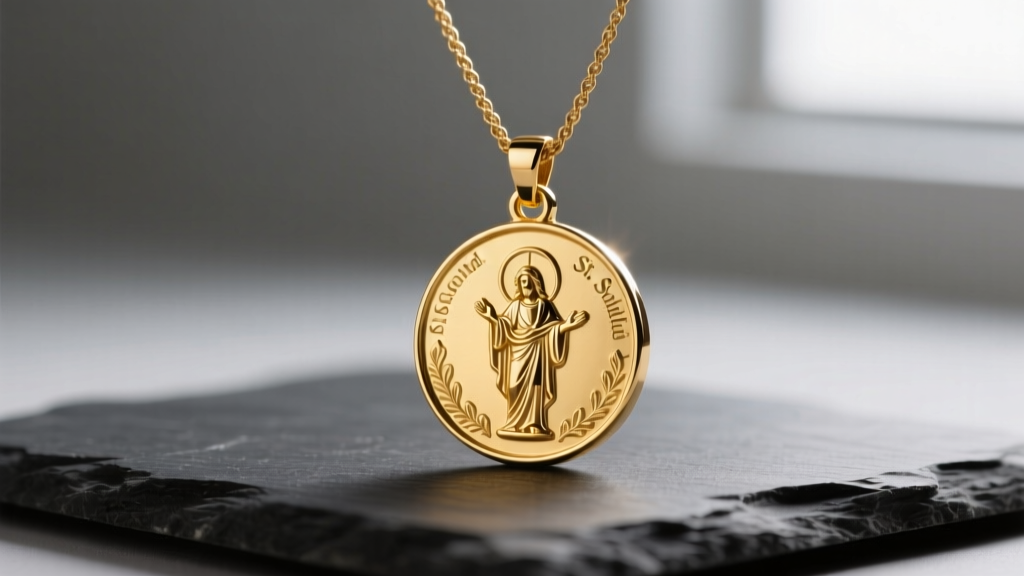
The Anatomy of a Blessed Necklace: Beyond the Aesthetic
In 2026, the jewelry market has seen a massive shift toward mindful adornment. A blessed necklace is no longer just a fleeting fashion trend; it is a deeply personal talisman, an anchor for intention, or a symbol of cultural and spiritual heritage. Whether you are seeking a traditional religious medal, a protective Nazar (evil eye), a Hamsa hand, or an intention-setting crystal pendant, the physical construction of the piece must be as resilient as the meaning behind it. Buying a blessed necklace requires looking past the surface symbolism to evaluate metallurgy, structural integrity, and gemological durability. This comprehensive guide breaks down exactly what to look for when investing in a piece meant to be worn close to your heart every single day.
Decoding the Blessing: Cultural Authenticity vs. Mass Production
The first step in buying a blessed necklace is understanding the origin of the symbol. According to historical archives at the British Museum, the use of amulets and blessed pendants dates back thousands of years, serving as physical conduits for protection and spiritual connection. Today, fast-fashion retailers often mass-produce sacred symbols like the Om, the St. Benedict medal, or the Hamsa without regard for traditional proportions or cultural respect.
What to Look For:
- Artisan Provenance: For culturally specific amulets (like a Tibetan Gau box or a Turkish Nazar), seek out jewelers who source directly from artisans within that culture. This ensures the piece carries genuine traditional weight rather than being a hollowed-out aesthetic copy.
- Engraving Precision: On religious medals (such as the Miraculous Medal or St. Christopher), check the strike quality of the engraving. High-quality dies produce sharp, legible text and distinct facial features, whereas cheap castings look muddy and blurred.
- Intentional Gemstones: If your 'blessing' is rooted in crystal healing or mindfulness, verify that the stones are natural and untreated. Many cheap spiritual necklaces use dyed glass or synthetic stones that lack the geological history prized by collectors and practitioners.
Metallurgy & Material Grades: What Survives Daily Wear
A blessed necklace is often worn 24/7, meaning it will be exposed to sweat, friction, perfumes, and water. Choosing the right metal grade is critical to prevent skin irritation and premature degradation.
Solid Gold (14k and 18k)
For permanent wear, solid gold is the undisputed champion. 14k gold (58.5% pure gold) offers the perfect balance of richness and tensile strength, making it ideal for holding heavy pendants. 18k gold (75% pure) is softer and more prone to scratching but offers a warmer, deeper hue favored in high-end spiritual jewelry. Solid gold will not tarnish, rust, or react with your skin's natural acidity.
925 Sterling Silver
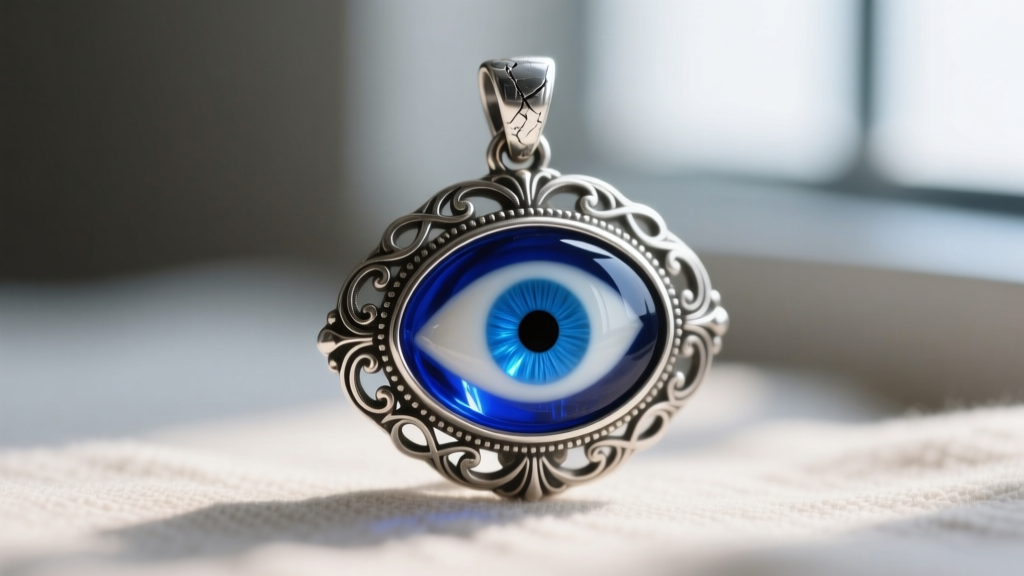
Sterling silver is deeply rooted in traditional amulet crafting, particularly in Middle Eastern and Latin American jewelry. However, it contains 7.5% copper, which reacts with sulfur and moisture in the air (and on your skin) to create tarnish. If you choose a sterling silver blessed necklace, look for pieces that have been rhodium-plated or e-coated to delay oxidation. Be aware that heavy sweating will eventually wear through these barriers.
Gold Vermeil vs. Gold Plated
Do not confuse vermeil with standard gold plating. By industry standards, gold vermeil must feature a base of 925 sterling silver coated with at least 2.5 microns of gold. Standard gold-plated jewelry often uses a brass or copper base with a microscopic gold flash (under 0.5 microns) that will rub off in a matter of weeks, exposing base metals that can cause contact dermatitis. For a pendant that rests against the sternum—a high-friction, high-sweat zone—vermeil is the absolute minimum acceptable standard if solid gold is out of budget.
Chain Mechanics: Gauges, Links, and Clasp Failures
The most common failure point in any necklace is not the pendant, but the chain. Blessed pendants, especially those made of solid stone, cast glass, or dense metals, can be surprisingly heavy. Pairing a heavy talisman with a delicate chain is a recipe for a lost heirloom. The Gemological Institute of America (GIA) and jewelry structural engineers emphasize matching chain tensile strength to pendant weight.
| Chain Type | Link Structure | Tensile Strength | Best Pendant Weight | Failure Mode |
|---|---|---|---|---|
| Cable | Uniform oval links | Low | Under 5 grams | Links stretch and pull apart at the solder points. |
| Box | Square, interlocking | High | 5g - 15 grams | Can kink if crushed; difficult to repair. |
| Rope | Twisted helix links | Very High | 15g+ (Heavy Medals) | Highly resistant to breaking; dirt gets trapped in twists. |
| Figaro | Alternating long/short | Medium | Up to 10 grams | Long links can bend and warp under heavy tension. |
The Clasp: Your Weakest Link
Never trust a heavy blessed pendant to a standard spring-ring clasp. The tiny internal spring mechanism is prone to failure and can easily catch on clothing. Always opt for a lobster claw clasp or a box clasp with a safety figure-eight catch for pendants weighing over 10 grams. Additionally, ensure the jump ring connecting the clasp to the chain is soldered shut; an unsoldered jump ring will easily pry open if the necklace gets snagged.
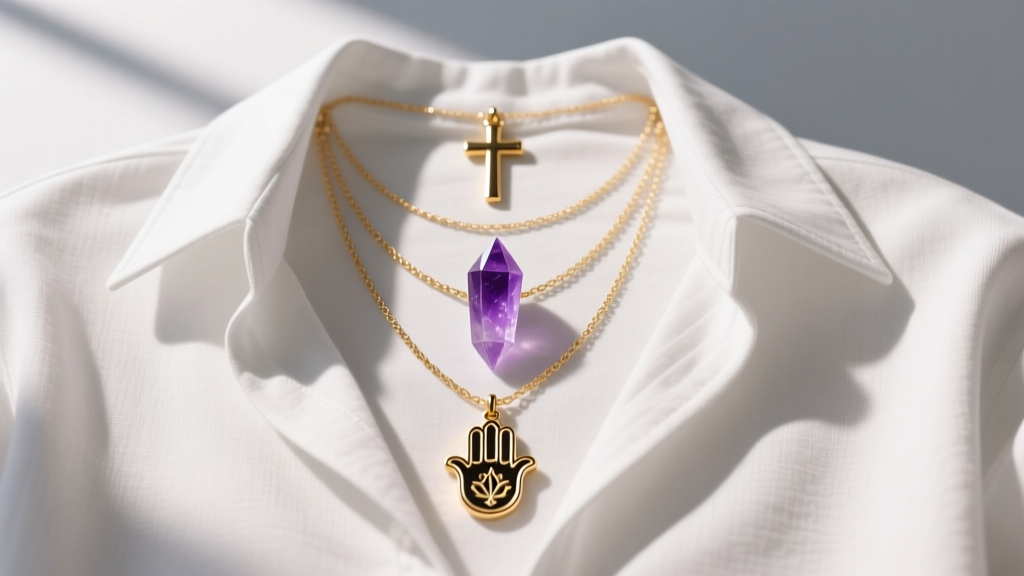
Gemstone and Enamel Integrity in Spiritual Pendants
Many blessed necklaces incorporate specific materials for their symbolic or energetic properties. Understanding the Mohs Hardness Scale is vital to ensure your stone or glass element survives daily life.
- Evil Eye (Nazar) Glass: Traditional Nazars are made of hand-layered glass. Glass sits around 5.5 on the Mohs scale. While it won't scratch easily from dust, it is highly susceptible to shattering from blunt impact. Look for bezels with a slightly raised lip to protect the glass dome from direct strikes.
- Turquoise and Lapis Lazuli: Often used in Southwestern and Middle Eastern protective amulets, these stones are porous (Mohs 5-6). They will absorb skin oils, lotions, and perfumes, which can permanently alter their color and degrade the matrix. They must be removed before showering or swimming.
- Jade: A staple in Eastern blessed pendants, jade (Mohs 6.5-7) is incredibly tough due to its interlocking crystalline structure. It can survive drops that would shatter glass, making it an excellent choice for an active lifestyle.
- Enamel Work: Many modern spiritual pendants use vitreous or epoxy enamel for vibrant colors. Vitreous enamel (fired glass) is highly durable but can chip if dropped on tile. Epoxy enamel is essentially hardened resin; it won't shatter, but it will yellow over time when exposed to UV light and skin oils.
Sizing, Layering, and Energetic Maintenance
Where the pendant rests on your body changes both its visual impact and its physical exposure. A 16-inch choker keeps the pendant safe from swinging and snagging but exposes it to constant friction from the neck. An 18-inch collarbone length is the most versatile, allowing the piece to rest over or under a shirt. A 20-to-24-inch rope length places the blessed pendant over the heart or solar plexus, which many practitioners prefer for energetic alignment, though this length increases the risk of the pendant striking tables or countertops.
Cleaning Without Stripping the Soul (or the Patina)
Caring for a blessed necklace requires a gentle touch. Never use ultrasonic cleaners on necklaces featuring glass amulets, porous stones (like turquoise, malachite, or opal), or glued-in elements. The high-frequency vibrations will fracture glass and shake stones loose from their settings. Furthermore, if your piece features an intentional antique oxidized finish on the silver to highlight the engraving of a prayer or symbol, chemical silver dips will strip away the dark patina, leaving the piece looking flat and modern.
Instead, clean your blessed necklace using a few drops of mild, phosphate-free Castile soap in lukewarm water. Use a soft horsehair brush to gently agitate dirt from behind the pendant and within the chain links. Rinse thoroughly and dry immediately with a microfiber cloth. For energetic cleansing, many owners prefer to leave their pieces on a windowsill during a full moon or pass them through the smoke of sustainably sourced cedar or rosemary, avoiding harsh chemical smudges that could tarnish the metal.
Final Verdict: Investing in Meaning
A blessed necklace is an investment in both material craft and personal significance. By prioritizing solid metals or high-grade vermeil, selecting a chain with the appropriate tensile strength, and respecting the geological vulnerabilities of natural stones and glass, you ensure that your talisman remains a lasting companion. Whether it is a heavy 14k gold St. Christopher medal meant to be passed down through generations, or a delicate glass Nazar meant to ward off negativity for a season, buying with an informed, critical eye guarantees that the physical vessel honors the spiritual weight it carries.


