How to Choose Necklace Urns for Ashes: A Complete Guide
Discover what to look for when buying necklace urns for ashes. Learn about sealing methods, durable metals, and secure chains for memorial jewelry.

The Weight of Memorial Jewelry
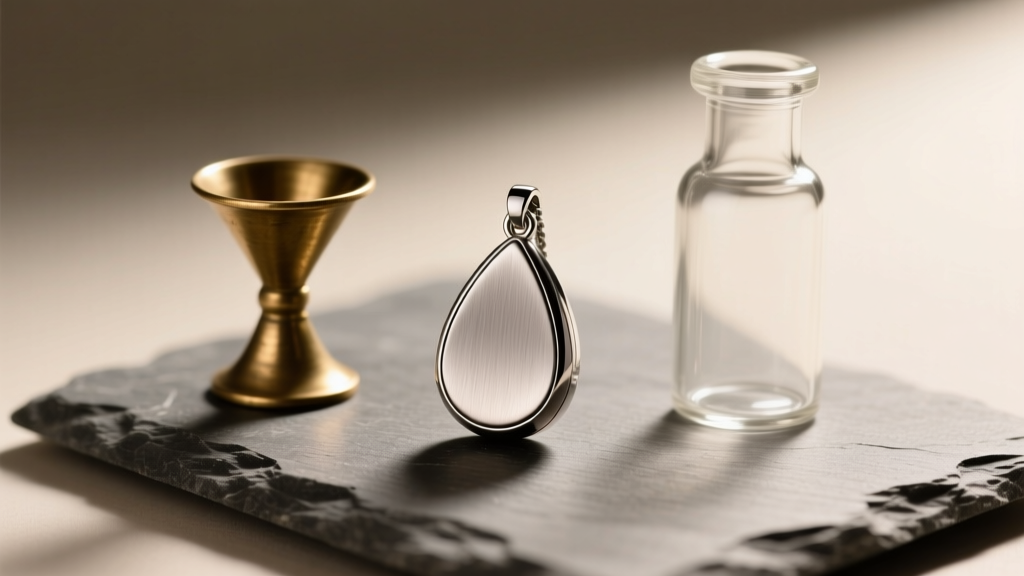
Choosing a memorial pendant is an deeply emotional process, but it is also a highly technical one. When you are searching for necklace urns for ashes, you are not just buying a piece of jewelry; you are entrusting a physical piece of a loved one to a manufactured object. If that object fails, the loss is irreversible. Unfortunately, the market is flooded with mass-produced, poorly engineered pendants that prioritize aesthetic appeal over structural integrity. As a jewelry specialist, I have evaluated hundreds of memorial pieces, and the difference between a secure heirloom and a heartbreaking failure comes down to specific engineering details: thread pitch, O-ring durometer, metal grade, and chain tensile strength. This guide will strip away the marketing fluff and show you exactly what to look for when investing in cremation jewelry.
Core Mechanics: How Ashes Are Secured
The most critical point of failure in any memorial pendant is the seal. Ashes must be protected from moisture, skin oils, and physical impact. Understanding how the pendant opens and closes is your first line of defense.
Threaded Screws vs. Friction Plugs
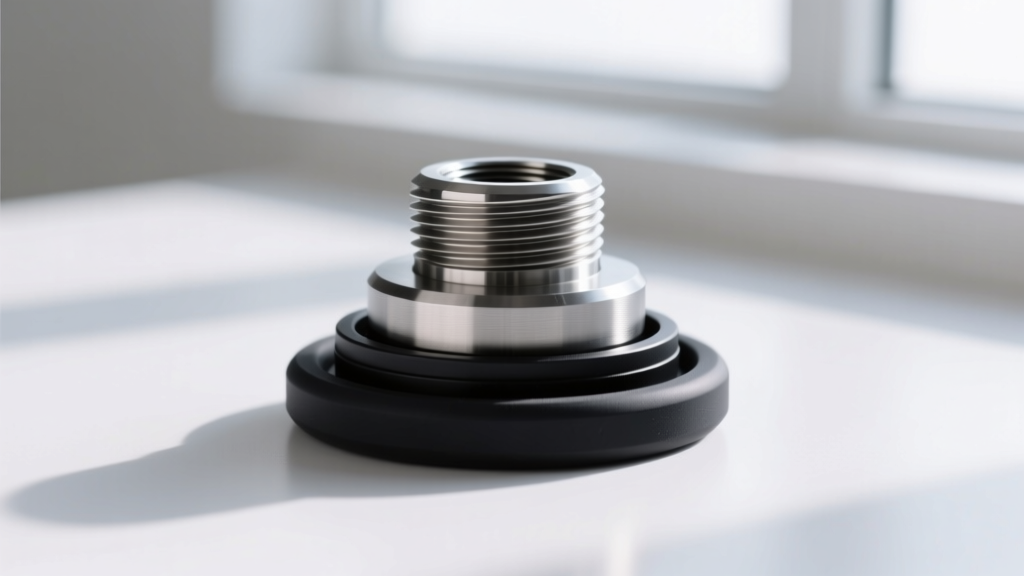
Always choose a pendant with a precision-machined threaded screw cap. The industry standard for high-quality memorial jewelry is an M3 or M4 metric thread. These fine threads create a mechanical lock that resists vibration and movement. Avoid pendants that use friction plugs or push-in stoppers at all costs. Friction plugs rely on a tight physical fit, but metal expands and contracts with changes in body temperature and ambient weather. Over time, this thermal cycling will loosen the plug, leading to accidental opening and the loss of the ashes.
The Importance of O-Rings and Adhesives
A threaded screw alone is not waterproof. A premium pendant will feature a tiny, precisely fitted O-ring made of silicone or Buna-N rubber (typically Shore A 70 durometer) seated in a machined groove on the cap. This creates a watertight seal that allows you to wear the pendant in the shower or pool without moisture degrading the ashes inside. Some manufacturers suggest using cyanoacrylate (super glue) to seal the threads. While this works in a pinch, it permanently fuses the cap, making it impossible to ever open the pendant again. A properly fitted silicone O-ring provides a perfect seal while maintaining reversibility.
Material Science: Choosing a Metal That Lasts
The metal you choose dictates the pendant's longevity, weight, and how it reacts to your skin chemistry. According to the Federal Trade Commission Jewelry Guides, manufacturers must accurately stamp and disclose metal purities, but understanding the practical implications of these metals is up to the buyer.
| Metal Type | Specific Grade | Pros | Cons | Avg. Price Range |
|---|---|---|---|---|
| Titanium | Grade 2 or ASTM F136 | Hypoallergenic, ultra-lightweight, completely impervious to tarnish and water. | Cannot be easily resized or soldered if the bail breaks. | $60 - $150 |
| Surgical Steel | 316L Marine Grade | Highly durable, excellent tensile strength, very affordable. | Heavier on the neck, can contain trace nickel (rarely an issue for 316L). | $30 - $80 |
| Sterling Silver | 925 Solid Silver | Traditional, high intrinsic value, easily repaired by a jeweler. | Prone to oxidation/tarnish, requires regular polishing, soft threads strip easily. | $80 - $250 |
| Gold | 14k Solid Gold | Prestigious, does not tarnish, holds deep sentimental heirloom value. | Very expensive, 14k gold threads are soft and can cross-thread if forced. | $400 - $1,200+ |
For daily wear, Grade 2 Titanium or 316L Surgical Steel are the most practical choices. They will not react with sweat or lotions, ensuring the metal remains pristine for decades. If you prefer sterling silver, ensure it is coated in a thick layer of rhodium plating to stave off tarnish, and be exceptionally gentle when screwing in the cap to avoid stripping the soft silver threads.
Chain Security: Preventing Heartbreaking Loss
The pendant is only as secure as the chain it hangs from. A common and devastating mistake is pairing a heavy, solid-metal urn pendant with a flimsy, lightweight chain. The Cremation Association of North America (CANA) frequently notes the emotional toll of lost memorial items, often caused by hardware failure rather than the pendant itself.
- Avoid 0.8mm to 1.0mm Box Chains: These are standard in cheap jewelry but have a tensile failure point of under 3 pounds. A solid steel cremation pendant can easily weigh enough to snap these chains if caught on clothing.
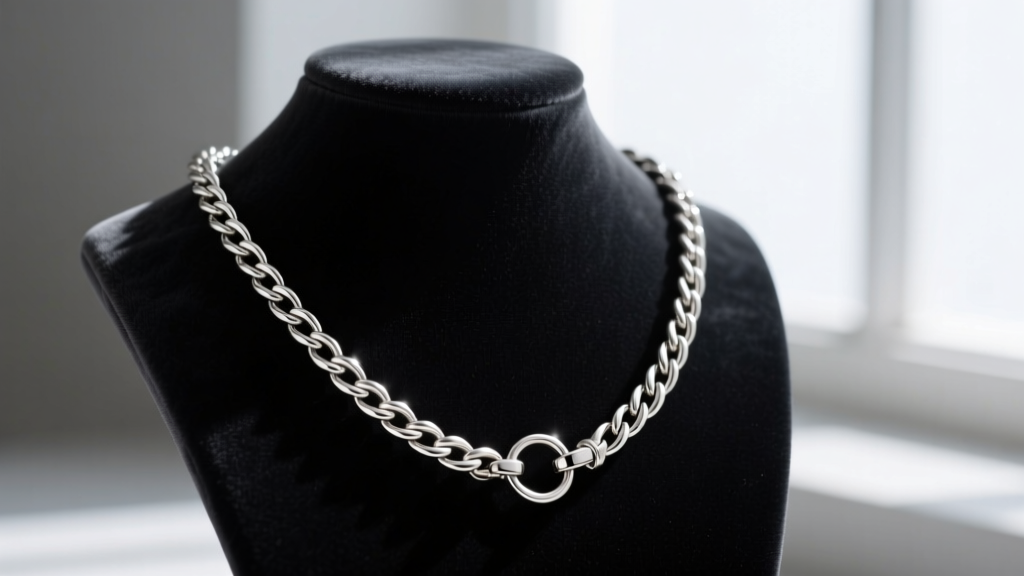
- Choose 1.5mm to 2.0mm Wheat or Rope Chains: These interlocking designs distribute weight evenly and can withstand upwards of 15-20 pounds of tensile force, providing a massive safety margin.
- Inspect the Jump Ring: The jump ring connecting the chain to the pendant bail must be soldered closed. If you can see a gap where the wire ends meet, it will eventually pull apart under the pendulum motion of walking.
- Clasp Quality: Insist on a sturdy lobster clasp with a reinforced internal spring, rather than a fragile spring-ring clasp which can easily snag and pop open.
Capacity and Sizing: What Actually Fits Inside
Many buyers are surprised by the actual internal volume of necklace urns for ashes. A standard teardrop or cylindrical pendant typically holds between 0.10 and 0.30 cubic inches of material. To put this in perspective, one full teaspoon is roughly 0.30 cubic inches. Therefore, most pendants hold only a fraction of a teaspoon—often just a symbolic pinch of ashes. You do not need to fit all of a loved one's remains into the jewelry; the pendant is meant to hold a deeply personal, microscopic portion while the remainder is kept in a primary urn or scattered in a meaningful location. Always verify the exact cubic inch capacity in the product specifications before purchasing to ensure it aligns with your expectations.
Expert Tips for Filling and Sealing
Filling the pendant can be an anxious experience. Here are professional techniques to ensure a clean, secure process:
Pro-Tip on Static Electricity: Cremains can carry a static charge, causing the fine particles to cling to the sides of the provided plastic funnel and refuse to drop into the pendant. If this happens, discard the plastic funnel. Roll a small piece of smooth, uncoated parchment paper into a tight cone. The anti-static properties of the parchment will allow the ashes to slide effortlessly into the chamber.
Once filled, carefully wipe the inner threads with a dry cotton swab to remove any stray particles. A single grain of ash caught in the M3 threads can prevent the O-ring from seating properly, compromising the waterproof seal. When screwing the cap back on, tighten it until you feel firm resistance, then give it one final, gentle quarter-turn. If you want absolute peace of mind against vibrational loosening, apply a micro-drop of low-strength threadlocker (such as Loctite 222) to the threads before sealing. This will keep the cap secure through years of daily movement but can still be removed with hand tools if you ever need to open it.
Final Thoughts on Honoring a Loved One
Selecting from the vast array of necklace urns for ashes requires balancing emotional resonance with mechanical reality. By prioritizing precision threading, high-grade hypoallergenic metals, and heavy-duty chains, you ensure that the memorial piece remains a safe, enduring tribute. Take the time to inspect the hardware, understand the capacity, and use the proper filling techniques. When engineered correctly, a cremation pendant becomes more than just jewelry; it becomes a permanent, secure, and comforting physical connection to the person you cherish.


