Blue and Gold Necklace Buying Guide: Value & Price Tiers
Discover how to assess the true value of a blue and gold necklace. Compare gemstone grades, gold karats, and price tiers to avoid overpaying.

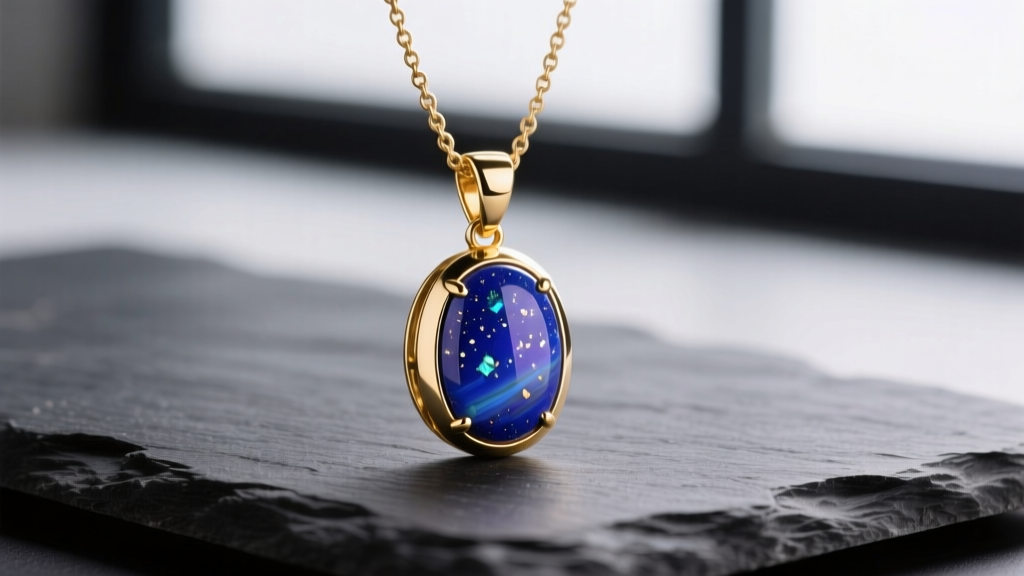
The combination of deep blue gemstones and warm gold metalwork creates a timeless aesthetic that dominates both fine jewelry and fashion markets. However, searching for a blue and gold necklace in 2026 reveals a wildly fragmented market. You will find pieces priced anywhere from $25 to $25,000, often looking nearly identical in online product photos. For the discerning buyer, this visual similarity masks massive discrepancies in material integrity, gemstone origin, and long-term durability.
Assessing the true value of these necklaces requires moving beyond aesthetic appeal and interrogating the metallurgy and gemology beneath the surface. This guide breaks down the exact material grades, pricing matrices, and common failure modes you need to know to ensure your investment holds its value.
Decoding the Gold: Karats, Plating, and True Value
The "gold" in your necklace dictates the baseline of its intrinsic value and its structural longevity. The market is saturated with misleading terminology, making it critical to understand the exact composition of the metal.
Solid Gold Karats
- 10k Gold (41.7% pure): The most durable and scratch-resistant option due to its high alloy content (usually copper, silver, and zinc). It offers a slightly paler yellow hue and sits at the lowest price tier for solid gold.
- 14k Gold (58.5% pure): The industry standard for fine jewelry. It provides an optimal balance of rich color, structural integrity, and tarnish resistance. A high-quality 14k gold pendant setting will typically add $150 to $400 to the base value of the piece.
- 18k Gold (75.0% pure): Prized for its deep, buttery yellow saturation. However, it is softer than 14k, making it more prone to micro-scratches and prong deformation over decades of daily wear.
Vermeil vs. Gold-Plated vs. Gold-Filled
According to the Federal Trade Commission (FTC) Jewelry Guides, terminology for gold overlays is strictly regulated. Gold vermeil must consist of a sterling silver (925) base coated with at least 2.5 microns of gold (usually 14k or 18k). It holds genuine value and can last 5 to 10 years with proper care. Conversely, standard "gold-plated" jewelry often features a brass or nickel base with a microscopic gold flash (under 0.5 microns) that will wear away in months. Gold-filled pieces contain a much thicker layer of gold (at least 5% of the total weight) mechanically bonded to a base metal, offering a middle-ground value proposition between vermeil and solid gold.
The Blue Spectrum: Gemstone Grading and Pricing
The blue element in your necklace is where value assessment becomes highly complex. "Blue" can mean a $10 dyed stone or a $10,000 natural sapphire. Here is how to evaluate the most common blue gemstones paired with gold.
Sapphire (Corundum)
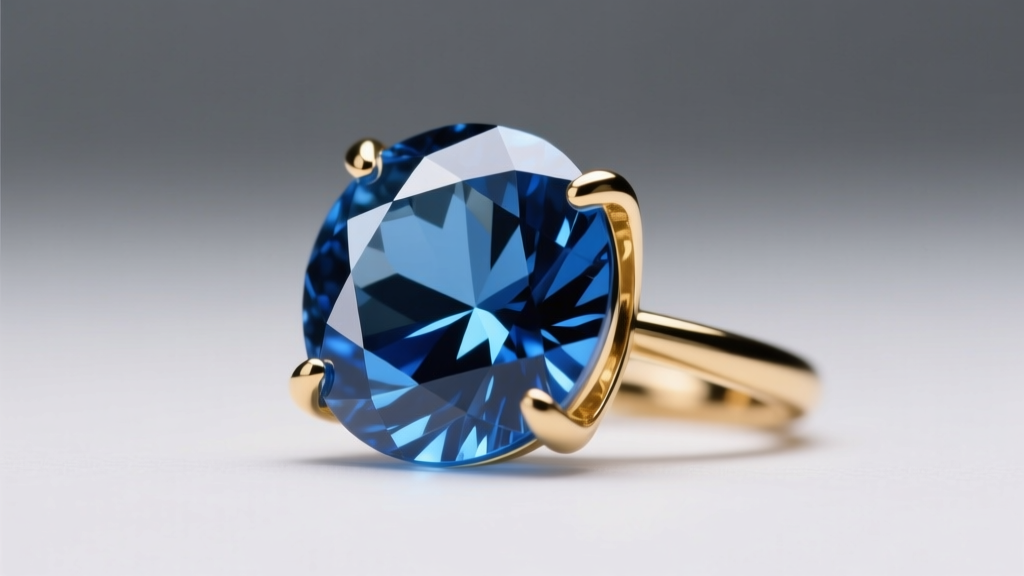
Ranking a 9 on the Mohs hardness scale, sapphire is the most durable blue stone for everyday wear. Untreated, natural Ceylon or Kashmir sapphires command premium investment prices. However, over 90% of sapphires on the market are heat-treated to improve clarity and color saturation—a permanent and widely accepted practice that keeps prices accessible (typically $300 to $1,500 per carat for commercial grades). Always request a gemological report from the Gemological Institute of America (GIA) for any sapphire necklace priced above $2,000.
Swiss Blue Topaz
Swiss blue topaz offers a vibrant, electric blue that pairs beautifully with white or yellow gold. It ranks an 8 on the Mohs scale, making it highly durable. The critical value factor here is treatment: natural blue topaz is exceedingly rare and pale. Almost all Swiss blue topaz begins as colorless topaz that is irradiated and heated to achieve its signature color. Because the supply of treated topaz is vast, it is an affordable luxury. You should never pay premium sapphire prices for Swiss blue topaz; a high-quality 2-carat stone in a 14k gold setting should retail between $250 and $600.
Lapis Lazuli and Turquoise
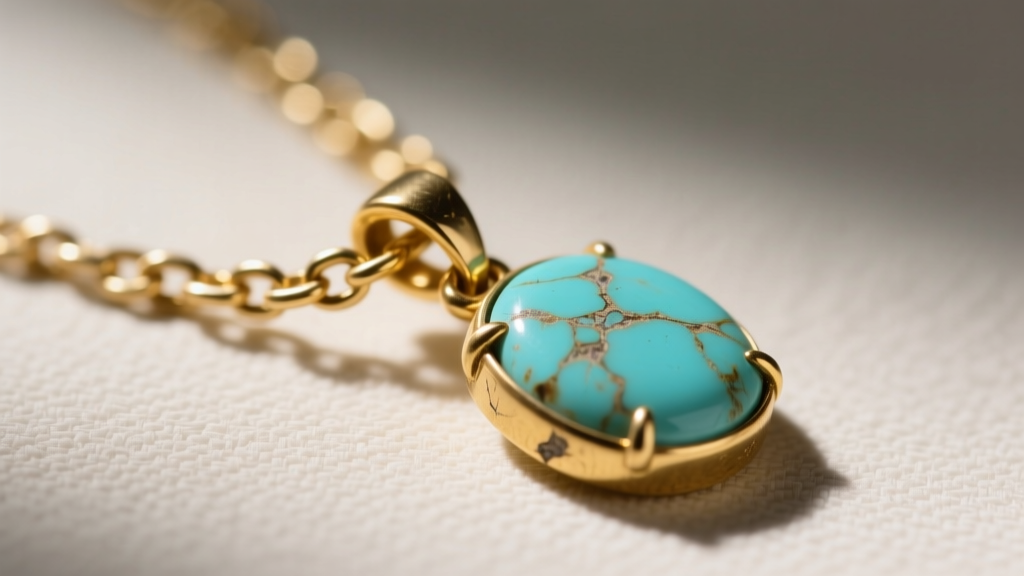
These opaque, porous stones (Mohs 5-6) offer a rustic, organic blue. High-value lapis lazuli features a deep, uniform royal blue with evenly distributed pyrite (gold) flecks and zero white calcite streaks. Turquoise value is driven by origin and treatment. Natural, untreated turquoise from closed mines (like Sleeping Beauty) is highly valuable. However, most commercial turquoise is "stabilized" with epoxy resins to prevent it from absorbing skin oils and turning green. Stabilization is an accepted practice, but the piece should be priced accordingly—usually under $150 for the stone itself.
Chain Weight and Structural Integrity
A common trap in budget assessment is ignoring the chain. A necklace is only as strong as its weakest link. When evaluating a solid gold blue and gold necklace, always check the gram weight of the chain.
Hollow gold chains are manufactured using electroforming, creating a thick-looking chain that weighs almost nothing (e.g., a 20-inch rope chain weighing just 1.5 grams). While they offer the look of heavy gold on a budget, hollow chains are notoriously fragile. A single snag on a sweater can crush the links, and they are virtually impossible for a jeweler to solder and repair. For genuine, heirloom-level value, look for solid links. A durable, everyday 14k gold cable or curb chain should weigh between 3 to 6 grams, ensuring it can support the weight of a gemstone pendant without stretching or snapping.
Value Assessment Matrix: What You Should Actually Pay
Use this pricing matrix to benchmark the fair market value of a blue and gold necklace in the current 2026 retail landscape. Prices reflect a standard 1-carat to 2-carat center stone with a 16-to-18-inch chain.
| Tier | Metal Composition | Blue Gemstone Type | Fair Price Range | Value Proposition |
|---|---|---|---|---|
| Entry / Fashion | Gold-plated brass / Cubic Zirconia base | Dyed Howlite, Glass, or Synthetic Spinel | $20 - $80 | Purely aesthetic; zero intrinsic or resale value. High risk of skin irritation. |
| Mid-Tier / Demi-Fine | Gold Vermeil (Sterling Silver base) | Stabilized Turquoise, Dyed Lapis, or Blue Topaz | $120 - $350 | Excellent for trend-driven wear. Vermeil offers longevity if kept dry. |
| Fine Jewelry | Solid 14k Gold (3g+ chain weight) | Heat-Treated Sapphire, High-Grade Lapis, or Topaz | $600 - $2,500 | The sweet spot for durability, intrinsic metal value, and daily wearability. |
| Investment / Heirloom | Solid 18k Gold (Custom setting) | Untreated Natural Sapphire, Rare Matrix Turquoise | $4,000 - $15,000+ | Retains value; stones are certified; metal weight provides a high scrap floor. |
Red Flags and Common Failure Modes
When assessing a blue and gold necklace, be vigilant for these specific failure modes that destroy both the aesthetic and financial value of the piece:
1. The "Green Skin" Chemical Reaction
If a gold necklace turns your skin green, it is not an allergic reaction; it is a chemical oxidation process. This happens when the copper or nickel alloys in low-karat gold (or gold-plated brass) react with the acids and salts in your sweat. While 14k and 18k gold rarely cause this, 10k gold and degraded gold-plated pieces frequently do. If you have high skin acidity, stick strictly to 14k, 18k, or platinum settings.
2. Reconstituted and Dyed Stones
Many budget "turquoise and gold" necklaces actually feature reconstituted turquoise—a composite material made from turquoise dust mixed with epoxy and dyed. Similarly, white howlite is routinely dyed blue to mimic turquoise or lapis. You can identify dyed howlite by examining the crevices of the stone; if the blue color pools deeply in the natural gray veining, it is dyed. These stones have virtually zero gemological value and will fade when exposed to prolonged sunlight and cosmetics.
3. Porous Stone Degradation
Both lapis lazuli and turquoise are highly porous. If set in a necklace that is worn daily, these stones will absorb lotions, perfumes, and body oils. Over a period of 2 to 3 years, untreated turquoise can darken significantly, shifting from a bright sky blue to a muddy green. To preserve the value of porous blue stones, ensure they are set in a bezel rather than prongs (which allow oils to seep into the sides), and always put the necklace on after applying cosmetics.
Final Verdict: Maximizing Your Budget
The true value of a blue and gold necklace lies in the transparency of its materials. If you are operating on a budget under $200, prioritize gold vermeil paired with genuine Swiss blue topaz or stabilized turquoise from a reputable brand that discloses its treatments. If your budget exceeds $800, demand solid 14k gold with a verifiable gram weight and a naturally mined, heat-treated sapphire. By focusing on metallurgical integrity and gemological truth rather than brand marketing, you secure a piece that will endure both physically and financially for decades.


