2026 Blue Star Necklace Gift Guide: Match Styles to Occasions
Discover the perfect blue star necklace for every milestone. Our 2026 gift guide matches sapphire, lapis, and enamel pendants to specific occasions.

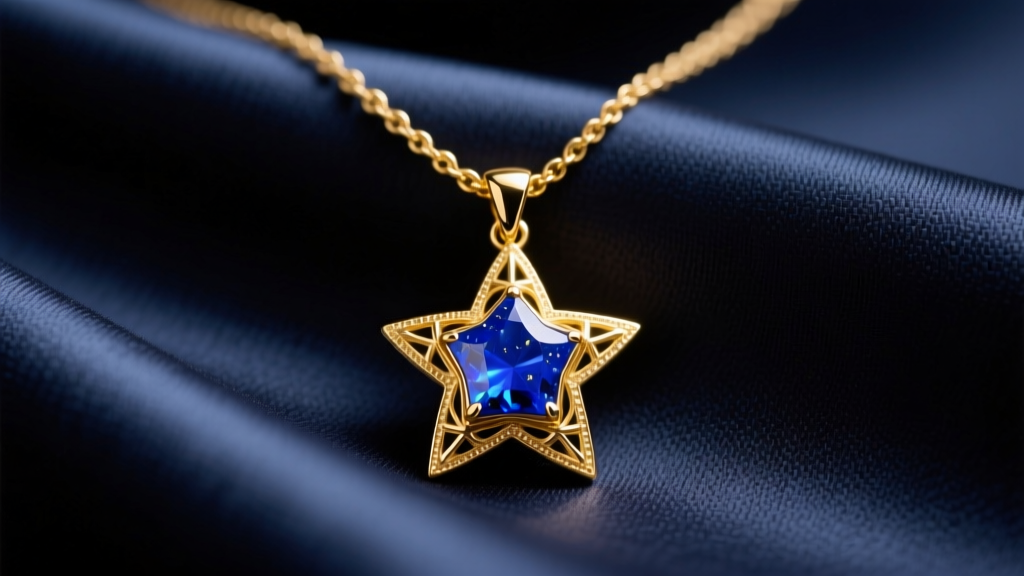
The Enduring Symbolism of the Celestial Motif
When it comes to meaningful jewelry, few motifs carry as much emotional weight and visual versatility as the blue star necklace. In 2026, the demand for personalized, narrative-driven gifting has pushed celestial designs to the forefront of the fine jewelry market. Whether you are shopping for a milestone anniversary, a university graduation, or a bridesmaid proposal, a star pendant set against a deep blue backdrop offers a profound narrative of guidance, eternity, and ambition. Historically, stars have served as navigational beacons for travelers, making them an incredibly poignant gift for someone embarking on a new life chapter. However, not all blue star pendants are created equal. The difference between a fleeting fashion accessory and a lifelong heirloom lies in the gemological properties, the precision of the metalwork, and the structural integrity of the chain. This comprehensive guide will help you navigate the nuances of materials, match specific styles to life’s major occasions, and ensure your gift is both structurally sound and emotionally resonant.
"A star is a symbol of the divine, a guiding light in the dark, and a promise that no matter how vast the universe, there is always a path forward." — Antique Jewelry Historian Archives
Decoding Blue Gemstones: Sapphire vs. Lapis vs. Topaz
The "blue" in a blue star necklace can be achieved through several distinct materials, each with unique physical properties, care requirements, and price points. Understanding these differences is critical for matching the necklace to the recipient's lifestyle. For instance, an active individual who works with their hands requires a different gemstone than someone who primarily wears jewelry for evening events.
| Gemstone | Mohs Hardness | Best Occasion | 2026 Avg. Price Range | Care Requirements |
|---|---|---|---|---|
| Blue Sapphire | 9.0 | Anniversaries, Heirlooms | $800 - $5,000+ | Low; ultrasonic safe |
| Blue Topaz | 8.0 | Birthdays, Holidays | $150 - $600 | Moderate; avoid hard knocks |
| Lapis Lazuli | 5.0 - 6.0 | Graduations, Milestones | $75 - $350 | High; no ultrasonic, avoid acids |
| Blue Enamel | N/A (Vitreous) | Bridesmaids, Layering | $40 - $250 | Moderate; avoid impacts |
Blue Sapphire: As a variety of corundum, sapphire is second only to diamond in hardness. According to the Gemological Institute of America (GIA), sapphires are exceptionally durable for everyday wear. When sourcing a sapphire star pendant, look for "cornflower" or "royal blue" hues. Be aware that over 90% of sapphires on the market are heat-treated to enhance color and clarity, which is an accepted and permanent industry standard. For a unique, earthy alternative, consider Montana sapphires, which often exhibit a mesmerizing teal-blue color.
Lapis Lazuli: Prized since antiquity, lapis is a metamorphic rock rather than a single crystal. Its deep, opaque navy blue is often flecked with golden pyrite (fool's gold) and veined with white calcite. Because it is relatively soft and porous, a lapis lazuli star necklace should be set in a bezel or semi-bezel setting to protect the edges from chipping. Never clean lapis with ultrasonic cleaners or harsh chemicals, as the stone can absorb liquids and become discolored.
Blue Topaz: Most blue topaz on the market starts as colorless and undergoes irradiation and heat treatment to achieve its vibrant hue. "Swiss Blue" offers a bright, sky-blue appearance, while "London Blue" provides a deeper, slightly grayish-blue tone that mimics the night sky. Topaz has perfect cleavage, meaning a sharp blow can cause it to split, so prong settings should have protective V-tips at the star's sharpest points.
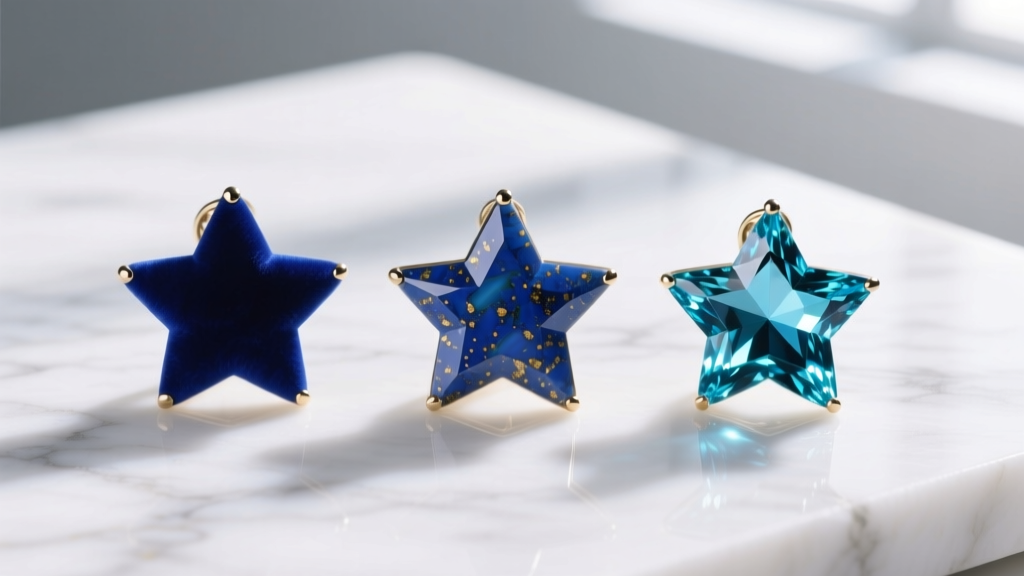
Matching the Blue Star Necklace to the Occasion
The true art of gifting lies in aligning the material and design of the jewelry with the specific emotional weight of the event. Here is how to match the blue star necklace to life's most significant milestones.
5th and 45th Anniversaries: The Sapphire Standard
According to the American Gem Society, sapphire is the traditional gift for both the 5th and 45th wedding anniversaries. For a 5th anniversary, a delicate 14k white gold star pendant featuring a bezel-set Ceylon sapphire offers a modern, everyday aesthetic. For the monumental 45th anniversary, opt for a substantial 18k yellow gold piece with a larger, prong-set royal blue sapphire surrounded by a halo of melee diamonds. The yellow gold warms the deep blue stone, creating a regal, vintage-inspired look that honors decades of partnership.
High School and College Graduations: Lapis Lazuli Guidance
Graduation marks a transition into the unknown, making the guiding star motif incredibly appropriate. Lapis lazuli, with its rich historical ties to wisdom, truth, and academia, is the perfect material for a graduate. A sterling silver or 14k gold lapis star necklace serves as a tangible reminder to "reach for the stars" and navigate their new path with confidence. Because graduates are often entering the workforce or traveling, lapis offers a bold, artistic statement piece that pairs beautifully with both professional blouses and casual attire.
Celestial-Themed Weddings: Enamel and Diamond Bridesmaid Gifts
For brides looking for cohesive, elegant bridesmaid gifts that won't break the wedding budget, blue enamel star pendants are the premier choice in 2026. Guilloché enamel, where the blue glass is fused over an engraved metal base to create a rippling, luminous effect, elevates the piece far beyond basic costume jewelry. Pairing a small blue enamel star with a tiny, bezel-set diamond accent creates a sophisticated necklace that bridesmaids will genuinely want to wear long after the wedding day, integrating seamlessly into their everyday layered stacks.
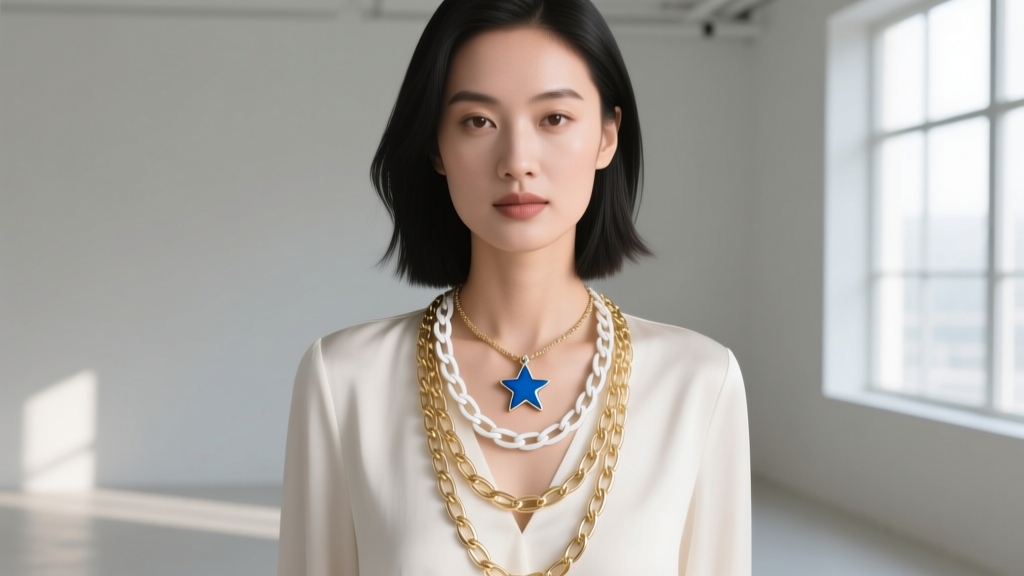
Chain Gauges, Lengths, and Metal Pairings
A pendant is only as good as the chain that holds it. Many gift-givers overlook the chain, resulting in a beautiful pendant hanging from a flimsy, easily broken link. When selecting a blue star necklace, pay close attention to the chain gauge (thickness) and the clasp mechanism.
- 0.8mm - 1.0mm Cable or Box Chains: Ideal for lightweight enamel or small topaz star pendants (under 3 grams). These chains sit delicately on the skin but should feature a sturdy lobster clasp rather than a fragile spring-ring.
- 1.2mm - 1.5mm Rope or Wheat Chains: Necessary for heavier lapis lazuli or sapphire pendants. The interlocking links of a wheat chain provide superior tensile strength, preventing the chain from snapping under the weight of a solid stone star.
- 16-Inch (Choker Length): Sits tightly at the base of the neck. Best for small, minimalist stars worn with V-neck or scoop-neck tops.
- 18-Inch (Princess Length): The industry standard for pendants. It rests perfectly on the collarbone, making the blue star the focal point regardless of the neckline.
- 20 to 24-Inch (Matinee to Opera): Best for larger, statement-making lapis stars worn over turtlenecks, dresses, or as part of a bohemian layered stack.
Regarding metals, 14k white gold or platinum provides a crisp, icy contrast that enhances the cool tones of London Blue Topaz and deep Sapphires. Conversely, 18k yellow gold creates a striking, complementary contrast against the navy depths of Lapis Lazuli and bright blue enamel, making the star "pop" visually.
2026 Pricing Tiers: What to Expect
Budgeting for fine jewelry requires an understanding of current market valuations. Here is a realistic breakdown of what you can expect to pay for a high-quality blue star necklace in 2026:
Entry-Level ($50 - $150): In this tier, you will find sterling silver chains with blue enamel stars, or gold-vermeil settings with small, treated Swiss blue topaz stones. These are excellent for bridesmaid gifts, sweet sixteens, or casual holiday gifting.
Mid-Range ($200 - $800): This is the sweet spot for graduation and birthday gifts. Expect solid 14k gold chains (either yellow or white) paired with beautifully cut lapis lazuli in protective bezel settings, or medium-sized blue topaz stars with diamond accents.
Luxury & Heirloom ($1,200 - $5,000+): Reserved for major anniversaries and milestone celebrations. This tier features solid 18k gold or platinum chains supporting natural, unheated sapphires, often custom-cut into star shapes or featuring intricate pavé diamond halos. At this price point, ensure the piece comes with a gemological certificate verifying the sapphire's origin and treatment status.
Expert Presentation and Care Tips
The unboxing experience is a crucial component of gifting fine jewelry. Avoid handing over the necklace in the generic, flimsy cardboard box provided by the retailer. Instead, invest in a hinged wooden jewelry box lined with anti-tarnish treated flannel. For lapis lazuli and silver chains, include a small silica gel packet inside the box to control humidity and prevent the silver from oxidizing during storage.
Finally, always include a personalized care card. If you are gifting a lapis lazuli blue star necklace, explicitly write a note advising the recipient to remove the piece before swimming (chlorine destroys lapis) and to put the necklace on after applying perfumes and lotions. By providing this level of thoughtful, expert guidance, you elevate the blue star necklace from a simple accessory to a deeply cherished, well-maintained family heirloom.


