The Box Clasp Necklace: 2026 Trends & Styling Guide
Explore 2026 box clasp necklace trends, from invisible designs to failure modes. Learn how to style, pair, and maintain these secure, elegant jewelry clasps.

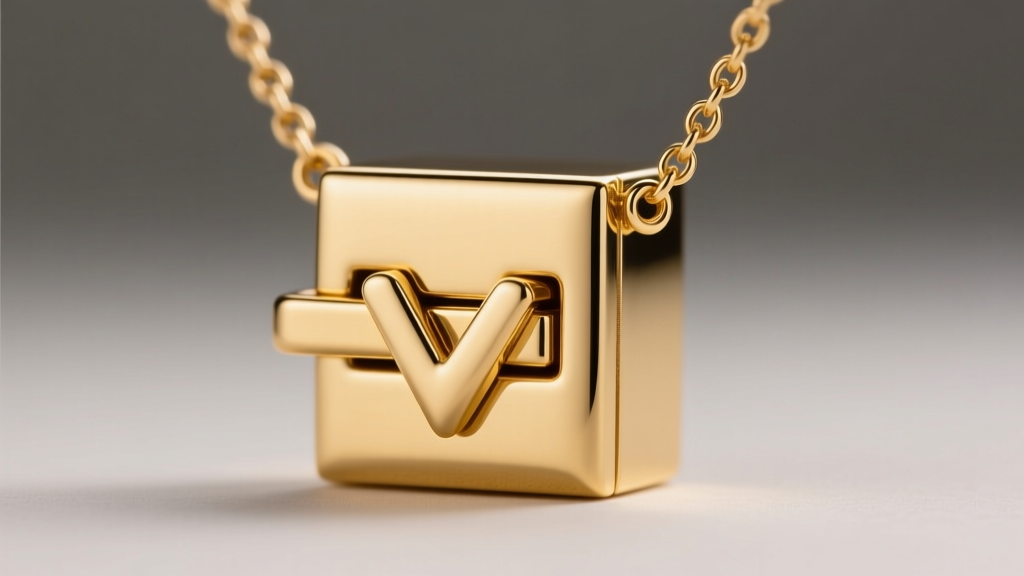
In the evolving landscape of fine jewelry, the closure mechanism is no longer an afterthought; it is a focal point of engineering and design. As we navigate the style landscape of 2026, the box clasp necklace has emerged as a defining element for both high-end multi-strand pieces and minimalist architectural chains. Once relegated to the back of the neck and hidden beneath hair, today’s box clasps are being reimagined as seamless, integrated components that bridge the gap between mechanical security and aesthetic brilliance.
Whether you are investing in a heavy platinum omega chain or designing a custom multi-strand pearl piece, understanding the mechanics, material grades, and styling nuances of the box clasp is essential. This comprehensive guide breaks down the anatomy of this crucial hardware, explores the latest 2026 design trends, and provides actionable maintenance frameworks to ensure your jewelry remains secure and stunning for decades.
The Anatomy of a Box Clasp Necklace: Mechanical Precision
To truly appreciate the box clasp, one must understand its internal architecture. A standard box clasp—often referred to as a square clasp or push-pull clasp—relies on a tension-based friction fit rather than a mechanical latch. The system consists of three primary components:
- The Receiver (The Box): A hollow, square or rectangular metal casing. The interior is precisely milled to allow just enough clearance for the tongue to slide in while preventing lateral wobble.
- The Tongue (The Spring): This is the heart of the mechanism. Typically stamped from a single sheet of metal and folded in half, it forms a compressed 'V' shape. When pushed into the receiver, the tongue compresses; once fully seated, it springs open against the interior walls of the box, locking the clasp in place.
- The Safety Catch: Usually a figure-8 wire or a hinged secondary latch that snaps over a small button on the exterior of the receiver. This is a critical fail-safe. If the tongue loses tension or is accidentally compressed, the safety catch prevents the necklace from dropping.
From an engineering standpoint, the gauge thickness of the tongue dictates the clasp's weight-bearing capacity. A delicate 0.6mm tongue is suitable for lightweight chains under 15 grams. However, for heavy gold chains or diamond pendant necklaces exceeding 40 grams, a minimum tongue thickness of 1.0mm to 1.2mm is required to prevent the metal from warping under dynamic stress (such as the necklace being snagged on clothing).
2026 Trend Report: The Evolution of the Box Clasp
The jewelry industry's shift toward accessible luxury and seamless aesthetics has radically transformed how designers approach the box clasp necklace in 2026. We are seeing a departure from bulky, ornate closures toward hyper-integrated and technologically assisted designs.
The 'Invisible Seam' Integration
The dominant trend this year is the 'invisible' box clasp. Designers are engineering the exterior of the receiver to perfectly mimic the links of the chain it connects. For example, on a 5mm box chain, the clasp exterior is milled to look exactly like a standard link, complete with faux beveling and identical polishing marks. The seam is virtually undetectable, allowing the necklace to drape with uninterrupted fluidity and eliminating the traditional 'heavy spot' at the nape of the neck.
Magnetic-Assisted Accessibility
As the industry places a stronger emphasis on inclusive design, magnetic-assisted box clasps have surged in popularity. According to recent accessibility reports in jewelry design highlighted by JCK Online, integrating micro-neodymium magnets inside the receiver helps guide the tongue into the slot. This innovation is a game-changer for individuals with arthritis, neuropathy, or limited fine motor dexterity, allowing them to fasten a secure, heavy-duty clasp without the frustration of aligning tiny components blind behind their neck.
Architectural and Gemstone Inlays
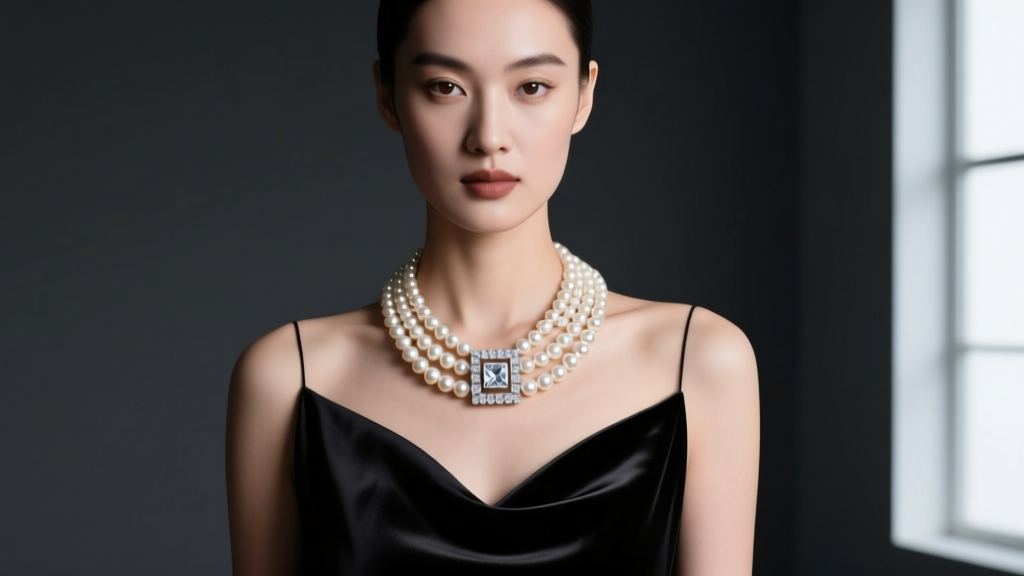
Conversely, for those who want the clasp to be a feature rather than a secret, 2026 has introduced architectural box clasps featuring channel-set baguette diamonds, guilloché enamel, or mixed-metal geometric inlays. These clasps are designed to be worn slightly off-center or even at the front of the neck as a secondary focal point, particularly on multi-strand bead or pearl necklaces.
Material Grades and Tension Retention: A Data-Driven Look
The longevity of a box clasp necklace is intrinsically tied to the metallurgical properties of the alloy used. The 'spring memory' of the tongue—its ability to repeatedly compress and return to its original V-shape without suffering from metal fatigue—varies wildly across materials. Below is a comparative analysis of common clasp materials and their failure profiles.
| Material Grade | Spring Memory & Tension | Common Failure Modes | Ideal Use Case |
|---|---|---|---|
| Platinum (950) | Exceptional; highly resistant to fatigue and permanent deformation. | Surface scratching; requires laser welding if the safety hinge snaps. | Heavy diamond tennis necklaces; high-value heirloom pieces. |
| 18k Yellow Gold | Excellent; optimal balance of malleability and structural memory. | The safety catch wire can thin and snap after decades of repetitive use. | Multi-strand pearl necklaces; luxury omega chains. |
| 14k Gold | Good; slightly stiffer due to higher alloy content (copper/zinc). | Prone to work-hardening; the tongue may snap if bent too many times during repairs. | Everyday wear chains; mid-weight pendant necklaces. |
| Sterling Silver (925) | Poor; loses tension rapidly and is highly susceptible to metal fatigue. | Oxidation in the receiver crevices causes friction; tongue flattens out quickly. | Lightweight fashion jewelry; occasional wear pieces. |
As noted by the metallurgical research from the Gemological Institute of America (GIA), the alloy mix in 14k gold makes it inherently harder than 18k gold, but this hardness comes at the cost of ductility. A jeweler can easily bend an 18k gold tongue back into a steep V-shape to restore tension, but attempting the same on a heavily worn 14k gold tongue risks snapping the metal entirely due to work-hardening.
Styling and Chain Compatibility: Where Box Clasps Excel
Not all chains are compatible with all clasps. The box clasp is uniquely suited for specific chain types where traditional lobster claws or spring rings would cause structural damage.
The Omega Chain Imperative
If you own an Omega chain, a box clasp necklace configuration is practically mandatory. Omega chains consist of flat, interlocking metal plates mounted over a flexible mesh core. Because they are semi-rigid, attaching a standard jump ring and lobster claw to the end of an Omega chain creates a pivot point that will inevitably kink and snap the delicate metal plates. A box clasp provides an inline, rigid connection that preserves the structural integrity and fluid drape of the Omega chain.
Herringbone and Snake Chains
Similarly, herringbone and snake chains require the seamless transition provided by a box clasp. The sleek, flat profile of these chains is easily marred by bulky hardware. A tapered box clasp ensures the chain lays flat against the collarbone without twisting, which is vital for herringbone chains that are notoriously difficult to untwist once kinked.
Maintenance and Troubleshooting: Fixing a Loose Clasp
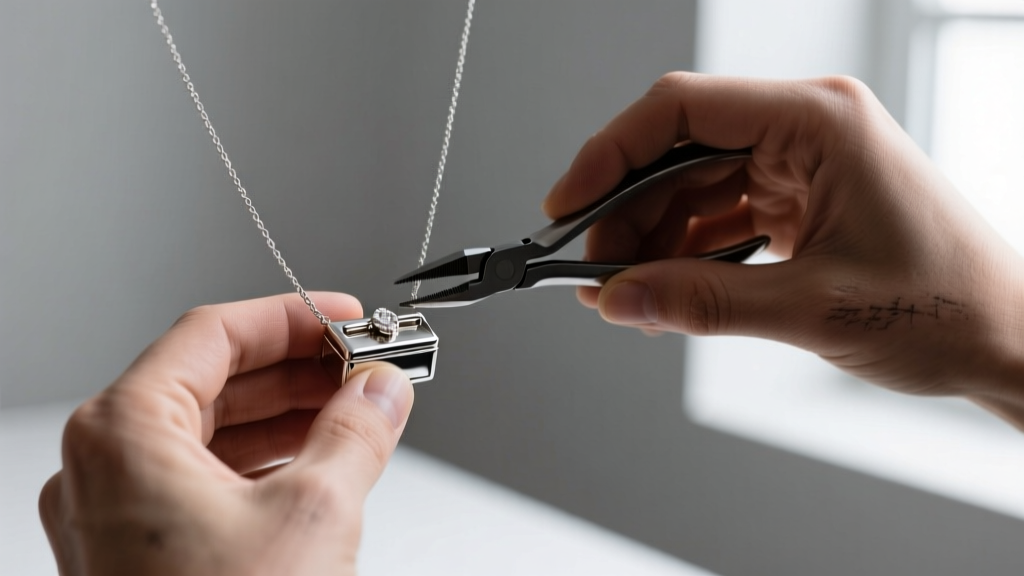
The most common issue reported with box clasp necklaces is a loss of tension, resulting in a clasp that slides out of the receiver too easily. Before rushing to a jeweler, you can often diagnose and temporarily address this issue at home, provided you understand the risks.
Step-by-Step Tension Restoration
- Inspect the Safety Catch: Before manipulating the tongue, ensure the figure-8 safety wire is not bent outward. Use your fingernail to push it flush against the clasp body.
- Examine the Tongue: Look at the V-shape of the tongue. If it has been compressed flat, it will no longer grip the interior walls of the box.
- The Plier Technique: Using nylon-jawed pliers (or wrapping standard flat-nose pliers in painter's tape to prevent scratching), gently squeeze the folded base of the tongue to widen the V-shape. Do not pull the tips outward, as this weakens the fold.
- Test the Fit: Slide the tongue into the receiver. You should hear and feel a distinct 'click' as the tongue expands against the interior walls. If it slides in with zero resistance, repeat step 3 with microscopic adjustments.
When to Seek Professional Help
If the tongue is made of sterling silver or a low-karat gold alloy and has already been bent multiple times, attempting to restore it yourself will likely cause metal fatigue and a catastrophic snap. In these cases, a professional jeweler must laser-weld a new tongue onto the existing chain link or replace the entire clasp assembly. Additionally, if the interior of the receiver is worn smooth from decades of friction, increasing the tongue tension will only provide a temporary fix; the receiver itself must be rebuilt or replaced.
Final Thoughts on the Modern Box Clasp
The box clasp necklace represents the perfect marriage of horological-level engineering and high fashion. As 2026 trends continue to push the boundaries of invisible integration and accessible magnetic closures, the box clasp remains the gold standard for securing heavy, rigid, and multi-strand fine jewelry. By understanding the material limitations, matching the clasp to the correct chain architecture, and performing mindful maintenance, you ensure that your most treasured pieces remain securely fastened and flawlessly styled for a lifetime.


