Are Brass Necklaces Worth It? A Value & Budget Guide
Discover if brass necklaces offer true value. We break down pricing, alloy grades, tarnish rates, and hidden costs to help you buy smart.

The Economics of Brass: Upfront Savings vs. Long-Term Value
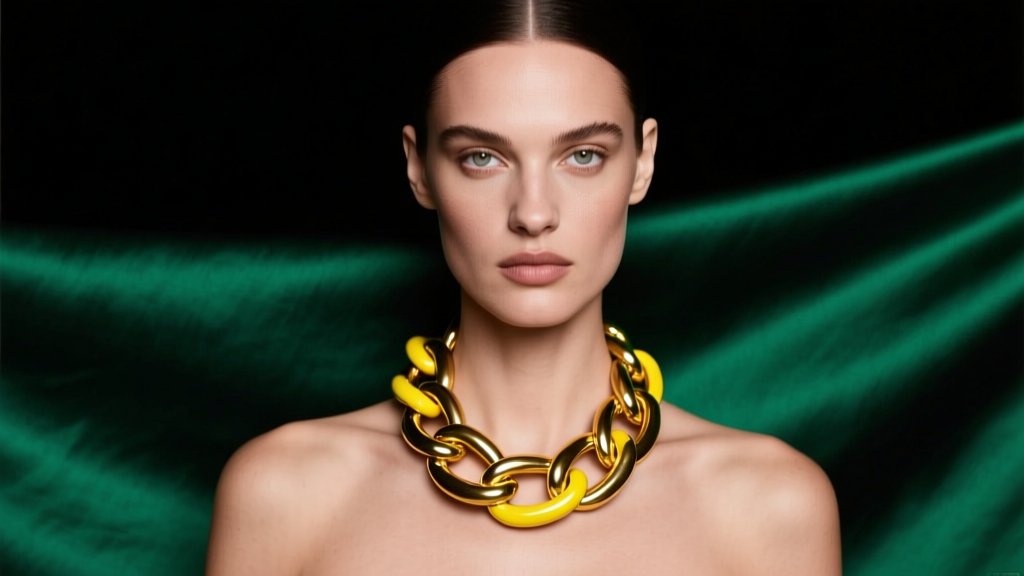
As we navigate the 2026 jewelry market, inflation and fluctuating precious metal indexes have pushed the cost of solid gold and sterling silver to record highs. Consequently, brass necklaces have surged in popularity, positioned as the ultimate budget-friendly alternative for achieving that warm, golden aesthetic. But does a lower upfront price tag actually translate to long-term value? Assessing the true worth of brass jewelry requires looking beyond the checkout counter. You must factor in metallurgical durability, maintenance costs, and the inevitable realities of oxidation. In this comprehensive value assessment, we break down the actual cost-per-wear (CPW) of brass necklaces, helping you determine when this base metal is a brilliant investment and when it is a fast-fashion trap.
Metallurgy Matters: Which Brass Alloy Gives You the Best ROI?
Not all brass is created equal. Brass is fundamentally an alloy of copper and zinc, but the exact ratio drastically alters its color, tarnish rate, and structural integrity. According to Rio Grande's comprehensive metals guide, jewelry manufacturers typically rely on three distinct brass grades. Understanding these grades is the first step in assessing whether a necklace is priced fairly.
| Alloy Type | Composition | Color Profile | Tarnish Rate | Value Rating |
|---|---|---|---|---|
| Red Brass | 85% Copper, 15% Zinc | Warm, rose-gold undertone | Slow | Excellent |
| Yellow (Cartridge) Brass | 70% Copper, 30% Zinc | Classic bright yellow-gold | Moderate | Good |
| White Brass (Nickel Silver) | Copper, Zinc, Nickel | Silver/Platinum mimic | Fast | Poor (Allergy Risk) |
For the best value, seek out Red Brass or high-quality Yellow Brass. Red brass contains a higher copper content, which not only gives it a richer, more expensive-looking hue but also makes it slightly more resistant to the aggressive green oxidation that plagues cheaper alloys. Conversely, avoid 'white brass' or 'German silver' for necklaces. Despite the name, these contain no actual silver and frequently include nickel, a primary culprit for contact dermatitis.
The Hidden Costs of Ownership: Tarnish, Patina, and Skin Chemistry
The most significant hidden cost of owning brass necklaces is maintenance. Because brass contains copper, it reacts with oxygen, moisture, and the natural acids in your skin to form copper carbonate—the familiar green or black tarnish. While some vintage enthusiasts covet this dark patina, most wearers prefer a bright shine. Keeping raw brass polished requires an ongoing investment of both time and money.
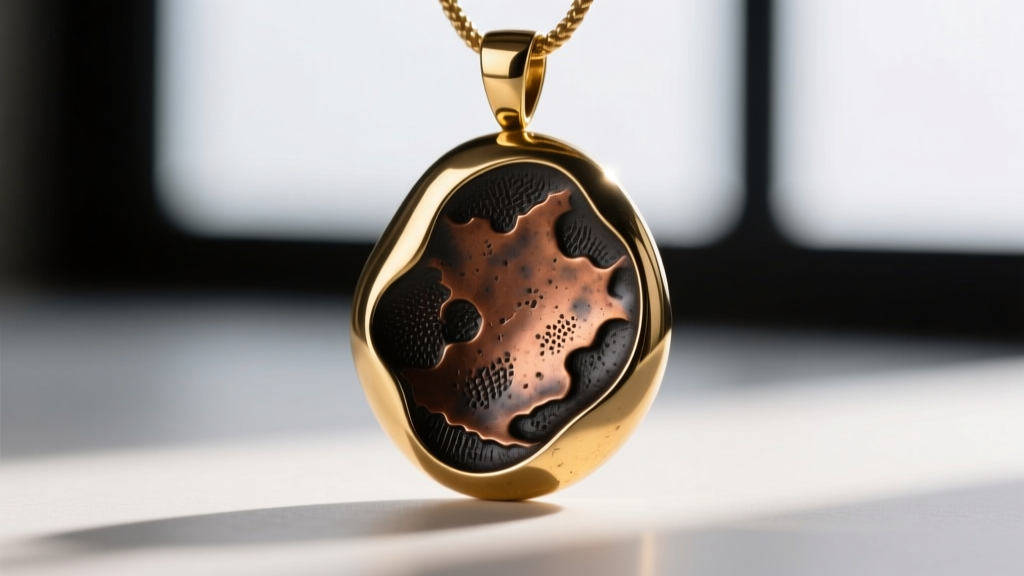
Furthermore, skin chemistry plays a massive role in the wearability of brass. The 'green skin' effect is a harmless chemical reaction, but it can ruin the aesthetic of your outfit and cause frustration. If you have highly acidic skin, a raw brass necklace might turn your neck green within two hours of wear. The American Academy of Dermatology notes that while copper itself is rarely allergenic, the zinc or trace nickel impurities in low-grade brass can trigger allergic contact dermatitis in sensitive individuals.
Mitigation Costs to Factor Into Your Budget:
- Polishing Compounds: Products like Wright's Brass Polish or Brasso cost around $8 to $12 and last for years, but require manual labor.
- Protective Coatings: High-end artisan brass is often sealed with products like Everbrite ProtectaClear or Renaissance Wax ($15 to $25). If you buy raw brass, you may need to purchase and apply these sealants yourself to prevent skin discoloration.
- Ultrasonic Cleaners: For intricate chain links, a basic ultrasonic cleaner ($30 to $45) is often necessary to remove tarnish from crevices that a polishing cloth cannot reach.
Market Pricing Tiers: What Should You Actually Pay?
When evaluating brass necklaces, the manufacturing method dictates the fair market value. A heavy, hand-forged brass chain should not be priced the same as a hollow, machine-stamped alternative. Here is what you should expect to pay in the current market.
Fast Fashion & Mass Market ($15 - $35)
At this price point, you are typically paying for a very thin layer of brass plating over a cheaper base metal like steel or zinc alloy, or a very lightweight, hollow brass chain. These pieces are often coated in a cheap acrylic lacquer to prevent tarnishing in the display case. The Value Verdict: Poor. The lacquer will inevitably chip within three to six months of regular wear, leading to rapid, uneven tarnishing that is nearly impossible to polish without removing the remaining coating.
Independent Artisans & Small Batch ($60 - $150)
Here, you are paying for solid, raw, or professionally sealed brass. Artisans often use high-grade red brass, hand-texture the links, and finish the piece with a professional-grade jeweler's sealant. The hardware (clasps, jump rings) will be robust, and the chain will have substantial weight and drape. The Value Verdict: Excellent. While the upfront cost is higher, the cost-per-wear drops significantly because the piece can be easily polished, re-sealed, and worn for decades.
Brass vs. Gold-Filled vs. Sterling Silver: A Value Matrix
To truly understand the budget value of brass necklaces, we must compare them directly to their closest market competitors. If you have $100 to spend, which metal offers the best return on investment?
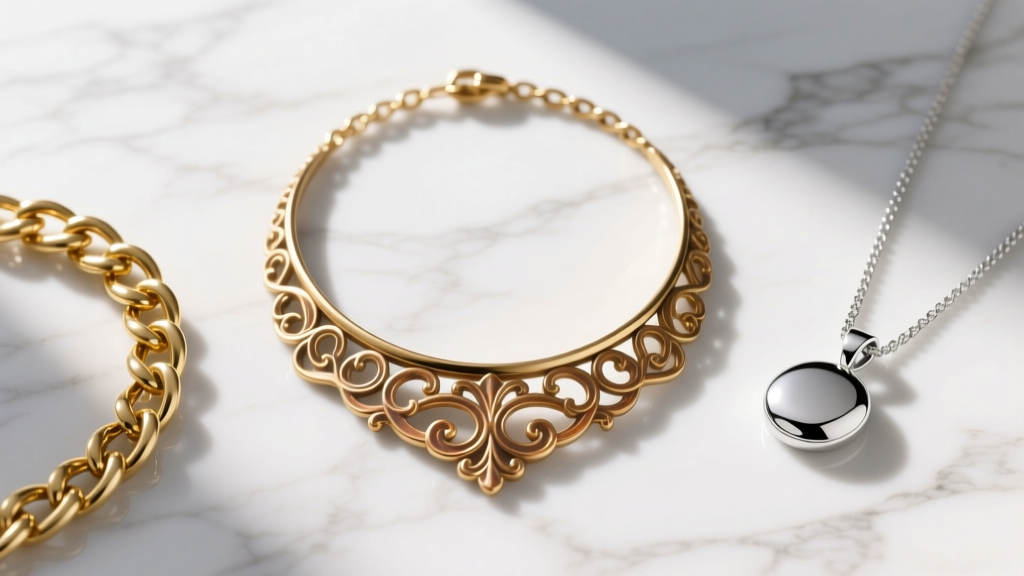
The Golden Rule of Base Metals: Brass offers the best aesthetic-to-cost ratio for large, statement pieces. However, for delicate, everyday chains meant to be worn in the shower, gold-filled or sterling silver remains the superior financial choice due to zero maintenance requirements.
- Solid Brass ($60 - $120): Best for chunky chains, large pendants, and vintage-inspired aesthetics. Requires regular maintenance but can last a lifetime. Can be melted down and recast, though the scrap value is negligible.
- 14k Gold-Filled ($80 - $180): Consists of a thick layer of 14k gold mechanically bonded to a brass core. Offers the exact look of solid gold with zero tarnish and no skin discoloration. Better value for delicate, everyday layering chains.
- Sterling Silver ($90 - $250): A precious metal that holds intrinsic scrap value. Tarnishes slower than brass and is easily cleaned with a simple polishing cloth. The best long-term financial investment of the three, as it retains resale value.
The Final Verdict: Maximizing Your Brass Necklace Investment
Are brass necklaces worth it? From a strict budget and value assessment perspective, the answer is a resounding yes, provided you buy solid, un-plated brass from reputable makers. The upfront savings compared to solid gold or high-karat gold vermeil are massive, allowing you to acquire bold, heavy, and visually striking pieces without draining your savings.
However, you must accept the 'sweat equity' required to maintain the metal. If you are a wearer who prefers to put a necklace on and never think about it, brass will frustrate you, and your money is better spent on 14k gold-filled alternatives. But if you appreciate the organic, living nature of base metals, enjoy the ritual of polishing your jewelry, and love the warm, historical aesthetic that only copper-rich alloys can provide, brass necklaces represent one of the smartest, most stylish budget investments in the modern jewelry market.


