Breast Milk Necklace Gift Guide: Meaningful 2026 Ideas
Discover the ultimate breast milk necklace gift guide for 2026. Learn about preservation science, occasion matching, and pricing for liquid gold jewelry.

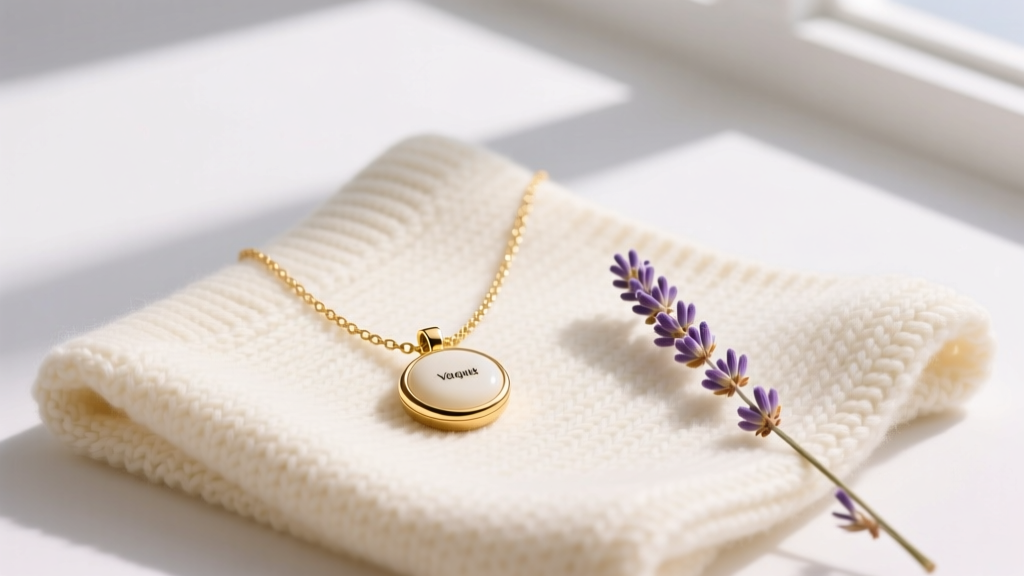
The Ultimate Sentimental Keepsake
In the landscape of modern maternity jewelry, few items carry the profound emotional weight of a breast milk necklace. Often referred to as 'liquid gold,' these bespoke pendants encapsulate a mother's breastfeeding journey into a wearable, tangible heirloom. As we move through 2026, the craftsmanship and preservation science behind these pieces have evolved dramatically, transforming them from niche DIY crafts into highly sought-after fine jewelry gifts. Whether you are a partner looking for the perfect push present, a friend organizing a baby shower, or a family member commemorating a weaning milestone, understanding the nuances of breast milk jewelry is essential for making a meaningful purchase.
According to La Leche League International, the breastfeeding journey is a deeply transformative experience, marked by intense bonding and significant physical sacrifice. Gifting a piece of jewelry that physically incorporates the mother's milk validates that labor of love, offering a permanent reminder of a fleeting season of motherhood. However, not all breast milk jewelry is created equal. This guide will walk you through occasion matching, the complex chemistry of milk preservation, and how to select a piece that will stand the test of time without yellowing or degrading.
Occasion Matching: When to Gift Liquid Gold
Timing is everything when gifting sentimental jewelry. A breast milk necklace is not a standard off-the-shelf item; it requires the recipient to ship or hand-deliver a small vial of frozen or fresh milk to an artisan, who then spends weeks curing the piece. Here is how to match the gift to the milestone.
The Push Present (Birth & Postpartum)
Traditionally, a push present is given by a partner to the mother immediately following the birth of a child. While diamonds and gemstones are classic, a breast milk necklace adds a deeply personal layer. If you choose this route, you will need to present the mother with a 'milk collection kit' and a gift certificate for the artisan's services while she is still in the hospital or recovering at home. This allows her to pump and freeze a small 15ml vial of her first colostrum or transitional milk, which is often prized for its rich, golden hue.
The First Mother's Day
The first Mother's Day after a baby's birth is arguably the most popular occasion for this gift. By this time, the mother's milk supply is usually well-established, making collection easier. Gifting a custom pendant at this stage serves as a beautiful validation of her months of sleepless nights and nursing sessions.
The Weaning Milestone
Weaning is a bittersweet transition that often leaves mothers feeling a sense of loss alongside relief. A breast milk necklace commissioned at the end of the nursing journey acts as a closure ritual. Some artisans offer 'weaning sets,' where the final drops of milk are preserved alongside a lock of the baby's hair or dried flowers from the baby's first birthday bouquet.
The Science of Preservation: Avoiding the Yellowing Effect
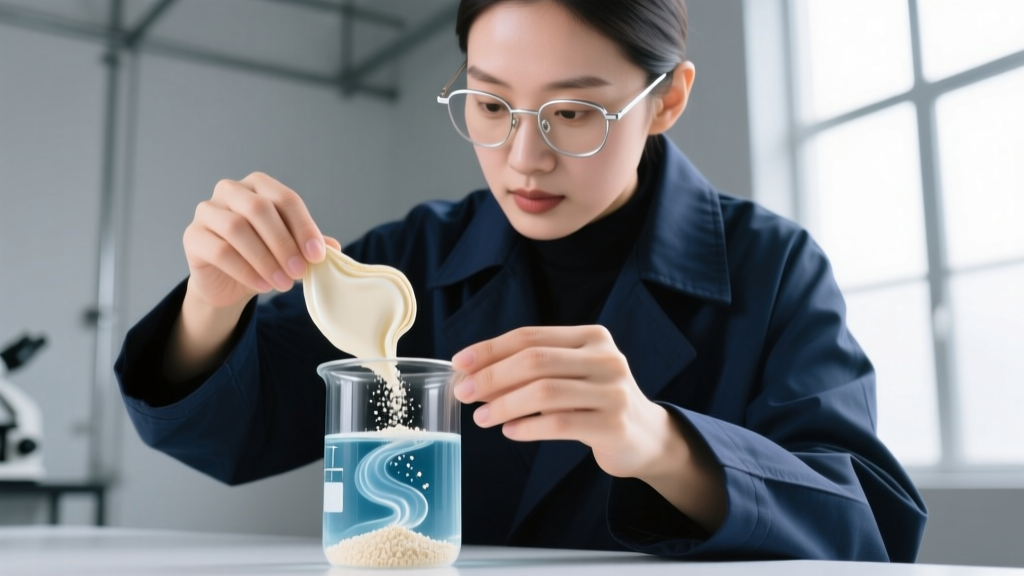
The most critical factor in purchasing a breast milk necklace as a gift is ensuring the artisan uses advanced preservation techniques. Breast milk is a complex biological fluid rich in lipids (fats), proteins, and lactose (sugars). If improperly treated, the fats will go rancid, and the sugars will caramelize, causing the pendant to turn an unappealing brownish-yellow within months.
Top-tier artisans in 2026 employ a rigorous, multi-step biochemical process to ensure the milk remains pristine. First, the milk is defatted using a centrifuge or chemical emulsifiers to remove the lipids. Next, it is dehydrated using silica gel beads or low-heat food dehydrators kept strictly under 135°F to prevent scorching the proteins. Once reduced to a fine powder, it is treated with broad-spectrum preservatives like Optiphen Plus to inhibit bacterial and fungal growth.
| Material | UV Resistance | Cure Time | Yellowing Risk |
|---|---|---|---|
| Standard UV Resin | Low | 3-5 Minutes | High (6-12 months) |
| Jewelry-Grade Epoxy | Medium | 24-48 Hours | Moderate (1-3 years) |
| HALS-Stabilized Polyurethane | Exceptional | 48-72 Hours | Minimal (Decades) |
When commissioning a piece, explicitly ask the artisan if they use Hindered Amine Light Stabilizers (HALS) and UV absorbers (such as Tinuvin) in their resin matrix. These chemical additives scavenge free radicals generated by UV exposure, effectively halting the photo-oxidation process that leads to yellowing. For a comprehensive understanding of material safety standards in jewelry, refer to guidelines published by Jewelers of America.
2026 Pricing Tiers: From DIY to Fine Jewelry
The market for breast milk jewelry has stratified into distinct pricing tiers, allowing gift-givers to choose based on their budget and the recipient's style preferences.
- DIY Silicone Mold Kits ($45 - $90): These kits include resin, molds, and preservatives for the crafty mother who wants to make the pendant herself. While budget-friendly, the risk of improper preservation and bubble trapping is high.
- Artisan Custom Pendants ($150 - $350): The most popular tier. Independent jewelers on platforms like Etsy use professional dehydration methods and high-grade epoxy. These typically feature sterling silver or gold-plated bezels and can incorporate dried flowers, birthstones, or gold leaf flakes.
- Fine Jewelry Integrations ($800 - $2,500+): For a luxury push present, high-end bespoke jewelers will cast the preserved milk stone into solid 14k or 18k gold settings, often accenting the piece with ethically sourced diamonds or sapphires. These pieces are designed to be worn daily alongside fine wedding bands and engagement rings.
Chain Selection: Safety and Comfort for New Moms
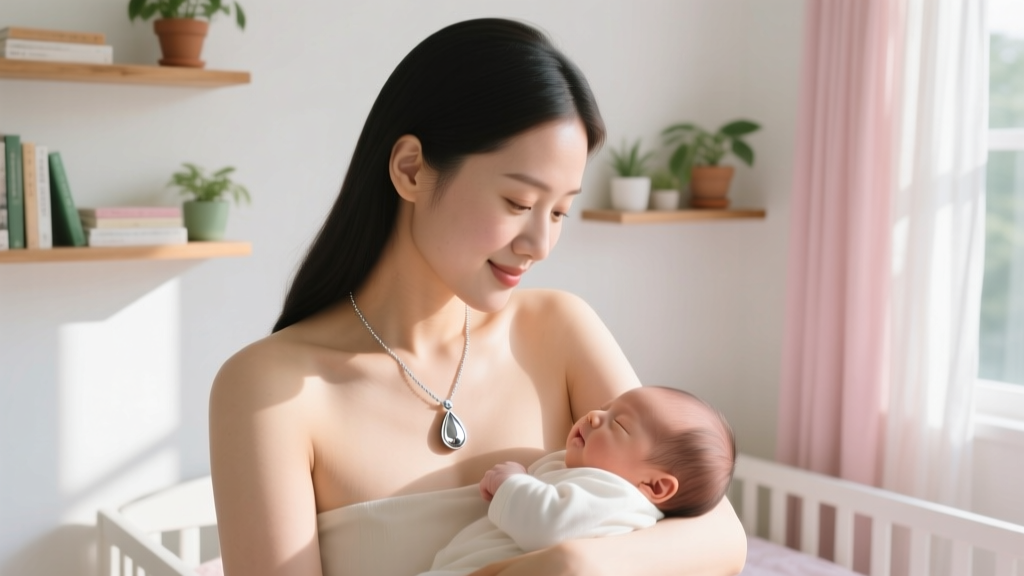
When gifting a necklace to a nursing mother, the chain length and metal type are just as important as the pendant itself. Newborns and infants develop a strong palmar grasp reflex, meaning they will instinctively grab, pull, and chew on anything resting near the mother's collarbone.
For this reason, avoid 16-inch choker lengths or standard 18-inch princess lengths. Instead, opt for a 22-inch to 24-inch matinee or opera length chain. This allows the pendant to rest safely below the baby's reach during nursing or cuddling, preventing painful yanking and protecting the delicate resin stone from being struck by the baby's flailing hands.
Regarding metals, ASTM International standards highlight the importance of nickel-free alloys for sensitive skin. While sterling silver is beautiful, it can tarnish quickly when exposed to baby spit-up, lotions, and sweat. For a low-maintenance, hypoallergenic gift, choose solid 14k gold or high-quality 14k gold-filled chains. Gold is highly unreactive, ensuring the chain remains bright and safe against the mother's skin, even during the messiest phases of early motherhood.
Gifting Etiquette: The Care Card
To complete your gift, ensure the artisan includes a detailed care card, or write one yourself. Breast milk resin, while durable, is not impervious to damage. Remind the recipient to remove the necklace before swimming in chlorinated pools, applying heavy perfumes, or using harsh household cleaning chemicals. When not being worn, the pendant should be stored in a dark, cool jewelry box—prolonged exposure to direct sunlight, even with UV inhibitors, can eventually degrade organic inclusions over decades. By understanding the profound science and deep sentiment behind these pieces, you are not just giving a necklace; you are honoring a mother's extraordinary journey.


