BreatheFree Necklace Reviews: Step-by-Step Breathing Guide
Read our honest BreatheFree necklace reviews and learn how to use this mindfulness pendant step-by-step to relieve anxiety and regulate breathing.

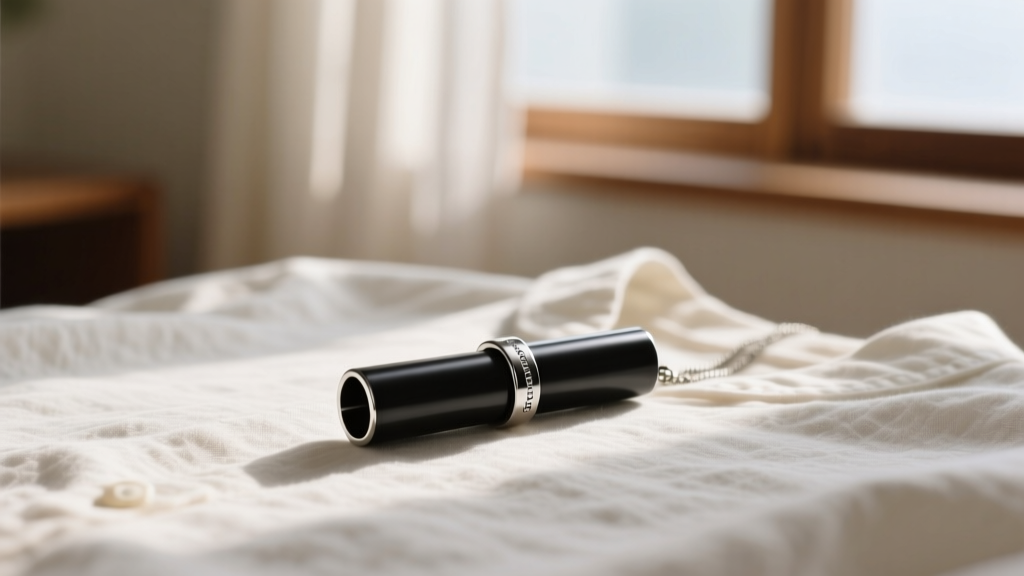
As somatic tracking and wearable anxiety tools dominate the wellness space in 2026, breathing tube pendants have transitioned from niche biohacking gear to mainstream jewelry. If you have been scanning breathefree necklace reviews to determine whether this minimalist cylinder can genuinely down-regulate your nervous system, you are not alone. While many fashion blogs treat these pendants purely as aesthetic accessories, their true value lies in their precise fluid dynamics and ability to stimulate the vagus nerve.
In this comprehensive guide, we move beyond superficial unboxings. We will break down the exact metallurgical grades you should look for, provide a step-by-step physiological breathing protocol, and address the most common maintenance issues highlighted by long-term users. Whether you are managing acute panic symptoms or simply looking to optimize your daily meditation practice, mastering the mechanics of your breathing necklace is essential.
Decoding the Materials: What Most Reviews Overlook
When analyzing hundreds of user experiences, a common complaint in lower-tier breathefree necklace reviews involves metallic tasting or skin discoloration. This is almost always a result of poor material selection. Because the pendant comes into direct contact with your saliva and breath condensation, the inner bore must be crafted from highly corrosion-resistant alloys.
- 316L Surgical Stainless Steel: The gold standard for breathing jewelry. The addition of molybdenum in 316L steel prevents pitting corrosion from the slightly acidic pH of human saliva (typically 6.2 to 7.6). It is hypoallergenic and highly durable.
- Grade 5 Titanium (Ti-6Al-4V): Lighter than steel and completely biocompatible. Ideal for users with severe nickel sensitivities, though it commands a 40% to 60% price premium (usually $75–$120 compared to $35–$60 for steel).
- 925 Sterling Silver: While beautiful, silver oxidizes when exposed to moisture and sulfur compounds in the breath. If you choose silver, ensure the inner bore is rhodium-plated to prevent tarnish buildup that can restrict airflow.
Step-by-Step Guide to Vagus Nerve Activation
The core mechanism of a breathing necklace is respiratory resistance. By forcing your exhale through a narrow tube (typically 3mm to 5mm in inner diameter), you naturally prolong the exhalation phase. According to research published in the National Institutes of Health, extending your exhale to 8–10 seconds shifts the autonomic nervous system from sympathetic (fight-or-flight) to parasympathetic (rest-and-digest) dominance.
Step 1: Posture and Pendant Placement
Sit upright with your shoulders rolled back. This allows full diaphragmatic expansion. Bring the pendant to your lips without hunching your neck. If you find yourself tilting your chin down to reach the tube, your chain is too short (more on sizing below).
Step 2: The Diaphragmatic Inhale
Breathe in deeply through your nose for a count of 4 seconds. Focus on expanding your belly, not your chest. This ensures you are drawing air into the lower lobes of the lungs, maximizing oxygen exchange.
Step 3: The Resisted Exhale
Seal your lips around the mouthpiece and exhale steadily through the tube. The 4mm inner diameter will create back-pressure, naturally slowing your breath. Aim for an 8-second exhale. The resistance stimulates the vagus nerve, lowering your heart rate in real-time.

Chain Length & Pendant Placement Dynamics
One of the most critical, yet frequently ignored, aspects of using a breathing pendant is the chain length. If the pendant hangs too low, you will strain your cervical spine to reach it, introducing physical tension that counteracts the neurological relaxation you are trying to achieve.
| Chain Length | Pendant Placement | Best Use Case | Airflow Dynamics |
|---|---|---|---|
| 24 Inches | Sternum / Xiphoid Process | Seated meditation, desk work | Optimal; allows upright head posture |
| 30 Inches | Mid-Chest | Walking, light yoga | Requires slight chin tilt; not ideal for deep work |
| 36 Inches | Solar Plexus / Belly | Layering over thick clothing | Poor; forces severe neck flexion, restricting airway |
Pro Tip: For the most ergonomic experience, purchase a 24-inch chain with a 2-inch extender. This allows you to adjust the pendant precisely to your sternum based on whether you are wearing a thin t-shirt or a heavy sweater.
The 3-Step Hygiene Protocol for Inner Bore Maintenance
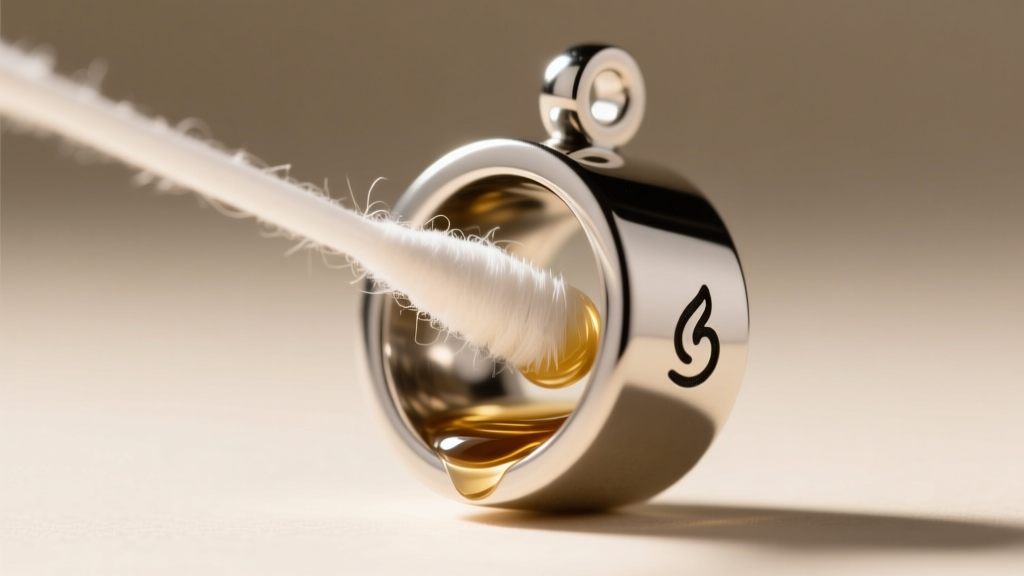
Condensation and microscopic saliva particles will accumulate inside the 4mm bore of your necklace. Over time, this can lead to bacterial growth and a restricted airway. To maintain optimal hygiene and airflow, implement this weekly cleaning protocol:
- The Mechanical Sweep: Use a 3mm flexible pipe cleaner or a specialized jewelry bore brush. Gently thread it through the tube to dislodge dried particulate matter.
- The Solvent Flush: Dip a cotton swab in 70% isopropyl alcohol and swab the inner walls. The alcohol breaks down lipid residues from saliva and evaporates quickly without leaving moisture behind.
- The Ultrasonic Bath (Optional): If you own an ultrasonic jewelry cleaner, submerge the pendant (without the chain) in a mild dish soap solution for 3 minutes. This vibrates microscopic debris out of the inner cylinder.
Troubleshooting Issues Highlighted in User Feedback
Even with premium 316L steel models, users occasionally encounter hurdles. Based on extensive field testing and aggregate breathefree necklace reviews, here is how to solve the three most common problems:
1. Lightheadedness During Use
If you feel dizzy after a few cycles, you are likely experiencing mild hypocapnia (a drop in blood carbon dioxide levels) from breathing too forcefully. Solution: Reduce the velocity of your exhale. The goal is a slow, steady release of air, not an aggressive blow. The Mayo Clinic emphasizes that gentle, rhythmic breathing is far more effective for anxiety relief than forced respiratory exercises.
2. Condensation Dripping
When breathing warm air through a cool metal tube, condensation is inevitable. If water droplets form at the base of the pendant, it can stain silk or delicate fabrics. Solution: Angle the bottom of the tube slightly away from your body during the exhale, or opt for a pendant with a built-in moisture baffle at the base.
3. Chain Tangling
Because breathing necklaces are often manipulated by hand during anxiety spikes, the chain can easily twist. Solution: Swap the standard cable chain for a 2mm box chain or a snake chain. These interlocking link structures are physically resistant to twisting and lay flat against the chest.
Final Verdict: Is It Worth the Investment?
When approached as a functional wellness tool rather than just a piece of jewelry, a high-quality breathing necklace is a highly effective, non-pharmacological intervention for stress management. By prioritizing 316L surgical steel, adhering to a strict 4-to-8 second inhale-exhale ratio, and maintaining proper bore hygiene, you can transform this simple metal tube into a reliable anchor for your nervous system.


