Breathing Necklace Value: Are Mindfulness Pendants Worth It?
Is a breathing necklace worth the investment? We break down the cost, materials, and airflow mechanics of anxiety pendants to help you choose wisely.

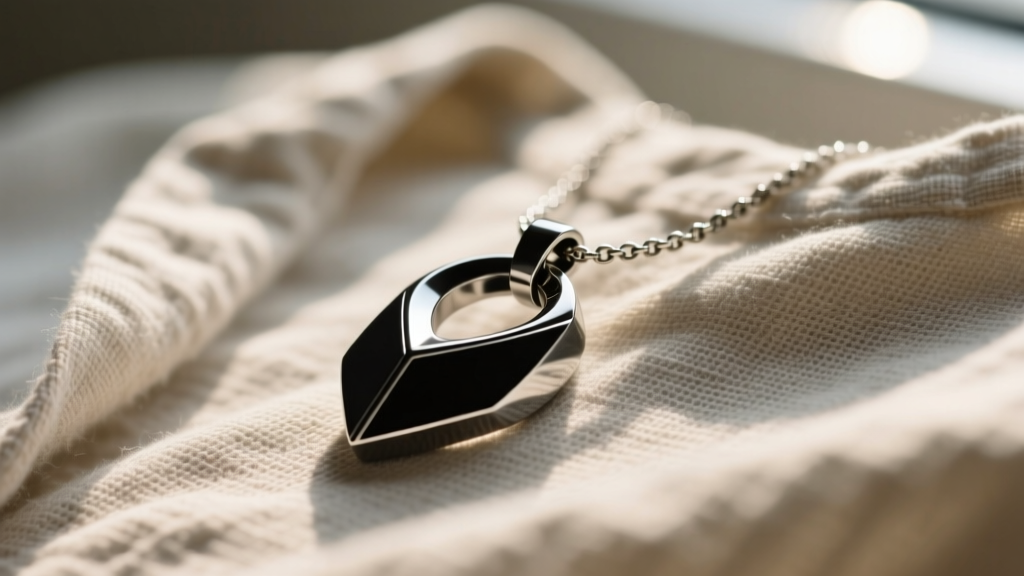
The Rise of Somatic Jewelry: Beyond the Placebo Effect
In the evolving landscape of mental health and wellness tools, the breathing necklace has transitioned from a niche therapeutic aid to a mainstream staple in the jewelry market. But as hundreds of new listings flood e-commerce platforms in 2026, consumers are left asking a critical question: Is a $90 mindfulness pendant genuinely worth ten times the cost of a generic $9 alternative? To assess the true value of a breathing necklace, we must look past the marketing and evaluate the fluid dynamics, metallurgical integrity, and long-term wearability of these somatic tools.
At its core, a breathing necklace—often referred to as an anxiety whistle or mindfulness pendant—is not merely a hollow tube. It is a precisely calibrated airflow restrictor. According to the National Institute of Mental Health, grounding techniques that engage the parasympathetic nervous system are vital for managing acute stress. By forcing the user to exhale through a narrow cylinder, the pendant extends the breath to an 8-to-10-second duration. This specific exhale length is clinically proven to stimulate the vagus nerve, lowering heart rate and signaling the brain to exit the 'fight or flight' state. However, the efficacy of this mechanism relies entirely on the precision of the pendant's engineering, which is where the budget versus premium debate truly begins.
Fluid Dynamics and Acoustic Calibration: The Hidden Value Drivers
The primary differentiator between a high-value breathing necklace and a cheap knockoff is the inner bore diameter and its acoustic tuning. A premium pendant features an internal bore precisely machined to between 1.5mm and 2.5mm. This specific tolerance creates enough back-pressure to naturally slow your exhale without causing lightheadedness or jaw fatigue.
Budget pendants, often mass-produced via cheap die-casting, suffer from severe calibration inconsistencies. A bore that is too wide (3mm+) fails to provide the necessary resistance, rendering the vagus nerve stimulation ineffective. Conversely, a bore that is too narrow (under 1.2mm) creates a high-pitched whistling sound. This acoustic failure is a major deterrent; the purpose of an anxiety necklace is discreet grounding in public spaces, not drawing attention with a loud whistle. Premium brands invest heavily in acoustic dampening and internal chamber stepping to ensure the exhale is entirely silent, a manufacturing nuance that justifies a higher price point.
Metallurgical Integrity: Saliva, Corrosion, and Skin Contact
Because a breathing necklace is repeatedly exposed to saliva, breath condensation, and the oils from your hands, the material grade is a non-negotiable factor in its long-term value. Cheaper alloys will quickly degrade, harbor bacteria, and cause contact dermatitis.
Material Breakdown and Pricing Tiers
| Material Grade | Average Price Range | Corrosion Resistance | Hygiene & Maintenance | Value Verdict |
|---|---|---|---|---|
| Zinc Alloy / Brass (Plated) | $8 - $15 | Poor (plating flakes) | High bacteria risk; cannot be sterilized | Avoid entirely |
| 304 Stainless Steel | $15 - $35 | Moderate | Requires frequent drying; can pit over time | Low long-term value |
| 316L Surgical Steel | $45 - $85 | Excellent (contains Molybdenum) | Non-porous; easily cleaned with alcohol | Best overall value |
| 925 Sterling Silver | $70 - $130 | Moderate (tarnishes) | Requires polishing; softer metal can dent | High aesthetic, medium utility |
| Grade 23 Titanium (6Al-4V) | $90 - $150 | Superior | Hypoallergenic; lightweight; indestructible | Premium investment |
If you are assessing value, 316L surgical stainless steel offers the highest return on investment. The addition of molybdenum in 316L steel specifically prevents pitting and corrosion from the chlorides found in human saliva. Sterling silver, while beautiful, is a softer metal; users who unconsciously chew or bite their anxiety pendants will quickly dent the silver, altering the bore shape and ruining the airflow calibration.
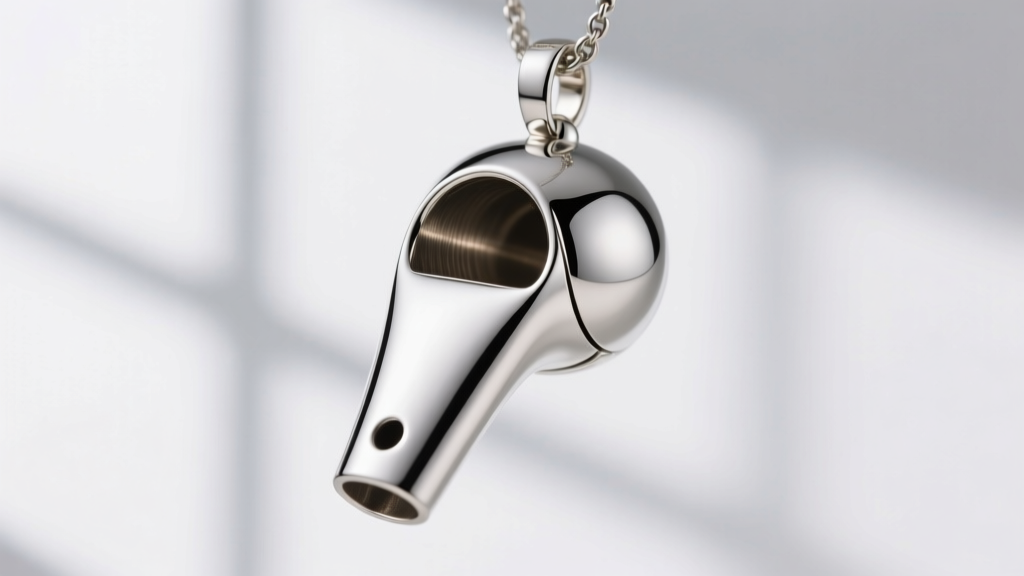
The Chain: The Overlooked Point of Failure
A breathing necklace pendant typically weighs between 18 and 30 grams due to the density of the steel or silver required for proper acoustic mass. Budget brands frequently pair these heavy pendants with flimsy 1mm cable chains and weak spring-ring clasps. This is a massive hidden cost; the chain will inevitably kink, snap, or drop the pendant down a storm drain within a few months of daily wear.
When evaluating the total package, inspect the chain specifications. A high-value breathing necklace will feature a 1.5mm to 2.0mm box chain or rope chain. Box chains distribute weight evenly and resist kinking, while a sturdy lobster clasp ensures the pendant remains secure. Furthermore, the drop length is critical for ergonomic use. The pendant must rest precisely at the lower sternum (typically a 24-inch to 28-inch chain length) so that you can bring it to your mouth without hunching your neck or lifting your shoulders, which would counteract the physical relaxation you are trying to achieve.
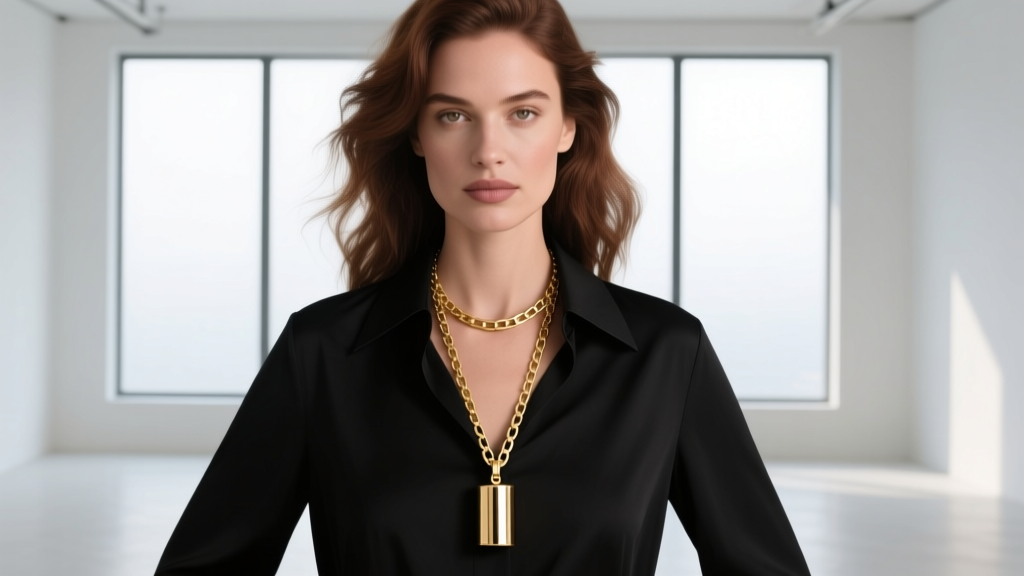
Brand Tax vs. Generic Alternatives: A 2026 Market Assessment
The pioneer brands in the mindfulness jewelry space, such as Shift and Komuso, generally retail their pendants between $85 and $125. Are you paying for the logo, or the engineering? In 2026, the market has bifurcated clearly. The premium brands justify their cost through rigorous quality control: perfectly smoothed mouthpieces (preventing lip micro-tears), PVD (Physical Vapor Deposition) color coatings that will never rub off, and comprehensive warranties that cover chain breakage.
On the other end of the spectrum, the $12 to $20 generic alternatives found on massive online marketplaces are essentially metal straws. They lack internal acoustic stepping, feature sharp, unpolished seams at the mouthpiece, and use chains that tarnish within weeks. While a generic tube might remind you to take a deep breath, it fails to provide the physiological resistance required for genuine vagus nerve stimulation. As noted by research published via Harvard Health Publishing, the physical mechanics of prolonged exhalation are what trigger the relaxation response, not just the intention to breathe deeply.
Cleaning and Long-Term Maintenance Costs
Value is also determined by maintenance. A breathing necklace requires weekly cleaning to prevent the buildup of oral bacteria inside the bore. Premium 316L steel and Titanium pendants can be safely soaked in an ultrasonic cleaner or flushed with 70% isopropyl alcohol. Cheaper plated metals will blister and peel when exposed to alcohol or ultrasonic vibrations, turning a $15 purchase into immediate e-waste. Factoring in the cost of replacement, a single $85 premium pendant outlasts and outperforms a dozen budget alternatives.
Final Verdict: Calculating Your ROI on Mindfulness Jewelry
When conducting a budget and value assessment on a breathing necklace, the cost-per-use metric heavily favors premium, medically-grade materials. If a $90 titanium or 316L steel pendant successfully helps you navigate acute anxiety, prevents a panic attack, or serves as a reliable tactile grounding tool for even a few months, the return on investment is immeasurable.
True value in somatic jewelry is not found in the sparkle of a gemstone, but in the flawless execution of its mechanical purpose and the durability of its materials.
To maximize your budget, bypass the ultra-cheap zinc alloys and the overly expensive solid gold options. Target the mid-to-high tier ($60-$110) focusing strictly on 316L stainless steel or Grade 23 Titanium, paired with a heavy-duty box chain. By prioritizing bore calibration and metallurgical hygiene over flashy branding, you secure a daily wearable tool that genuinely supports your nervous system without compromising your wallet.


