Broken Heart Necklace Gift Guide: Styles, Meanings & Occasions
Discover the perfect broken heart necklace for any occasion. Explore meanings, material grades, chain styles, and pricing for healing and friendship gifts.

The Dual Symbolism: Puzzle vs. Fractured Hearts
When searching for a meaningful gift, the broken heart necklace is a motif that carries profound emotional weight. However, in modern jewelry design, this term actually refers to two distinctly different styles, each serving a unique gifting purpose. Understanding the difference is critical for matching the piece to the recipient's emotional landscape.
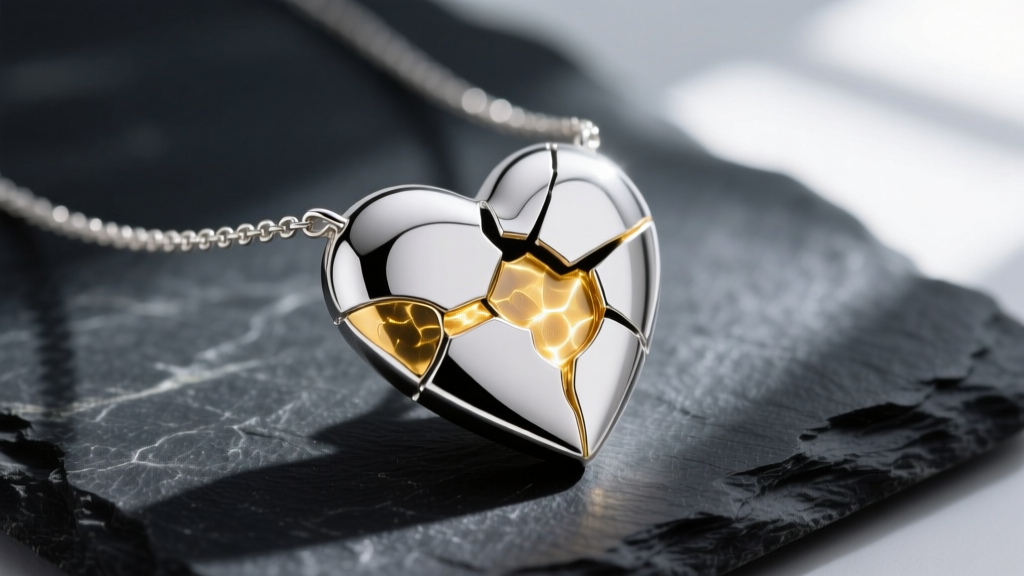
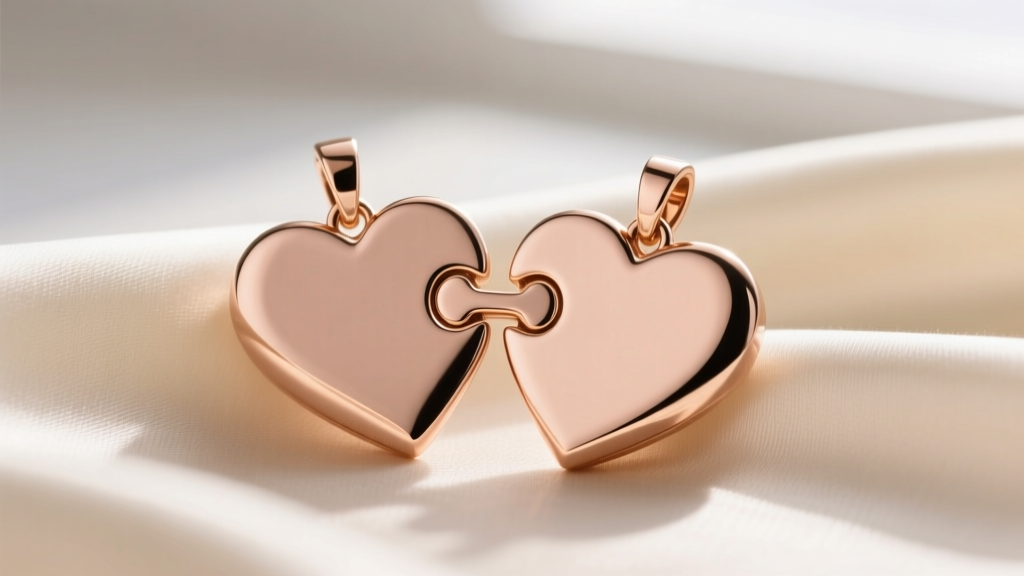
The first iteration is the interlocking puzzle heart—two separate halves designed to fit together seamlessly. This represents connection, shared bonds, and completion. The second is the fractured or kintsugi heart—a single, solid pendant featuring intentional cracks filled with contrasting metal or resin. This represents healing, resilience, and the beauty of surviving hardship. According to the Victoria and Albert Museum's jewelry archives, sentimental and mourning jewelry has historically relied on physical metaphors like these to process complex emotions, a tradition that has evolved beautifully into 2026's focus on mental health and resilience.
Occasion Matching: Who to Gift and When
Long-Distance & Deep Friendships (The Puzzle Heart)
The puzzle heart is the ultimate token of connection. In 2026, high-end jewelers have moved away from the cheap, stamped 'jigsaw' cuts of the past. Today, premium puzzle hearts utilize CNC-milled dovetail joints or tongue-and-groove mechanisms. This engineering ensures that when the two halves are placed side-by-side, they lay perfectly flat against the clavicle without catching on clothing. Gift this to a long-distance partner, a college roommate moving away, or a sister. It serves as a physical anchor to a shared relationship.
Healing, Grief, & Resilience (The Kintsugi Heart)
For someone navigating a difficult breakup, the loss of a loved one, or a major life transition, the fractured heart is a profoundly empathetic gift. Inspired by the Japanese art of Kintsugi, modern metallurgists cast recycled 925 sterling silver with intentional stress fissures, then fill those cracks with a two-part jeweler's epoxy suspended with 24k gold powder. This not only prevents the structural integrity of the silver from compromising but also highlights the 'scars' as the most valuable part of the piece.
'The art of Kintsugi teaches us that breaks and repairs are part of the history of an object, rather than something to disguise.' — Applied to jewelry, a fractured heart pendant tells the wearer that their resilience is their greatest asset.
Material Grades, Alloys, and Pricing Tiers
When gifting a broken heart necklace, the metal composition dictates both the longevity of the piece and its skin-compatibility. The Gemological Institute of America (GIA) outlines strict standards for gold alloys and vermeil, which you should verify when purchasing. Below is a decision matrix to help you choose the right material tier for your budget and the recipient's lifestyle.
| Material Grade | Composition Details | Price Range | Best Occasion & Durability |
|---|---|---|---|
| Sterling Silver (925) | 92.5% pure silver, 7.5% copper. Often rhodium-plated to prevent tarnish. | $45 - $120 | Everyday wear for teens/young adults. Requires occasional polishing. |
| Gold Vermeil | Sterling silver base plated with at least 2.5 microns of 14k or 18k gold. | $70 - $180 | Thoughtful friendship gifts. Lasts 2-5 years with proper care before needing replating. |
| 14k Gold Filled | Brass core mechanically bonded with a thick layer of 14k gold (5% by weight). | $90 - $220 | Excellent for sensitive skin. Highly durable for daily, never-take-it-off wearers. |
| Solid 14k Gold | 58.5% pure gold alloyed with silver, copper, or zinc for structural strength. | $350 - $850+ | Heirloom milestones, major life transitions, and permanent healing tokens. |
Chain Gauges, Tensile Strength, and Clasp Mechanics
A pendant is only as secure as the chain and clasp holding it. Gifting a beautiful broken heart motif on a substandard chain is a common mistake that leads to lost jewelry. Pay attention to these technical specifications:
- For Delicate Kintsugi Hearts (Under 5 grams): Opt for a 1.0mm to 1.2mm Box Chain. Box chains have a tensile strength of roughly 8-10 lbs, which is more than sufficient for lightweight pendants. They offer a modern, geometric look that complements the fractured lines of the pendant.
- For Heavy Puzzle Halves (8-15 grams each): You must upgrade to a 2.0mm to 2.5mm Rope Chain. The twisted links of a rope chain provide superior structural integrity and can withstand 20+ lbs of tensile force, ensuring the heavier solid gold or thick silver puzzle pieces do not snap the chain.
- The Clasp Imperative: Never gift a necklace with a spring-ring clasp for sentimental jewelry. The internal spring mechanism is prone to failure and fatigue. Always ensure the piece features a 10mm or 12mm Lobster Clasp, and verify that the jump ring attaching the pendant to the chain is soldered shut to prevent the pendant from slipping off during wear.
Layering Frameworks for the Broken Heart Motif
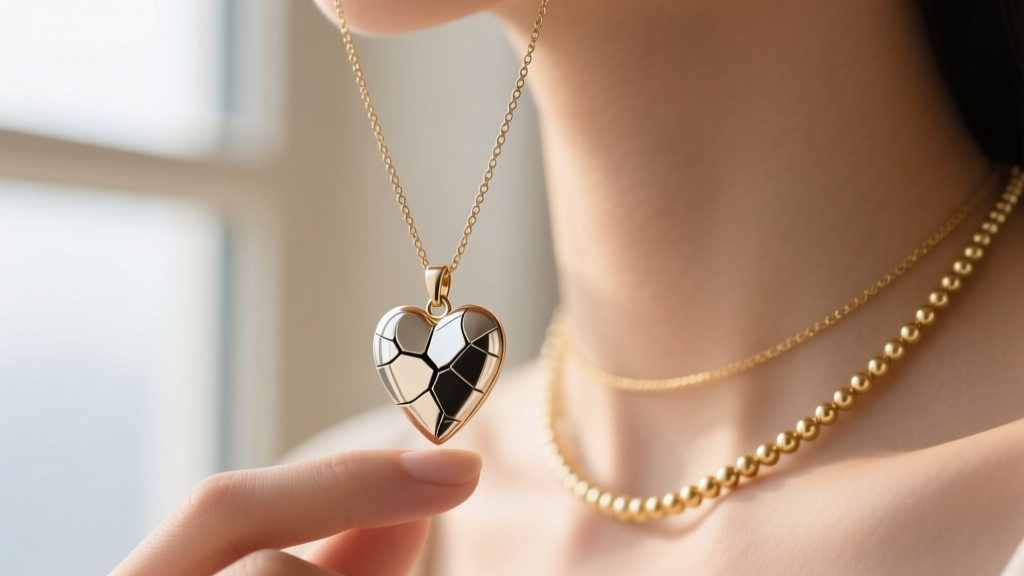
In 2026, the standalone pendant is often integrated into a curated 'neck stack.' Because a broken heart necklace carries such visual and emotional weight, it must be the focal point of the layering sequence. Use this framework to style the gift for the recipient:
- The Anchor (16 inches): The broken heart pendant should sit at the collarbone on a 16-inch chain. This ensures the motif rests directly over the sternum, maximizing its visual impact.
- The Bridge (18 inches): Add a simple, unadorned 18-inch chain, such as a 1.5mm cable or satellite chain. This provides visual breathing room and prevents the stack from looking cluttered.
- The Counterweight (20-22 inches): Finish with a longer, heavier chain featuring a minimalist geometric pendant (like a simple gold bar or a small, uncut gemstone). This draws the eye downward and creates a flattering 'V' silhouette that elongates the neck.
Final Gifting Considerations
Presentation is the final layer of the gifting experience. Because sterling silver and vermeil are susceptible to oxidation, ensure the necklace is packaged in an anti-tarnish flannel pouch or a lined jewelry box containing a silica gel packet or treated anti-tarnish strip. Include a handwritten note explaining the specific symbolism you chose—whether it is the unbreakable bond of the dovetail puzzle joint or the golden resilience of the kintsugi fracture. By matching the exact metallurgy, chain mechanics, and emotional symbolism to the recipient's current life chapter, your broken heart necklace gift will transcend mere accessory status and become a cherished, lifelong talisman.


