Halloween Horror Nights No Scare Necklace: 2026 Park Rules & Fixes
Troubleshoot your Halloween Horror Nights no scare necklace for 2026. Learn park rules, durable materials, and lighting fixes to keep actors away.

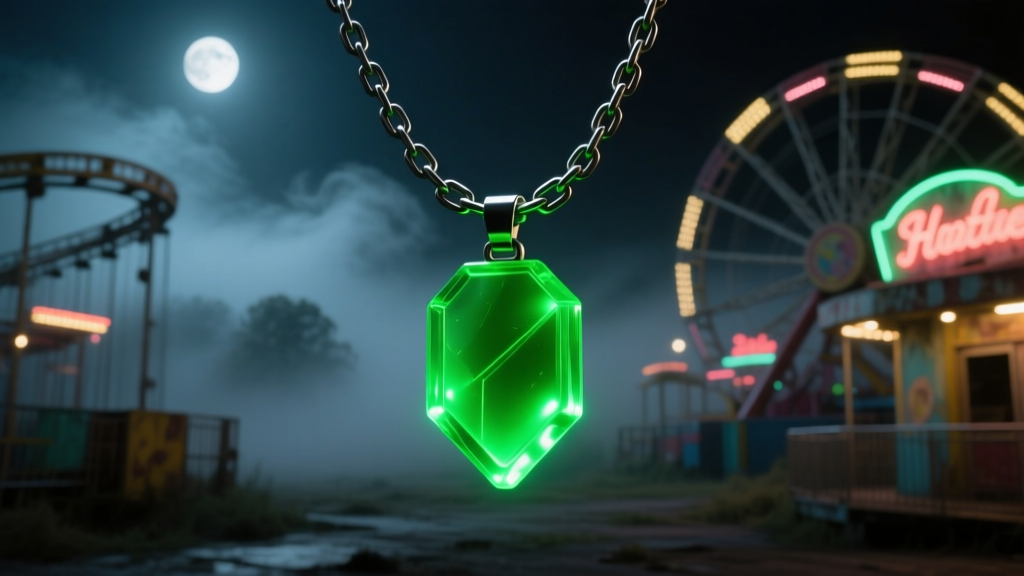
Attending Universal Studios’ Halloween Horror Nights (HHN) is an intense, adrenaline-fueled experience. However, for pregnant guests, individuals with heart conditions, neurodivergent attendees, or those who simply want to enjoy the intricate set designs without being terrorized by scare actors, signaling your boundaries is essential. While Universal officially provides "No Scare" buttons at Guest Services, many attendees prefer wearing a custom halloween horror nights no scare necklace for better visibility and personal style. But as theme park veterans know, a poorly designed necklace can fail in the fog-filled, high-traffic scare zones. This 2026 troubleshooting guide breaks down the exact failure modes of no-scare jewelry and provides actionable, expert-level fixes to ensure you stay safe and unbothered all night.
The Purpose and Park Rules of a No Scare Necklace
Before engineering your necklace, you must understand the strict parameters set by Universal Studios. According to the official Universal Orlando Halloween Horror Nights guidelines, guests are prohibited from wearing costumes that make them look like park employees, full-face masks, and any props that could be deemed dangerous or disruptive.
A no-scare necklace falls under the category of a personal accessory, but it must not violate safety protocols. The most common reasons security confiscates guest jewelry at the front gates include:
- Sharp Edges: Pendants with spiked or jagged metal borders that could injure someone in a crowded panic.
- Strobe Lighting: Flashing LEDs that can trigger seizures in other guests or disorient scare actors.
- Strangulation Hazards: Long, non-breakaway chains that can get caught on turnstiles, ride restraints, or aggressive animatronics.
To ensure your necklace is park-compliant, it must feature a solid-state light (no strobing), smooth edges, and a safety-release clasp.
Troubleshooting Common Necklace Failures at HHN
Even if your necklace makes it past security, the harsh environment of HHN—complete with artificial fog, extreme humidity (in Florida), and sudden crowd surges—will test its durability. Here is how to troubleshoot the three most common failure points.
Issue 1: The Lighting is Too Subtle (Actors Ignore It)
The Problem: You are wearing a delicate pendant with a tiny 2mm LED, but scare actors keep jumping out at you.
The Fix: Scare actors are in heavy prosthetics, wearing dark contacts, and operating in low-light environments filled with theatrical haze. A subtle glow will not register. Your pendant must emit a minimum of 50 to 80 lumens of diffused light. Instead of a bare bulb, encase a high-output LED in a frosted epoxy resin or translucent silicone mold. The diffusion creates a 360-degree halo effect that is visible from at least 10 feet away, which is the standard engagement distance for actors in scare zones.
Issue 2: Chain Breakage from Crowd Surges
The Problem: A sudden scare causes the crowd to surge backward, snapping your zinc-alloy chain and losing your pendant in the dirt.
The Fix: Never use standard lobster clasps or cheap base metals for theme park jewelry. Upgrade to a 316L surgical stainless steel ball chain or box chain. More importantly, you must integrate a magnetic breakaway clasp or a silicone safety-release connector. If someone grabs the chain or it snags on a stroller, the clasp will detach safely rather than choking you or breaking the chain links.
Issue 3: Battery Death Before Midnight
The Problem: Your necklace dies by 9:00 PM, leaving you unprotected for the busiest scare hours.
The Fix: Standard alkaline coin cells lose voltage rapidly under the continuous draw of an LED. Swap to Lithium CR2032 batteries. A lithium coin cell will maintain a steady 3V output for 60+ hours of continuous use, easily outlasting a 14-hour park day. Always carry one spare battery in a sealed ziplock bag to protect it from the fog machine moisture.
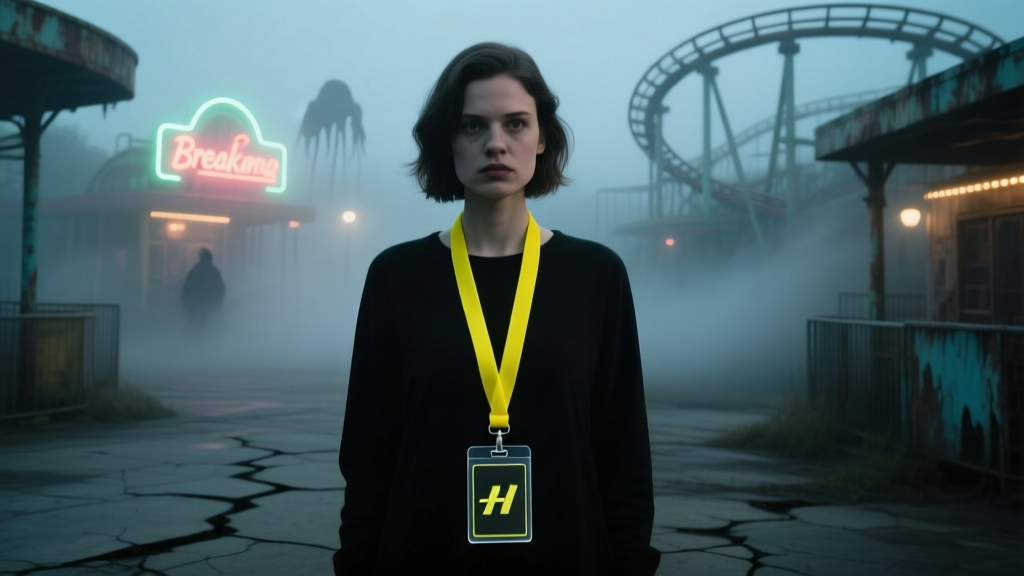
Material & Component Comparison Matrix
Choosing the right components is critical for a functional halloween horror nights no scare necklace. Use this decision matrix to select your materials based on durability, safety, and weight.
| Component | Material Option | Pros | Cons | Verdict for HHN |
|---|---|---|---|---|
| Chain | Zinc Alloy | Cheap, lightweight | Tarnishes, snaps easily | Avoid |
| Chain | 316L Stainless Steel | Sweat-proof, highly durable | Slightly heavier | Highly Recommended |
| Clasp | Standard Lobster | Secure for daily wear | Strangulation risk in crowds | Avoid |
| Clasp | Magnetic Breakaway | Detaches under 3 lbs of pull | Can detach accidentally if bumped | Highly Recommended |
| Pendant | Glass Vial | Beautiful light diffusion | Shatters if dropped on concrete | Avoid |
| Pendant | Frosted Epoxy Resin | Shatterproof, custom shapes | Requires DIY curing time | Highly Recommended |
How to Build a Park-Compliant DIY No Scare Pendant
If commercial glow necklaces are too fragile and official buttons are too small, building a custom resin pendant is the ultimate troubleshooting solution. Here is a professional jeweler’s workflow for creating a durable, high-visibility piece.
- Prepare the Light Engine: Purchase a pre-wired 5mm frosted white LED connected to a CR2032 battery holder with a discreet slide switch. Test the circuit to ensure it works.
- Create the Mold: Use a smooth, non-threatening silicone mold (a simple circle, oval, or smooth teardrop). Avoid skull or weapon shapes, as these violate the Universal Studios Hollywood prop policies regarding realistic weapons or aggressive iconography.
- Pour the Resin: Mix a 1:1 ratio of high-quality, UV-resistant epoxy resin. Pour a thin base layer and let it tack up. Place the LED in the center, ensuring the wires trail out of the top where the bail (loop) will be. Pour the second layer to encapsulate the light completely.
- Finish and Assemble: Once cured (24 hours), sand the top edge smooth. Attach a stainless steel glue-on bail using E6000 jewelry adhesive. Thread your 316L steel chain through the bail and secure it with a magnetic breakaway clasp.
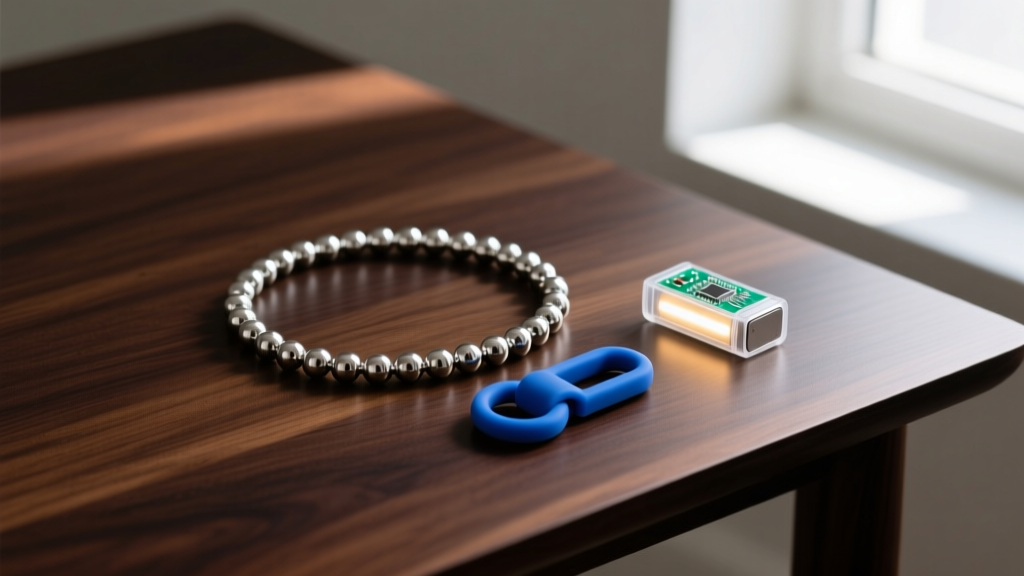
Alternatives to the Traditional Glow Necklace
If you find that a necklace still isn't providing the boundary you need, or if you want to layer your signaling methods, consider these troubleshooting alternatives:
- Clip-On Shoe Lights: Scare actors often crouch or lunge from ground level. Attaching a bright, steady-glow silicone LED clip to your sneakers ensures actors see your "do not engage" signal even when looking up from a low angle.
- Reflective Slap Bands: While not illuminated, thick neon reflective bands worn on both wrists catch the ambient light from scare zones and flashlights, signaling to actors that you are a cautious guest.
- The Official Lanyard: If DIY isn't your strength, visit Guest Services immediately upon entering the park. Request the official medical/accessibility lanyard or button, and pair it with a bright, neon clothing item to maximize visibility.
Final Checklist Before Entering the Scare Zones
Before you step off the safe pathways and into the fog, run through this rapid troubleshooting checklist:
- Is the light set to steady-on (no flashing or strobing)?
- Is the pendant free of sharp metal prongs or glass?
- Does the chain feature a breakaway safety clasp?
- Is the light visible from 10 feet away through theatrical fog?
- Do you have a spare lithium battery in your pocket?
By treating your halloween horror nights no scare necklace as a piece of functional safety equipment rather than just a costume accessory, you guarantee a night focused on the artistry of the event rather than unwanted adrenaline spikes. Stay safe, respect the actors, and enjoy the horrors of 2026 on your own terms.


