Buddha Necklace Jade: 2026 Style & Trend Analysis
Explore the 2026 trends for the buddha necklace jade. Learn about jadeite grades, carving iconography, pricing tiers, and modern layering techniques.

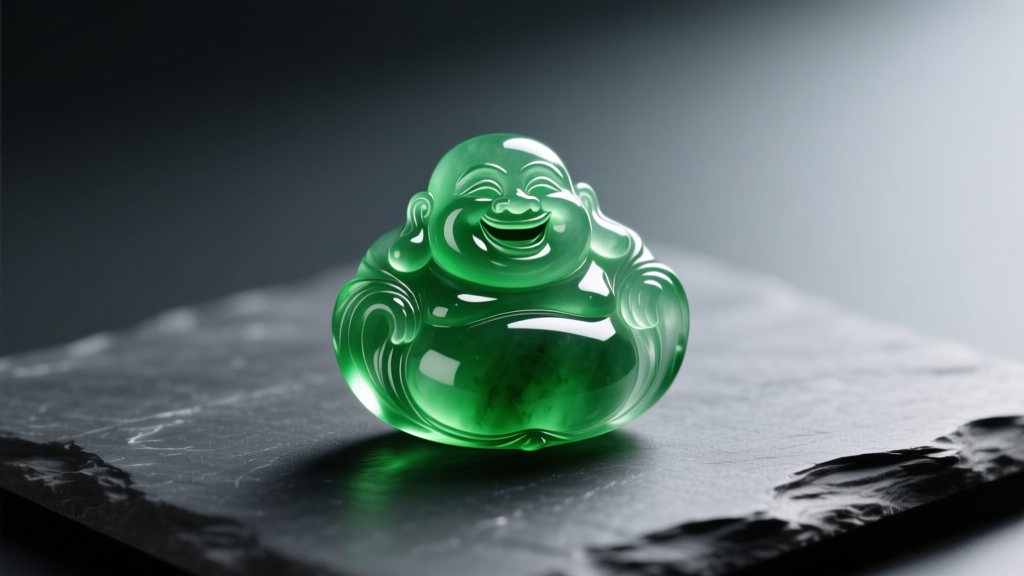
The evolution of the buddha necklace jade has undergone a radical transformation as we move through 2026. Once relegated to the realm of tourist souvenirs and traditional family heirlooms, jade Buddha pendants have been reclaimed by high jewelry designers and minimalist stylists alike. Today, this iconic silhouette sits at the intersection of mindful luxury and heritage craftsmanship. But as demand surges, so does the market saturation of treated stones and mass-produced carvings. Understanding the nuances of jade grading, carving iconography, and contemporary styling is no longer optional for the serious collector—it is essential.
This comprehensive style and trend analysis breaks down exactly what to look for when investing in a jade Buddha pendant this year, from gemological realities to the hardware that elevates it from a simple talisman to a statement piece of modern jewelry.
The Gemological Reality: Jadeite vs. Nephrite in 2026
Before analyzing the aesthetic trends, we must establish the material foundation. The term 'jade' is an umbrella category encompassing two distinct minerals: Jadeite and Nephrite. According to the Gemological Institute of America (GIA), these two stones possess vastly different chemical compositions, refractive indices, and market values.
Jadeite (Feicui): The Glassy Standard
Jadeite is the rarer, more valuable variant, primarily sourced from Myanmar. It is prized for its vitreous (glassy) luster and intense color saturation. In 2026, the most sought-after jadeite for Buddha pendants is 'Icy' or 'Glassy' species with high translucency, even if the color is a subtle, colorless white or pale lavender. When a buddha necklace jade is carved from top-tier jadeite, the carver will often leave the surface highly polished and unadorned to maximize light return through the stone.
Nephrite: The Waxy Heritage
Nephrite, notably the revered 'Mutton Fat' white jade from Hetian, China, offers a completely different aesthetic. It possesses a waxy, matte luster and exceptional toughness due to its interlocking fibrous structure. Nephrite Buddhas are currently trending heavily in the 'quiet luxury' space, favored for their understated, satin-like finish and deep historical roots.
The Treatment Trap: Type A, B, and C
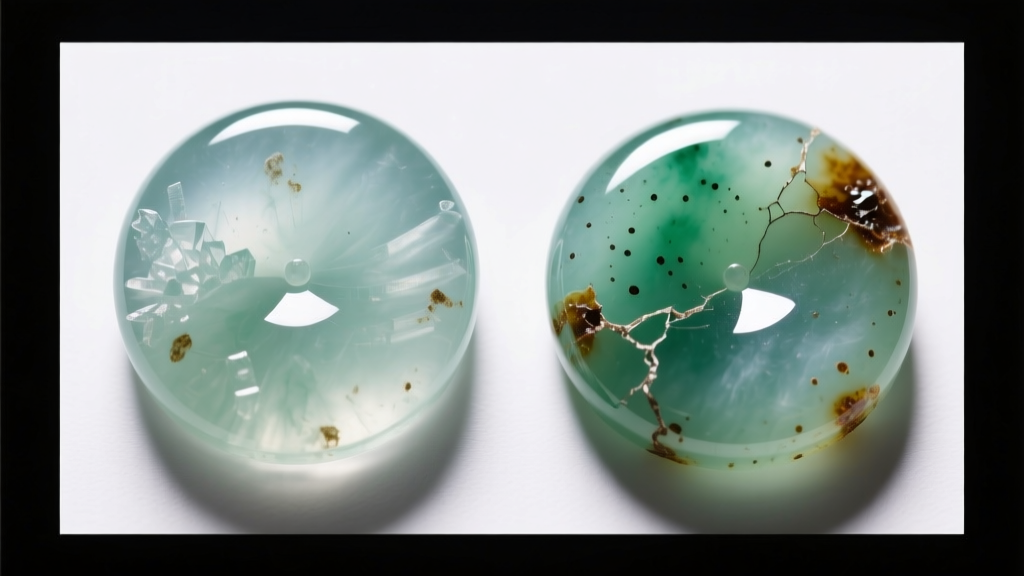
When shopping, you must verify the treatment status of the stone. The market is flooded with chemically altered jade that degrades over time.
- Type A: 100% natural, untreated jade (only polished with plum wax). This is the only grade worth investing in for a high-end pendant.
- Type B: Bleached with acid to remove brown impurities, then impregnated with polymer resin. Over 5 to 10 years, the resin yellows and the stone becomes brittle.
- Type C: Chemically dyed. The color will fade when exposed to UV light and heat.
Decoding the Iconography: Which Buddha Fits Your Intent?
The 'Buddha' pendant is not a monolith. The specific posture, expression, and attributes carved into the jade dictate the piece's energy and styling context. Master carvers in 2026 are moving away from overly ornate, cluttered designs, favoring 'negative space' carving that respects the natural shape of the jadeite rough.
| Iconography | Visual Markers | Styling Vibe & Meaning | Best Jade Type |
|---|---|---|---|
| Budai (Laughing Buddha) | Robust figure, wide smile, cloth sack, exposed belly. | Abundance, joy, approachability. Pairs well with casual, bohemian, or layered streetwear. | Apple green or lavender Jadeite |
| Shakyamuni (Meditation) | Serene face, ushnisha (crown protrusion), lotus posture, elongated ears. | Mindfulness, inner peace, high luxury. Ideal for minimalist, close-to-the-neck styling. | Icy colorless Jadeite or White Nephrite |
| Medicine Buddha | Holding a lapis or myrobalan plant in the left hand, right hand in boon-granting mudra. | Healing, wellness, protection. Often worn as a solitary statement piece on a silk cord. | Deep spinach green Nephrite |
Expert Insight: Examine the 'undercut' carving technique. High-end artisans will carve deeply beneath the Buddha's arms and the folds of the robe, detaching the stone from the background to create 3D depth. Mass-produced, machine-carved pendants will look flat and lack this crucial shadow-play.
2026 Trend Analysis: How the Buddha Necklace Jade is Being Styled
The way we wear jade has fundamentally shifted. The heavy, braided nylon cords of the early 2000s have been replaced by sophisticated, mixed-material hardware and intentional layering techniques. As noted in recent Christie's Jade Buying Guides, modern collectors demand that the mounting and cordage match the prestige of the stone itself.
Trend 1: The 18k Gold Bezel and Bail Upgrade
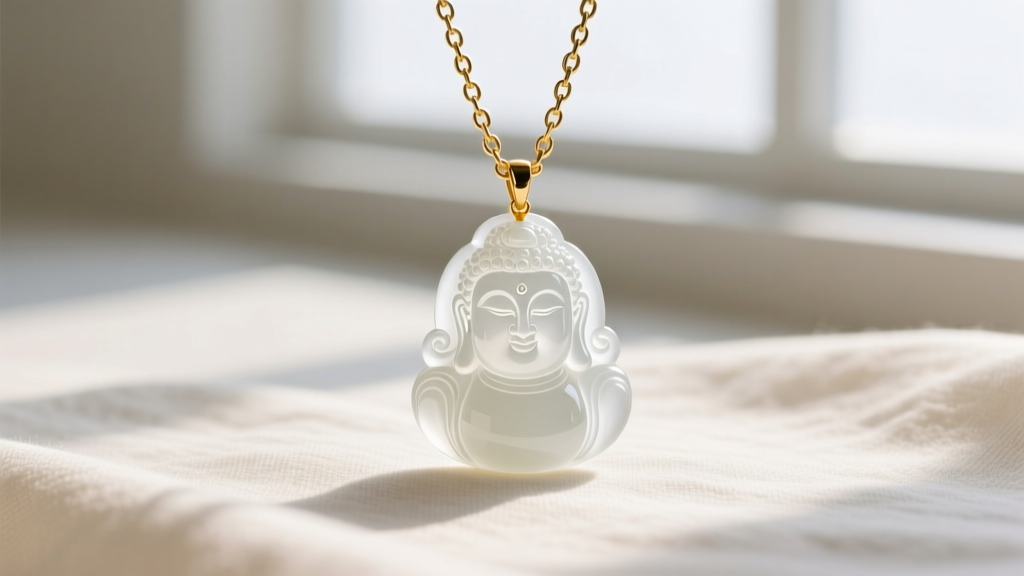
Drilling a hole directly through the top of a valuable jadeite Buddha is increasingly viewed as a detriment to the stone's structural integrity and resale value. In 2026, the standard for luxury jade pendants is the friction-fit 18k yellow gold cap bail. This hardware hugs the top curve of the pendant without drilling, providing a warm metallic contrast that enhances the 'imperial green' or 'icy white' tones of the jade while allowing it to hang perfectly flat against the sternum.
Trend 2: Micro-Macrame and Adjustable Silk
For those who prefer the traditional cord look, the bulky 3mm cords are out. The current standard is 1.5mm to 2mm braided mulberry silk finished with micro-macrame sliding knots. This allows the wearer to adjust the necklace from a 16-inch choker length to a 22-inch opera length on the fly, adapting to different necklines without the need for a metal clasp that could scratch the jade's bail.
Trend 3: Asymmetrical Layering with Gold Chains
Jade is no longer worn in isolation. A prominent 2026 styling technique involves pairing a matte-finish nephrite Buddha on a 20-inch silk cord with a delicate, 18-inch 18k gold paperclip or rope chain. The contrast between the ancient, organic texture of the jade and the sharp, geometric reflection of the gold chain creates a visually arresting, asymmetrical neckline that bridges Eastern heritage with Western contemporary fashion.
Investment & Pricing Framework: What to Pay
Pricing a buddha necklace jade is notoriously complex because it relies on the intersection of material quality, color, translucency, and carving artistry. Below is a realistic 2026 pricing framework to help you benchmark market offerings.
- Tier 1: Commercial / Souvenir Grade ($30 - $150)
Material: Opaque, heavily included nephrite or dyed quartzite (misrepresented as jade). Machine-carved, flat relief, often sold with stiff nylon cords and base-metal clasps. - Tier 2: Fine Jewelry Grade ($800 - $3,500)
Material: Type A Jadeite with good color (e.g., vibrant apple green or lavender) but moderate inclusions or lower translucency. Alternatively, high-quality white Hetian nephrite with excellent waxy luster. Hand-carved with good proportion and polished bails. - Tier 3: Collector / Investment Grade ($10,000 - $100,000+)
Material: Type A 'Imperial Green' or 'Glassy Icy' Jadeite. Flawless translucency, intense color saturation, and master-level 3D carving. Typically mounted in custom 18k gold or platinum bails, often accompanied by diamonds or rubies in the hardware. Must include certification from a top-tier lab (GIA, SSEF, or Gübelin).
Authentication & Sourcing Red Flags
When acquiring a high-value jade pendant, reliance on visual inspection alone is a critical failure point. Polymer-impregnated (Type B) jade can look incredibly vibrant and translucent to the naked eye, mimicking top-tier natural jadeite.
The Flashlight Test: Shine a strong, cool-white LED flashlight directly through the back of the pendant. Natural Type A jadeite will show a fibrous, interlocking internal structure (often described as 'noodle soup' or 'felt-like'). If the stone looks perfectly uniform, glassy, or contains distinct, spider-web-like fracture networks filled with a slightly different refractive material, it is likely acid-bleached and resin-filled.
The Lab Requirement: For any buddha necklace jade priced above $2,000, demand a recent gemological report. The report must explicitly state 'Natural Jadeite' or 'Nephrite' and confirm no evidence of polymer impregnation or dyeing. Do not accept generic 'certificates of authenticity' from the seller; insist on reports from independent, globally recognized laboratories.
Final Thoughts on Mindful Adornment
The resurgence of the buddha necklace jade in 2026 is a testament to the jewelry world's growing appreciation for pieces that carry both material weight and spiritual resonance. Whether you are drawn to the glassy brilliance of an icy jadeite Shakyamuni or the grounding, waxy warmth of a white nephrite Medicine Buddha, the key to modern styling lies in respecting the stone's natural beauty. By prioritizing Type A authenticity, investing in high-quality 18k gold hardware, and embracing intentional, mixed-material layering, you transform a traditional talisman into a sophisticated, contemporary masterpiece that will endure for generations.


