How to Build a Breakaway Emergency Necklace for Safety
Learn how to assemble a safe, stylish breakaway emergency necklace for nurses and teachers. Step-by-step guide on clasps, cords, and pendants.


What Defines a True Emergency Necklace?
When professionals in high-risk or high-contact environments—such as nurses, special education teachers, and factory technicians—wear jewelry, safety must dictate the design. An emergency necklace is specifically engineered to detach instantly when grabbed, caught in machinery, or pulled with sudden force, preventing severe tracheal injury or strangulation. According to OSHA's Personal Protective Equipment guidelines, dangling jewelry poses a significant hazard in environments with moving parts or aggressive patient care scenarios.
However, an emergency necklace is not just about the breakaway mechanism. It also serves as a vital carrier for medical alert pendants, tactical whistles, or encrypted USB drives containing emergency health records. Building your own allows you to customize the break-tension, select hypoallergenic materials, and ensure the pendant sits at the optimal anatomical landmark for first responders to locate it. In this comprehensive guide, we will walk through the exact specifications, material grades, and assembly steps required to build a reliable, workplace-compliant emergency necklace.
Step 1: Selecting the Right Breakaway Clasp
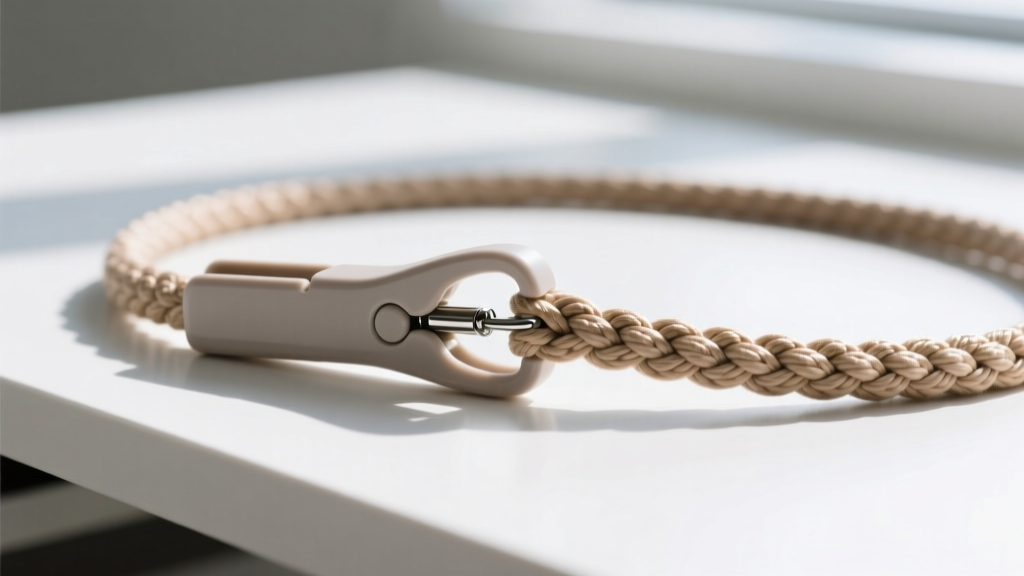
The clasp is the single most critical component of your emergency necklace. If the release tension is too high, the necklace fails its primary safety purpose. If it is too low, the necklace will fall off during normal daily movements. Breakaway clasps generally rely on one of three mechanisms: magnetic separation, mechanical pinch-release, or hook-and-loop tearing.
| Clasp Type | Release Mechanism | Avg. Break Force | Best Application |
|---|---|---|---|
| Magnetic (N35 Grade) | Direct Pull / Snag | 5 - 8 lbs | Light pendants, high snag-risk wards |
| Pinch-Release | Side Squeeze | 10 - 14 lbs | Heavy medical IDs, secure everyday fit |
| Velcro Wrap | Tear-away | 3 - 5 lbs | Pediatric care, extreme safety needs |
For most adult healthcare workers and teachers, a plastic pinch-release clasp made from acetal (POM) is the gold standard. It requires a deliberate side-squeeze to open for removal, but will snap apart if subjected to 12+ pounds of downward pulling force. Avoid standard neodymium N52 magnets; while incredibly strong, they require over 25 pounds of pull force to separate, which is enough to cause cervical spine injury before the clasp releases. Always opt for N35 or N42 grade magnets if you prefer a magnetic breakaway.
Step 2: Choosing the Cord Material
The cord must balance tensile strength (so it doesn't snap under normal wear) with hygiene and skin compatibility. Because the breakaway clasp handles the safety release, the cord itself should be highly durable. Here are the top three materials used in professional emergency necklaces:
Medical-Grade Silicone (Shore 40A)
Silicone is the undisputed champion for clinical environments. A Shore 40A durometer rating provides a supple, rubber-like feel that won't chafe the neck during a 12-hour shift. In 2026, the integration of antimicrobial silver-ion additives into medical-grade silicone has become standard, actively inhibiting bacterial growth on the cord's surface. Furthermore, silicone is entirely non-porous, meaning it can be wiped down with hospital-grade quaternary ammonium disinfectants without degrading.
550 Paracord (Nylon)
Originally designed for military parachute suspension lines, 550 paracord has a minimum breaking strength of 550 pounds. It is virtually indestructible in a workplace setting. However, its woven nylon exterior is porous and can harbor pathogens, making it less ideal for sterile environments like operating rooms unless it is routinely laundered. It is, however, the best choice for factory workers or outdoor emergency responders who need extreme abrasion resistance.
Waxed Cotton
For teachers and office professionals who prioritize aesthetics alongside safety, waxed cotton offers a refined, leather-like appearance. The wax coating provides mild water resistance and prevents the cotton fibers from immediately absorbing sweat. While it lacks the sheer tensile strength of paracord, it pairs beautifully with polished metal pendants and easily accommodates a pinch-release clasp.
Step 3: Attaching Functional & Medical Pendants
An emergency necklace is only as useful as the information or tools it carries. When selecting a pendant, you must consider both the metallurgical grade (to prevent contact dermatitis) and the functional utility.
- 316L Stainless Steel Medical IDs: Often referred to as "surgical steel," 316L contains molybdenum, which drastically increases resistance to chlorides (like human sweat and saline solutions). Always choose laser-engraved 316L pendants over stamped ones, as laser engraving prevents the accumulation of bacteria in microscopic grooves.
- Titanium Grade 23 (Ti-6Al-4V ELI): For individuals with severe nickel allergies, Grade 23 Titanium is the ultimate biocompatible choice. It is significantly lighter than steel, reducing the downward pull on the breakaway clasp, which helps prevent accidental releases during vigorous movement.
- Encrypted USB Drives: Many first responders now carry tablets to scan digital medical records. Housing a micro-USB drive inside a waterproof, threaded stainless steel capsule pendant allows EMTs to access critical data regarding blood type, allergies, and current medications.
When attaching the pendant, use a heavy-duty split ring or a seamless jump ring soldered shut. You do not want the pendant detaching from the cord while the breakaway clasp remains intact. The connection point between the cord and the pendant must be stronger than the breakaway clasp itself.
Step 4: Sizing and Tension Testing
Proper sizing is crucial for both safety and readability. A medical alert pendant should rest precisely at the sternum (breastbone). If it hangs too low (e.g., near the navel), it risks getting caught in belts, machinery, or desk drawers. If it sits too high on the collarbone, it may be obscured by scrub V-necks or winter clothing.
The 15-Pound Pull Test
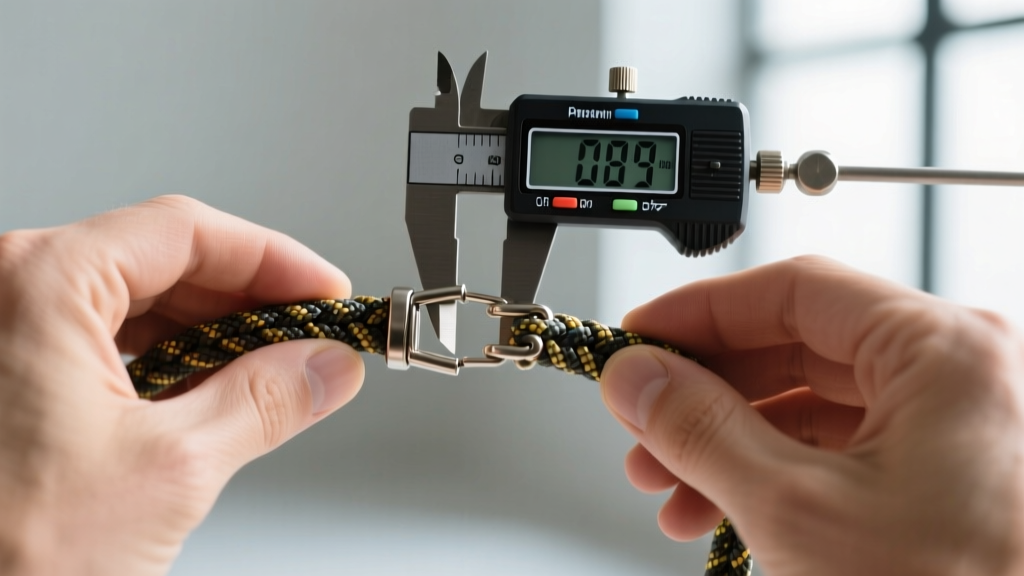
Once your necklace is assembled, you must perform a tension test. Using a digital luggage scale or a dedicated force gauge, hook the pendant end and pull downward steadily. The breakaway clasp should separate cleanly between 5 and 15 pounds of force. If the cord stretches or the jump ring opens before the clasp releases, you have a critical failure point that must be addressed immediately. According to safety advocates and the Association for Professionals in Infection Control and Epidemiology (APIC), ensuring jewelry does not interfere with PPE or become a vector for cross-contamination is just as important as preventing physical trauma.
Maintenance and Cleaning Protocols
Building the necklace is only the first step; maintaining it ensures it functions correctly during an actual emergency. Dirt, lint, and dried saline can clog the mechanical springs inside a pinch-release clasp, increasing the break-force required to separate it.
Expert Maintenance Tip: Once a month, submerge your breakaway clasp in a cup of warm distilled water with a drop of mild dish soap. Agitate it gently to dislodge microscopic debris from the internal spring mechanism. Rinse thoroughly and apply a microscopic drop of food-grade silicone lubricant to the moving parts. Never use petroleum-based oils like WD-40, as they will degrade plastic and rubber components over time.
For the cord and pendant, follow your facility's infection control protocols. Medical-grade silicone and 316L steel can withstand rigorous wiping with 70% isopropyl alcohol or bleach-based wipes. Paracord and cotton, however, should be removed and laundered in hot water weekly. By meticulously selecting your materials and rigorously testing your assembly, your DIY emergency necklace will provide uncompromising safety without sacrificing professional style.


