Butterscotch Amber Necklace Value & Pricing Guide 2026
Discover the true value of a butterscotch amber necklace in 2026. Learn pricing per gram, how to spot fakes, and what drives Baltic amber costs.

The Allure and Market Reality of Butterscotch Amber
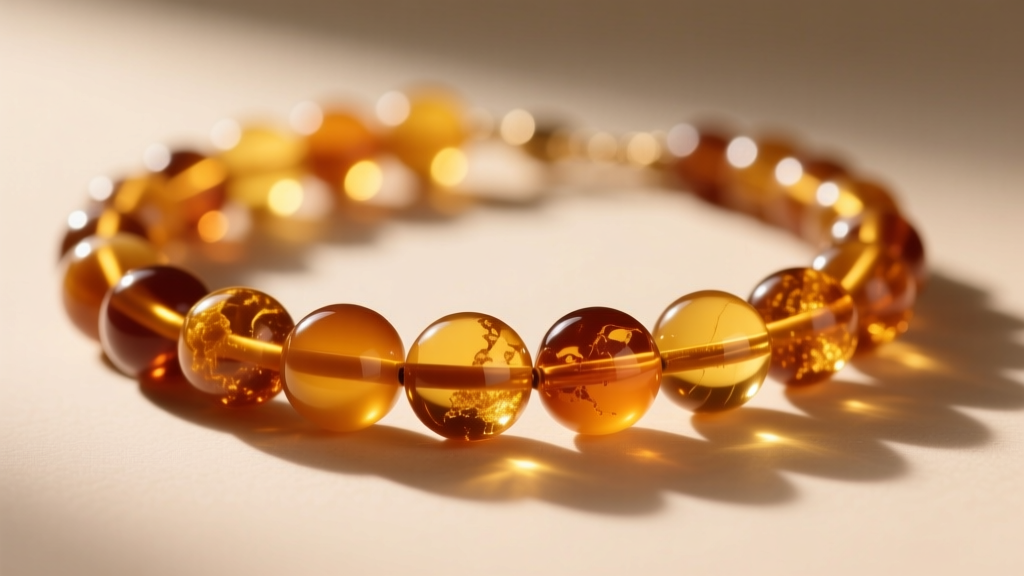
In the 2026 gemological market, the term butterscotch amber necklace evokes images of creamy, opaque, golden-yellow beads that seem to capture warm sunlight. However, navigating the secondary and retail markets for these specific necklaces requires a deep understanding of resin taxonomy, vintage plastic misnomers, and modern pricing matrices. Unlike transparent cognac or cherry amber, opaque butterscotch amber commands a distinct premium due to its rarity and the microscopic bubble density required to create its signature matte, milky-yellow hue.
Whether you are evaluating an estate piece or purchasing directly from a Baltic supplier, understanding the exact value drivers—ranging from succinic acid content to bead knotting techniques—is essential. This guide breaks down the real-world pricing, authentication protocols, and structural red flags you must know before investing in opaque amber jewelry.
The Great Misconception: True Opaque Succinite vs. Vintage Plastic
The most critical value trap in the amber market is the historical misuse of the word "butterscotch." In antique jewelry circles, "butterscotch amber" is frequently a colloquialism for early 20th-century plastics like Bakelite, celluloid, or casein. These materials were manufactured in the 1920s and 1930s to mimic the look of rare opaque amber. While vintage Bakelite necklaces hold their own collectible value (often ranging from $200 to $800 depending on carving and hardware), they are not amber and possess entirely different material properties.
True butterscotch amber is Baltic succinite, a fossilized tree resin dating back 35 to 50 million years. According to gemological data cataloged by Mindat.org, Baltic succinite contains 3% to 8% succinic acid, a chemical marker not found in Dominican amber or modern synthetic resins. The opaque "butterscotch" color occurs naturally when millions of microscopic gas bubbles are trapped within the resin during its formation, scattering light and preventing transparency. Historically, some opaque amber was also created by heating transparent amber in oil baths to induce these bubbles, a treatment that is accepted in the trade but should be disclosed, as naturally opaque "bony" or "foam" amber commands a 20% to 30% higher premium.
2026 Pricing Breakdown: What Should You Actually Pay?
Unlike diamonds or colored gemstones, amber is not priced by the carat. It is universally traded by the gram, with exponential price jumps based on bead diameter, shape, and opacity. Below is the 2026 retail pricing matrix for genuine, untreated Baltic butterscotch amber necklaces.
| Bead Diameter | Bead Shape | Price Per Gram (2026) | Estimated 18-Inch Necklace Total |
|---|---|---|---|
| 6mm - 8mm | Round / Opaque | $8 - $14 | $120 - $220 |
| 10mm - 12mm | Round / Opaque | $18 - $30 | $350 - $650 |
| 14mm - 16mm | Round / Opaque | $35 - $55 | $800 - $1,400 |
| 18mm+ | Baroque / Carved | $40 - $75 | $1,200 - $2,500+ |
| N/A | Pressed (Ambroid) | $2 - $5 | $50 - $120 |
Note: "Pressed" amber, or ambroid, is made by fusing amber dust and chips under high heat and pressure. While technically real amber, it lacks the structural integrity and gemological value of whole-bead butterscotch amber and is often used in budget-tier fashion jewelry.
Field-Tested Authentication Protocols for Opaque Amber
Because opaque butterscotch amber lacks the internal inclusions (like prehistoric insects or plant debris) that easily authenticate transparent amber, buyers must rely on physical and chemical testing. The Gemological Institute of America (GIA) notes that advanced plastics and copal (immature resin) are the most common simulants. Use this 4-point framework to verify your necklace:
1. The Saturated Saltwater Float Test
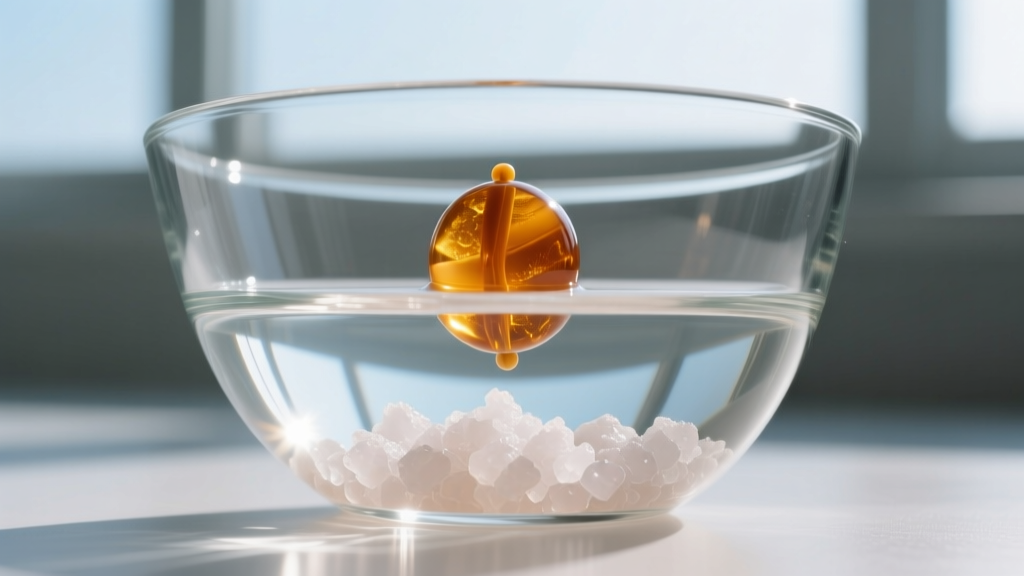
True Baltic amber has a specific gravity of 1.05 to 1.10, meaning it will sink in fresh water but float in heavily saturated saltwater. Mix 1 part table salt to 2 parts warm water. A genuine butterscotch amber bead will buoy to the surface, while glass, Bakelite, and dense modern plastics will sink. Warning: Copal will also float, so this test only eliminates heavy fakes.
2. UV Fluorescence Analysis
Under a standard 365nm UV blacklight, genuine Baltic amber fluoresces a pale, milky blue or soft green. Because butterscotch amber is highly opaque, the fluorescence will appear as a subtle surface glow rather than a deep internal beam. Copal fluoresces an intensely bright, chalky white-blue, while plastics show zero fluorescence or a dull, synthetic purple hue.
3. The Acetone Swab Test
Apply a drop of pure acetone (nail polish remover) to an inconspicuous area of a bead and let it sit for 30 seconds. True 50-million-year-old amber is completely impervious to acetone. Copal (which is only 100 to 10,000 years old and not fully fossilized) will become tacky and leave a fingerprint mark. Plastics may melt or smear.
4. The Hot Needle Test (Destructive)
Heat a sewing needle until red-hot and touch it to a hidden area near the drill hole. True amber will emit a faint, pleasant pine-wood smoke and crumble into a white powder. Plastics will melt, stick to the needle, and smell like burnt chemicals. Copal will melt quickly and smell sharply acidic.
Construction Details That Dictate Long-Term Value
A high-grade butterscotch amber necklace is only as valuable as its construction. Amber is exceptionally soft, ranking just 2.0 to 2.5 on the Mohs hardness scale. This makes it highly susceptible to abrasion, chipping, and chemical degradation from cosmetics or perfumes.
Individual Silk Knotting
Premium Baltic amber necklaces must be individually knotted on silk or high-grade nylon thread. Knots serve two vital purposes: they prevent the soft amber beads from grinding against one another (which causes permanent dulling and weight loss over time), and they prevent the total loss of beads if the strand snaps. If a butterscotch amber necklace is strung tightly without knots, deduct 15% to 20% from its appraised value due to the imminent risk of bead damage.
Clasp Hardware and Provenance
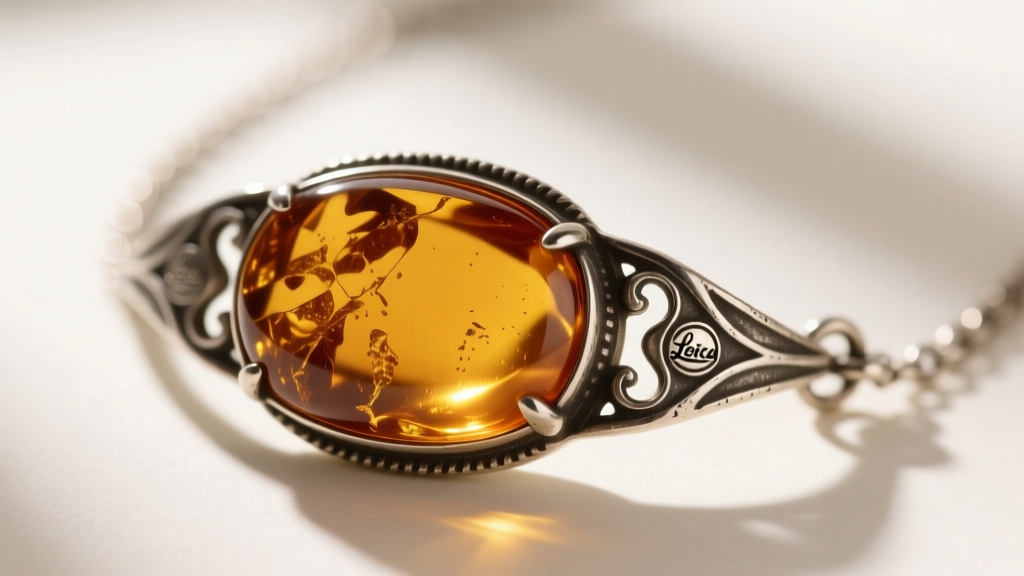
Examine the clasp hardware closely. High-end contemporary Baltic amber is typically fitted with 925 sterling silver screw-barrel clasps or secure lobster clasps with soldered jump rings. Conversely, vintage mid-century pieces often feature push-in box clasps made of base metals or low-karat gold. According to the Amber Museum in Gdansk, authentic Polish and Lithuanian export pieces from the late 20th century often bear specific maker's marks or silver hallmarks that can trace the necklace back to renowned Baltic cooperatives, adding a 10% to 15% provenance premium to the final valuation.
Final Verdict: Is the Premium Worth It?
In 2026, a genuine, naturally opaque butterscotch amber necklace remains a highly stable alternative investment within the organic gemstone sector. As raw Baltic amber deposits in the Kaliningrad and Gdansk regions face stricter environmental mining regulations, the supply of large-diameter (12mm+), flawless opaque rough is steadily shrinking. If you can verify the succinite origin through UV and saltwater testing, and ensure the strand features individual knotting and secure hardware, a butterscotch amber necklace is not just a striking sartorial statement—it is a wearable piece of prehistory with a highly defensible market value.


