The Complete Guide to Buying a Pearl Necklace in Gold
Discover expert tips for buying a pearl necklace in gold. Learn about pearl grading, gold purity, pricing matrices, and authenticity checks.

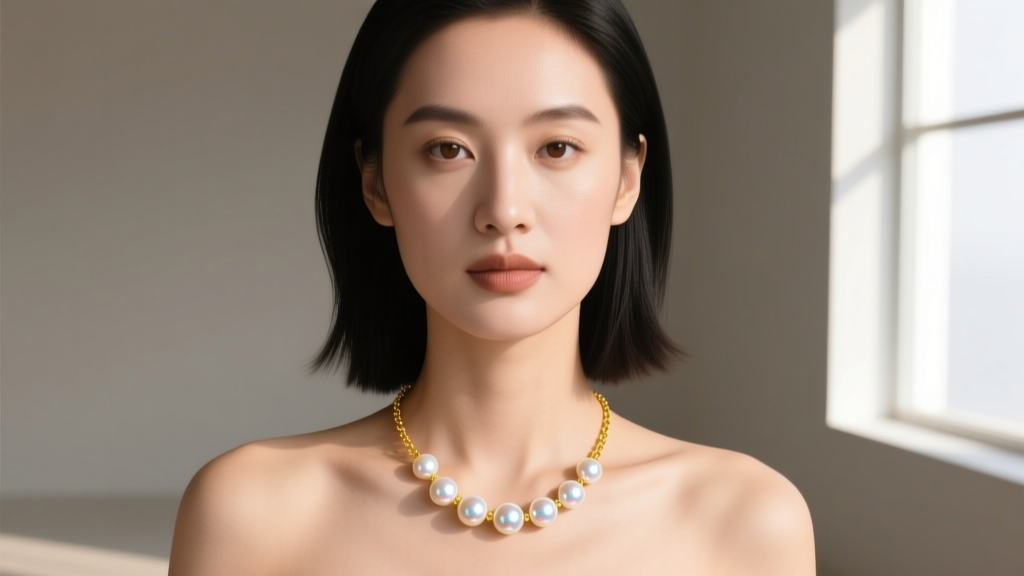
Investing in a pearl necklace in gold is one of the most timeless decisions you can make for your jewelry collection. The organic, luminous depth of nacre paired with the warm, enduring prestige of gold creates a synergy that synthetic stones simply cannot replicate. However, navigating the modern pearl market requires a discerning eye. With gold spot prices fluctuating and pearl farming techniques evolving rapidly through the mid-2020s, understanding the precise intersection of gemology and metallurgy is critical. This comprehensive buying guide will equip you with the technical knowledge to evaluate pearl quality, verify gold authenticity, and ensure you are paying a fair market price for your investment.
The Core Value Factors: Evaluating the Pearls
Before assessing the gold setting, you must evaluate the pearls themselves. The Gemological Institute of America (GIA) utilizes seven distinct value factors to grade pearls: Size, Shape, Color, Nacre Thickness, Luster, Surface Quality, and Matching. When buying a strand necklace, 'Matching' is arguably the most labor-intensive factor. A high-quality strand requires a master grader to sort through thousands of individual pearls to find those with identical overtone and luster.
Understanding Nacre and Luster
Luster is the soul of a pearl. It refers to the sharp, mirror-like reflection of light off the surface, which is directly dictated by the quality and thickness of the nacre. For a classic Akoya pearl necklace, demand a nacre thickness of at least 0.4mm. Anything less risks 'peeling' or revealing the bead nucleus underneath over time. For South Sea pearls, the nacre should exceed 1.0mm. If the pearl looks chalky or dull under direct lighting, the nacre is either too thin or poorly crystallized, and you should walk away regardless of the gold setting.
Gold Purity, Alloys, and Chain Mechanics
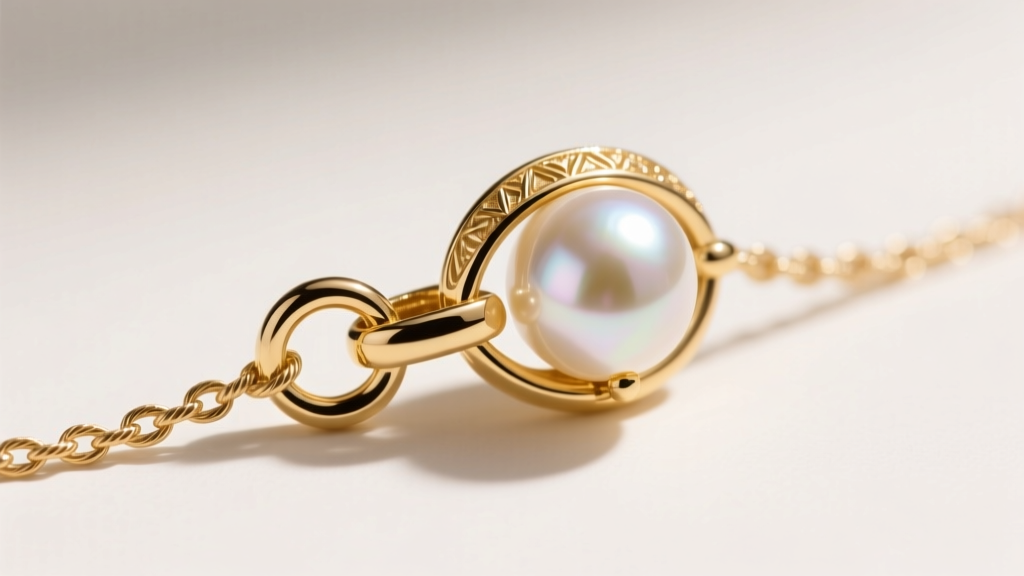
The gold component of your necklace serves both an aesthetic and structural purpose. Pure 24k gold is far too soft to securely hold clasps or withstand the tension of a knotted strand. Therefore, you must choose between 14k and 18k gold.
- 14k Gold (58.5% Pure): Stamped '585' or '14k'. This alloy offers superior tensile strength, making it the ideal choice for the clasp mechanisms, jump rings, and wire-wrapping on delicate pearl pendants. It is highly resistant to deformation and daily wear.
- 18k Gold (75% Pure): Stamped '750' or '18k'. This alloy provides a richer, deeper yellow hue that beautifully complements the creamy overtones of high-grade Akoya or golden South Sea pearls. While slightly softer, it is the standard for luxury fine jewelry.
Chain Selection: If you are buying a pendant-style pearl necklace in gold rather than a full strand, the chain style matters. Avoid hollow chains. Opt for a solid 14k cable chain or a rope chain between 1.2mm and 1.5mm in thickness. These weaves offer the best ratio of flexibility to tensile strength, ensuring the chain will not snap under the weight of a heavy, 12mm South Sea pearl drop.
Construction Details That Separate Fine Jewelry From Costume
The true mark of a luxury pearl necklace lies in its hidden construction. If you are purchasing a full strand, the pearls must be individually hand-knotted on silk or a high-tech synthetic equivalent like Beaders Secret. Knotting prevents the pearls from rubbing against one another (which degrades the nacre) and ensures that if the strand breaks, you only lose one pearl.
Furthermore, inspect the clasp area. High-end jewelers use French wire (also known as gimp)—a microscopic, coiled metal wire that wraps around the silk thread where it loops through the gold clasp. This prevents the gold jump ring from sawing through the silk thread over years of friction. If the silk is simply looped directly through the gold with no protective wire or metal guard, it is a hallmark of mass-produced, lower-tier manufacturing.
Length, Proportion, and Neckline Pairing
The length of your gold pearl necklace dictates its versatility and the visual weight it carries on your frame.
- Choker (14-16 inches): Sits tightly against the base of the neck. Best paired with V-necks or off-the-shoulder garments. Opt for smaller pearls (5-6mm) to avoid a bulky appearance.
- Princess (17-19 inches): The most versatile, standard length. It rests perfectly on the collarbone. A 7-8mm pearl strand in 18k gold at this length is the ultimate corporate and evening staple.
- Matinee (20-24 inches): Falls just above the bust. Ideal for layering over high-necked sweaters or business blouses. Larger pearls (8-9mm) work best here to maintain proportion.
2026 Pricing Matrix: What Should You Actually Pay?
Pricing a pearl necklace in gold requires isolating the cost of the gems from the precious metal weight. Below is a realistic market matrix reflecting current luxury retail averages for an 18-inch Princess strand with a solid 14k gold clasp.
| Pearl Type | Average Size | Quality Grade | Estimated Price Range |
|---|---|---|---|
| Freshwater | 7.0 - 8.0mm | AAA (Near Round) | $350 - $850 |
| Akoya | 7.0 - 7.5mm | Hanadama / Gem | $1,200 - $2,800 |
| Tahitian | 9.0 - 10.0mm | AAA (Peacock) | $3,500 - $6,000 |
| White South Sea | 10.0 - 11.0mm | AAA (High Luster) | $8,000 - $15,000+ |
Note: If a retailer is offering an 18-inch Akoya strand with an 18k gold clasp for under $600, the pearls are likely heavily blemished, have dangerously thin nacre, or are mislabeled freshwater pearls.
Authenticity Checks and Red Flags
When evaluating a pearl necklace in gold, you must verify both components independently. The Federal Trade Commission (FTC) Jewelry Guides strictly regulate how gold and pearls can be marketed in the United States, but misrepresentations still occur, especially in online marketplaces.
Verifying the Gold
Always look for the hallmark. A legitimate piece will be stamped '14k', '585', '18k', or '750' on the clasp tongue or the jump ring. Beware of stamps like '14k HGE' (Heavy Gold Electroplate) or '14k GF' (Gold Filled). While these are legitimate manufacturing techniques, they are not solid gold and hold virtually no intrinsic melt value. They will eventually wear down to the base brass or copper core, ruining the aesthetic of the necklace.
Verifying the Pearls
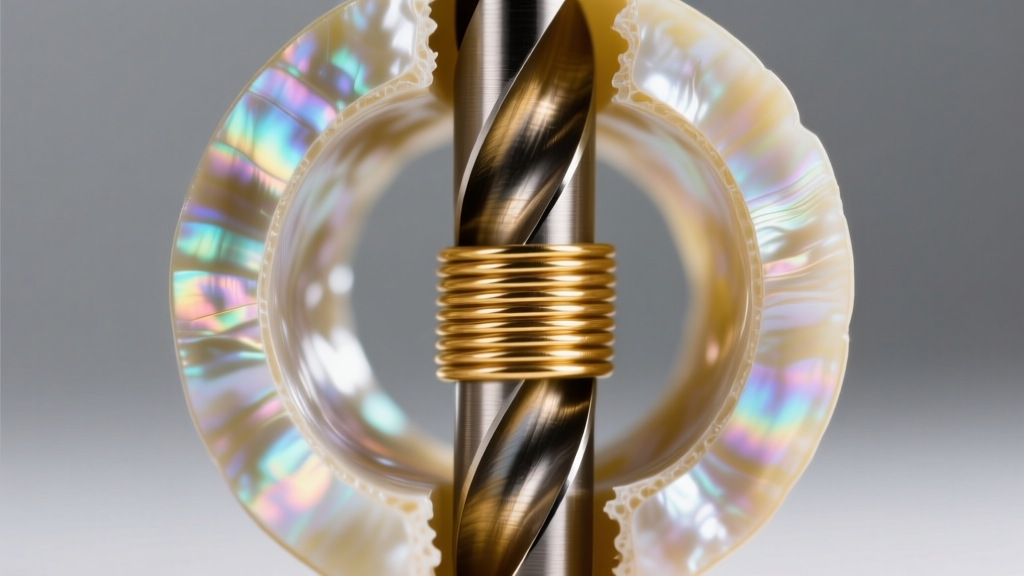
The classic 'tooth test' (rubbing the pearl gently against your biting edge to feel for a gritty, sandy texture) is a good preliminary check for real nacre versus smooth glass or plastic imitations. However, it will not differentiate between a natural pearl, a cultured pearl, and a high-quality composite imitation like a Mallorca pearl. To truly verify quality, use a jeweler's loupe to inspect the drill hole. A real cultured pearl will show a sharp, clean 90-degree edge where the drill bit met the nacre, and you should be able to see the distinct boundary line between the outer nacre layers and the inner mother-of-pearl bead nucleus. Imitation pearls will often show peeling paint or a rounded, melted plastic edge around the drill hole.
Final Thoughts on Your Investment
Buying a pearl necklace in gold is an exercise in balancing organic beauty with structural permanence. By prioritizing thick nacre, precise hand-knotting with French wire guards, and solid 14k or 18k gold fittings, you secure a piece of jewelry that will not only elevate your wardrobe today but can be passed down as a flawless heirloom for generations.


