Camila Coelho Necklace in Genuine Leather and Gold: Material Guide
Explore the material properties of the Camila Coelho necklace in genuine leather and gold. Learn about leather grades, gold durability, and care.

The Anatomy of Mixed-Material Jewelry
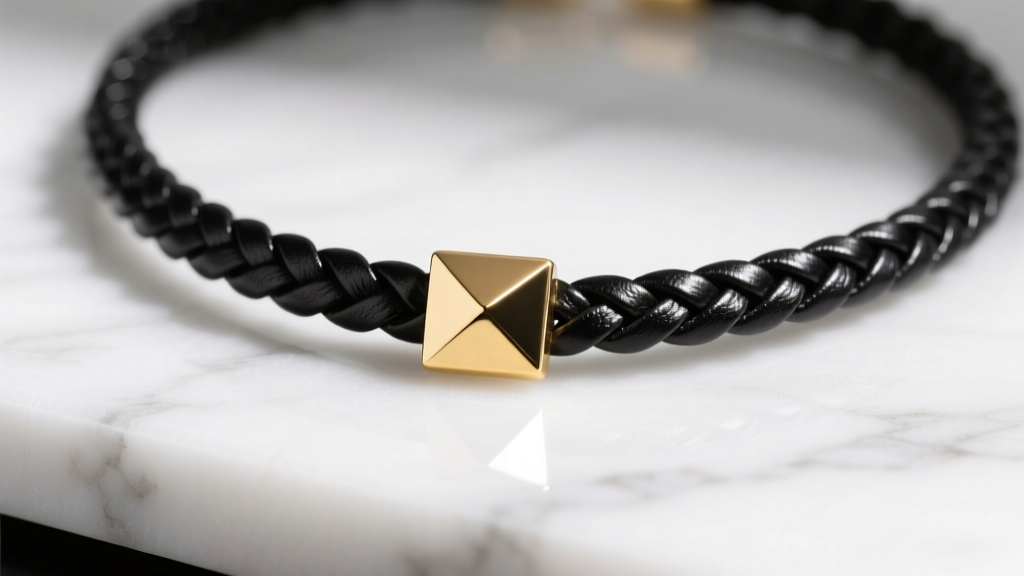
The intersection of organic textures and precious metals has dominated contemporary jewelry design, with influencer-led collaborations setting the standard for accessible luxury. When evaluating a highly sought-after piece like the camila coelho necklace in genuine leather and gold, consumers must look beyond the aesthetic appeal and scrutinize the metallurgical and tannery specifications. Mixed-material necklaces present unique engineering challenges; the flexibility and porosity of leather behave entirely differently than the rigid, non-porous nature of gold alloys. Understanding these material properties is critical for predicting the lifespan, wearability, and ultimate value of the piece.
In this comprehensive material guide, we deconstruct the specific grades of leather and gold used in modern fashion-forward necklaces, examining how they interact under the stress of daily wear, environmental exposure, and human biology.
Decoding "Genuine Leather" in Fine Jewelry
The term "genuine leather" is one of the most misunderstood phrases in the fashion and jewelry industry. In strict leatherworking terminology, "genuine leather" refers to a specific grade of split leather—the lower layers of the hide that remain after the premium top-grain has been separated. However, in mainstream jewelry marketing, the phrase is frequently used as a catch-all descriptor to assure the buyer that the cord is made from real animal hide rather than synthetic polyurethane (PU) or vegan alternatives.
Tensile Strength and Cord Construction
For a necklace cord to support a heavy gold pendant without stretching or snapping, tensile strength is paramount. High-end mixed-media necklaces often utilize braided kangaroo leather or rolled calfskin. According to material testing data, kangaroo leather boasts a tensile strength of up to 8,000 psi, making it exponentially more resistant to the "creep" (gradual stretching under constant load) that plagues standard cowhide cords. When assessing your necklace, inspect the braiding. A tight, uniform bind indicates machine-assisted precision that distributes the pendant's weight evenly across multiple leather fibers, preventing localized stress fractures near the clasp.
Tanning Processes: Chrome vs. Vegetable
The tanning process dictates how the leather will age against your skin. Chrome-tanned leather, which accounts for roughly 80% of global leather production, is highly water-resistant and retains its color well, but it lacks the rich patina development of vegetable-tanned leather. Vegetable-tanned leather, utilizing natural tannins from tree bark, will darken and absorb skin oils over time. While this creates a personalized patina, it also makes the cord more susceptible to water damage and salt stains from perspiration.
Gold Alloys and Plating Standards
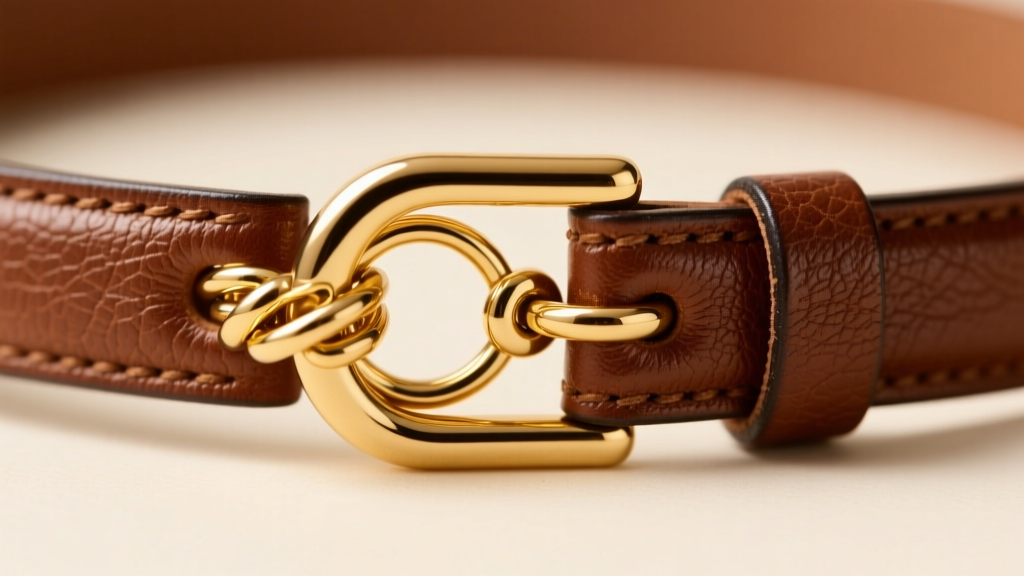
The gold components of the necklace—whether the pendant, the end-caps, or the clasp—dictate the piece's resistance to tarnish and corrosion. Pure 24k gold is too soft for jewelry mechanics, meaning it must be alloyed or applied as a finish over a base metal.
Solid Gold vs. Gold Vermeil vs. Gold-Filled
According to the Federal Trade Commission (FTC) Jewelry Guides, specific thresholds must be met for a piece to be legally marketed under certain gold classifications:
- Solid 14k or 18k Gold: The entire component is an alloy of gold and other metals (like copper or zinc). 18k gold contains 75% pure gold, offering a rich yellow hue but slightly lower scratch resistance than 14k (58.3% pure gold).
- Gold Vermeil: A premium plating standard requiring a base of Sterling Silver (925) coated with a minimum of 2.5 microns of gold (usually 14k or 18k). Vermeil is highly prized in mixed-material jewelry because the silver base prevents the "green skin" effect associated with brass or copper bases.
- Gold-Filled: A mechanical bonding process where a layer of gold constituting at least 5% of the total weight is heat-bonded to a brass core. It is vastly more durable than standard electroplating.
- Gold-Plated (Flash Plated): A microscopic layer of gold (often less than 0.5 microns) over a base metal like brass. This is common in fast-fashion jewelry and will wear through to the base metal within months of daily wear.
For a high-quality Camila Coelho-inspired design, gold vermeil or gold-filled hardware is the industry standard, balancing luxury aesthetics with accessible price points. The Gemological Institute of America (GIA) notes that the specific alloy mix in 18k gold provides optimal color retention, provided the underlying base metal is non-reactive.
Material Interaction: Where Leather Meets Gold
The most critical failure point in any mixed-material necklace is the junction where the leather cord meets the gold hardware. This connection is typically secured via a crimp bead, a glued end-cap, or a mechanical screw-clasp.
| Connection Method | Material Combination | Durability Rating | Common Failure Mode |
|---|---|---|---|
| Mechanical Screw Clasp | 18k Gold Vermeil over Sterling Silver + Braided Leather | Excellent | Thread stripping if over-tightened |
| Glued End-Cap | Gold-Plated Brass + Flat Suede Leather | Poor to Fair | Adhesive degradation from sweat and humidity |
| Crimp Bead | 14k Gold-Filled + Round Calfskin Cord | Good | Crimp bead slicing through leather under heavy pendant weight |
The Galvanic Corrosion Factor
When gold-plated brass hardware touches leather that has absorbed acidic sweat (human sweat typically has a pH between 4.5 and 7.0), a micro-galvanic cell can form. The moisture and salts act as an electrolyte, accelerating the corrosion of the underlying brass. This not only degrades the gold finish but can also stain the porous leather cord with irreversible green or black copper oxide marks. This is why premium necklaces utilize sterling silver or surgical steel as the base metal beneath the gold plating.
Wearability, Failure Modes, and Lifespan

To maximize the lifespan of a leather and gold necklace, one must anticipate its specific failure modes. Unlike solid metal chains, organic cords are subject to environmental degradation.
- Desiccation and Cracking: Leather requires a specific moisture content (ideally between 10% and 15%) to remain supple. Exposure to excessive heat, direct sunlight, or low-humidity environments will draw moisture out of the hide, leading to micro-fissures that eventually snap under the weight of a gold pendant.
- Clasp Spring Fatigue: The delicate spring mechanism inside a gold-plated lobster clasp is prone to fatigue. If the gold plating wears off the internal spring, the exposed base metal will rust, seizing the clasp entirely.
- Pendant Bail Friction: If the gold pendant slides freely along the leather cord, the constant friction will act like sandpaper, slowly shaving away the leather's protective topcoat and exposing the raw, fibrous core.
Care Protocols for Leather and Gold Combinations
Maintaining a mixed-media necklace requires a bifurcated approach, as the cleaning agents that restore gold will destroy leather, and vice versa.
Expert Maintenance Rule: Never submerge a leather and gold necklace in water, and never use ultrasonic jewelry cleaners. The high-frequency vibrations will shatter the adhesive bonds in the end-caps, and the water will permanently warp the leather fibers.
For the Gold Hardware: Use a dry, lint-free microfiber cloth to gently buff the gold components after every wear. This removes acidic skin oils and cosmetic residues before they can etch into the gold alloy or seep into the adjacent leather. For heavier buildup, a barely damp cloth with a drop of pH-neutral dish soap can be used on the metal alone, ensuring no moisture transfers to the cord.
For the Leather Cord: Every six months, apply a microscopic amount of high-grade leather conditioner (such as one containing beeswax and mink oil) to a soft cloth, and gently wipe the leather. Avoid conditioning the areas immediately surrounding the gold clasps, as the oils can attract dust and gum up the mechanical moving parts of the clasp.
For further insights on sustainable material sourcing and tanning environmental standards, refer to the guidelines published by the Leather Working Group (LWG), which audits the environmental compliance of leather manufacturers globally.
Final Verdict: Is the Investment Worth It?
A well-constructed Camila Coelho necklace in genuine leather and gold represents a masterclass in accessible, textural jewelry design. By understanding the distinction between marketing terms and actual material grades—such as demanding gold vermeil over flash-plated brass, and seeking braided high-tensile leather over flat suede—consumers can secure a piece that transitions seamlessly from a seasonal trend to a staple in their permanent collection. When cared for with the specific, dual-material protocols outlined above, these necklaces offer years of sophisticated, boho-luxe wearability.


