How to Clean and Maintain a Choker Necklace Men Wear
Learn expert care, cleaning, and storage tips for a choker necklace men wear daily. Protect leather, silver, and titanium from sweat.

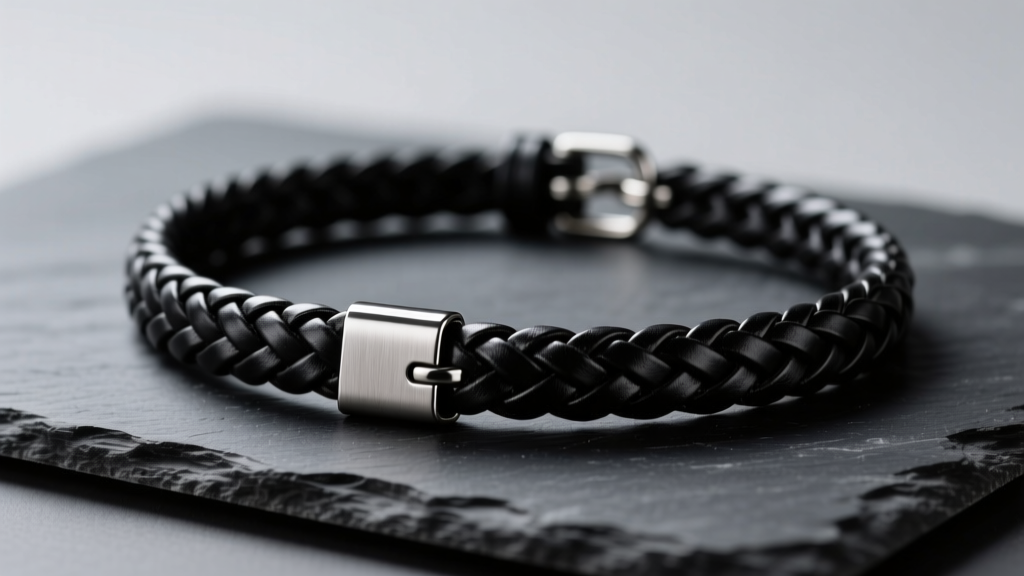
The Anatomy of Men's Chokers: Why Material Dictates Care
The modern men's choker has evolved far beyond the simple woven cords of the 1990s. Today, a premium choker necklace men choose to wear daily is an investment in materials like full-grain leather, aerospace-grade titanium, and heavily oxidized sterling silver. However, the neck is one of the most hostile environments for jewelry. It is a high-friction zone characterized by constant exposure to sebum (skin oils), sweat, cologne, and environmental pollutants. Understanding the specific metallurgical and organic properties of your choker is the first step in preventing irreversible degradation. What works for a 316L surgical steel chain will instantly ruin a hand-tooled leather band. In this comprehensive 2026 maintenance guide, we break down the exact chemical and physical care protocols required to keep your neckwear in pristine condition.
Material-Specific Cleaning Protocols
Generic jewelry cleaners are the enemy of specialized men's neckwear. You must tailor your cleaning approach to the exact material composition of the choker.
Leather and Suede Chokers
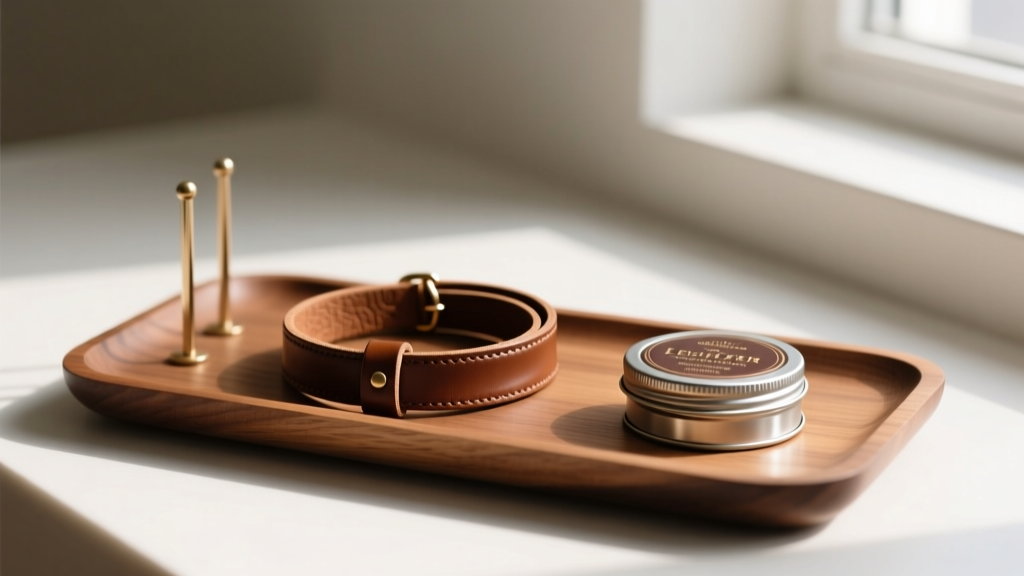
Leather is an organic, porous material with a naturally acidic pH (typically between 4.5 and 5.5). Human sweat, which can become alkaline during physical exertion, breaks down the collagen fibers in leather, leading to stiffness, cracking, and eventual snapping. According to the Tandy Leather Care Protocols, you should never submerge a leather choker in water. Instead, wipe it down weekly with a slightly damp microfiber cloth to remove salt and sebum buildup. Every four to six weeks, apply a beeswax-based leather conditioner. Avoid mink oil or neatsfoot oil for rigid chokers, as these heavy oils will over-soften the leather, causing it to stretch and lose its structural integrity around the clasp hardware.
Surgical Steel and Titanium
Grade 5 Titanium (Ti-6Al-4V) and 316L Surgical Steel are highly resistant to corrosion, making them ideal for men who wear their chokers in the shower or at the gym. However, they are not immune to the buildup of dead skin cells and soap scum, which can dull their finish and harbor bacteria. For deep cleaning, utilize an ultrasonic jewelry cleaner set to 40kHz. Fill the tank with warm water and a single drop of mild, ammonia-free dish soap. Run the cycle for exactly three minutes. This high-frequency cavitation will dislodge microscopic debris from the crevices of braided steel or textured titanium links without scratching the metal surface.
Sterling Silver and Oxidized Finishes
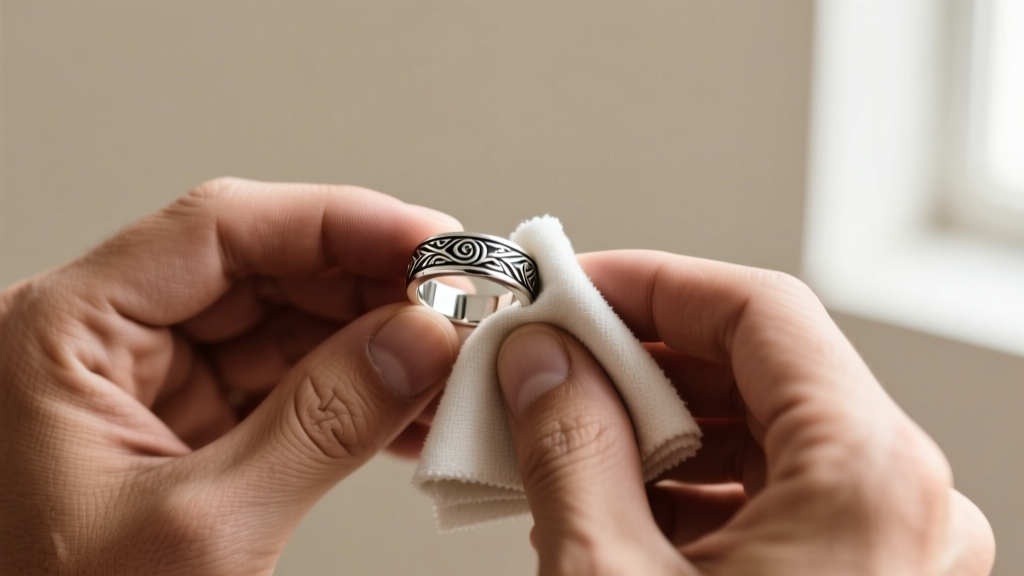
Sterling silver (92.5% silver, 7.5% copper) is highly susceptible to tarnishing when exposed to sulfur compounds in the air and the natural acids in human skin. The GIA Jewelry Care Guidelines emphasize that tarnish is a chemical reaction (silver sulfide), not dirt. For standard polished silver chokers, use a treated silver polishing cloth to gently buff away the yellowish-brown sulfide layer. However, many men's chokers feature an intentional 'oxidized' or blackened finish to highlight engraved patterns. Never use liquid silver dips or aggressive polishing on oxidized silver, as this will strip the dark patina and leave the piece looking flat and overly bright. Instead, use a soft-bristled toothbrush with a paste of baking soda and water to clean only the raised, polished areas.
The Enemy of Men's Neckwear: Sweat, Cologne, and Sebum
To truly master choker maintenance, you must understand the chemical threats your accessories face daily. Cologne and aftershave are particularly destructive. The high alcohol content acts as a solvent, stripping the protective polyurethane coatings off dyed leather and accelerating the oxidation process in copper-alloyed metals. Always apply your fragrance and allow it to dry completely before putting on your choker necklace. Men who wear their jewelry during high-intensity workouts should be aware that the urea and lactic acid in sweat can cause micro-pitting in lower-grade metals over time.
| Material | Primary Threat | Time to Visible Degradation | Maintenance Frequency |
|---|---|---|---|
| Full-Grain Leather | Alkaline sweat, cologne alcohol | 3-4 months (cracking/dye loss) | Condition every 4 weeks |
| 925 Sterling Silver | Sulfur compounds, skin acids | 2-6 weeks (tarnish/yellowing) | Polish bi-weekly |
| 316L Surgical Steel | Chlorine (pools/showers) | 12+ months (pitting/corrosion) | Wash monthly with mild soap |
| Braided Hemp/Cord | Sebum buildup, moisture rot | 1-2 months (odor/fraying) | Replace every 6 months |
Storage and Longevity Frameworks
How you store your choker when it is not around your neck is just as critical as how you clean it. Tossing a leather or beaded choker into a humid bathroom drawer is a recipe for mold and hardware rust. The ideal storage environment for men's jewelry is a cool, dry space with a consistent humidity level below 50%. For silver chokers, store them in individual anti-tarnish flannel bags or sealed ziplock bags with a 3M anti-tarnish strip. These strips absorb ambient sulfur gases, effectively pausing the chemical tarnishing process. Leather chokers should be stored flat or loosely coiled; hanging heavy leather chokers by their clasps for extended periods can cause the leather to stretch and warp under its own weight.
Troubleshooting Common Choker Failures
Even with meticulous care, mechanical failures can occur. The most common point of failure in a choker necklace men wear heavily is the clasp mechanism. Lobster clasps rely on a tiny internal steel spring that is highly susceptible to rust if exposed to saltwater or sweat. If your clasp becomes stiff, do not force it. Apply a microscopic drop of synthetic watch oil to the hinge and work it back and forth. For magnetic clasps, ensure the neodymium magnets are wiped clean of metallic dust and iron particles, which can weaken the magnetic grip over time. If a braided leather cord begins to fray near the metal end-caps, you can carefully apply a tiny drop of cyanoacrylate (super glue) to the frayed fibers to bind them, preventing further unraveling and securing the metal cap.
Expert Insight: Never use WD-40 on jewelry clasps. It is a solvent and water displacer, not a long-term lubricant. It will strip away existing factory lubricants and attract abrasive dust, eventually seizing the clasp entirely.
Summary Checklist for Daily Wearers
Integrating these steps into your weekly grooming routine will ensure your neckwear remains a staple of your wardrobe for years to come:
- Post-Wear Wipe: Always wipe down metal and leather chokers with a dry microfiber cloth before storing to remove daily sweat and oils.
- Chemical Separation: Put your choker on *after* applying cologne, hairspray, or skincare products.
- Shower Rules: While titanium and steel can survive the shower, avoid exposing leather, hemp, or porous stone beads to hot water and harsh body washes.
- Monthly Deep Clean: Use a 40kHz ultrasonic cleaner for metals, and a dedicated beeswax conditioner for leathers.
- Hardware Check: Inspect the jump rings and clasp springs monthly for signs of rust, stretching, or metal fatigue.


