How to Clean and Maintain a Necklace for Chewing Safely
Learn expert cleaning and maintenance tips for your necklace for chewing. Discover how to sanitize silicone sensory pendants and inspect cords.

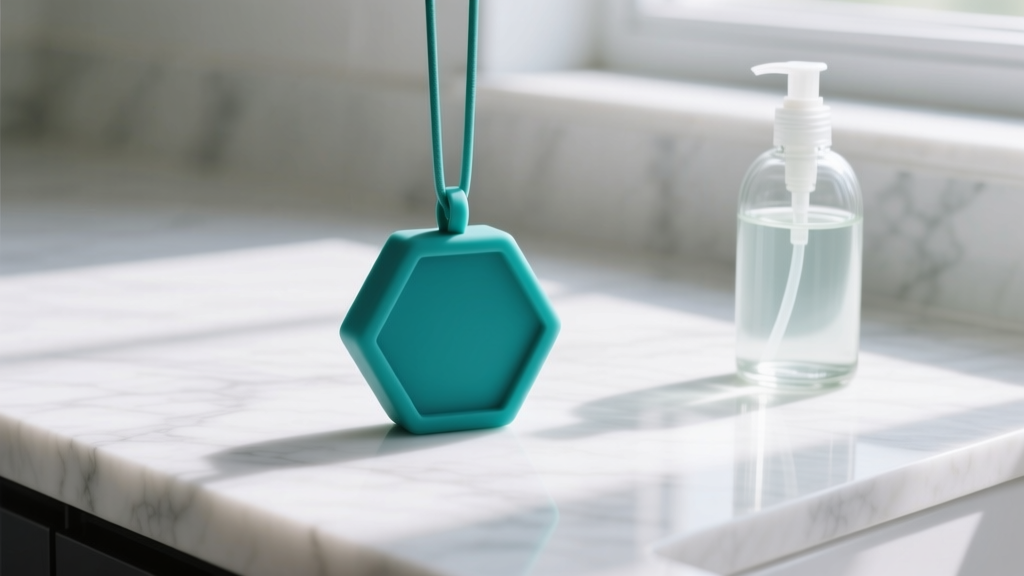
The Critical Importance of Chewelry Hygiene
A necklace for chewing, commonly referred to as sensory chewelry, is an essential tool for neurodivergent individuals, children with oral sensory processing needs, and adults managing anxiety or ADHD. Because these pendants spend a significant amount of time in the mouth, they are constantly exposed to saliva, oral bacteria, and environmental pathogens. As of 2026, while antimicrobial-infused silicones have entered the market, traditional platinum-cured silicone remains the gold standard for safety and durability. However, even the highest-grade materials require rigorous, informed maintenance to prevent bacterial buildup and material degradation.
Proper care extends the lifespan of your sensory jewelry and, more importantly, protects the user from choking hazards and infections. This comprehensive guide details the exact protocols for cleaning, sanitizing, and inspecting your chewelry, drawing on material science and pediatric safety standards.
Understanding Silicone Grades and Shore A Hardness
Before applying any cleaning method, you must identify the material composition of your pendant. Reputable manufacturers use 100% platinum-cured, food-grade silicone. Unlike peroxide-cured silicone, which can leave chemical byproducts and degrade faster when exposed to heat, platinum-cured silicone is biocompatible, hypoallergenic, and highly resistant to thermal shock. You can review the FDA regulations on silicone polymers for food-contact safety standards.
Chewelry is also categorized by its Shore A hardness scale, which dictates how aggressively it can be cleaned:
- Soft (Shore A 20-30): Highly porous feel, mimics skin. Requires gentle washing; aggressive scrubbing can cause micro-tears.
- Medium (Shore A 40-50): The most common grade. Balances durability with sensory feedback. Tolerates standard sanitization well.
- Hard (Shore A 60-70): Designed for aggressive chewers. Highly dense, non-porous, and withstands boiling and UV-C sanitization without structural fatigue.
Daily Cleaning Protocols
For daily maintenance, avoid harsh antibacterial soaps, bleach, or alcohol-based cleaners. These chemicals break down the silicone matrix over time, causing the pendant to become sticky, brittle, or prone to flaking. According to CDC guidelines on environmental disinfection, mechanical friction combined with mild surfactants is highly effective for removing oral biofilms without damaging sensitive materials.
The Two-Step Daily Wash
- Rinse and Lather: Rinse the pendant under warm (not boiling) running water. Apply a drop of mild, unscented, dye-free dish soap or baby shampoo.
- Friction and Rinse: Use your fingertips or a dedicated, soft-bristled silicone cleaning brush to gently massage the soap into the pendant's crevices. Rinse thoroughly until the water runs completely clear, ensuring no soap residue remains, as this can cause gastrointestinal upset if ingested.
Expert Warning: Never use essential oils (like tea tree or lavender) to clean or scent your chewelry. Essential oils are highly concentrated solvents that will rapidly dissolve food-grade silicone, turning it into a gummy, unsafe mess.
Deep Sanitization Methods
Weekly deep cleaning is necessary to eliminate embedded bacteria and viruses. The method you choose depends on whether the pendant contains a metal core or is solid silicone.
Boiling (Solid Silicone Only)
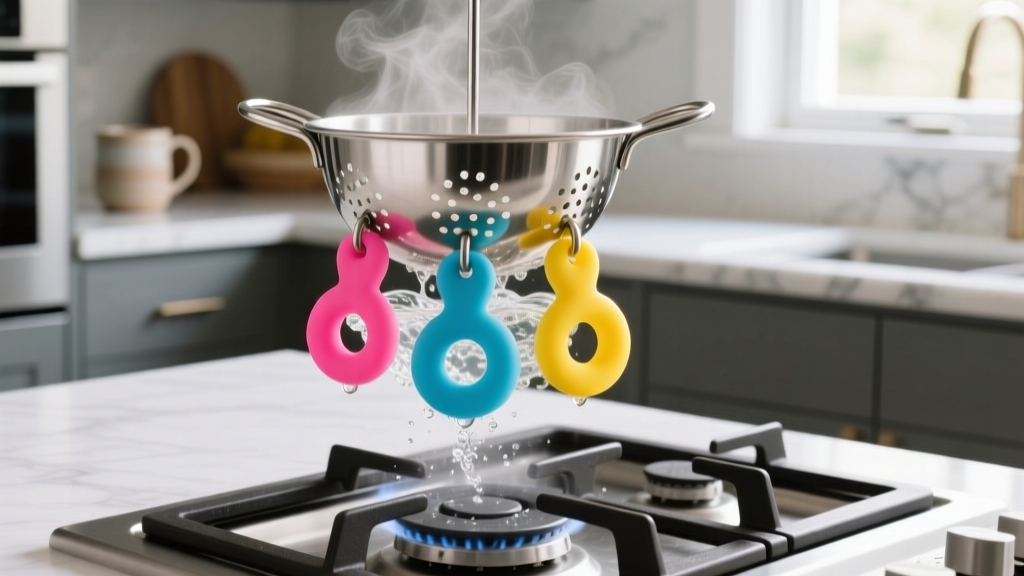
Bring a pot of distilled water to a rolling boil. Submerge the solid silicone pendants for exactly 3 to 5 minutes. Use a stainless steel strainer to retrieve them, avoiding direct contact with the hot metal base of the pot, which can cause localized melting. Allow them to air dry on a clean, lint-free microfiber towel.
UV-C Sanitization
For pendants with embedded metal cores or wooden bead accents that cannot be boiled, UV-C light sanitizers are the safest 2026 alternative. Place the jewelry in a certified UV-C sterilizer box for the manufacturer-recommended cycle (usually 3-5 minutes). UV-C light disrupts the DNA of pathogens without introducing moisture or heat that could warp mixed materials.
Inspecting Cords and Clasps: Preventing Choking Hazards
The pendant is only half of the safety equation; the cord and clasp require equal vigilance. The American Academy of Pediatrics strictly warns against any corded items around the neck that lack a functioning breakaway mechanism due to severe strangulation and choking risks.
The Breakaway Clasp Test
Breakaway clasps are designed to pop open when subjected to a specific amount of force (usually between 3 to 5 pounds of pressure). Over time, the plastic housings can stretch, or the internal metal springs can corrode from saliva exposure.
- Weekly Pull Test: Hold the cord on either side of the clasp and pull firmly. It should snap open smoothly. If it requires excessive force, or if it pops open too easily, replace the clasp immediately.
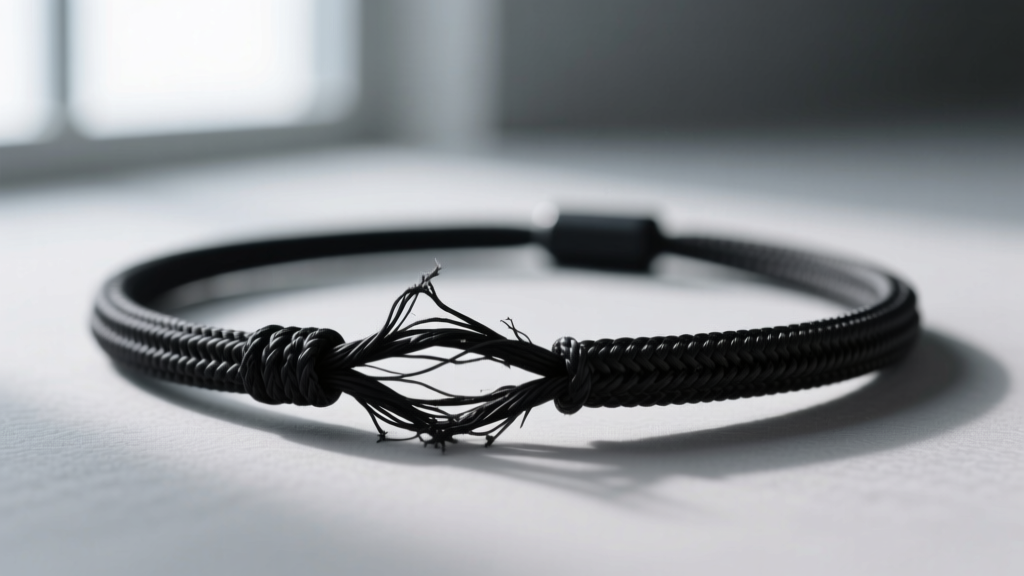
- Cord Inspection: Check nylon or cotton cords for fraying, especially near the pendant loop where friction is highest. A frayed cord can snap unexpectedly, sending the heavy silicone pendant falling into the user's mouth or eyes.
Cleaning Methods Comparison Chart
| Cleaning Method | Frequency | Silicone Safe? | Cord/Clasp Safe? | Best Use Case |
|---|---|---|---|---|
| Mild Soap & Water | Daily | Yes (All Grades) | Yes (Hand wash only) | Routine removal of saliva and dust. |
| Boiling Water | Weekly | Yes (Solid only) | No | Deep sanitization for aggressive chewers. |
| UV-C Sterilizer | Weekly | Yes | Yes (Remove if possible) | Mixed-material pendants or travel cleaning. |
| Dishwasher (Top Rack) | Monthly | Yes (Hard Grade) | No | Convenient bulk cleaning; avoid heated dry. |
Recognizing Material Failure: When to Retire Your Chewelry
No necklace for chewing lasts forever. Silicone is durable, but the mechanical stress of human bite force (which can exceed 150 PSI in adults and aggressive chewers) eventually causes structural fatigue. You must retire the pendant immediately if you observe any of the following failure modes:
- Surface Stickiness: If the silicone feels tacky even after a thorough wash with soap and water, the polymer chains are breaking down. This sticky residue can harbor bacteria and is unsafe for ingestion.
- Micro-Tears and Pitting: Run your fingernail lightly over the surface. If you catch on tiny divots, deep bite marks, or jagged edges, the pendant is compromised. These micro-crevices are impossible to fully sanitize and can tear off into small, chokeable pieces.
- Color Fading or Chalking: A chalky white residue that won't wash off indicates that the silicone's plasticizers are leaching out, often due to exposure to UV sunlight or improper cleaning chemicals.
Final Thoughts on Sensory Jewelry Care
Maintaining a necklace for chewing is a non-negotiable aspect of sensory health and safety. By understanding the specific grade of your silicone, adhering to gentle daily washing protocols, and rigorously testing your breakaway clasps, you ensure that this vital self-regulation tool remains a safe, hygienic comfort for the user. Always purchase from certified manufacturers who provide transparent material safety data sheets (MSDS) and replace your chewelry at the first sign of structural wear.


